

Learning How to Plan a Destination Wedding means planning three systems at the same time: the wedding itself, the trip required to reach it, and the guest experience surrounding both. A beautiful venue is only one part of the decision. The destination also has to work for your budget, priority guests, travel logistics, season, lodging, vendors, and the kind of weekend you actually want to host.
The order matters. Test the destination before signing the venue contract, confirm where guests can stay before sending travel guidance, map airport and event transportation before assuming the weekend is easy to navigate, and decide what can be sourced locally before paying to ship or fly décor and production items.
This guide explains How to Plan a Destination Wedding as one connected operating system, covering feasibility, location, budget, guests, weather, venue logistics, professional support, travel, lodging, vendors, shipping, surrounding events, contingency planning, and the final wedding-weekend plan. Marriage requirements remain a separate legal workstream because they vary by jurisdiction and should be verified through appropriate official sources.
Start With a Destination Wedding Feasibility Test
Before looking at villas, resorts, mountaintops, or beach ceremonies, decide whether a destination wedding is workable for the people and priorities that matter most. This is the step couples are most tempted to skip because venue photographs make the decision feel emotional before it becomes practical.
Start with four constraints: your total budget, the people whose attendance is essential, the travel burden you are comfortable asking guests to carry, and the kind of experience you want to host. A destination can be visually ideal and still fail one of those tests.
Ask yourselves:
- Who must realistically be able to attend? Parents, grandparents, siblings, children, or close friends may have different mobility, work, school, health, or financial constraints.
- How much travel are we comfortable requiring? A nonstop two-hour flight creates a different guest burden from multiple connections followed by a long ground transfer.
- What are we actually hosting? A ceremony and dinner require a different budget and planning system from a three-day program with welcome events, excursions, transportation, and brunch.
- What compromises are acceptable? If the location requires a smaller guest list, higher travel spending, fewer décor shipments, or a different season, decide whether those tradeoffs support the wedding you want.
If the destination works only when every guest behaves like an ideal traveler and every logistics assumption goes perfectly, it is not yet a workable plan.
Local Wedding vs Destination Wedding: What Changes?
A destination wedding contains many of the same decisions as a local wedding, but those decisions become interconnected with travel. The table below shows where the planning burden changes most.
| Decision | Local Wedding | Destination | Confirm By |
|---|---|---|---|
| Location | Primarily venue and local convenience | Venue plus flight access, transfers, lodging, season, and guest feasibility | Before venue contract |
| Budget | Wedding-day and local vendor costs dominate | Add couple travel, site visits, lodging, shipping, transfers, and extra events | Before major bookings |
| Guest List | Mainly capacity and catering impact | Also tests airfare, lodging, mobility, passports, time off, and trip length | Before choosing destination |
| Date | Venue/vendor availability and local season | Also destination weather, tourism patterns, transportation, and hotel demand | Before venue contract |
| Venue | Guest capacity, services, layout, style | Also distance from airport/lodging, transfers, access, and local support | Before guest travel guidance |
| Vendors | Primarily local sourcing | Local sourcing vs fly-in team, travel fees, unfamiliar market, language/logistics | Before production is locked |
| Décor & Personal Items | Delivered or transported locally | Must be carried, shipped, rented, sourced locally, or eliminated | Before final design orders |
| Guest Communication | Date, venue, RSVP, basic logistics | Travel timing, lodging, transfers, events, documents, weather, local movement | Before guests book travel |
The destination adds a second infrastructure layer beneath the wedding. The earlier you acknowledge that layer, the fewer expensive decisions need to be redesigned later.
Choose the Destination Before the Venue
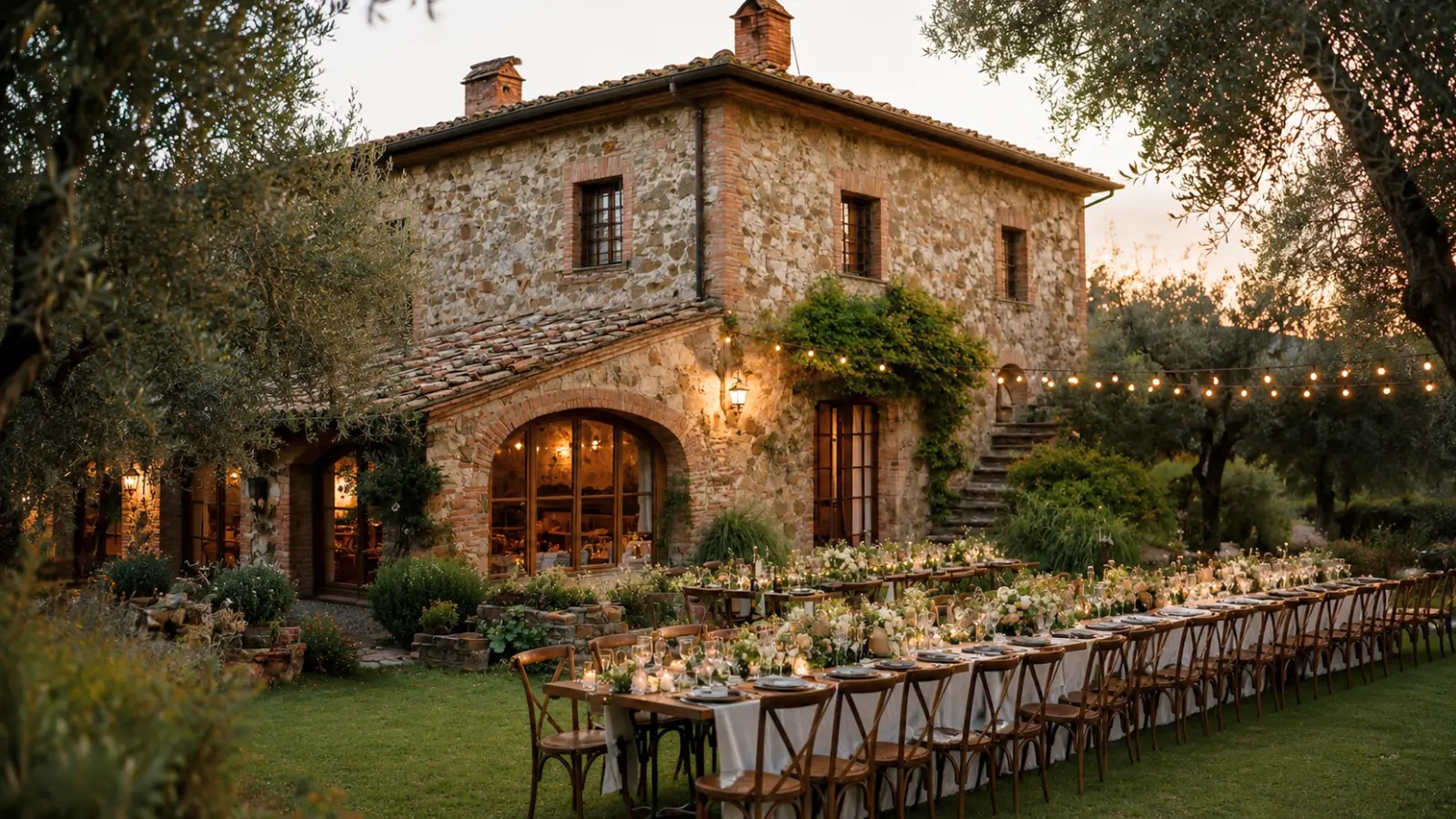
Choose the destination as an ecosystem first and a venue market second. The right location should support the wedding you want while remaining realistic for your guest list and travel plan.
Evaluate flight access from the cities where priority guests live, the transfer from the nearest practical airport, lodging range, local transportation, event infrastructure, seasonal conditions, and whether the destination has enough vendor and rental support for your plans.
Then ask what guests can realistically do once they arrive. A remote property may be extraordinary for the wedding itself but frustrating if guests need complicated transportation for every meal and event. A resort may simplify movement but limit how much freedom you have over vendors or outside activities.
Sentimental value matters, too. A location with meaning to your relationship can justify additional complexity more easily than a place selected only because one photograph looked impressive.
Build a Destination Wedding Budget That Includes Travel
A destination wedding budget must include the cost of producing the wedding and the cost of producing it away from home. Ignoring the travel layer makes a destination wedding appear more affordable than the actual plan.
Alongside venue, catering, photography, entertainment, florals, rentals, stationery, attire, and other normal categories, account for destination-specific expenses that apply to your situation:
- Couple travel and lodging: wedding trip, planning visits, and any extended stay.
- Planner or vendor travel: transportation, lodging, ground travel, or per-diem arrangements when contracted.
- Guest transportation you choose to host: airport transfers, event shuttles, or organized transportation between properties.
- Shipping and baggage: personal décor, attire, paper goods, welcome materials, or production items.
- Additional events: welcome drinks, rehearsal dinner, group activities, after-party, brunch, or hosted excursions.
- Contingency: extra logistics, last-minute sourcing, weather changes, shipping problems, or travel-driven adjustments.
Do not assume a destination wedding is automatically cheaper because the guest count may be smaller. Smaller and less expensive are different concepts; the travel and production structure determines the actual budget.
Test Guest Feasibility Before You Commit
Guest feasibility is not the same as estimating an RSVP percentage. The better question is whether the people you most want present can reasonably make the trip.
Look at airfare patterns, number of connections, ground-transfer time, lodging price range, trip duration, school and work schedules, mobility needs, childcare realities, and international travel-document needs where applicable. For international travel, guests should verify their own passport validity and entry requirements early through official sources.
Separate guests into three mental groups: people whose attendance is essential to you, people you strongly hope can attend, and people you are happy to invite while understanding that travel may make attendance impractical.
This is not about predicting exact attendance. It is about refusing to make the venue contract before you understand what you are asking your most important people to do.
Choose the Date Around Weather and Travel Conditions
A destination wedding date should be chosen against the destination’s actual calendar, not the weather where you live. Research typical seasonal conditions, rain patterns, heat, cold, daylight, severe-weather risks where relevant, tourism peaks, major local events, and how those variables affect flights and hotels.
Weather also changes the venue itself. An outdoor terrace that photographs beautifully may need a strong indoor or covered backup. A mountain property may create different transportation conditions in winter than in summer. A coastal destination can have periods when heat, rain, or storms meaningfully affect the guest experience.
Ask the venue what the property looks and feels like during your actual wedding season, not only during its most marketable months. If possible, evaluate the backup plan with the same seriousness as the preferred one.
The best date is not simply when the destination is prettiest. It is when the combination of weather, travel, venue operations, and guest feasibility is acceptable.
Evaluate the Venue as a Logistics Hub
For a destination wedding, the venue is part event space and part transportation decision. Its location relative to airports, hotels, restaurants, and other wedding events can shape the entire weekend.
When reviewing venues, ask about guest capacity, included services, vendor restrictions, rental needs, setup and breakdown windows, indoor backup spaces, accessibility, parking, transportation access, sound restrictions, curfews, power, storage, and what the property expects you to provide independently.
Then evaluate movement. Can a coach or shuttle reach the property? Does the route become difficult at night? Are guests staying on-site, nearby, or spread across several areas? Will people need transportation after alcohol is served?
A destination venue should not be chosen only by what happens after guests arrive. The journey to and from it is part of the event design.
Decide Whether You Need a Destination Wedding Planner
A destination wedding planner becomes particularly valuable when local knowledge, remote communication, unfamiliar vendors, language differences, travel logistics, or multi-event coordination make self-planning difficult.
You may hire someone based in the destination, bring a planner from home, or work with a team that regularly plans weddings in that market. Each model can work. What matters is who understands the local operating environment and who owns communication across vendors, venue, travel, and the couple.
Ask about experience in the destination or comparable markets, how site visits are handled, who communicates with local vendors, how time-zone differences are managed, what travel costs sit outside the planning fee, which team members will be on-site, and how problems are handled when the couple is not physically present.
For complex overseas wedding planning, local operational fluency may matter as much as aesthetic alignment.
Map the Guest Travel Journey
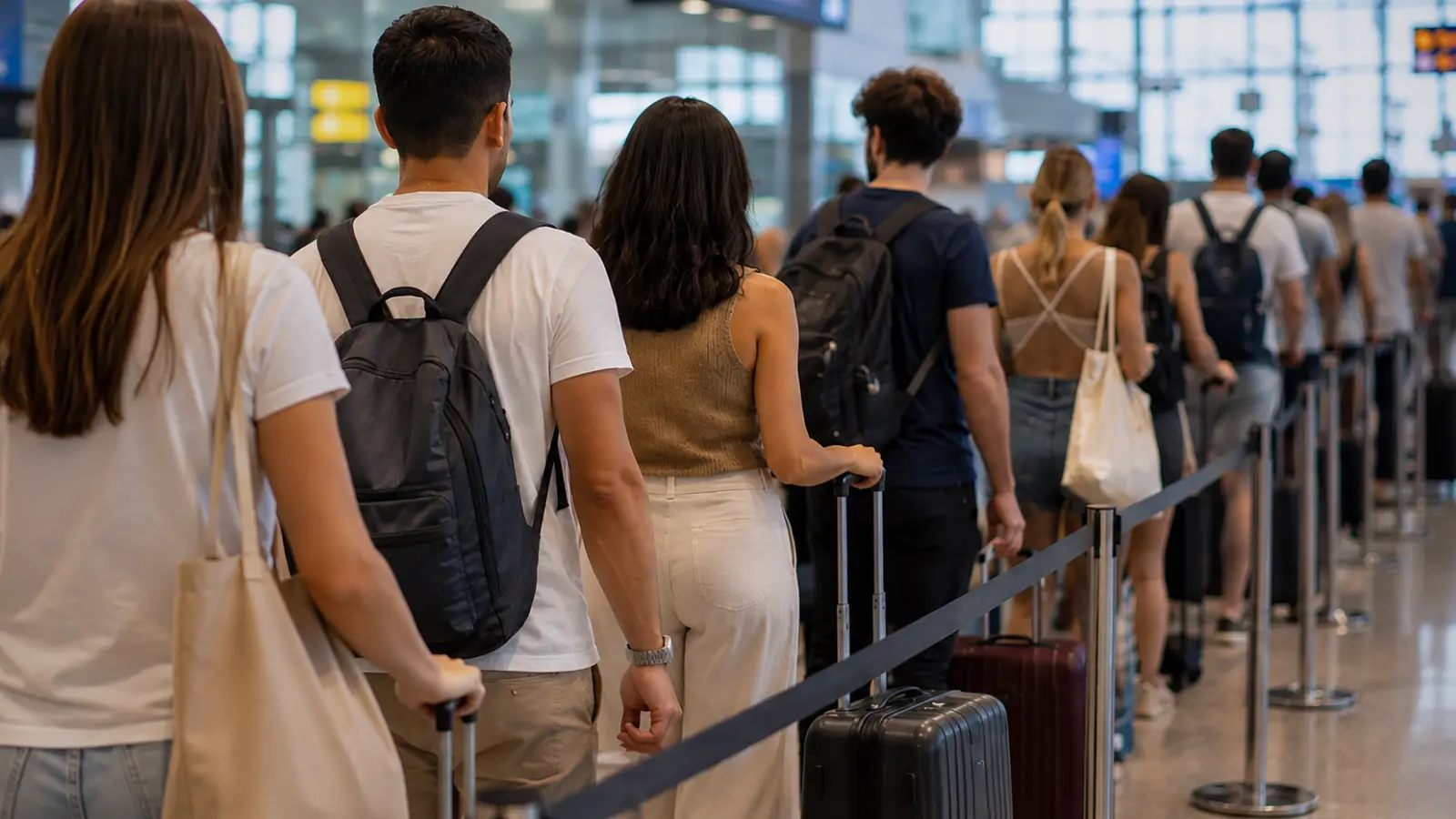
Do not send guests a collection of travel links. Map the journey from their home airport to their hotel and from their hotel to every hosted event.
Your guest travel plan should answer:
- Which airport makes the most sense? If several airports serve the area, explain the practical differences instead of listing all of them equally.
- How do guests reach the lodging area? Rental car, taxi, rideshare, private transfer, rail, ferry, hotel shuttle, or another local option?
- Do guests need a car during the stay? If not, say so. If they do, explain why.
- How will guests reach wedding events? Hosted shuttle, walkable route, individual transportation, or coordinated pickup?
- What time should they arrive? Give enough margin for the actual itinerary rather than expecting same-day arrival before an important event.
For international travel, direct guests to official government sources for passports, entry rules, and current travel information rather than paraphrasing requirements that can change.
Build a Lodging Plan, Not Just a Hotel Block
A hotel block is useful only when the lodging works for the guest experience. Think about price range, location, transportation, accessibility, room inventory, minimum stays, booking deadlines, cancellation terms, and whether guests have practical alternatives.
If most events occur at a resort, keeping guests on-site can simplify movement. If the wedding is at a standalone venue, a central hotel area may make shuttles and informal gatherings easier. In destinations with vacation rentals, decide whether those properties create transportation complications that need to be explained.
Offer enough structure that guests know where staying will be easiest without implying that every person must choose the same price point. If a block has special terms or deadlines, communicate them clearly and avoid presenting availability as guaranteed beyond the agreement.
The lodging plan should reduce decisions for guests, not create another research project after they RSVP.
Communicate Early Without Overloading the Invitation
Destination guests need more lead time to evaluate travel than local guests, but that does not mean every travel instruction belongs on the printed invitation.
Use save-the-date communication to establish the destination and date early enough for guests to assess travel. Then use the wedding website as the living source for flights, lodging, transportation, itinerary updates, attire guidance, local information, and other logistics that may evolve.
The formal invitation should remain clear about who is invited, which event it covers, and how to RSVP. If you are hosting several events, make the invitation structure precise enough that guests can tell which events apply to them.
When travel information changes, update one central source rather than sending conflicting versions through texts, emails, and group chats.
Choose Local Vendors vs Vendors Who Travel
Destination weddings often use a mix of local vendors and professionals who travel. The right balance depends on availability, style, trust, production needs, language, and travel cost.
Local vendors can bring knowledge of the venue, destination logistics, weather, sourcing, rentals, and regional working practices. A photographer, planner, beauty team, musician, or other professional from home may be worth bringing when that relationship or specialty is unusually important to you.
Before flying anyone in, understand the complete travel terms: transportation, baggage or equipment, lodging, ground transfers, meals or per diem if applicable, travel days, and what happens if travel is disrupted.
Before choosing a local vendor remotely, clarify communication, contract currency, payment method, deliverables, timing, and who will coordinate on-site. A planner or venue team can be especially useful when distance makes vendor evaluation harder.
Plan What Travels, Ships, or Gets Sourced Locally
Every physical item in a destination wedding needs a transportation strategy. If you cannot say how an item reaches the destination, where it is stored, who sets it up, and how it leaves, it is not fully planned.
Divide items into four categories:
- Carry personally: irreplaceable or highly personal items that should remain under your control when practical.
- Travel as baggage: items that can safely move with the wedding party within airline and transportation rules.
- Ship in advance: replaceable items with enough lead time, tracking, receiving arrangements, and storage.
- Source or rent locally: items whose shipping cost, bulk, fragility, or return logistics make local sourcing more sensible.
For air travel from the United States, current TSA guidance allows a wedding dress through screening and recommends packing it securely in a garment-style bag; TSA also advises travelers to keep valuable jewelry with them rather than in checked baggage. Airline storage and carry-on policies can differ, so confirm those separately before travel.
Destination design gets easier when you stop asking, “Can we bring this?” and start asking, “Is transporting this worth the operational burden?”
Design the Wedding Weekend Around Guest Energy

Destination weddings often expand into several events because guests have traveled for more than a few hours of celebration. That does not mean you need to fill every day.
Choose additional events based on the experience you want to host and the energy guests will realistically have after traveling. A welcome drink can provide an easy first gathering, a rehearsal dinner may serve a different group, and a relaxed brunch or farewell can close the weekend well. Excursions tend to be memorable only when participation is genuinely optional.
Leave some open time, too. Guests may want to recover from travel, explore independently, or simply enjoy the destination without an itinerary.
The wedding weekend should feel hosted, not scheduled to the minute. Hospitality includes knowing when not to ask guests to be somewhere.
Create a Destination-Specific Backup Plan
A destination contingency plan should account for more than rain. Travel adds failure points that local weddings may not face at the same scale.
Consider what happens if flights are delayed, luggage does not arrive, a shipment misses its delivery window, a vendor cannot travel, weather moves the ceremony, transportation is disrupted, or an outdoor event becomes impractical.
Wedding or event insurance is worth researching for a destination wedding specifically because so much of the budget sits with vendors and a venue you cannot easily reach in person if something goes wrong. Coverage and exclusions vary by provider, so compare what a policy actually addresses—vendor default, severe weather, or venue closure among them—rather than assuming a general policy covers your situation.
Decide which parts of the plan need backups and which can simply be removed if necessary. Know who has authority to make those decisions locally, especially if the planner reaches the destination before you or vendors are working while you are in transit.
The goal is not to predict every possible problem. It is to protect the parts of the wedding that would be hardest to improvise from another city or country.
Handle Marriage Legality Separately
If you are marrying outside your home state or outside the United States, legal marriage requirements must be verified independently from the celebration plan. Requirements can vary by jurisdiction and may involve documentation, residency or timing rules, witnesses, officiant eligibility, translation, authentication, or other procedures.
Do not rely on a venue brochure, social-media post, or another couple’s experience as proof that the same rules apply to you. Use official government or consular information and the appropriate local authorities for the destination.
EVORÉ keeps that research inside the Marriage & Legal guide so this page can stay focused on planning the celebration, guests, and travel without casually summarizing rules that may change.
For some couples, separating the legal marriage from the destination celebration may be an option worth investigating with the appropriate legal and local authorities, but that decision belongs in the legal planning workstream.
The Final Destination Wedding Operating Plan
As the wedding approaches, consolidate the destination into one operational plan. The goal is to make the celebration understandable to someone who was not part of every planning conversation.
Your final packet should bring together:
- Master timeline: couple, wedding party, vendors, transportation, ceremony, reception, and surrounding events.
- Travel and lodging summary: key hotel, transportation, arrival, and departure information.
- Vendor contacts: local and traveling vendors with wedding-day contact details.
- Venue plans: floor plans, setup windows, backup locations, access, and key venue rules.
- Guest logistics: transportation groups, accessibility arrangements, child-related logistics, and other operational needs.
- Item movement: what arrives by baggage, shipping, vendor delivery, rental, or local sourcing—and who owns it afterward.
- Decision authority: who can approve logistical changes if you should not be interrupted.
A destination wedding becomes manageable when the trip and the event stop living in separate documents. The final plan should show how people, places, vendors, and objects move through the same weekend.
Make the Destination Work for the Wedding, Not Against It
How to Plan a Destination Wedding becomes much easier when the location is tested as part of the operating plan rather than chosen only for its scenery. The destination needs to work for your budget, priority guests, travel journey, lodging, venue logistics, vendor strategy, weather, and the amount of production you are willing to manage away from home.
Once those pieces align, bring the trip and the event into one final plan so guests, vendors, transportation, venues, personal items, and surrounding events no longer live in separate systems. The right destination is not simply the place that looks best — it is the place where the wedding and the journey required to reach it can both work well.
Frequently asked questions (FAQ)
How do you plan a destination wedding?
Start by testing whether the destination works for your budget, priority guests, travel burden, and preferred event format. Then choose the date and venue around weather, lodging, airport access, transportation, and local infrastructure. After that, build the guest travel plan, secure lodging, choose local versus traveling vendors, decide what will be carried, shipped, rented, or sourced locally, and organize the surrounding events. Keep legal marriage requirements in a separate verified workstream.
How far in advance should you plan a destination wedding?
There is no single timeline that fits every destination. Start as early as the venue market, travel complexity, lodging availability, guest needs, and season require. International travel, peak tourism periods, limited hotel inventory, highly sought-after venues, or complex production can justify earlier decisions, while simpler domestic destination weddings may need less lead time.
Do couples have to pay for guests’ flights and hotels at a destination wedding?
Not as a universal rule. Guests commonly pay their own transportation and lodging, while couples may choose to subsidize specific expenses, provide hotel options, host transportation between events, or cover selected activities. Whatever arrangement you choose, communicate clearly before guests book so they understand which travel costs are theirs.
Should you visit the destination before booking the wedding venue?
If practical, an in-person visit can help you evaluate airport transfers, neighborhoods, lodging, venue access, backup spaces, transportation routes, and other details that photographs may not reveal. If you cannot visit, use virtual tours, current floor plans, local professional support, and detailed logistical questions rather than relying only on marketing images.
How do you handle guests who cannot attend a destination wedding because of travel?
Treat travel-related declines as a normal possibility. A destination wedding asks guests for more time, money, planning, and travel than a local celebration. If certain people are essential to you, test their realistic ability to attend before committing to the destination rather than trying to solve the issue after invitations are sent.
Is an overseas wedding harder to plan than a destination wedding in the U.S.?
It can add additional layers such as international flights, passports and entry requirements, currency, time zones, language differences, vendor payment methods, shipping, and separate legal marriage questions. The planning logic remains the same: test guest feasibility, build reliable local support, centralize travel information, plan transportation and lodging carefully, and verify legal requirements through the appropriate official sources.