
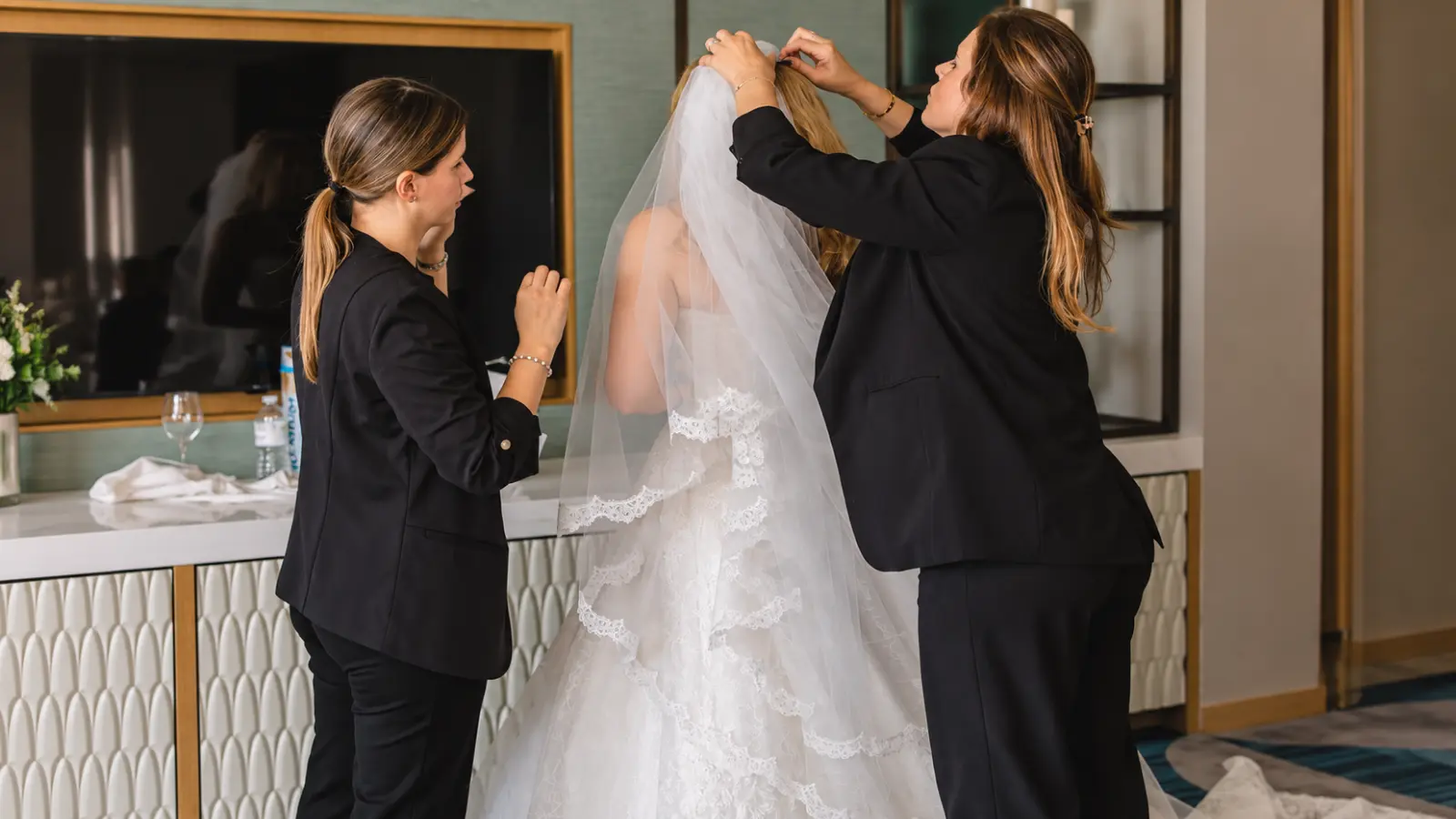
Wedding Vendors are not a universal checklist of services every couple has to hire. The vendors you actually need depend on the type of wedding you are planning, what the venue already includes, how food and drinks will be handled, the level of professional support you want, and which parts of the experience matter most to you.
A useful vendor plan separates structural needs from format-dependent and optional services. Venue, ceremony requirements, food, beverage service, staffing, rentals, transportation, photography, flowers, music, beauty, stationery, cake, and specialty vendors all become necessary at different points depending on the wedding itself.
This Wedding Vendors guide explains the major vendor categories, when each one becomes relevant, what decisions should usually come first, and which dependencies to check before signing contracts so your vendor team works as one connected system instead of a collection of unrelated bookings.
Start With the Wedding Format Before the Vendor List
The easiest way to decide which vendors needed for wedding planning truly belong on your list is to define the event first.
A full-service hotel wedding may include tables, chairs, catering, bar staff, linens, and on-site coordination in one contract. A private-property wedding may require the couple to source nearly every operational element separately. A restaurant wedding may eliminate the need for an outside caterer and some rentals. A courthouse ceremony with dinner afterward may need only a small subset of the traditional vendor list.
Before booking anyone, answer four questions:
- What does the venue already include? Avoid paying twice for overlapping services.
- What must happen for the event to function? Think food, staffing, power, seating, transportation, and legal ceremony needs.
- Which experiences matter most? Photography, live music, flowers, or another priority may deserve budget before lower-value extras.
- Which services depend on earlier decisions? Florals depend on the venue; rentals depend on guest count and layout; stationery depends on finalized event details.
Answer those four first, and the rest of the wedding vendor checklist starts to organize itself.
Wedding Vendor List at a Glance
The table below shows the major vendor categories, when they become necessary, when to start the booking process relative to other decisions, and the dependency that should usually be settled first.
| Vendor | Needed When | Book By | Dependency |
|---|---|---|---|
| Venue | The event needs a dedicated ceremony or reception location | Early, once budget and guest-count range are workable | Budget, guest count, location |
| Planner / Coordinator | You want professional planning or event execution support | Before major vendor decisions if using full planning | Planning scope, budget |
| Caterer | Food is not already included by the venue | After venue and service format are known | Venue, guest count, service style |
| Bar Service | Alcoholic or staffed beverage service is not included | After venue rules and beverage plan are clear | Venue policy, caterer, guest count |
| Photo / Video | You want professional visual documentation | After date and venue are confirmed | Date, venue, timeline |
| Florist | You want professional personal flowers or floral installations | After venue and visual scope are defined | Venue, tables, ceremony setup |
| Music | Ceremony or reception needs live or managed entertainment | After venue and event format are set | Venue, power, timeline |
| Rentals | Venue does not include required furniture, tabletop, linens, or infrastructure | After venue, guest count, and layout are developed | Venue inventory, floor plan, caterer |
| Cake / Dessert | You want a separate dessert provider | After menu and guest-count direction are clear | Catering, guest count, service plan |
| Officiant | Your ceremony format requires or uses one | After ceremony date, location, and legal requirements are known | Ceremony format, jurisdiction |
| Beauty | Professional hair or makeup is part of getting ready | After date and getting-ready group are known | Timeline, party size, location |
| Transportation | Guests or wedding party need organized travel between locations | After venue sequence and timeline are clear | Locations, guest count, schedule |
| Stationery | You are sending physical or professionally designed wedding materials | After core event details are confirmed | Date, venue, guest list, wording decisions |
| Specialty Services | A specific experience matters to the event | After essentials and priorities are funded | Venue rules, power, space, timeline |
Treat these timelines as a starting point rather than a fixed calendar. Availability, venue rules, season, location, and the type of vendor can all push a booking earlier or later than the general guidance above.
Venue
The venue is often the first major operational vendor because it determines what the wedding can physically and contractually support.
Before signing, understand what the site includes and what must be brought in separately. A venue that includes catering, tables, chairs, linens, staffing, and bar service creates a very different wedding services list from a venue that provides only the space.
- Access and timing: hours for setup, the event itself, and breakdown.
- Included inventory: furniture, linens, and any kitchen or catering equipment on site.
- Policies: alcohol rules, power capacity, parking, and weather backup.
- Vendor restrictions: whether outside caterers, bar staff, or other providers must come from an approved list.
The venue is not just a location; it defines many of the vendor dependencies that follow.
Planner or Coordinator
A planner is not essential for every wedding, but the role becomes more valuable as the number of vendors, locations, logistics, and decision points increases.
Full-service planners may help with strategy, sourcing, contracts, schedules, design coordination, and vendor management. Partial planning narrows that scope. A wedding-day or event coordinator focuses more heavily on execution once the major planning decisions already exist.
If you know you want full planning support, involving that professional before major bookings can reduce duplicated decisions. If you are planning independently, a strong vendor tracker and timeline can cover much of the administrative layer.
The decision should be based on complexity and desired support, not on an assumption that every wedding requires a planner.
Caterer

A caterer becomes essential when the venue does not provide food and you are hosting a meal, reception snacks, or another food service that needs professional preparation and staffing.
The caterer affects more than the menu. Service style changes staffing, kitchen needs, rentals, floor-plan flow, timing, table setup, and sometimes the final guest-count deadline.
Before comparing proposals, make sure the service scope is comparable. One quote may include staffing, china, glassware, setup, cleanup, and rentals while another covers food only.
Catering should be evaluated as an operating system for the reception, not just a collection of dishes.
Bar and Beverage Service
Bar service may be included with the venue or caterer, contracted separately, or unnecessary depending on the event.
Before hiring anyone, confirm what the venue allows, who may legally serve alcohol in that location, what insurance or staffing requirements apply, and whether beverages must be purchased through a specific provider. These details can vary by venue and jurisdiction, so they should be verified rather than assumed.
The bar also affects floor-plan traffic, glassware, ice, refrigeration, staffing, and the reception timeline.
For couples planning alcoholic beverages, the operational question is bigger than simply choosing what to serve.
Photographer and Videographer
Photography and videography are optional in the strict operational sense, but they are high-priority vendors for couples who care about professional documentation.
They should be chosen by coverage style, deliverables, working approach, timeline needs, and whether the team can handle the event structure you are planning. A multi-location day, large wedding party, or complex family-photo list can require more coordination than a small single-site celebration.
Photography also touches the schedule: getting ready, first look, portraits, golden hour, reception details, speeches, dances, and exit timing all need to fit the day realistically.
If visual documentation matters, it belongs in the priority budget rather than in the “extras” category.
Florist
A florist is needed when the couple wants professionally designed bouquets, boutonnieres, ceremony flowers, centerpieces, installations, or other floral work.
The scope depends heavily on venue architecture and the items already available there. A garden ceremony may need less added floral work than a blank ballroom. A reception with long tables may use flowers differently from rounds.
Florists also need practical information: table counts, table shapes, ceremony structures, delivery access, setup windows, repurposing plans, and breakdown responsibility.
Flowers make more sense after the room and event format are understood.
DJ, Band, and Ceremony Music
Music vendors range from a single DJ to a full band, ceremony musicians, cocktail-hour performers, or a combination of services.
The right choice depends on the atmosphere you want and what the venue can support. Bands may need stage space, power, load-in time, and breaks. DJs need a defined setup area, power access, and a clear relationship to the dance floor.
Music also shapes announcements, introductions, speeches, formal dances, and transitions, so the entertainment vendor often becomes part of the reception timeline.
Choose the format first; then choose the vendor who can execute that format well.
Rentals

Rentals become essential when the venue does not include the furniture, linens, tabletop, tents, lighting infrastructure, or service equipment the wedding needs.
Do not build the rental order from inspiration photos alone. Start with the venue inventory, floor plan, catering requirements, guest count, and weather plan.
Tables, chairs, linens, flatware, glassware, china, lounge furniture, tents, heaters, generators, or specialty structures may all belong to the rental scope depending on the site.
Check the venue and catering contracts first, then rent what’s genuinely missing.
Cake and Dessert
A separate cake or dessert vendor is optional when dessert is already handled by the caterer or venue.
If you do want a dedicated cake, dessert table, or specialty dessert service, coordinate portion planning, delivery access, setup, storage needs, cutting or serving responsibility, and timing with the catering team.
The visual cake moment and the operational dessert service are not necessarily the same job, which is why coordination matters.
Book the dessert concept after you understand how the meal and reception service will flow.
Officiant
An officiant may be legally required, ceremonially preferred, or unnecessary depending on the jurisdiction and ceremony format.
Because marriage laws and officiant requirements vary by state and sometimes by local jurisdiction, verify the legal requirements for the place where the marriage will be solemnized. This pillar intentionally keeps the legal discussion brief.
From a planning perspective, the officiant should know the ceremony location, start time, rehearsal expectations if any, and the couple’s intended ceremony structure.
Legal details belong in dedicated marriage-license and ceremony-requirement guidance.
Hair and Makeup
Professional hair and makeup are optional services that become operationally important once multiple people are receiving services on a fixed wedding-day schedule.
The number of clients, number of artists, service duration, getting-ready location, photography start time, and travel between locations all affect the beauty timeline.
Couples should decide who is actually receiving services before assuming one artist can cover the whole group.
Build the beauty timeline alongside the rest of the wedding-day schedule, not off to the side.
Transportation
Transportation is needed when the wedding relies on moving people between locations or when parking, distance, timing, or accessibility makes self-transport impractical.
The service may involve the couple, wedding party, guests, or all three. Common use cases include hotel-to-venue shuttles, ceremony-to-reception transfers, wedding-party vehicles, and late-night return transportation.
Transportation planning depends on passenger count, pickup points, route timing, loading time, and the wedding-day schedule.
The right vehicle matters less than getting the pickup times and passenger counts right.
Stationery and Paper Goods
Stationery may include save-the-dates, invitations, RSVP materials, programs, menus, place cards, escort cards, seating charts, and thank-you notes.
Not every wedding needs every item, and many functions can be digital. The important part is deciding which information guests need, when they need it, and whether the event uses assigned tables or assigned seats.
Stationery depends on confirmed names, addresses, event details, and seating decisions. Producing materials before those inputs are stable creates avoidable rework.
Treat paper goods as communication tools first and design objects second.
Specialty Wedding Services
Specialty vendors should be chosen because they add a specific experience the couple values, not because they appear on a generic wedding vendor checklist.
Examples can include photo booths, live painters, content creators, lighting specialists, lounge installations, specialty entertainment, childcare providers, late-night food service, pet attendants, audio guest books, or other event-specific services.
Before adding one, check whether it needs power, floor space, staffing, setup time, weather protection, venue approval, or a specific timeline window.
Optional does not mean low-value; it means the service should compete for budget based on the couple’s priorities rather than basic event function.
Check Dependencies Before You Book
The most useful way to manage wedding service providers is to understand what each booking depends on.
Before signing a contract, check:
- Venue dependency: does the venue restrict outside caterers, bar teams, rentals, entertainment, or setup?
- Guest-count dependency: does the vendor scope change significantly with attendance?
- Timeline dependency: does the vendor need access before other teams can work?
- Power or infrastructure dependency: does the service need electricity, staging, refrigeration, water, or weather protection?
- Design dependency: does the vendor need the floor plan, table shape, color direction, or ceremony structure first?
This dependency check is what keeps the wedding vendor list from turning into a collection of disconnected contracts.
Build the Vendor Team Around the Wedding You Actually Need
Wedding Vendors should be chosen from the structure of the event outward, not from a generic checklist. Start with the venue, ceremony format, guest-count range, food and beverage plan, logistics, and the services your existing contracts already include, then identify which additional professionals are genuinely necessary.
Before every booking, check what that vendor depends on and what later decisions depend on them. A smaller, coordinated vendor team with clear responsibilities is more useful than a long list of overlapping services. The goal is not to hire every possible wedding professional — it is to make sure every important part of the wedding has someone responsible for making it work.
Frequently asked questions (FAQ)
What should a wedding vendor list include?
A wedding vendor list should include only the services your specific event requires, plus any optional vendors tied to your priorities. Common categories include venue, planner or coordinator, catering, bar service, photography and video, florist, music, rentals, cake or dessert, officiant, beauty, transportation, stationery, and specialty services. For each vendor, also note what the service depends on and whether another contract already includes part of that responsibility.
What wedding vendors do you actually need?
You need the vendors required by your ceremony format, venue, food and beverage plan, guest logistics, and overall event structure. Some weddings may need a long vendor team, while a courthouse ceremony or restaurant reception may require only a few providers. Photography, flowers, entertainment, beauty, stationery, transportation, cake, and specialty services become necessary only when the wedding format or the couple’s priorities call for them.
Which wedding vendor should you book first?
Start with the decisions that unlock the rest of the vendor plan: budget, guest-count range, location, date, and venue. If you are hiring a full-service planner, bringing that professional in before major vendor commitments can also make sense. After that, prioritize vendors according to scarcity, dependency, and importance rather than following one rigid booking order.
Can one wedding vendor cover multiple services?
Yes. Venues, caterers, planners, entertainment companies, rental providers, and other vendors may bundle several services into one contract. Review the scope carefully so you understand exactly what is included, what is optional, and which responsibilities still require another provider.
How do you avoid paying for overlapping wedding services?
Review the venue contract and major vendor proposals before adding another provider. Track which vendor owns each responsibility, including staffing, rentals, bar service, setup, cleanup, coordination, equipment, and other operational needs. If two contracts appear to cover the same function, clarify the scope before signing both.
Are specialty wedding vendors necessary?
No. Specialty vendors are optional and should be added only when the experience matters to you and the essential operational needs are already covered. Photo booths, live painters, content creators, specialty entertainment, lighting, childcare, late-night food, pet attendants, and similar services can add value, but they should compete for budget based on your priorities rather than appearing automatically on every wedding vendor checklist.