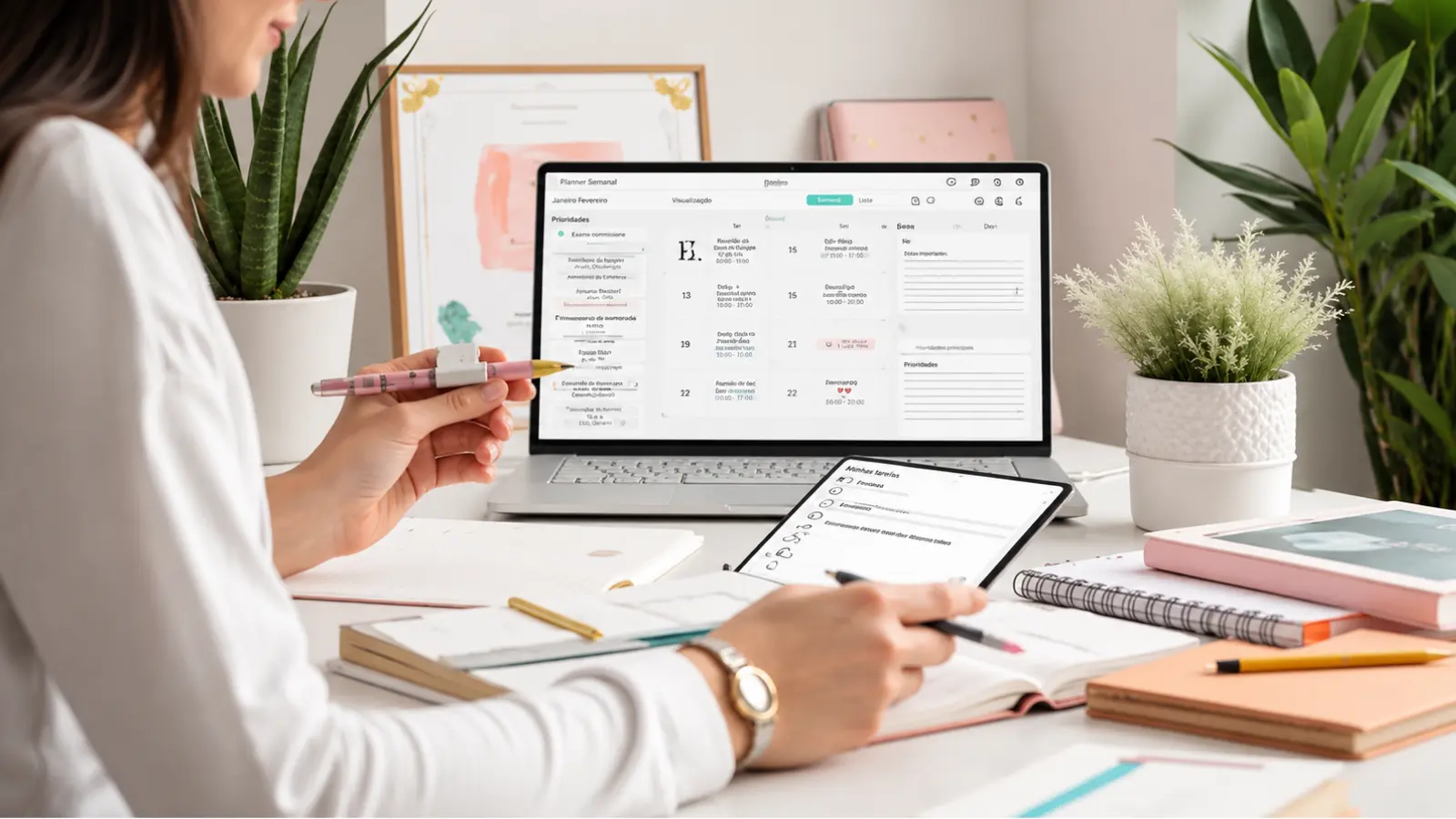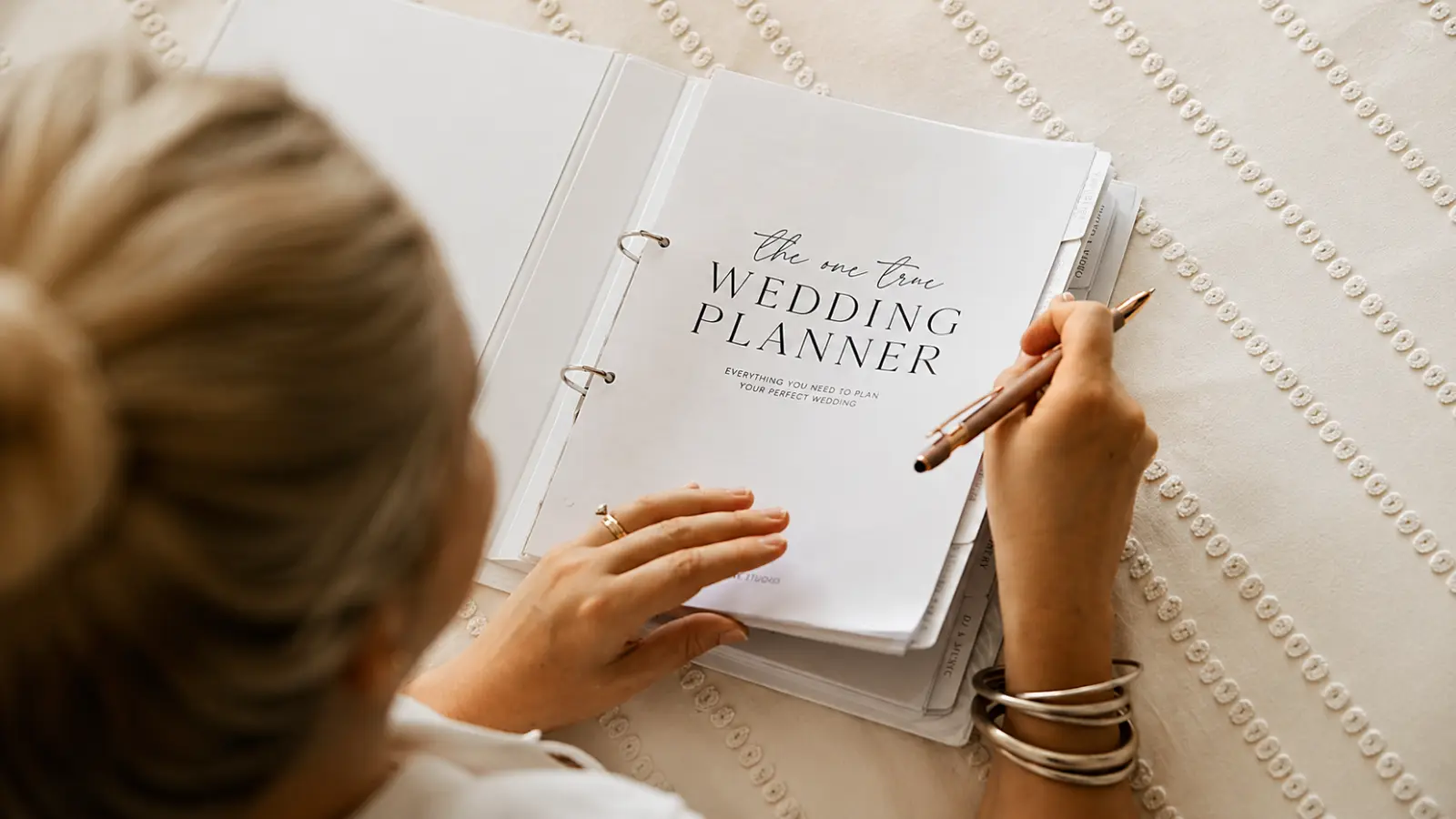

A Digital vs Paper Wedding Planner comparison becomes much easier when you look at what each format actually does best. Digital planning is stronger for information that changes frequently, needs to be shared, or depends on search, formulas, filters, and backups. Paper is stronger for handwritten thinking, annotation, visual review, meeting notes, and information you want available without opening another screen.
That means the real decision is rarely whether every part of your wedding should be digital or every part should live on paper. Guest lists, RSVPs, budgets, payments, vendors, and changing timelines usually need a live master, while contract markups, inspiration pages, venue notes, decision sheets, and final-week references can benefit from being physical.
This guide compares digital, paper, and hybrid wedding planning systems by collaboration, search, contracts, inspiration, budget tracking, backups, and everyday use. It also shows how to combine both formats without creating two competing versions of the wedding plan.
The Short Answer: Digital for Live Data, Paper for Working Reference
Digital usually wins wherever information changes often. Paper usually wins wherever thinking, annotation, or quick physical reference matters more than live synchronization.
A digital wedding planner is especially strong for guest lists, budgets, vendor status, task ownership, shared checklists, payments, and timelines. A wedding planning book is especially useful for brainstorming, venue notes, contract markups, design references, meeting pages, and final-week handoffs.
The hybrid model works best when paper is treated as a working layer—not as a second source of truth.
That distinction solves most of the confusion between electronic and physical planning systems.
Digital vs. Paper vs. Hybrid
The table below compares the systems by planning need rather than by aesthetics or personal preference alone.
| Need | Digital | Paper | Hybrid |
|---|---|---|---|
| Collaboration | Strong for live shared updates | Weak unless physically shared | Digital master + printed meeting pages |
| Search | Fast keyword/filter retrieval | Depends on tabs and organization | Search digitally, reference paper selectively |
| Contracts | Secure storage, easy backup | Excellent for annotation | Digital original + annotated paper copy |
| Inspiration | Easy to collect and sort | Better for focused mood pages | Digital archive + printed final direction |
| Budget | Best for formulas and live balances | Useful for summaries only | Digital master + printed review snapshot |
| Backups | Strong if cloud/export copies exist | Physical backup but harder to duplicate | Digital backup + essential paper copies |
| Meeting Notes | Efficient but screen-dependent | Very strong for annotation | Paper capture + digital final decision |
| Wedding-Week Use | Good for shared master files | Excellent for quick handoff sheets | Digital master + printed final packet |
The hybrid column is strongest in many rows because it lets each format do the job it handles best without turning both into full copies of the same system.
Collaboration
Digital planning is much stronger when more than one person needs to update the plan.
An online wedding organizer can let partners, family contributors, or a planner see the same checklist, guest list, vendor status, or timeline without passing a binder back and forth. Shared access also reduces version confusion when changes happen between meetings.
Paper can still support collaboration during an in-person planning session, especially for reviewing layouts, contracts, or inspiration. But handwritten changes should be transferred back to the digital master if they affect live data.
Collaboration runs smoothly once everyone agrees on which system is authoritative.
Search and Retrieval
Digital wins decisively when you need to find information quickly across a large planning system.
Names, vendor categories, deadlines, payments, contract notes, or guest details can be searched or filtered in seconds. Paper depends on good tab structure, consistent filing, and memory of where something was placed.
That does not make paper inefficient; it makes paper better for a smaller set of intentionally selected reference material.
Use digital for deep retrieval and paper for the pages you already know you will need repeatedly.
Contracts and Documents
Contracts are one of the best candidates for a hybrid system.
Keep the authoritative signed file digitally in a secure, backed-up location. Then print a working copy if you like highlighting deadlines, deliverables, overtime rules, setup windows, or questions for a vendor meeting.
A paper contract is excellent for annotation. A digital contract is stronger for storage, search, duplicate copies, and remote access.
The wedding planning binder can hold annotated copies without becoming the only place those documents exist.
Inspiration and Visual Thinking
Digital tools are better for collecting large amounts of inspiration; paper is better for editing that collection down.
Use digital boards or folders to gather possibilities, then print only the references that define the final direction. One or two curated pages for ceremony, reception, floral style, stationery, or attire are more useful in a meeting than hundreds of saved images.
A physical wedding planning book can make the chosen aesthetic feel more coherent because it forces selection.
Use digital to explore and paper to clarify.
Budget and Payment Tracking
Budget data should stay digital, since formulas, deposits, balances, due dates, and contribution tracking are hard to keep accurate on paper.
A paper budget can be useful as a review snapshot during a planning conversation, but it becomes unreliable quickly if quotes or payments change.
The dedicated wedding budget spreadsheet should remain the financial master, while a printed summary can show the current position at a glance.
Money is one of the clearest places where duplicate paper and digital masters create avoidable errors.
Backups and Version Control
Digital planning is only safer if the information can actually be recovered.
Keep one master file or platform, then use practical backups: cloud sync, periodic exports, downloaded contract copies, or a second secure location for essential documents.
Paper is itself a form of redundancy for final-week information, but it should not be the only backup of changing data. A printed guest list from two weeks ago is not a meaningful backup of today’s RSVP system.
Version control matters as much as backup. A recoverable old file is still the wrong file if nobody knows which version is current.
Where Paper Is Still Stronger
Paper remains excellent when the planning task benefits from focus, handwriting, physical review, or quick access without navigating an interface.
Use paper confidently for:
- Meeting notes: fast annotation without switching screens.
- Contract markups: highlight obligations and questions visually.
- Curated inspiration: bring only the references that represent the chosen direction.
- Venue diagrams: annotate measurements, placement, and walkthrough notes.
- Final-week packet: timeline, contacts, floor plan, and concise vendor details.
- Decision pages: compare two or three options without reopening multiple browser tabs.
Paper earns its place when a page supports one specific decision or handoff, not when it tries to track everything.
How to Build a Hybrid Wedding Planning System
A hybrid system works when digital and paper have deliberately different jobs.
Use this division:
- Digital master: guest list, RSVPs, budget, payments, vendor database, shared checklist, live timeline, contracts archive.
- Paper working layer: meeting notes, contract copies, inspiration summaries, venue diagrams, current planning snapshots.
- Wedding-week packet: final timeline, emergency contacts, vendor contacts, floor plan, transportation notes, and any document someone may need quickly.
The digital system owns the truth; paper owns access, annotation, and handoff.
Avoid the Two-Master-System Problem
The biggest hybrid mistake is maintaining both systems as if each were complete and current.
If the guest list changes digitally, do not also hand-edit three printed lists. If a vendor quote changes, update the digital budget and replace the printed summary when you next need it. If a contract is amended, preserve the new digital version and remove the obsolete paper copy.
Label printed snapshots with a date so you can see immediately whether they are current.
A hybrid system is efficient only when duplication is intentional and temporary.
Let Each Format Do the Job It Does Best
A Digital vs Paper Wedding Planner system works best when one format remains responsible for the live information and the other supports the places where physical access or handwritten thinking is genuinely useful. Keep changing data such as guests, RSVPs, budgets, payments, vendors, and current timelines in the digital master, then use paper selectively for annotation, meetings, inspiration, decision pages, and final-week handoffs.
If you choose a hybrid system, avoid maintaining two complete versions of the wedding plan. Let one source own the truth, date any printed snapshots, and transfer important handwritten decisions back into the master record. The strongest system is not the most digital or the most traditional — it is the one that keeps information current without giving you two plans to maintain.
Frequently asked questions (FAQ)
Is a digital wedding planner better than a paper planner?
Digital is usually better for information that changes frequently, needs collaboration, or benefits from search, formulas, filters, and backups. Paper is usually better for handwritten notes, annotated documents, curated inspiration, meeting pages, and quick physical reference. The stronger choice depends on the task rather than on one format being universally better.
What should stay in an electronic wedding planner?
Keep live guest data, RSVPs, budgets, payments, vendor records, shared checklists, current timelines, contract files, and other frequently changing information in the electronic master system. These records are easier to update, search, share, and back up digitally than on paper.
What should go in a paper wedding planner?
Use paper for meeting notes, annotated contract copies, curated inspiration, venue diagrams, decision summaries, current planning snapshots, and final-week reference pages. Avoid turning the paper planner into a duplicate master record for guest lists, budgets, payments, or other information that changes frequently.
What is the best way to combine a digital and paper wedding planner?
Use the digital system as the single source of truth and paper as a temporary working and reference layer. Keep changing data digital, print only the pages needed for meetings or handoffs, date every printed snapshot, and transfer confirmed handwritten decisions back into the digital master. This prevents the two systems from becoming competing versions of the plan.
Can you use both a digital and paper wedding planner?
Yes. A hybrid system often works especially well because each format handles different tasks efficiently. The key is to avoid maintaining two complete master systems. One version—usually digital—should remain authoritative, while paper is used selectively for annotation, review, and quick access.
How do you back up an online wedding organizer?
Use the platform’s export, download, or backup options where available, keep essential contracts and planning files in a separate secure location, and maintain copies of information you would have difficulty recreating. Backups should also be clearly dated or organized so you can identify the current version if recovery is ever needed.

About the Author
Débora Justo
Founder and editor of EVORÉ, creating practical wedding planning resources, thoughtful inspiration and useful tools for the decisions that shape a celebration.
Read more about the author →