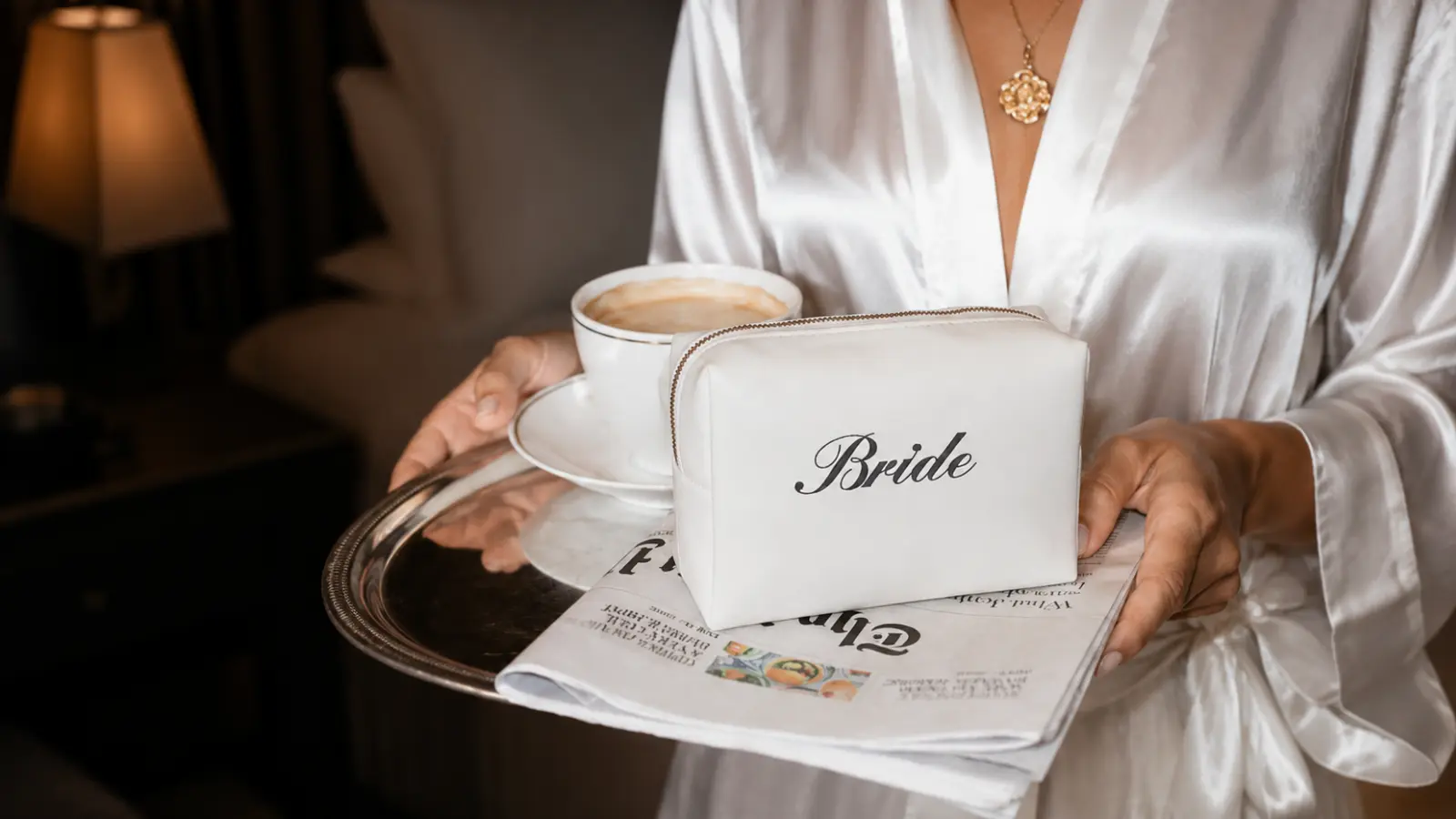
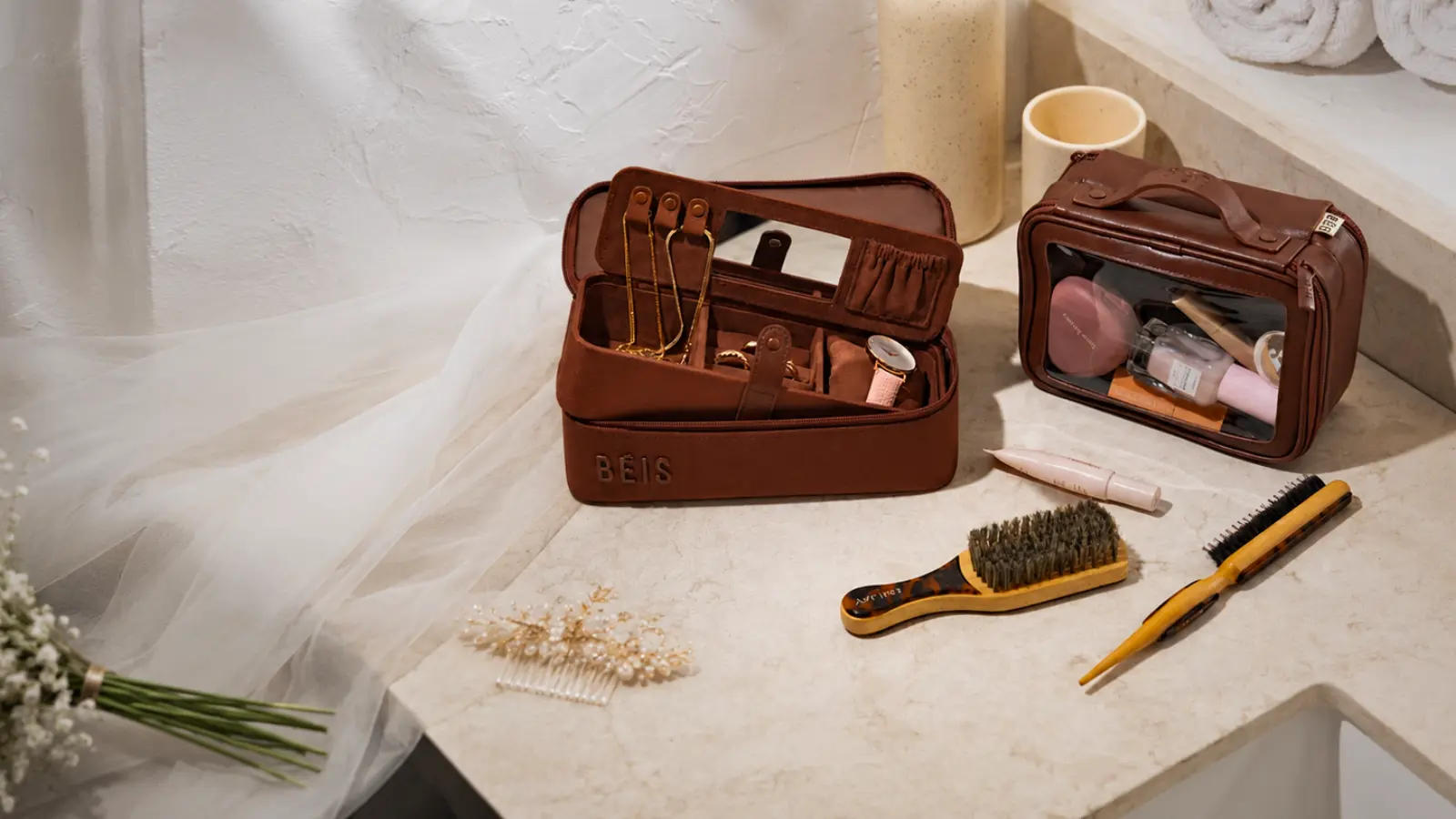
A wedding emergency kit is one of the simplest ways to reduce stress and feel prepared on your wedding day. From wardrobe mishaps and beauty touch-ups to unexpected weather, technology issues, and minor health concerns, having the right essentials nearby allows small problems to stay exactly that small.
While most weddings never face a true emergency, almost every celebration includes little surprises that are easier to solve when you’re prepared. A loose button, sore feet, smudged lipstick, a dead phone battery, or a sudden stain can all be handled in minutes with a well-organized emergency kit.
This complete guide explains exactly what to pack in a wedding emergency kit, who should carry it, how to organize it, and how to customize it for outdoor weddings, destination celebrations, wedding planners, the bridal party, and every stage of your wedding day.
What Is a Wedding Emergency Kit?
A wedding emergency kit — sometimes called a wedding day survival kit — is a curated collection of items kept on hand throughout the wedding day to handle the small, common problems that can interrupt an otherwise smooth timeline. Not medical emergencies. Not disasters. The realistic stuff: a stain that appears on the dress ten minutes before the ceremony, a broken zipper on a bridesmaid gown, a headache that sets in during cocktail hour, a phone that dies before the first dance. The goal is to solve the most likely problems quickly, without turning into an oversized bag that is too heavy to carry and too disorganized to reach into under pressure.
The distinction between a wedding emergency kit and a bridal emergency kit is worth understanding before you start building yours. A bridal emergency kit focuses on the bride specifically — her makeup shades, her dress repairs, her personal care needs. A wedding emergency kit covers the full day and often serves the entire wedding party, including groomsmen, the maid of honor, and parents. This guide covers both. If you want a deeper look at the beauty and personal care side, the bridal emergency kit guide covers that in more detail.
Who Should Carry the Wedding Emergency Kit?
This is a decision worth making intentionally, because the wrong choice — or no clear choice at all — is exactly how the kit ends up in a corner of the bridal suite while someone is frantically looking for a safety pin in the ceremony space.
The maid of honor is the most natural fit. She is close to the bride throughout the day, knows the timeline, and is usually the first person a bridesmaid or family member turns to when something goes wrong. A wedding planner or day-of coordinator is another strong option — most experienced coordinators carry their own professional kit, and they can hold yours alongside it without being pulled away by a toast or an emotional moment.
What does not work: splitting the kit between multiple people with no clear point of contact, leaving it in a room without telling anyone, or assigning it to someone who will be occupied during the ceremony itself. One specific person, who knows what is in the bag and where it lives at each stage of the day, is the right structure.
Wedding Emergency Kit Checklist
The table below organizes the full kit by category, with notes on who typically needs each item and when it tends to be most useful. Not every item on this list will apply to every wedding — treat it as a complete reference to build from, not a mandatory packing list for every bag.
| Emergency Category | Essential Items | Who May Need Them | When They Help |
|---|---|---|---|
| Clothing and Fabric | Safety pins, sewing kit, stain remover pen, fashion tape, lint roller | Bride, bridesmaids, groomsmen | Getting ready, ceremony, reception |
| Hair | Bobby pins, clear elastics, travel hairspray, fine-tooth comb | Bride, bridesmaids | Getting ready, between events |
| Beauty Touch-Ups | Lip color, blotting papers, concealer, Q-tips, tweezers, small mirror | Bride, bridesmaids | After ceremony, before portraits, reception |
| Personal Care | Deodorant, breath mints, floss, hand sanitizer, tissues, perfume rollerball | Entire wedding party | Throughout the day |
| Wellness and First Aid | Pain reliever, blister pads, antacid tablets, anti-nausea medication, bandages | Bride, bridesmaids, family | Ceremony, reception, dancing |
| Shoes and Foot Relief | Foldable flats or flip flops, heel protectors, blister gel cushions | Bride, bridesmaids | Reception, outdoor ceremony |
| Food and Hydration | Protein bars, drinking straws, electrolyte packets, gum | Bride, entire wedding party | Getting ready, between ceremony and reception |
| Technology | Portable charger, charging cables, earbuds | Bride, coordinator, maid of honor | Throughout the day |
| Ceremony Backup | Printed vow copy, black ink pen, printed vendor contact list, printed timeline | Bride, coordinator | Ceremony, vendor communication |
| Weather | Compact umbrella, sunscreen, insect repellent, dress weights | Entire wedding party | Outdoor ceremonies and receptions |
| Logistics | Cash for tips and incidentals, earring backs, spare jewelry | Bride, maid of honor | Throughout the day |
The sections below go through each category in detail, with context on what actually matters and what can be left out depending on your situation.
Clothing and Fabric Emergencies
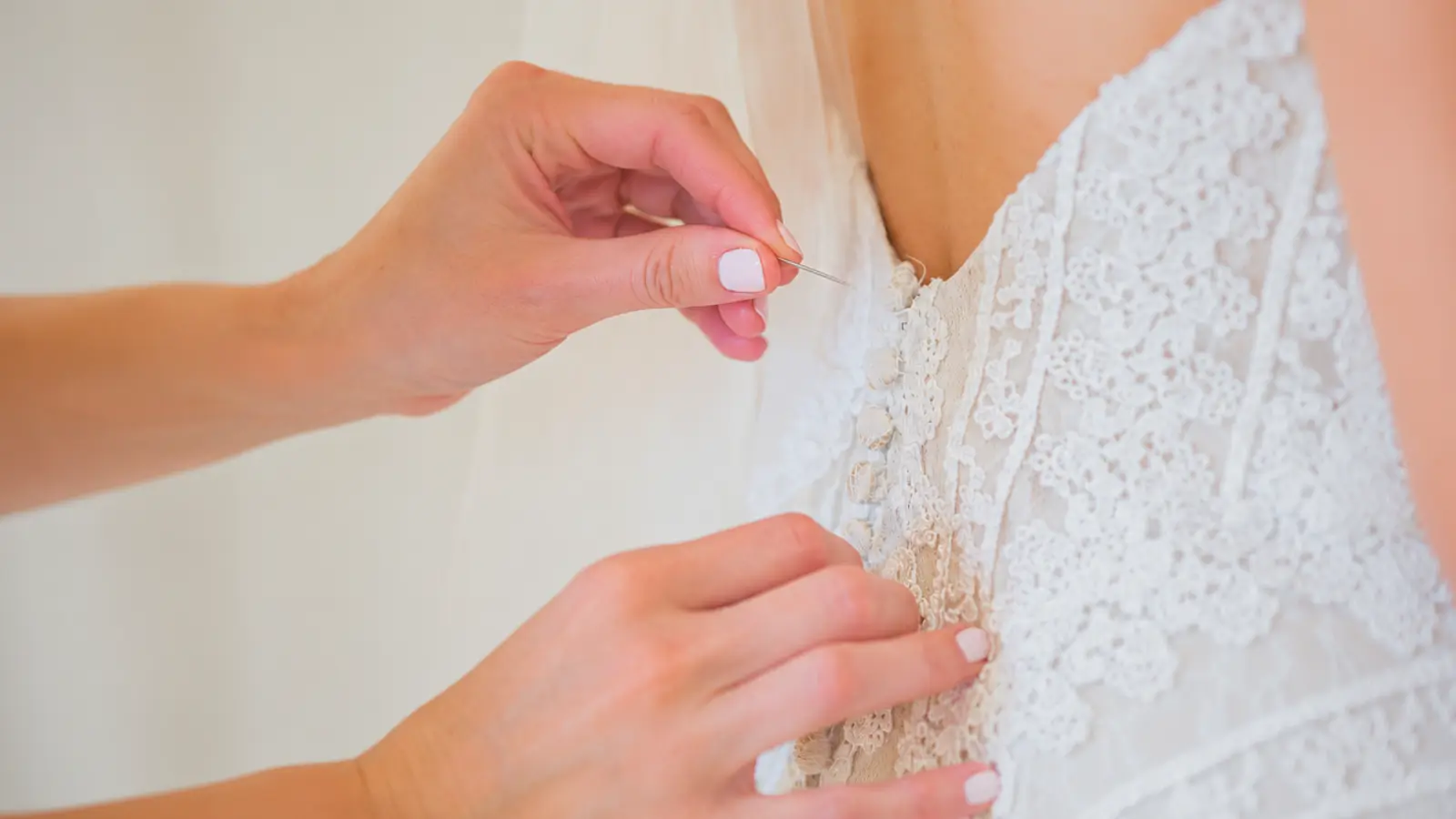
Wardrobe problems are the single most common wedding day emergency, and they are almost always fixable with the right tools on hand. A popped button, a split seam, a mysterious stain that appears thirty seconds before the processional — these situations happen regularly and resolve quickly when the kit has what it needs.
Two items come up more than anything else when you ask wedding photographers and coordinators what they reach for most: a stain remover pen and safety pins. The stain remover handles coffee spills during getting ready, wine splashes at cocktail hour, food smudges at dinner — pack at least two, one for the bridal suite and one for the reception bag. Safety pins in multiple sizes fix split seams, hold up a fallen bustle, keep a sash from sliding, and solve problems you have not thought of yet. A mini sewing kit covers what safety pins cannot: a loose button, a torn hem, a hook-and-eye that gives out.
- Safety pins — multiple sizes, at least 10–15 total
- Mini sewing kit with needle, thread (white, ivory, nude, and black), and a few extra buttons
- Stain remover pen or wipes — pack two
- Double-sided fashion tape — not just for the dress; it keeps lapels flat, holds necklines in place through hours of movement, and works as a quick hem fix. Keep the strip pack rather than single-use packets.
- White fabric chalk for marks on light-colored fabric the stain pen cannot lift
- Boob tape for strapless, plunging, or open-back styles
- Lint roller for pet hair, dust, and loose threads on dark attire
- Earring backs — extras for the bride and bridesmaids
The stain remover pen and safety pins are the two items wedding photographers and coordinators say they reach for most often. Pack multiples of both.
Hair and Beauty Essentials
Hair and makeup will hold through most of the day if the getting-ready team did their work well. The items in this category are not about redoing anything — wind, humidity, and four hours of dancing call for quick fixes that keep the original look intact, not a full redo.
Hair
Bobby pins are the obvious starting point. The detail that most people miss: they should match the bride’s hair color. Black pins against blonde hair or silver pins against brunette hair show up clearly in close-up photos, particularly during the ceremony and first dance. Clear elastics are worth adding for any moment the bride or a bridesmaid wants to pull hair back without it looking unfinished. Travel hairspray handles flyaways and holds any loose sections back in place without adding weight or stiffness.
- Bobby pins in the bride’s hair color — and a separate set matching the bridesmaids’ if different
- Clear hair elastics
- Travel-size hairspray
- Fine-tooth comb or small teasing brush
- Dry shampoo for root touch-ups or flattened volume
Beauty Touch-Ups
The most useful approach to the makeup section of the kit is to ask your makeup artist, before the wedding, for the specific lip color used on you and for their setting spray recommendation. Trying to find a close match at a drugstore later is a reliable way to end up with something that looks different in photos. Most makeup artists will provide a small amount of the bride’s lip color for touch-ups — this is worth asking about during your trial if they do not offer it automatically.
- Lip color in the exact shade used on the wedding day
- Setting spray in travel size — a light spritz refreshes the look without disturbing application
- Blotting papers for oil control throughout the day (start here before reaching for powder)
- Translucent powder for touch-ups after blotting
- Concealer in the bride’s shade
- Q-tips for mascara smudges and liner fixes
- Tweezers for stray hairs, false lash adjustments, or splinters
- Small mirror — a folding compact works well
- Eye drops for dryness or the inevitable tears
- False lash glue if the bride is wearing falsies
- Nail file and nail polish in the bride’s exact shade — hands appear in nearly every wedding photo
- Clear nail polish, which also works for stopping runs in pantyhose
For the bride’s complete personal beauty kit with deeper coverage of makeup, skincare, and specific product guidance, see the bridal emergency kit guide. This section covers the shared essentials useful across the wedding party.
Personal Care and Hygiene
A wedding day runs eight to twelve hours. Feeling fresh through all of it takes some planning, and having the right items available means no one has to quietly suffer or borrow from a vendor who may not have what they need.
Breath is worth specific attention. You will be kissing your partner, greeting guests from a few inches away, and photographed at close range through the entire day. Mints or strips, dental floss, and a travel toothbrush and toothpaste for after dinner cover all the bases. Deodorant wipes are more discreet and easier to use than a full-size stick during the reception — a single-use wipe tucked into the bag works quickly and leaves no residue.
- Deodorant — travel size or single-use wipes
- Breath mints or breath strips
- Dental floss or mini flossers
- Travel toothbrush and toothpaste for after dinner
- Hand lotion
- Hand sanitizer wipes
- Facial tissues
- Perfume in a travel size or rollerball
- Feminine hygiene products — tampons and pads
- Feminine wipes
- Sunscreen, if any portion of the day is outdoors
Sunscreen is included here rather than in the weather section because it is a personal care item as much as a weather item. Even partially shaded outdoor ceremonies involve more UV exposure than most people expect during the getting-ready and portrait phases.
Comfort and Basic Wellness
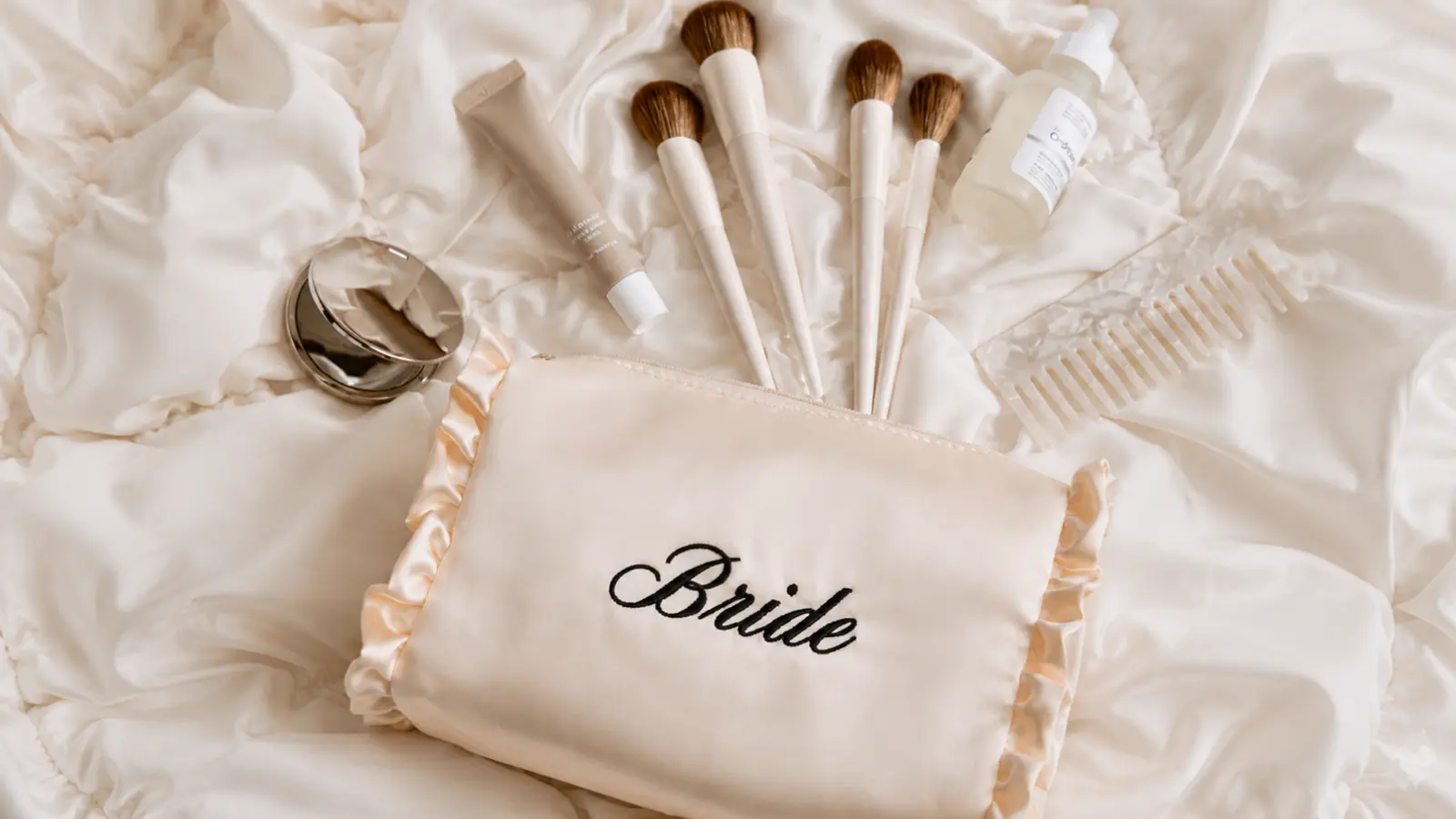
Wedding day nerves are real, and so are blisters, headaches, and the stomach situations that come from not eating enough through a long, emotionally charged day. This is the category most brides skip and most experienced coordinators wish they had not skipped.
Blister pads deserve special emphasis. You are wearing shoes you likely do not wear every day, you are on your feet for several consecutive hours, and the combination produces blisters faster than almost any other situation. The critical detail: get the pads on early, before the blister fully forms, not after it already hurts enough to interrupt the reception. Pack several pairs and put them in the getting-ready bag alongside the shoes, so the reminder is built into the routine.
- Pain reliever — ibuprofen or acetaminophen, or both if different members of the party have preferences
- Blister pads or hydrocolloid gel cushions — pack more than you think you need
- Antacid tablets for heartburn or upset stomach
- Anti-nausea medication, useful for both motion sickness and wedding day nerves
- Antihistamine for seasonal allergies or unexpected reactions
- Bandages in multiple sizes
- Extra pair of underwear
If anyone in the wedding party has a known severe allergy, their epinephrine auto-injector should be on their person — not inside a shared bag across the venue. This is worth confirming before the day, not assuming.
Food, Water, and Energy
Brides consistently underestimate how little they eat on the wedding day. Between nerves, getting ready, photographs, and greeting guests, actual meals get skipped — and by cocktail hour, running on champagne and adrenaline shows up in photos and in how you feel by the reception.
Keep something real in the kit: a protein bar, a small bag of nuts, crackers. The drinking straw is not optional if you are wearing lipstick — drinking from a glass edge will move it within two sips. Electrolyte packets are more effective than plain water alone for replacing what nerves and several hours of activity take out of you.
- Protein bars or a small bag of nuts — something with real sustenance
- Drinking straws to protect lip color
- Electrolyte packets or tablets for hydration support
- Gum or mints for after eating
- A dedicated water bottle — assign one person to refill it consistently throughout the day
Dehydration shows in skin and energy by the time the reception arrives. The refill responsibility should belong to a specific person, not be left to chance.
Phone, Charging, and Technology
A dead phone on your wedding day is a logistics problem that cascades quickly — vendor contacts, the day-of timeline, transportation coordination, and family location tracking all depend on it. This category is small but worth treating as a priority.
- Portable power bank with enough capacity to charge a phone at least twice
- Charging cables for both iPhone and Android — different members of the party will have different phones
- Earbuds or headphones for the getting-ready playlist or quiet moments between events
The charger matters most for the maid of honor and coordinator, who are actively managing the day on their phones. Keep it accessible, not buried at the bottom of the bag.
Ceremony and Reception Backup Items
This category covers the practical, logistical items that do not fit neatly into beauty or wardrobe — and tend to be the ones people remember they needed after the fact.
A printed copy of the wedding day timeline and vendor contact numbers are worth having even if everything is organized digitally. Technology fails. Phones die. Service is spotty in older venues. A folded printout in the kit takes thirty seconds to create and removes an entire category of stress. The same applies to a printed copy of the vows — a physical backup provides a specific kind of reassurance during the ceremony that no phone app can replicate.
- Printed copy of the written vows — for both partners
- Black ink pen for signing the marriage certificate
- Printed wedding day timeline and vendor contact list with phone numbers
- Cash for gratuities and incidentals — plan for tips, then bring a little more
- Lighter — useful for candles, emergency bustle repairs with heat-fusible hem tape, and other situations coordinators encounter regularly
- Spare pair of earrings in case the originals break or get lost
- Small sewing scissors or multi-tool
Even couples who handle everything digitally find that wedding day situations benefit from having cash available. Vendor gratuities, parking, a last-minute convenience purchase — it removes friction at moments when you do not want any.
Weather Emergency Essentials
Outdoor and partially outdoor weddings require a few additions to the standard kit. These are not items for catastrophic weather — if a thunderstorm cancels the ceremony, no emergency kit solves that. These are for the realistic weather situations that show up frequently: an unexpectedly warm afternoon, a breeze that makes a full skirt difficult to manage, soft ground that makes heels sink, or a light rain that arrives fifteen minutes before portraits.
- Compact umbrella — one that folds small enough to fit in the bag but opens to a real canopy
- Lightweight poncho or rain cover if the umbrella feels too bulky
- Sunscreen — SPF 30 or higher, ideally in a formula that does not leave a white cast
- Insect repellent wipes, which are more controlled and less likely to get on fabric than sprays
- Dress weights — small adhesive weights that attach to the interior hem of a skirt and prevent wind from lifting it during outdoor ceremonies and photos
- Heel protectors or heel caps for soft ground, grass, or uneven outdoor surfaces
- Travel-size facial mist for cooling down on warm-weather wedding days
Heel protectors are one of the most overlooked items on any outdoor wedding kit list. They are inexpensive, take up almost no space, and prevent the specific situation no one wants photographed: a heel sinking into the lawn during the processional. If any portion of the day — portraits, cocktail hour, ceremony — takes place on grass or soft ground, include them.
Wedding Party Emergency Kit
The primary wedding emergency kit serves the bride and her immediate circle. But a larger wedding party — particularly a bridal party with six or more people plus groomsmen, parents, and flower girls — benefits from a shared kit that travels with the group throughout the day rather than being stored with the bride’s personal items.
The key principle for a shared wedding party kit is that it should contain only the items that multiple people might realistically need, not duplicates of personal items each person is responsible for themselves. Think of it as the communal supply closet rather than anyone’s individual bag.
Wedding Party Kit: Shared Essentials
- Safety pins in multiple sizes — this is the most-requested shared item
- Mini sewing kit with neutral thread colors
- Stain remover pen — at least two in the shared bag
- Fashion tape — shared use across the party
- Lint roller
- Pain reliever — ibuprofen and acetaminophen
- Bandages and blister pads
- Breath mints and floss
- Antacid and anti-nausea medication
- Hand sanitizer
- Tissues
- Portable charger with multi-device cables
- Cash for shared incidentals
- Compact umbrella
The maid of honor is the natural keeper of the shared kit. For larger wedding parties, a second designated person — typically the best man’s partner or a reliable family member — can carry a secondary version on the groom’s side, which covers the groomsmen without requiring them to cross the venue every time something comes up. For the groom’s specific kit, the groom’s emergency kit guide covers what works on the men’s side.
Wedding Planner and Coordinator Essentials
A wedding planner or day-of coordinator carries a professional kit that is fundamentally different from the bride’s personal emergency bag. Where the personal kit focuses on beauty, wardrobe, and individual comfort, the coordinator’s kit is built around solving problems for every person at the wedding — including ones no one anticipated.
If you have a coordinator, her kit is already substantially more comprehensive than anything you would put together yourself. The items below represent what distinguishes a true professional kit from a well-assembled personal one. Understanding what coordinators carry is also useful if you do not have one — it helps identify the gaps in a personal kit when there is no professional safety net on site.
- Steamer — for last-minute dress and suit wrinkles
- Crochet hook — an essential tool for fastening the small loops on a wedding dress with many buttons
- Floral wire and floral tape — for quick centerpiece or bouquet repairs
- Utility knife — for opening décor boxes without damaging nails or hands
- Goo Gone wipes — for label residue left on décor items
- Glass cleaner wipes — for smudged signage, mirrors, and glass table numbers
- Lighter and candles — coordinators are almost always the ones who know where the backup candles are
- Extension cord and power strip — outlet placement in older venues is rarely convenient
- Permanent marker and blank cards — for last-minute place card corrections or seating changes
The second half of a coordinator’s kit crosses into general problem-solving territory — the items no one thinks to bring but everyone ends up needing.
- Zip ties and rubber bands in various sizes
- Double-sided tape in multiple widths
- Tide to Go pen — multiple
- Scissors, both craft and fabric
- Mini first aid kit
- Non-drowsy allergy medication — guests and vendors are frequent recipients
- Pepto-Bismol and Tums — wedding day nerves affect the entire wedding party, not just the couple
If you are working with a coordinator, share your personal kit list with her before the day so there is no duplication of items and no gaps in coverage. Her kit and yours should complement each other, not replicate the same items twice. For a full breakdown of the professional coordinator kit, the wedding planner emergency kit guide covers everything in detail.
Destination Wedding Emergency Kit
Destination weddings add a layer of logistical complexity that local weddings do not require. The core kit stays the same, but the key difference is this: at a local wedding, you can send someone to CVS in twenty minutes. At a destination wedding in a coastal resort town or a rural venue abroad, a forgotten item may simply stay forgotten. Pack what is irreplaceable, not just what is convenient.
- All prescription medications in their original containers, with a written prescription as backup
- Travel-size versions of any skincare or beauty products you use consistently — do not assume local stores will carry your specific brands
- Universal power adapter if the destination uses different outlet standards
- Copies of all travel documents — passports, visas, travel insurance, and hotel confirmation — stored separately from the originals
- Local emergency contact numbers, including the nearest hospital, pharmacy, and the wedding venue’s emergency line
- Any over-the-counter medications you rely on — allergy medication, stomach remedies, pain reliever in the formulations you trust
- Insect repellent appropriate for the destination’s climate
- Sunscreen rated for the destination’s UV levels — tropical and coastal locations require higher SPF than most couples pack
- Currency in the local denomination for any cash needs that arise
For destination weddings specifically, pack the emergency kit in carry-on luggage rather than checked bags. If checked bags are delayed or lost — which happens with enough frequency to plan for — having the kit accessible on arrival means one less potential problem on a day when you do not need extra ones.
How to Organize the Kit
The most comprehensive kit in the world is not useful if it takes three minutes to find the stain remover pen while someone is standing there with a wine spill on their dress. Organization matters as much as the contents.
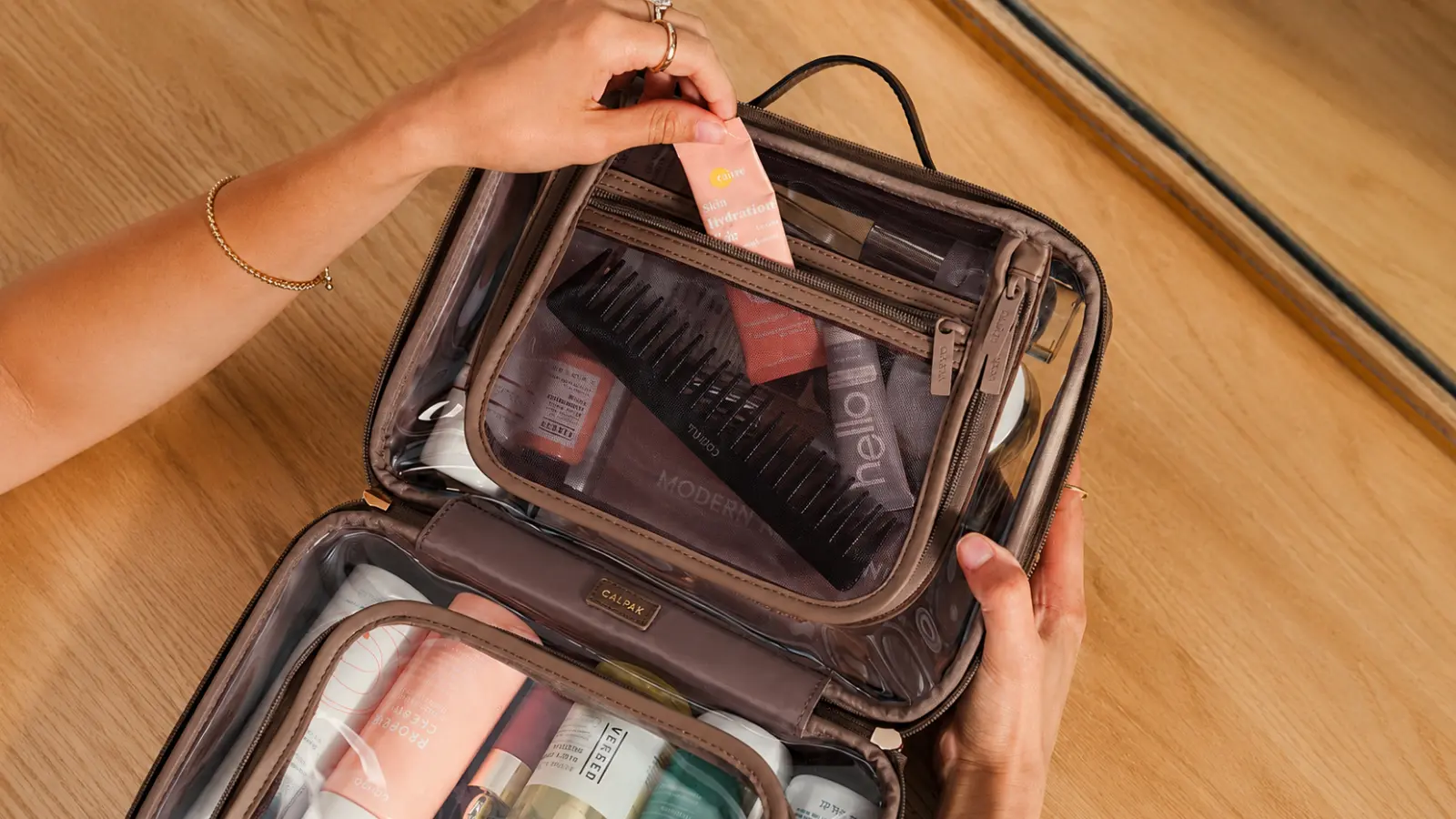
A large makeup bag or toiletry organizer with multiple compartments is the right container. Clear pouches work particularly well — the contents are visible at a glance without rearranging anything. Coordinate by category: one pouch for clothing fixes, one for beauty and hair, one for wellness, one for logistics. Label them if the visual categories are not self-explanatory to whoever is holding the bag.
- Group by category and keep the most-used items in the most accessible section
- Pack two of anything small and likely to be used more than once — stain remover pens and safety pins especially
- Walk through the bag with whoever is keeping it before the wedding day
- Move the bag with the group at each stage: getting ready, ceremony, cocktail hour, reception
Assemble the kit two to three weeks out. That gives you time to notice anything missing without the compressed stress of the final week. Review it the night before, hand it off on the morning of, and leave the rest to the keeper.
What to Pack in a Small Emergency Bag
Not every situation calls for the full kit. The bride’s personal clutch is a first-access layer — the full kit stays with the maid of honor or coordinator, and the clutch holds the handful of items the bride herself might reach for between dances, during portraits, or at the dinner table. The goal is to keep it light enough to carry without thinking about it, while covering the small, immediate things that come up between scenes.
- Lip color in the exact shade
- Blotting papers
- Breath mints
- A few safety pins
- One stain remover wipe
- Tissues
- Blister pad or two
- Phone and small amount of cash
Keep it light enough that carrying it through the reception does not become its own inconvenience. Everything else lives in the larger bag.
Wedding Emergency Kit Mistakes to Avoid
A few patterns show up repeatedly in how emergency kits are assembled and managed — not major oversights, but practical details that make the difference between a kit that works and one that is theoretically complete but not particularly useful.
Packing it the morning of. The week of the wedding is not the time to be running to a store at midnight for a lint roller. Assemble the kit two to three weeks out, review the night before, and leave the morning of for actually getting married.
Building a kit for every possible scenario. A kit that covers wardrobe fixes, basic beauty touch-ups, foot relief, personal care, and logistics handles roughly ninety percent of what actually happens on wedding days. Everything beyond that is diminishing returns and additional weight.
Not designating a keeper before the day. “Whoever has the bag” is not a plan. One specific person should hold the kit and know where it lives at every stage of the day — communicated before the wedding morning, not improvised during it.
Leaving the kit in the bridal suite during the reception. The bag needs to travel with the party. An emergency at the reception is not solved by a kit still sitting in the getting-ready room across the venue.
Skipping the foot relief section. Blister pads and backup shoes seem optional until hour five of a reception. This is the most consistently overlooked category and one of the most appreciated when it is included.
Forgetting the logistics items. Printed vendor contacts, a timeline, cash for tips, and a pen for signing the marriage certificate are not glamorous — but they handle a category of problems that no beauty product can solve, and they are easy to skip because they fall outside the typical wardrobe-and-beauty framing of most kit lists.
Preparation Creates Peace of Mind
A wedding emergency kit isn’t about expecting something to go wrong—it’s about giving yourself the freedom to enjoy the day knowing you’re prepared for the small things that almost every wedding experiences. Most issues that arise aren’t true emergencies at all; they’re simple inconveniences that become easy to solve when the right supplies are within reach.
Whether you’re putting together a basic bridal bag or a complete kit for the entire wedding party, thoughtful preparation allows everyone to stay focused on what truly matters. A few carefully chosen items can prevent unnecessary stress, keep the timeline moving smoothly, and help you enjoy every moment with confidence from getting ready until the last dance.
Frequently asked questions (FAQ)
How do you build a wedding emergency kit?
Start by thinking about the small problems that are most likely to happen during your wedding day rather than trying to prepare for every possible situation. Build your kit around five essential categories: clothing repairs, beauty touch-ups, personal care, basic wellness, and logistics. Once those basics are covered, customize the contents based on your venue, weather, travel plans, and any personal needs. A well-organized kit is usually more valuable than simply carrying more items.
What should be in a wedding emergency kit?
A complete wedding emergency kit should include safety pins, a mini sewing kit, fashion tape, a stain remover pen, blotting papers, lip color, bobby pins, hairspray, deodorant, breath mints, pain reliever, blister pads, bandages, a portable charger, charging cables, printed vendor contacts, cash for tips, water, snacks, and backup shoes or foldable flats. The exact contents should reflect your wedding style and location rather than following a generic checklist.
Who should carry the wedding emergency kit?
The maid of honor is usually the best person to carry the wedding emergency kit because she stays close to the bride throughout the day. If you have a wedding planner or day-of coordinator, they can also manage the kit alongside their own professional supplies. Whoever carries it should know where it is at every stage of the wedding and understand what each section contains.
When should you pack your wedding emergency kit?
Pack your wedding emergency kit about two to three weeks before the wedding. This gives you enough time to notice missing items, replace anything that has expired, and avoid adding another task to the already busy final week. Review the kit the night before the wedding and hand it to its designated keeper on the wedding morning.
Should you buy a pre-made wedding emergency kit or make your own?
Both options work well, but they serve different needs. Pre-made kits save time and usually include the essentials, making them a good starting point. A DIY kit offers more flexibility because you can include your own makeup shades, medications, skincare products, and venue-specific supplies. Many couples find the best solution is starting with a pre-made kit and customizing it afterward.
Do outdoor and destination weddings need different emergency kits?
Yes. Outdoor weddings benefit from sunscreen, insect repellent, heel protectors, dress weights, umbrellas, and cooling items for warm weather. Destination weddings require additional travel planning, including prescription medications, travel documents, power adapters, local emergency contacts, and any products that may be difficult to replace after arrival. Packing the emergency kit in carry-on luggage is one of the safest choices for destination celebrations.