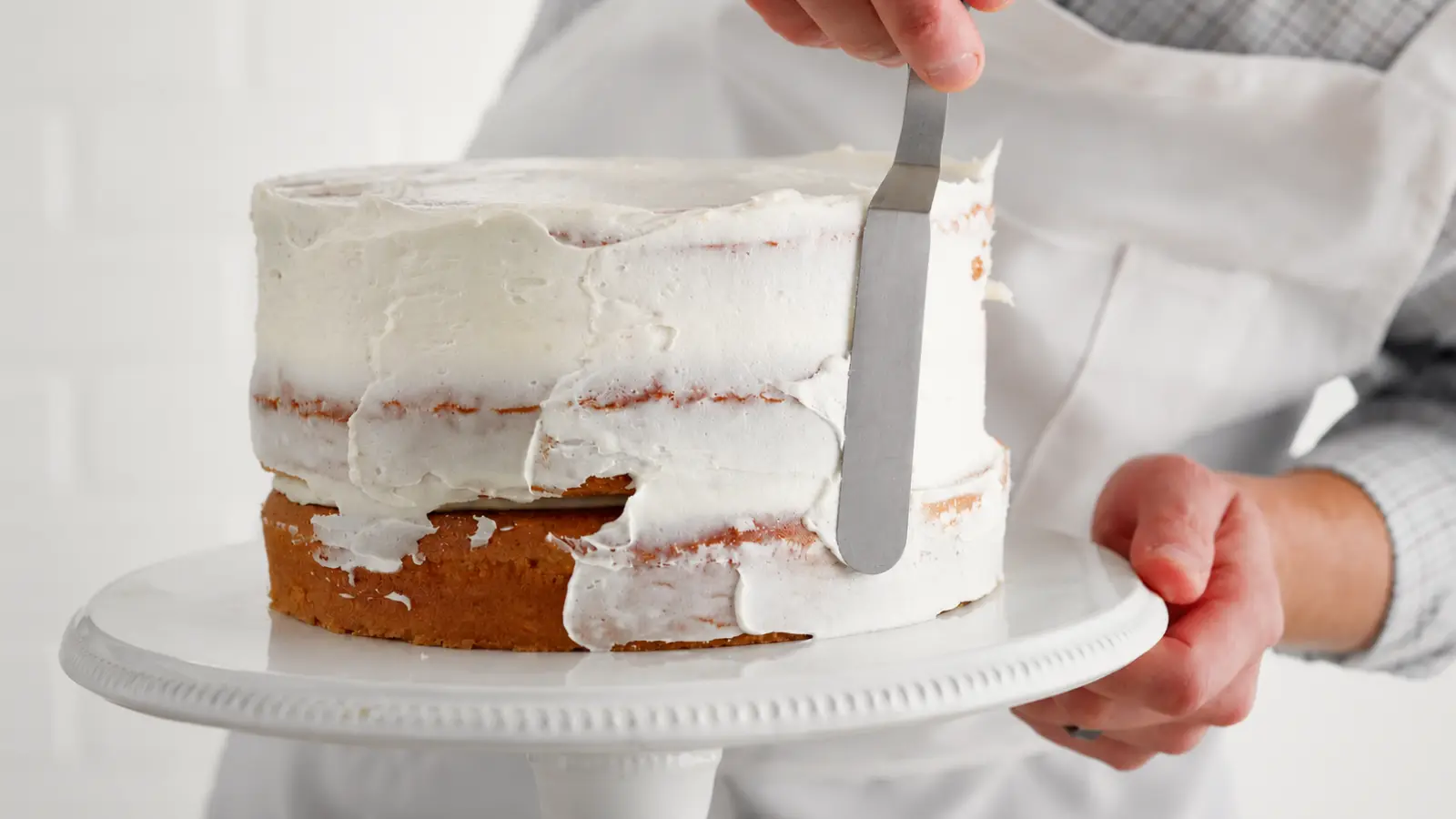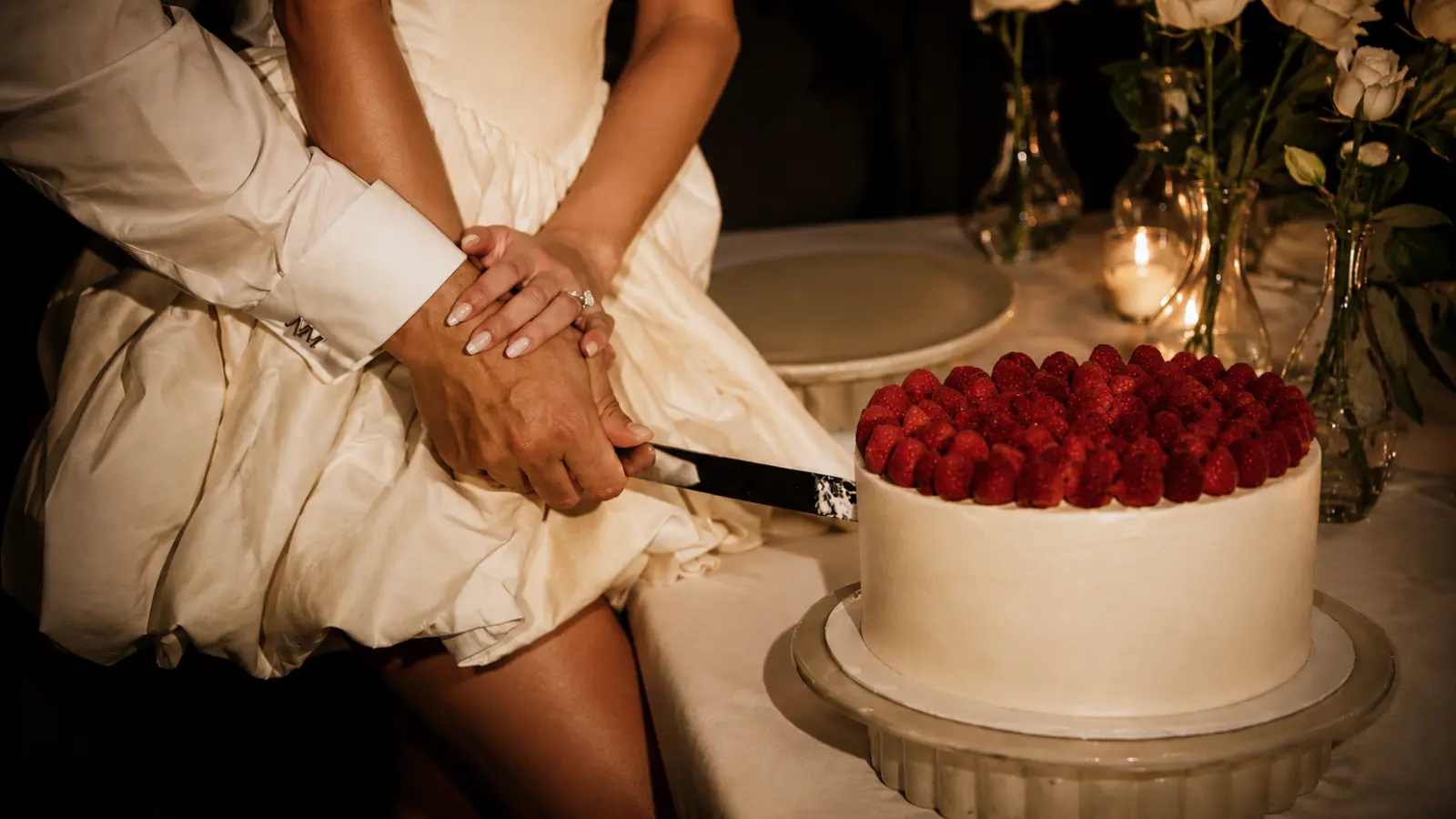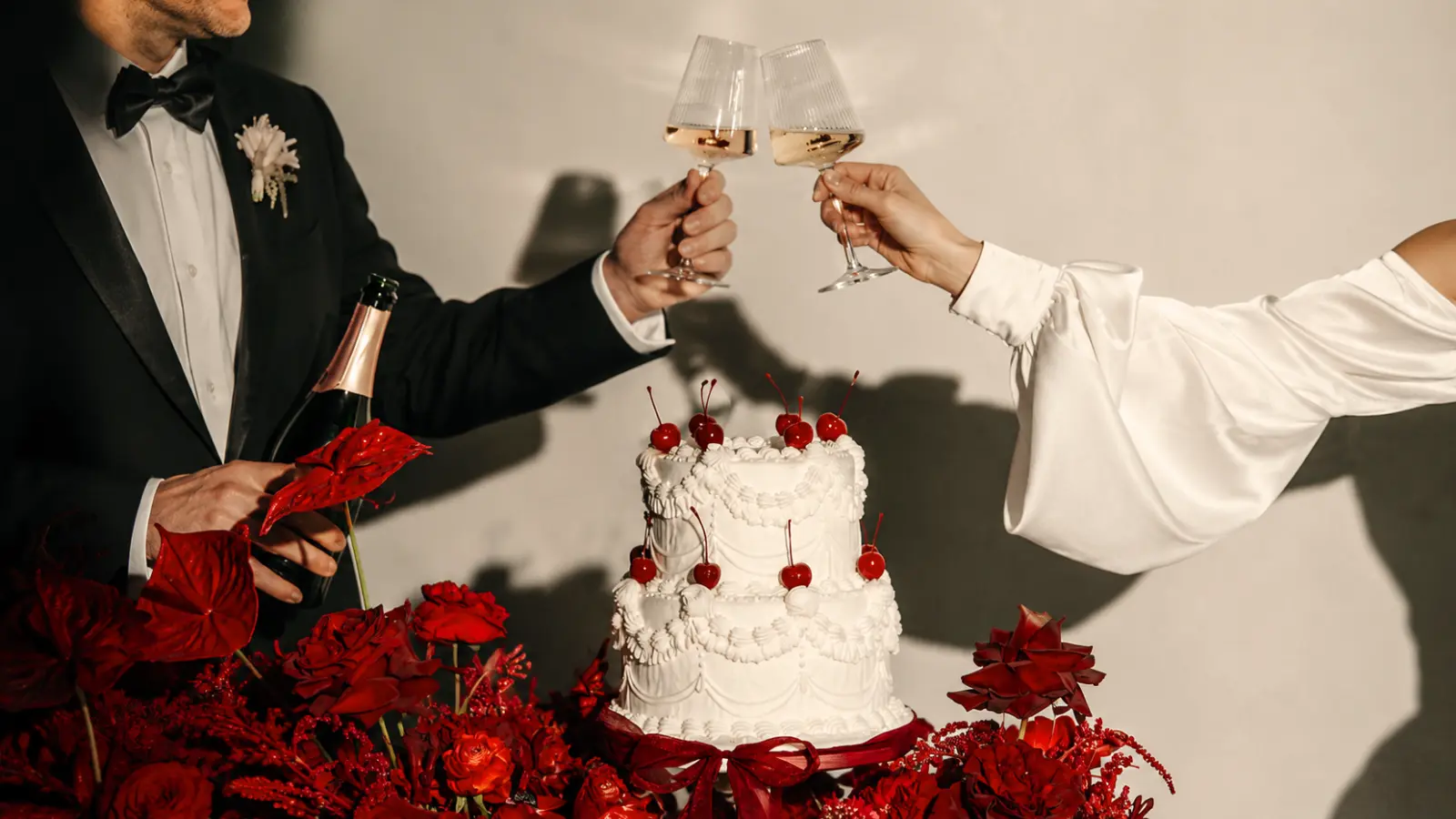
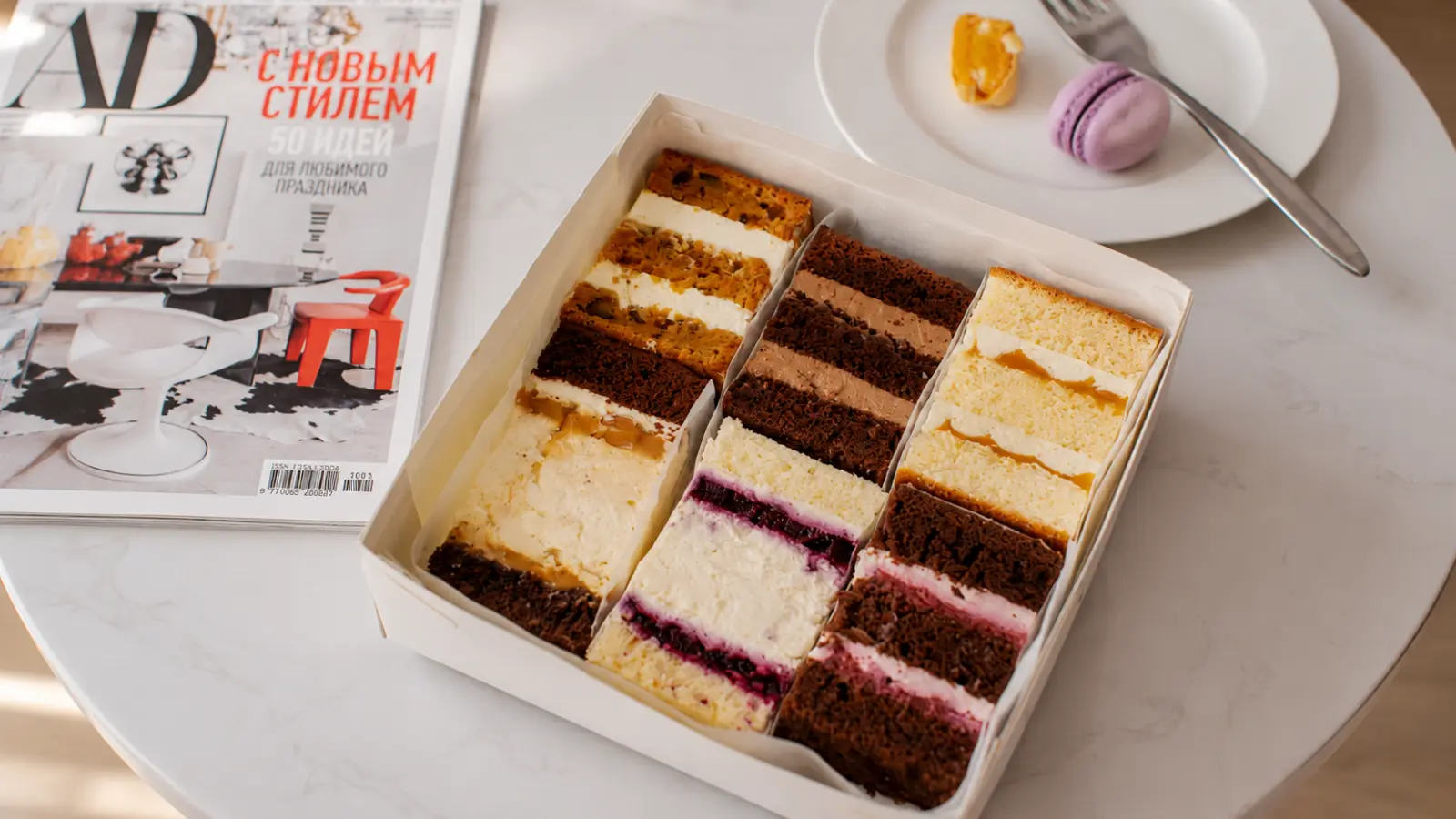
Wedding cake tasting is an appointment where couples sample cake flavors, fillings, and frostings while discussing design, pricing, serving sizes, and wedding day logistics with a baker. It is not only about choosing the best flavor — it is the moment when couples decide whether a baker can create a cake that matches their taste, style, budget, and event needs.
One common mistake couples make during a wedding cake tasting is treating it only as a fun dessert appointment. While tasting samples is part of the experience, the most important decisions often happen during the conversation. Questions about delivery, structure, ingredients, pricing, customization, and backup plans can make the difference between a cake that tastes good during the appointment and a cake that works well on the wedding day.
In this guide, you’ll learn what happens at a wedding cake tasting, when to schedule your appointment, which questions to ask your baker, what to bring with you, how tasting boxes work, how to compare flavors and fillings, and how to make a final cake decision with confidence.
What Is a Wedding Cake Tasting?
A wedding cake tasting is an appointment with a cake baker or pastry studio where you sample a selection of cake flavors, fillings, and frostings before placing your order. It is typically one of the more enjoyable vendor appointments in the wedding planning process — but it is also a working meeting where couples make important decisions about their wedding cakes, not just a dessert experience.
The tasting serves three purposes. First, it lets you evaluate the baker’s skill through their product directly — no amount of portfolio photography tells you whether the cake actually tastes as good as it looks. Second, it gives you a framework for making flavor decisions that many couples genuinely struggle with when they have never had to think about cake flavor combinations in any structured way. Third, it is the opportunity to understand how to choose a wedding cake baker you can trust and work with — whether they communicate clearly, whether they understand your vision, and whether you trust them with something that will appear in reception photographs, guest memories, and the first slice you cut together.
What a wedding cake tasting is not: a commitment. You are not obligated to book with any baker because you attended a tasting. Many couples visit two or three bakeries before making a decision. Many wedding cake studios expect this. Going to multiple tastings is not rude — it is the same due diligence you apply to every other major vendor.
The difference between a cake tasting and a cake consultation
Some bakeries separate these into two appointments. A consultation is the design conversation — discussing your vision, seeing the portfolio, talking about style and sizing and logistics. A tasting is the product sampling. Many studios combine both into a single appointment, which is efficient and common. Some higher-end cake studios do the consultation first and the tasting second, once they have a clearer sense of your aesthetic direction and can tailor the samples accordingly. When you book, ask specifically what the appointment will include so you arrive prepared for both conversations.
When Should You Schedule Your Cake Tasting?
The answer depends almost entirely on when your wedding is and how popular your target baker tends to be. Wedding cake bakers — particularly the ones whose work appears in the publications and Instagram feeds that most couples are drawing inspiration from — book out fast. In many markets, popular wedding cake bakers book far in advance, especially for peak wedding dates. If you have your venue and your date locked, starting the cake search early is not excessive. It is strategic.
The general timeline
9–12 months before the wedding is a strong window for couples getting married during a popular wedding season. This gives you access to the most sought-after bakers before they fill their calendar, time to visit multiple studios if the first one is not the right fit, and enough runway between booking and the wedding that design changes or adjustments are easy to accommodate.
6–9 months before is workable for many bakers and markets. You may find that your top choice is already booked for your date, but there will still often be strong options available, especially for less competitive wedding dates.
4–6 months before is where things start to tighten. Many quality bakers will still have your date available, but the full menu of options will be narrower. This is also the point at which you should be more decisive after the tasting — extended deliberation at four months out, with multiple bakeries, creates scheduling risk.
Less than 3 months before is late, and your choices will reflect that. Not impossible — some excellent bakers have cancellations, and bakeries that specialize in smaller or simpler designs may have availability — but the field of options will be significantly smaller than it would have been at nine months.
When to book immediately after tasting
If you visit a baker who is clearly talented, communicates well, understands your vision, and whose pricing fits your budget, be prepared to book soon after the appointment. Wedding cake bakers do not hold dates speculatively. Waiting too long can create availability risk, especially during popular wedding seasons. If you are confident, commit.
What Happens at a Wedding Cake Tasting?
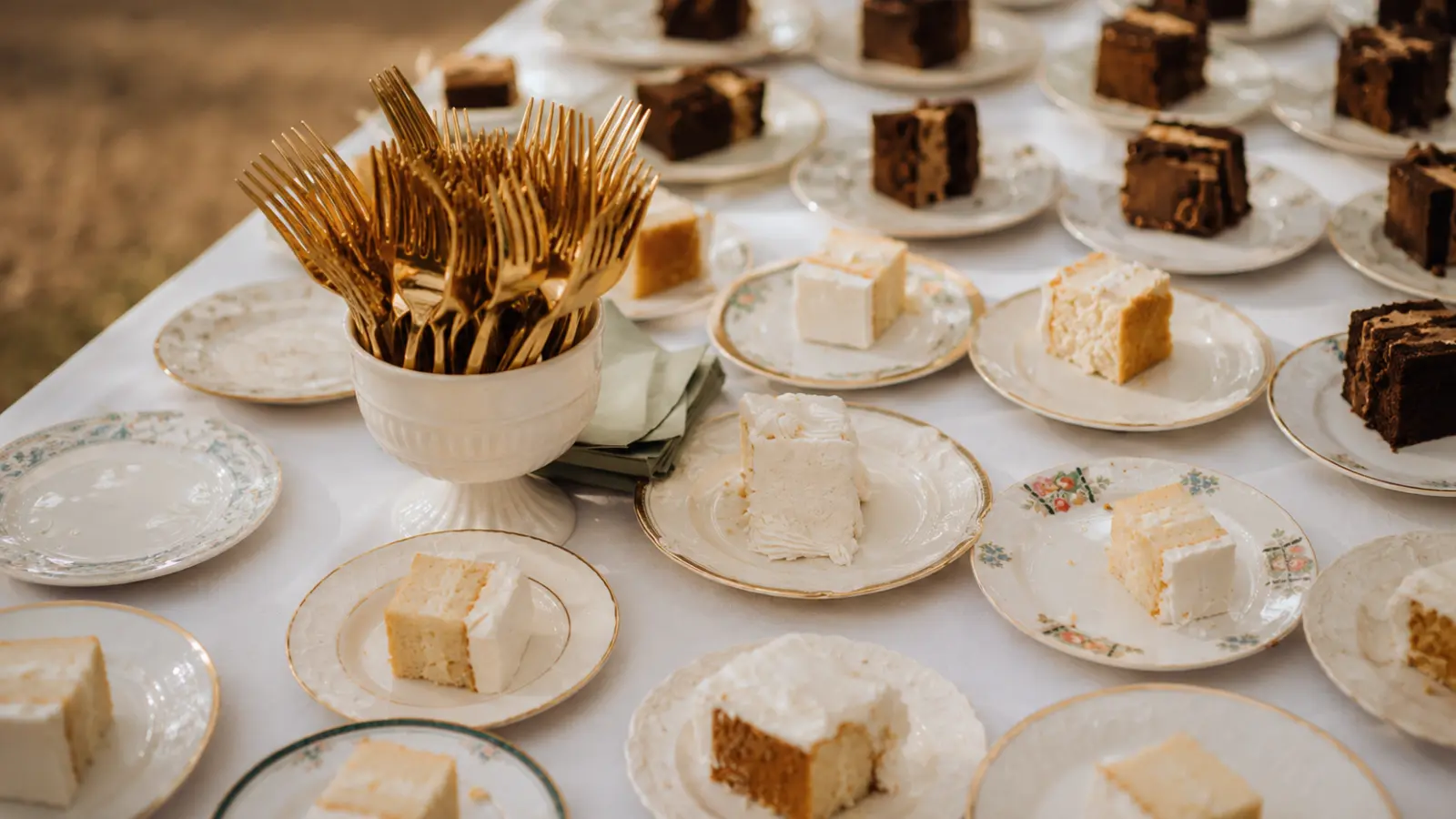
Most wedding cake tasting appointments follow a similar structure, though the details vary by studio. Knowing what to expect beforehand means you spend less time orienting yourself and more time actually gathering the information you need.
Before you arrive
Most bakeries ask you to fill out a brief intake form when you book — your wedding date, guest count, aesthetic direction, any flavor preferences or dietary restrictions. Some will ask you to share inspiration images. This information shapes what they prepare for the tasting. Filling it out thoroughly rather than leaving fields blank means the samples you taste will be more targeted to what you actually want, and the conversation about design will start from a more useful place.
The tasting itself
You will typically sample several wedding cake flavors and filling combinations, presented as small slices or bite-sized portions. Most studios pair each sample with water or a palate cleanser so the previous flavor does not distort your impression of the next. The samples are usually labeled — either on the plate or on a card — with the cake flavor, the filling, and the frosting or buttercream type.
What you are evaluating: the moisture and density of the cake itself, the balance between cake and filling flavors, the sweetness level of the frosting (buttercream sweetness varies significantly between bakers and recipes), the quality of ingredients, and whether the combination as a whole is something you would genuinely want to eat a full slice of at your wedding — not just a polite bite at a tasting.
Many couples don’t realize that the frosting evaluation is as important as the cake and filling. A buttercream that feels too sweet in a small sample may feel even heavier in a full slice, regardless of how beautiful the cake looks. Ask the baker about their buttercream recipe — Swiss meringue, Italian meringue, American, ermine — and taste it with that context.
The design conversation
After or alongside the tasting, most bakers will walk through design options — tiers, shapes, buttercream vs fondant choices, colors, and decorative elements. Bring your inspiration images to this part of the conversation. The best outcome of this discussion is not a final design decision made at the appointment — it is a clear mutual understanding of the direction, so the baker can follow up with a formal proposal or quote that reflects what was discussed.
Pricing and next steps
Most bakers will discuss wedding cake cost during the tasting appointment or follow up with a written quote within a few days. Get the quote in writing before you make any decisions. The quote should specify: price per serving or total price, what is included in the design scope, delivery and setup fees, and the deposit and payment schedule. If any of these are absent from the quote, ask for them before signing anything.
Questions to Ask Your Baker
The questions you ask at a wedding cake tasting determine the quality of information you have when you make your decision. Most couples ask about flavor and price. The couples who end up genuinely satisfied with their wedding cake tend to ask about logistics and process just as carefully — because a cake that tastes perfect but arrives late, or sweats in a reception hall that was not accounted for, or runs short because the serving size was estimated incorrectly, is not actually a success.
These are the questions worth asking — organized by category so you can work through them systematically without the appointment feeling like an interrogation.
About the product
- What type of buttercream do you use? Swiss meringue, Italian meringue, and American buttercream taste significantly different — know what you are committing to.
- Are the cakes made fresh or frozen? A baker who makes cakes fresh to order will produce a different product than one who bakes and freezes in advance. Neither is automatically wrong — some excellent bakers use a partial freeze for structural reasons — but know what you are getting.
- What ingredients do you use? Real butter, real vanilla, high-quality chocolate — ingredient quality shows in the final product. If a price quote seems unusually low, ingredient quality is often why.
- Can you accommodate dietary restrictions? Gluten-free, nut-free, dairy-free, egg-free — if any guests have dietary needs, ask whether the baker can accommodate a separate small cake or cupcake tier for them, and whether cross-contamination is a concern in their kitchen.
- How do you handle a cake with multiple tiers in different flavors? Some bakers label each tier; others prefer one flavor throughout for logistical simplicity. If you want different flavors per tier, confirm this is something they do and ask how the cutting and serving is coordinated.
About logistics
- Do you deliver and set up, or do we arrange pickup? For a tiered cake, delivery and on-site setup is strongly preferable. A three-tier wedding cake assembled on-site by an experienced baker is structurally more reliable than one transported fully assembled.
- Have you delivered to our venue before? A baker familiar with your venue knows its loading dock, its elevator situation, its setup space, and its temperature conditions. A baker who has never worked at a venue is not a dealbreaker, but it is worth discussing.
- What time do you deliver relative to the reception start? The cake should arrive with enough buffer time that any on-site assembly or touch-up can happen without rushing. The delivery window should give the baker enough time for setup, touch-ups, and any on-site assembly while still fitting within the venue’s vendor access schedule.
- How does the cake travel? Is it refrigerated? Buttercream cakes, particularly in warm weather, need climate-controlled transport. Ask specifically how the cake is transported and what their protocol is for warm or humid conditions.
- What is your backup plan if something goes wrong with delivery? Vans break down. Things happen. A professional baker has a contingency — whether that is a second vehicle, a local colleague they can call, or a repair kit for on-site touch-ups. Ask directly and see if the answer is confident.
About design and customization
- How closely can you replicate a reference image I bring? Some bakers specialize in a specific aesthetic and will tell you honestly whether a reference image is within their style. This is useful information — a baker who overpromises and underdelivers on a design is worse than one who is honest about what they do best.
- Do you use sugar flowers, fresh flowers, or both? If you love floral wedding cakes with fresh flowers, confirm whether the florist or the baker is responsible for placing them safely — and confirm that the flowers being used are food-safe. Some flowers are not.
- What is included in your base price, and what is an additional cost? Sugar flowers, wedding cake toppers, hand-painted details, and complex structural elements often have add-on costs that are not included in the base per-serving price. Get the full picture before comparing quotes from different bakers.
- How many design revisions are included in the process? Most bakers will send a design sketch or rendering before they begin. Ask how many rounds of revision are included and what the process is if you want to make significant changes after the design is finalized.
About the contract and payment
- What is your cancellation and rescheduling policy? Life happens. Know what the financial exposure is if your wedding date changes or if you need to cancel entirely — and what “cancel” means in terms of deposit recovery at various points in the timeline.
- What happens if you are unavailable on my wedding date? Illness, family emergency, other unforeseen circumstances — ask whether there is a backup baker or a protocol for this scenario, and what your recourse is if the cake cannot be delivered as contracted.
- When is the final guest count due? Most bakers need a confirmed guest count two to four weeks before the wedding to finalize portions. Know this deadline and put it in your wedding planning calendar.
- What is the payment schedule? Many bakers require a deposit at booking, with the remaining balance due closer to the wedding date. Avoid any arrangement that asks for full payment many months in advance with no clear cancellation protection.
Wedding Cake Tasting Box vs. In-Person Tasting
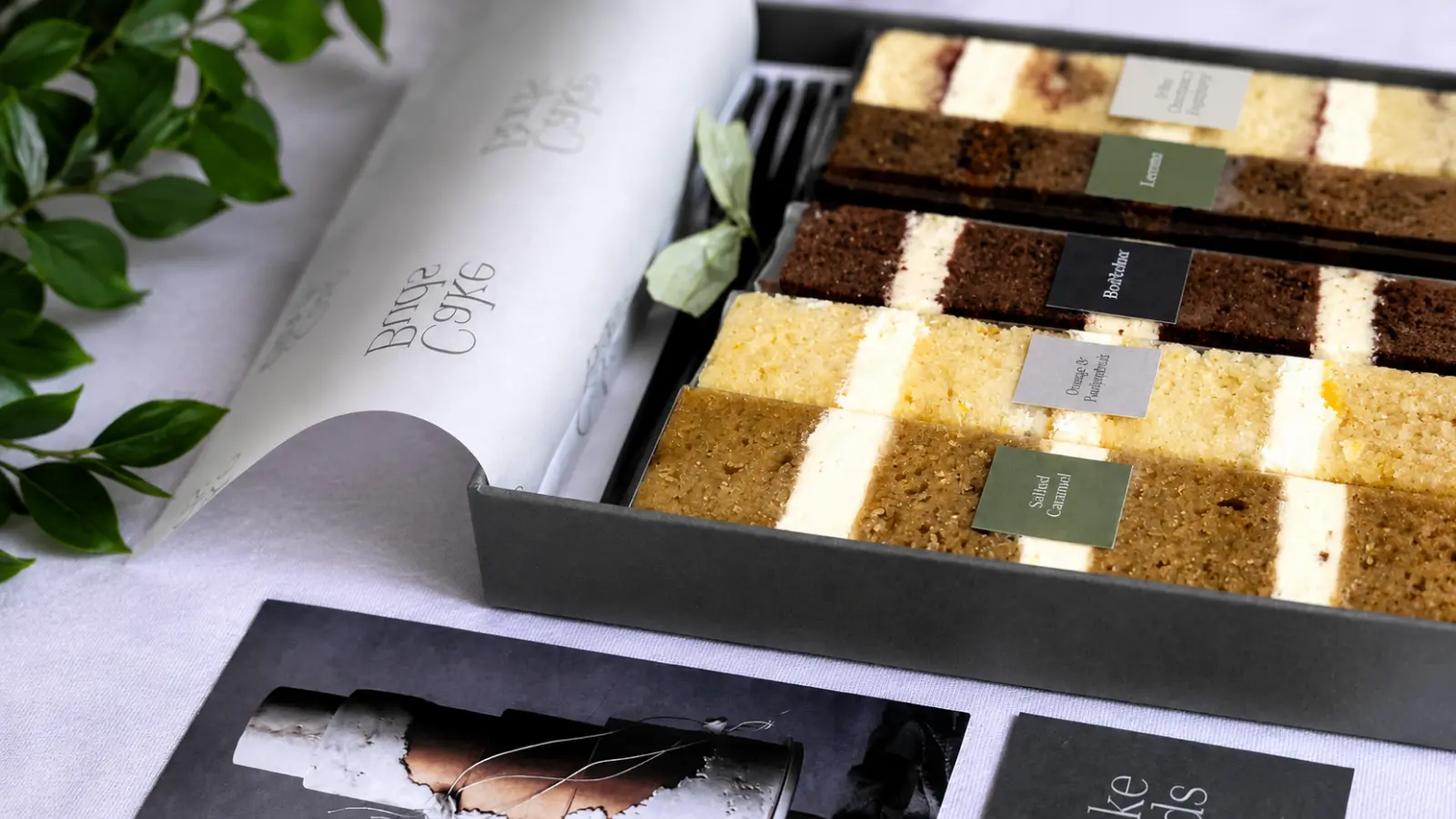
The at-home wedding cake tasting box has become a genuine option at many quality bakeries. The concept is straightforward: the baker prepares a curated selection of cake and filling combinations, packages them for shipping or local pickup, and the couple tastes at home on their own schedule. For some couples, this is a genuine improvement over the traditional in-person model. For others, it misses the point of what a tasting appointment is actually for.
When a tasting box makes sense
Destination weddings: If you are getting married in Tuscany and interviewing a cake baker in Florence while you live in Chicago, an in-person tasting is logistically unrealistic. Many destination wedding cake bakers have adapted to working with couples remotely — including sending or preparing tasting samples — precisely because their client base is geographically distributed.
Couples who have already narrowed their choice: If you visited two bakers in person, preferred one clearly, and the remaining question is which specific flavor combination to order — an at-home sampler from that baker answers the question efficiently. You do not need to make another appointment for a decision you have mostly already made.
Scheduling constraints: Wedding planning involves coordinating two people’s schedules around vendor appointments that often happen during business hours. An at-home tasting box eliminates the scheduling friction and lets you taste on an evening that works for both of you.
Social anxiety or decision pressure: Some couples find in-person tasting appointments stressful — the implicit pressure to make decisions on the spot, the presence of a vendor watching you evaluate their product, the difficulty of expressing a negative reaction diplomatically. An at-home box removes all of that. You can taste, discuss, sleep on it, and come back to the flavor question fresh.
What a tasting box cannot replace
The design conversation does not happen in a box. The assessment of whether you trust this baker, whether they communicate well, whether they understand your vision — none of that is available through a sampler. If you are using a tasting box as your primary vetting tool for a baker you have never spoken with, you are evaluating the product while skipping the relationship, and the relationship matters for a vendor you are trusting with something this visible and this significant.
Temperature and freshness also matter. A cake sample that has been in transit for two days, even well-packed, will not taste identical to one that was made that morning. Most professional bakers know how to pack samples to minimize this effect — but it is worth factoring in when you evaluate a tasting box that arrived slightly chilled or slightly past its freshness window.
How to order a wedding cake tasting box
Most bakeries that offer tasting boxes list them on their website or social media. Pricing varies by bakery, sampler size, and whether the cost is credited toward your final order if you book. For local pickup options, many bakeries allow you to order a tasting box without a formal appointment. For shipped boxes, order early enough that they arrive two to three days before your planned tasting evening — and taste them within 24 hours of arrival for the best flavor assessment.
When you receive the box: take the cake out of refrigeration 20 to 30 minutes before tasting, if it was shipped cold. Cold cake — like cold butter — mutes flavor. Tasting at room temperature gives you the most accurate read on what the flavor combination actually tastes like, which is what you want before committing to it for 150 guests.
How to Choose Flavors After Tasting
The flavor decision is where most couples stall. You have tasted six or eight combinations, you liked several of them, your partner has a slight preference for one and you have a slight preference for another, and you are both aware that you are about to commit a flavor to several hundred servings of cake for a room full of people with varying tastes. The pressure is real even when it probably should not be.
A framework that works: evaluate each combination against three criteria — how much you love it, how well it will work for your guest list, and how it fits the season and aesthetic of your wedding. You do not need to optimize all three equally. But thinking through all three helps break the tie when two combinations feel equivalent on pure taste alone.
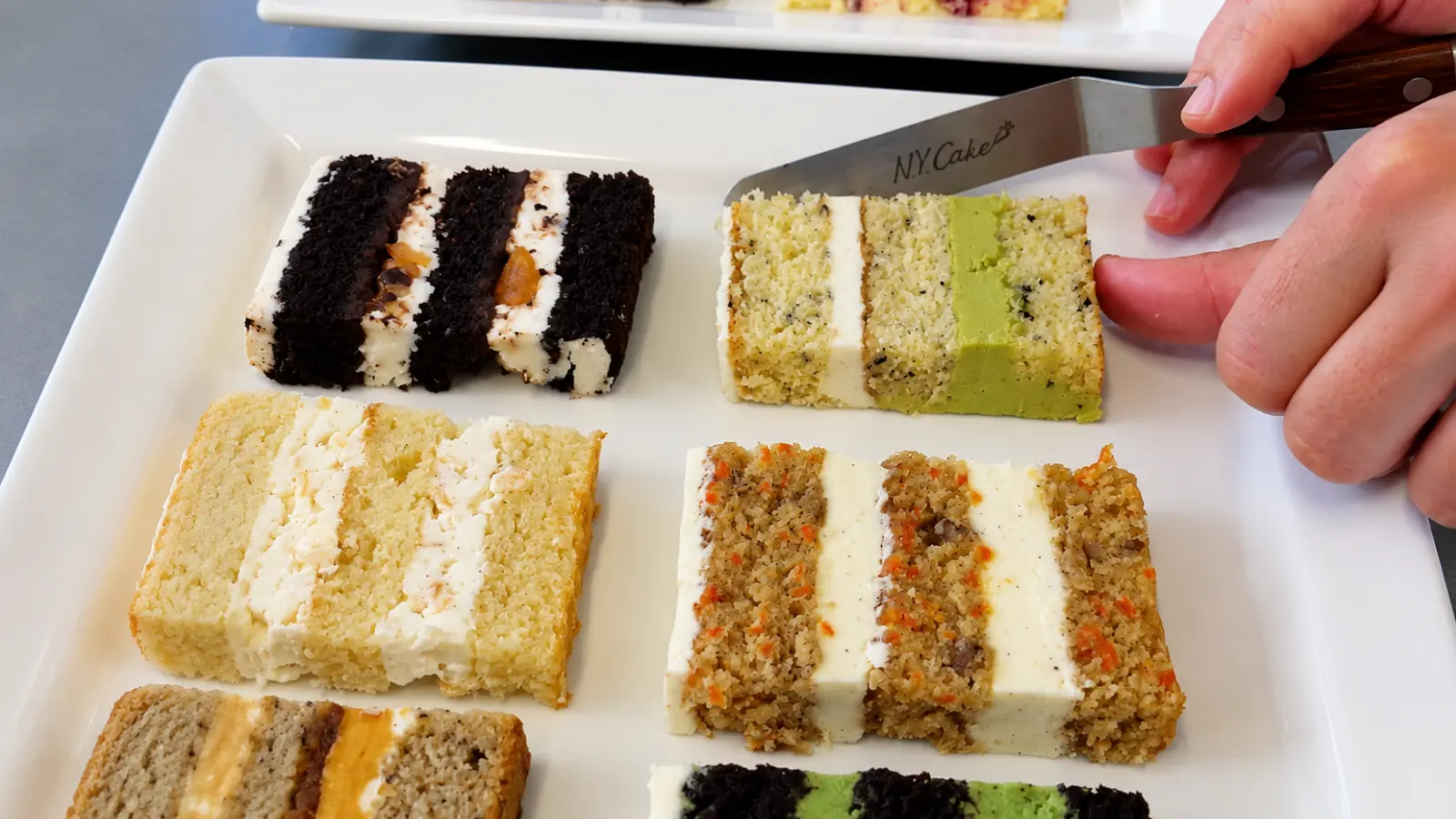
The most popular wedding cake flavor combinations — and what they actually taste like
Vanilla bean cake with lemon curd filling and vanilla buttercream: One of the most widely appealing flavor combinations at American weddings. The vanilla reads as white or off-white in the cake, which satisfies couples who want the visual of a traditional white wedding cake. The lemon curd adds brightness and acidity that makes the overall combination more interesting than a straight vanilla cake without being polarizing. Very few guests actively dislike lemon. The vanilla buttercream keeps the exterior neutral. If you are genuinely uncertain what to choose and want something familiar with a little brightness, this combination is a strong option.
Champagne cake with raspberry filling and Swiss meringue buttercream: A sophisticated step up from vanilla-lemon. The champagne cake has a subtle complexity that vanilla does not, and the raspberry filling is more assertive than lemon curd — it has color (which will show in the cut), flavor, and a slight tartness that balances the sweetness of the buttercream effectively. Popular choice for receptions with a more elevated or romantic aesthetic.
Chocolate cake with salted caramel or ganache filling: For couples who are not interested in the white-cake visual convention, chocolate is genuinely delicious and broadly popular across guest demographics. Salted caramel filling remains a strong wedding cake filling because the salt-sweet balance works especially well with both dark and milk chocolate bases. The visual consideration: a chocolate cake will not photograph as a white cake, which matters if the cut-cake photo is important to you.
Almond cake with apricot or amaretto filling: Consistently underordered relative to how much people enjoy it at weddings. Almond has a distinctive, slightly floral flavor that reads as elegant rather than sweet, and the apricot or amaretto filling complement it with a warmth that vanilla and lemon combinations do not have. If you taste this at a tasting and genuinely love it, trust that response — do not default to vanilla lemon because it is safer. You will eat it too.
Red velvet with cream cheese frosting: A strong choice if your wedding has a more rustic, Southern, or informal aesthetic. Cream cheese frosting is more tangy than buttercream and more prone to temperature sensitivity — confirm with your baker how they handle this in a warm reception setting. Red velvet photographs dramatically when cut. For a winter wedding or a more casual outdoor celebration, it is a genuinely distinctive and crowd-pleasing option.
Carrot cake with brown butter cream cheese: Increasingly popular for outdoor, garden, or fall weddings. The warmth of carrot and spice aligns naturally with autumn and early winter aesthetics. Not the right choice for every wedding, but for the right one — particularly a farm, barn, or vineyard setting — it is memorable and genuinely different from what guests expect.
Handling different tiers in different flavors
Many couples choose to do multiple flavors across tiers — vanilla on the top, chocolate on the bottom, for example — to give guests options and to satisfy a couple whose preferences diverge. This works, but it requires coordination: servers need to know which tier is which flavor, the cutting needs to be managed so portions are distributed across flavors rather than one tier running out before the other, and some bakers charge an additional fee for multi-flavor orders. Discuss this explicitly if it is your plan.
A practical note on tier sizing: the top tier is traditionally saved by the couple, which means guests are not served from it. This affects how you allocate flavors — the top tier choice is for the couple, not the guest count.
A Guide to Fillings and Frostings
Most couples spend a lot of time thinking about cake flavor and less time thinking about filling and frosting — which is backward, because the filling is what you taste most in each bite and the frosting is what determines the overall sweetness level of the cake. Understanding what is available, and how different combinations interact, gives you a much stronger framework for evaluating your tasting samples than “I liked this one.”
Fillings — what they do and which are most popular
Fruit curds (lemon, passion fruit, orange): Bright, acidic, and light. They cut through buttercream sweetness effectively and add a freshness that most other fillings do not have. Lemon curd is one of the most common choices; passion fruit feels more distinctive and works particularly well with vanilla or coconut cake bases for warm-weather weddings.
Fruit jams and preserves (raspberry, strawberry, apricot, blackberry): More rustic and homestyle than curds, with a concentrated sweetness. Raspberry is the most popular — it pairs with almost any cake flavor and adds visible color to the cut. Apricot is underappreciated and works beautifully with almond, hazelnut, or brown butter cake bases.
Salted caramel: Rich, sweet, slightly salty, and widely appealing. Works best with chocolate, brown butter, or vanilla bases. The salt content varies between bakers — taste specifically for the balance, because a caramel filling that is too sweet without the salt correction makes the entire slice cloying.
Ganache (chocolate): Dense, rich, and deeply chocolatey. Used either as a filling between layers or as a thin crumb coat under buttercream. Ganache filling is most effective in thin layers — too thick and it overwhelms the cake flavor. Best with chocolate, hazelnut, or espresso cake bases.
Mousse (chocolate, lemon, raspberry, champagne): Light and airy — a mousse filling gives the slice a different textural quality than a denser fruit curd or caramel. The lightness makes it appealing in summer weddings, but it requires refrigeration closer to serving time than most other fillings. Confirm with your baker how this is managed in your venue’s conditions.
Pastry cream and custard: Rich, dairy-forward, and more European in sensibility. Not commonly used in American wedding cakes but increasingly available at bakeries with French pastry training. If a baker offers it, it is worth tasting — the combination of a good vanilla custard filling with a génoise or sponge cake base is genuinely elegant.
Frostings and buttercreams — the difference matters
American buttercream: Made from butter and powdered sugar. The sweetest of the buttercreams, and the most common in American bakeries. The texture is stiffer than European-style buttercreams, which makes it easier to pipe and decorate with. If you find a cake frosting overwhelmingly sweet at a tasting, it is likely American buttercream. Some people love it — the sweetness is part of the experience. Others find it too much after a full slice.
Swiss meringue buttercream: Made from egg whites cooked over heat with sugar, then whipped with butter. Silky, light, and much less sweet than American buttercream. The flavor is more buttery than sugary — it lets the cake and filling flavors come forward rather than dominating everything. More temperature-sensitive than American buttercream, which means it requires more careful handling in warm reception conditions. A common choice at many higher-end wedding cake studios in the U.S.
Italian meringue buttercream: Similar in taste and texture to Swiss meringue but made with a hot sugar syrup cooked to soft ball stage rather than heated egg whites. Slightly more stable than Swiss meringue. Professional bakers often prefer it for its stability and smooth finish. Difficult to distinguish from Swiss meringue by taste — both are silky and not overly sweet.
Ermine buttercream (flour-based): Less commonly seen but increasingly fashionable. Made from a cooked flour-and-milk base whipped with butter. The result is extremely smooth, lightly sweet, and has a slightly different — some say more neutral, some say more milky — flavor than the meringue buttercreams. Worth trying if a baker offers it.
Fondant: A sugar paste rolled out and draped over the cake exterior. Produces the completely smooth, flat surface seen in highly designed cakes. The flavor trade-off is significant — fondant is edible but most guests peel it off, because the texture is dense and the flavor is very sweet. Most fondant-covered wedding cakes have a layer of buttercream underneath. Fondant is a design choice, not a flavor choice.
Cream cheese frosting: Distinctly tangy and less sweet than buttercream. The natural pairing for red velvet and carrot cake. More temperature-sensitive than any buttercream — in warm reception conditions, it can soften quickly. If your wedding is outdoors in warm weather and you love red velvet, discuss the setup and serving plan with your baker carefully.
What to Bring to Your Tasting Appointment
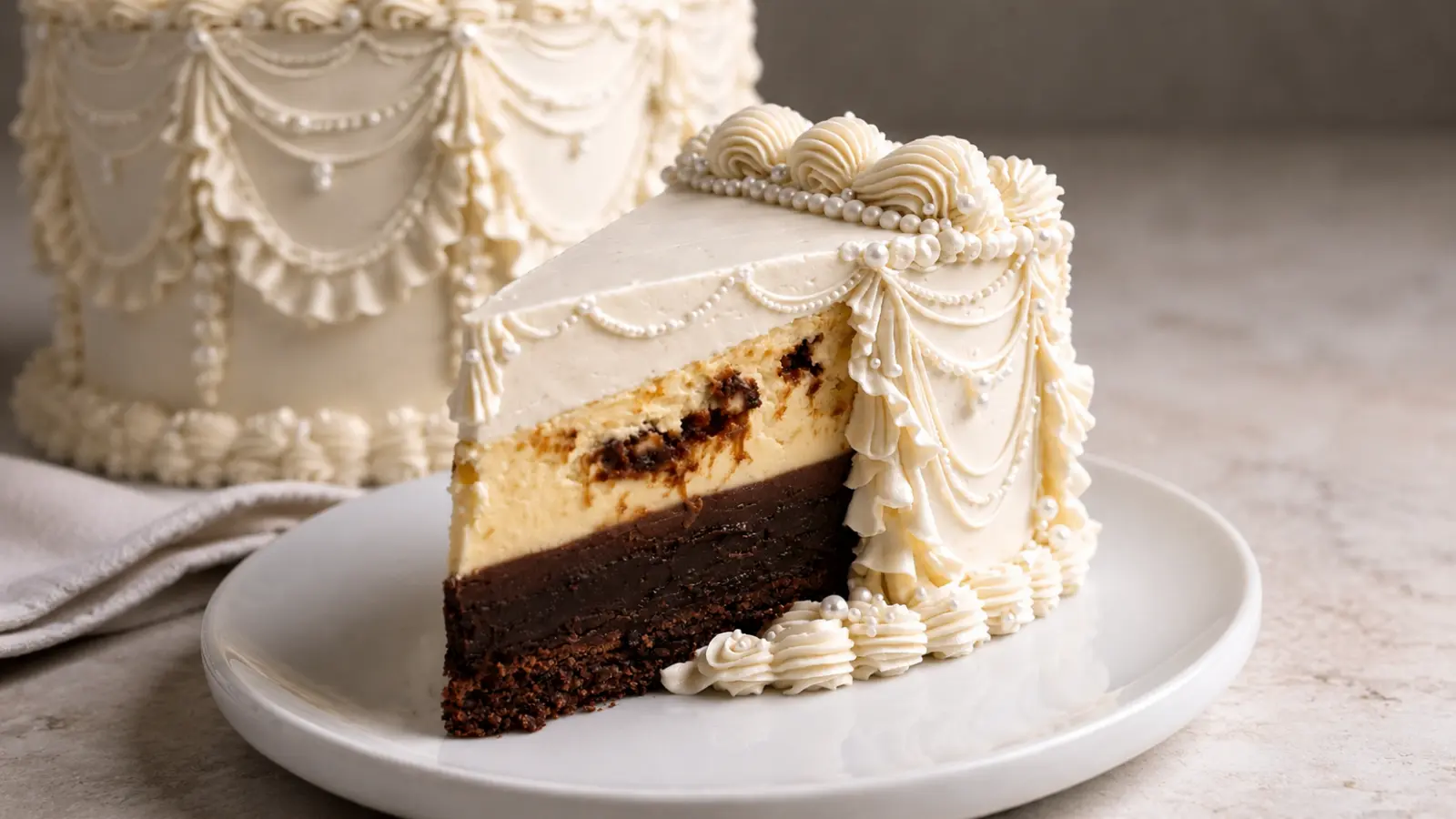
Coming prepared to a tasting appointment does not mean arriving with a spreadsheet and a list of demands. It means having the materials and information that allow you to have a useful conversation and make better decisions. The couples who come to tastings with nothing and hope to figure it out on the spot leave with incomplete information. The ones who come with their venue contract, their aesthetic reference images, and their guest count leave with a quote that actually reflects their wedding.
What to bring
Inspiration images — design, not just flavor. The baker needs to understand your aesthetic direction to give you an accurate design quote. Bring images of wedding cake designs you love — even if they are out of your budget, they communicate the direction. Also bring images of things you actively dislike, if you have them. Knowing what not to do is as useful as knowing the positive direction.
Your wedding colors and florals. A swatch, a photo, or even just a clear description of your color palette. If fresh flowers are being placed on the cake, your florist and baker will need to coordinate — bring the florist’s contact information so the baker can reach out if needed.
Your venue details. Name, address, whether they have a commercial kitchen or a simple setup area, temperature conditions (outdoor, tented, climate controlled), and what time the venue allows vendor access on the day. The baker needs to know the logistics of your specific venue to give you an accurate delivery and setup quote.
Your guest count. Even a rough estimate is better than nothing. Wedding cake is priced per serving, and the serving count drives the price quote. If you do not know your guest count yet, give a range.
Your budget. Tell the baker your budget. This is not a negotiation tactic — it is information that lets them show you what is possible within your actual parameters rather than spending the design conversation on options that will not be viable when the quote arrives. A baker who knows you have $800 will show you different design options than one who assumes you have $2,000.
Dietary restriction information. If any of your guests have significant allergies — particularly nut allergies — the baker needs to know. Not every baker can accommodate nut-free production; confirm this before the appointment rather than after.
Who to bring
Your partner. Beyond that, the consensus among wedding professionals is: one additional person maximum, and only if they will be genuinely helpful rather than opinion-diluting. Too many additional opinions in the same room can make the decision feel more complicated rather than clearer. Taste together. Decide together. The cake is for the two of you to choose.
The Contract — What to Look For
The wedding cake contract is not a formality. It is the document that protects you if anything goes wrong, and the wedding vendor category where things most commonly go wrong involves exactly the logistics and contingencies that contracts are designed to address. Before you sign anything, make sure these elements are in the document.
What the contract should include
The exact design description. Not “three-tier white cake with flowers” — the specific design, finish, tier sizes, decorative elements, and a reference to the design sketch or rendering if one was provided. If the design is described vaguely, your recourse if the cake does not match your vision is limited.
Flavor and filling specifications. Every tier’s cake flavor, filling, and frosting type, explicitly stated. “Chocolate” is not sufficient — “dark chocolate sponge with salted caramel filling and Swiss meringue buttercream exterior” is.
Number of servings. The contracted portion count. Understand that wedding cake servings are typically cut smaller than dessert servings (about 1 inch x 2 inches per slice at most bakeries). If your guest count is 120 and you are ordering 100 servings, someone is going without cake.
Delivery time, address, and setup instructions. The specific delivery window, the venue address, the contact name at the venue, and what setup entails. If the baker is responsible for assembling tiers on-site, this should be stated explicitly.
Total price, deposit paid, and balance due date. The complete cost breakdown — base cake price, delivery fee, any design add-ons — with the deposit amount noted as received and the remaining balance and due date clearly stated.
Cancellation and rescheduling terms. What percentage of the deposit is refundable and at what point in the timeline. What happens if the wedding date changes. What your options are if you need to cancel entirely. These clauses feel abstract when you sign them and become critically important if your circumstances change.
Baker’s liability and backup policy. What the baker is responsible for if the cake is damaged in transit, arrives late, or does not match the contracted design. Some contracts limit the baker’s liability to a refund of the cake cost; others offer more. Know what the terms are before something goes wrong rather than after.
Fresh flower coordination clause (if applicable). If fresh flowers are being placed on the cake by either the baker or the florist, the contract should specify who is responsible, when it happens, and that the flowers being used are food-safe. This is a specific point of failure at weddings — the responsibility is assumed by the florist, assumed by the baker, and confirmed by neither.
Wedding Cake Tasting Inspiration Board
Before choosing your final cake, it helps to see how different wedding cake flavors, fillings, frostings, tasting setups, and design details can work together. Explore our wedding cake tasting inspiration board for cake flavor combinations, filling ideas, buttercream styles, tasting setups, wedding cake samples, and beautiful designs to help you prepare for your bakery appointment.
Final thoughts
The best wedding cake tasting experience is not just about finding the most delicious flavor. It is about understanding how every choice works together — the cake design, filling, frosting, serving needs, venue conditions, budget, and the baker responsible for bringing the final cake to life.
When you arrive prepared, ask the right questions, and think beyond the first bite, a cake tasting becomes more than a fun wedding appointment. It becomes the moment you choose a cake that looks beautiful, tastes memorable, and feels completely right for the celebration you are planning.
Frequently asked questions (FAQ)
Why do some cakes taste amazing at a tasting but feel different at the wedding?
A tasting happens in perfect conditions: small portions, controlled temperature, and full attention on every flavor. A wedding cake has to work in a completely different environment, from sitting on display to being served after a full meal. The best choice is the cake that performs well for the entire event, not just the most exciting first bite.
What is the biggest mistake couples make during a wedding cake tasting?
Choosing based only on personal preference in the moment. A great wedding cake decision considers the venue, season, guest experience, design, and how the cake will actually be served. The tasting should confirm the full wedding experience, not just your favorite sample.
Should you choose a unique cake flavor or a classic one?
The best choice depends on your priorities. A classic flavor made exceptionally well often creates a better guest experience than an unusual flavor chosen only to be different. Many couples choose a balanced approach with one familiar flavor and one more personal option.
How do you know if a wedding cake baker is the right fit?
Look beyond the cake samples. A great baker communicates clearly, understands your wedding style, explains logistics, asks thoughtful questions, and helps you make realistic choices. The tasting reveals their process as much as their flavors.
Is the most beautiful wedding cake always the best choice?
Not always. A wedding cake also needs the right structure, ingredients, serving plan, and stability for your venue. A simpler design from an experienced baker is often a better decision than a complicated cake that creates logistical problems.
What do wedding planners pay attention to during a cake tasting?
They usually look at the details couples may overlook: communication, transparency, organization, delivery planning, and whether the baker understands the overall wedding vision. A successful cake is about execution, not just flavor.
How much does a wedding cake tasting cost?
Wedding cake tasting costs vary by bakery. Some bakeries offer complimentary tastings after a consultation, while others charge a tasting fee or offer paid tasting boxes. In some cases, the tasting fee may be credited toward your final cake order if you book, so ask what is included before scheduling.
Do you need to book the baker before the cake tasting?
Usually, no. A wedding cake tasting is often part of the process of deciding whether a baker is the right fit. Some bakeries may require a consultation, tasting fee, or appointment deposit, but you should not feel obligated to book the cake until you understand the flavor options, design approach, pricing, delivery, and contract terms.