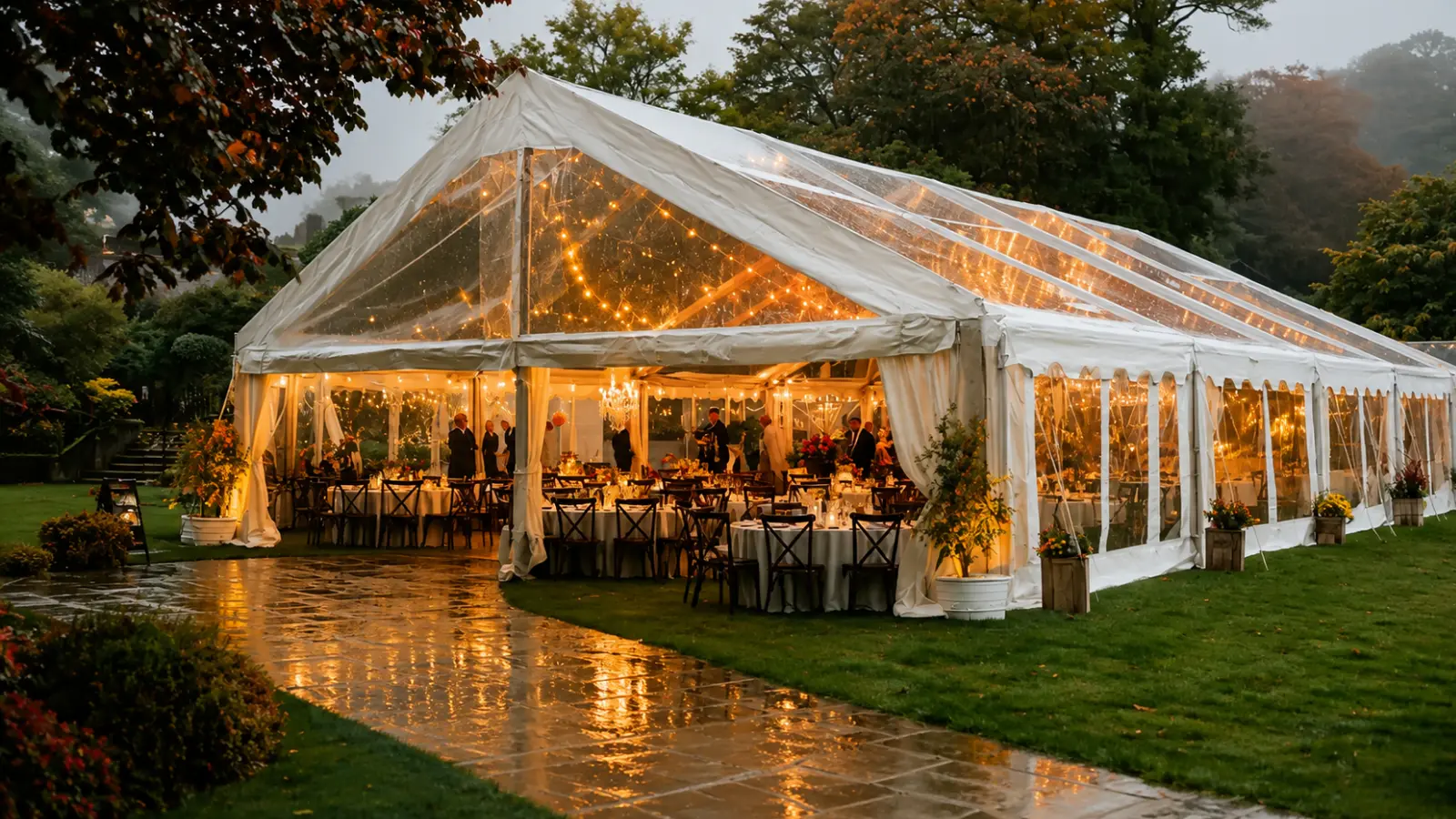
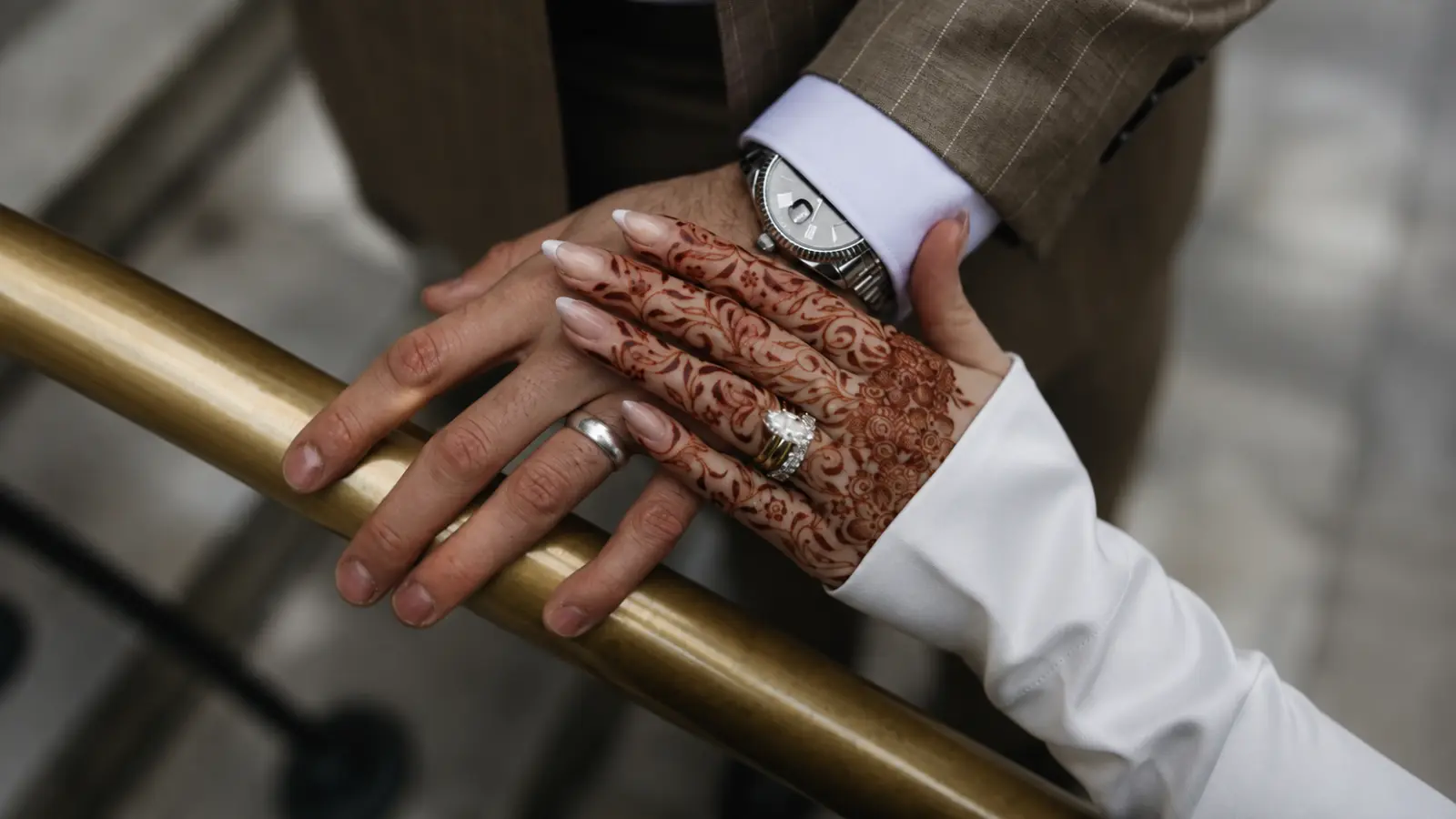
Learning how to plan a multicultural wedding starts with recognizing that you are not simply combining traditions. You are bringing together families, expectations, languages, rituals, and ways of celebrating that may never have shared the same event before.
The traditions themselves are often easier to identify than the decisions around them. What determines whether the wedding feels unified is how early family conversations happen, which elements are truly important, how the ceremony is structured, how much time each tradition needs, and how clearly guests understand what they are experiencing.
This guide shows how to plan a multicultural wedding around those coordination decisions, including family expectations, ceremony structure, language, attire changes, food, music, timing, and guest communication. The goal is not to collect cultural elements from both sides, but to build a celebration where each tradition has the space, context, and respect it needs to feel like part of one wedding.
Start With Family Conversations, Not a Tradition List
Before choosing a single element, have the conversation both families are already anticipating: which traditions matter enough to include, which ones the couple is not planning to use, and who is deciding. Skipping this step can make multicultural wedding planning feel more like a negotiation than a celebration.
Talk to each side separately first. Ask what they’d be disappointed to see missing, not just what they assume is required. The two answers are often different, and the second one is more useful. Then bring the answers together as a couple before either family hears the other’s list. Presenting a joint decision is very different from asking two families to negotiate directly with each other.
Be direct about what won’t make it into the day. A tradition left out because of venue rules, an officiant’s requirements, or simply the couple’s preference is easier to accept when it’s explained early and respectfully than when it’s noticed missing on the wedding day itself. If a relative offers a tradition you weren’t expecting, treat it as information about what matters to them, not an obligation to include it.
A useful ground rule: the couple decides what goes in the wedding; the families advise on how to do it respectfully. Reversing that order is usually where multicultural planning gets stuck.
Decide Which Traditions Are Essential — and Why
Not every tradition carries the same weight, and treating them all as equally required makes the day harder to plan than it needs to be. A tradition tied to a religious requirement or a rite of passage usually needs its own protected time and the right officiant or elder to lead it. A tradition that’s more symbolic, such as a color, a song, or a toast style, has more flexibility and can often move to the reception or a smaller pre-wedding event without losing its meaning.
A simple worksheet helps turn a long list of family requests into an actual plan. For each tradition under consideration, note whose family it belongs to, where in the day it fits, roughly how much time it needs, and whether guests will need any explanation to understand it.
| Tradition | Culture / Family | Where | Time Needed | Explain to Guests? |
|---|---|---|---|---|
| Ceremony ritual with religious significance | e.g., groom’s or bride’s family | Ceremony | Protected, not compressed | Yes — program or officiant intro |
| Pre-wedding family ritual | Either side | Separate event | Own time block | Only for attendees |
| Symbolic reception moment | Either side | Reception | Short, flexible | Brief signage or emcee note |
| Cultural music or dance | Either side | Reception | Scheduled slot, not background | Emcee introduction |
Fill in your own rows for each tradition on the table, then ask one question of each: does this need to happen during the ceremony itself, or just somewhere during the wedding weekend? That distinction tells you whether a tradition is a scheduling constraint or a design choice, and it does more to keep the day manageable than any general advice about blending cultures.
Build the Ceremony Structure First
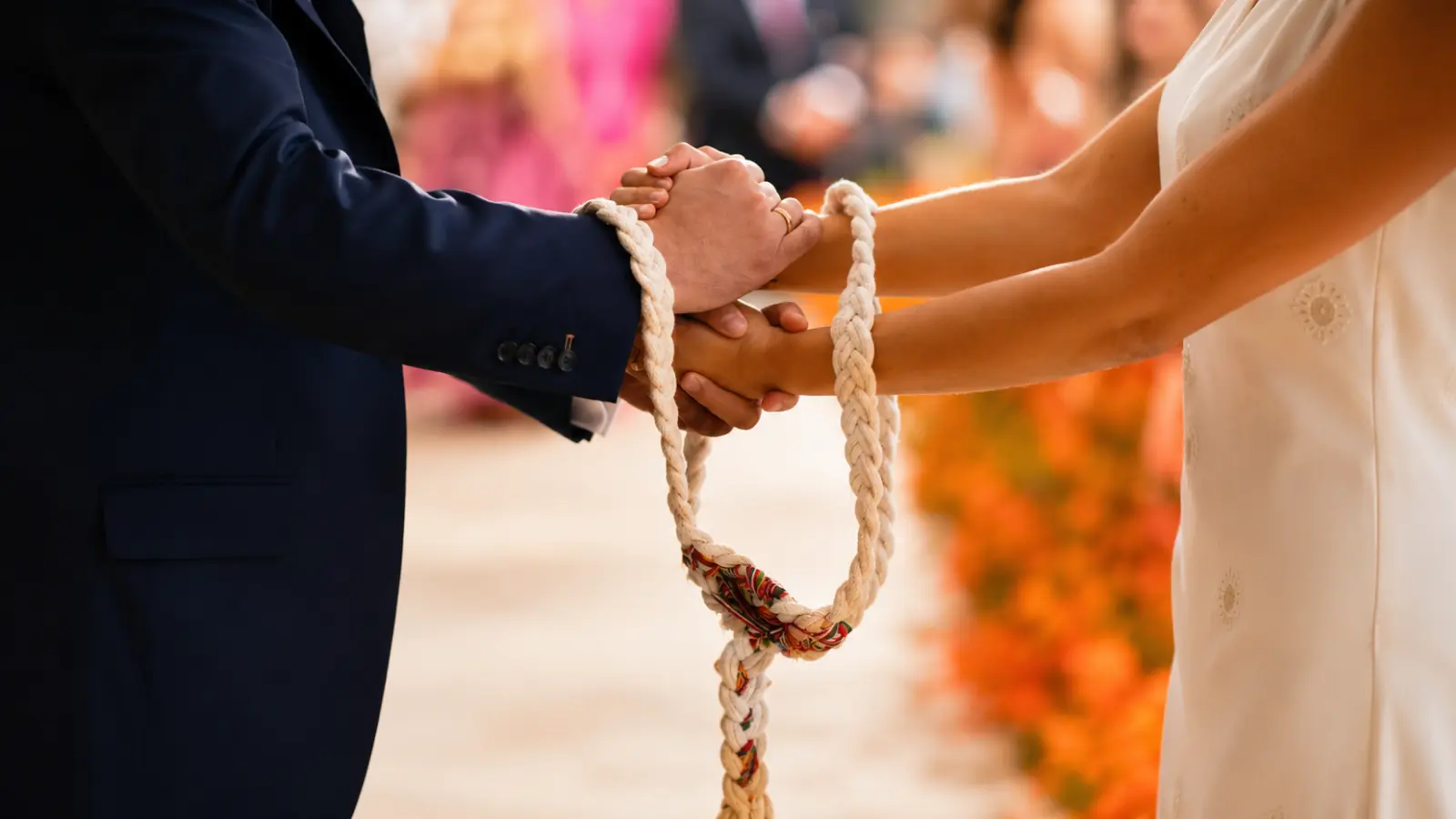
The ceremony format is the decision that shapes almost everything downstream: the timeline, the officiant search, the venue requirements, and how much of the day guests spend in one room versus moving between spaces. Most multicultural couples choose from three structures, and each one solves a different problem.
A single blended ceremony combines elements from each tradition into one continuous service, led by an officiant trained in interfaith or intercultural ceremonies. This keeps the day to one ceremony and one guest experience, but it requires an officiant willing to coordinate closely on structure, language, and which rituals can sit next to each other respectfully.
A co-officiated ceremony uses two officiants, each representing a tradition, leading their own portion back-to-back within a single service and meeting in the middle for a shared moment like the vows or ring exchange. This gives each tradition its own uninterrupted section rather than a fully merged script, which is useful when the two traditions don’t blend easily element by element.
Two separate ceremonies, held the same day or across a wedding weekend, give each tradition its full, uncompressed form without asking either officiant to shorten anything. The tradeoff is logistics: two ceremony sites or time blocks and a longer overall day. Some couples hold the second ceremony as a smaller, family-only event and welcome the wider guest list for the reception.
None of these formats is the “correct” one. The right choice depends on whether your two traditions can share a script, whether an officiant is available for each format, and how much of a multi-part day your families and guests can realistically follow.
Plan for Language Before You Plan for Décor
If guests will speak more than one language, or if the ceremony includes language most of the room won’t understand, decide early how you’ll bridge that. It affects program design and possibly whether you need a live translator or emcee, both of which take longer to secure than most couples expect.
A printed or digital program that briefly explains each ritual in plain language does more for guest experience than almost any other single detail. It doesn’t need to translate every word; it needs to tell guests what’s happening and why, so an unfamiliar moment reads as meaningful instead of confusing. For any ceremony segment conducted in a language most guests won’t follow, a brief spoken introduction from the officiant or emcee beforehand often works better than a printed translation guests won’t read in the moment.
Coordinate Attire Changes Into the Timeline
Multiple traditions often mean multiple outfits, and attire changes are one of the most commonly underestimated logistics in multicultural wedding planning. A change that looks simple on paper, like a different dress for a second ceremony or a garment change between ceremony and reception, usually needs real time built into the schedule, plus someone assigned to help and a private space to do it in.
Work backward from the moment each outfit needs to be ready, not from when it was purchased or fitted. Confirm who is helping with the change, whether hair and makeup need a touch-up afterward, and where the change will happen. Treat a quick turnaround between ceremony and reception the same way you’d treat any tight timeline dependency: with a named person responsible and a realistic time estimate, not an optimistic one.
Photography needs to know about every change in advance. A photographer who doesn’t know a second outfit is coming can miss the transition entirely or fail to plan for the extra portraits many couples want in each look.
Let the Menu Reflect Both Sides Without Overcomplicating Service
Food is one of the easiest places to represent both cultures, but it’s also where service logistics can quietly get complicated. A menu that draws from two culinary traditions works well when the caterer has real experience with both, not just a willingness to try. Ask directly about their familiarity with the specific cuisines, not just their general flexibility.
Dietary and religious food requirements deserve early, direct confirmation, not an assumption. If any guests keep halal, kosher, or another religious dietary standard, confirm with the caterer whether they can genuinely accommodate it, including preparation and serving practices, rather than adding one labeled dish to the buffet.
Decide whether the two culinary traditions will be presented as one integrated menu, as two distinct stations or courses, or as a tasting-style format that lets guests sample both without either tradition feeling like a side dish to the other. The right structure usually depends on the format of your reception more than on the cuisines themselves. A seated dinner suits course-based separation, while a reception with stations or family-style service can blend more naturally.
Sequence the Music So No Tradition Feels Like an Afterthought
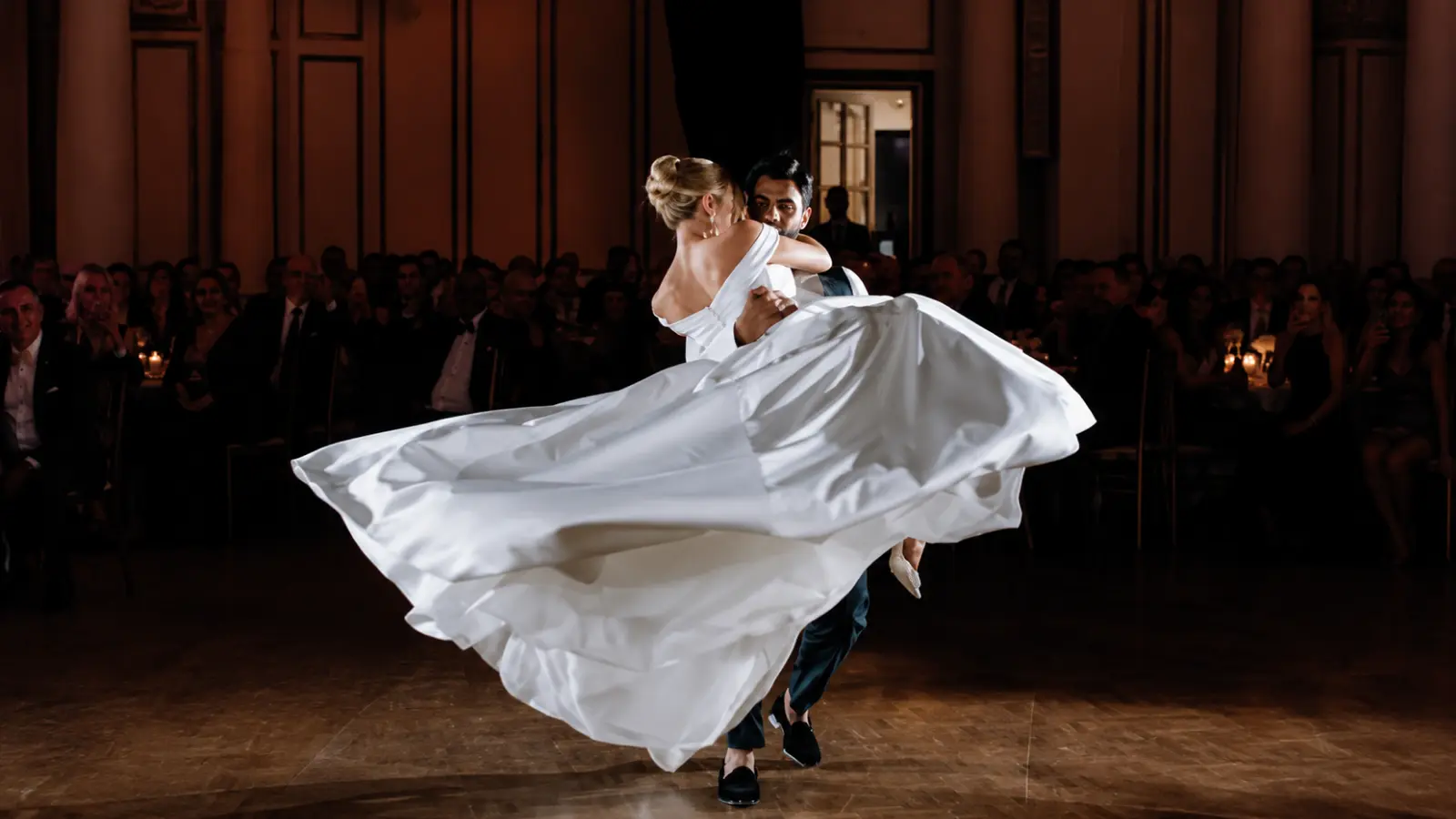
Music carries a lot of cultural weight, and the most common complaint after a multicultural reception isn’t that a genre was missing. It’s that one culture’s music played for twenty minutes at the very end, after half the room had already left. Sequencing matters as much as inclusion.
Talk to your band or DJ about building a set that moves between traditions throughout the night rather than grouping each culture’s music into one block. This keeps energy consistent and avoids the common outcome where one family’s music becomes a token gesture instead of a genuine part of the celebration.
If any musical tradition involves a specific dance, procession, or ritual moment, rather than background music, treat it like any other scheduled ceremony or reception element: give it a specific time slot, brief the entertainment team in advance, and make sure the emcee introduces it so guests unfamiliar with it know what they’re watching.
Build a Realistic Timeline Around Extra Elements
A wedding with two ceremonies, extra attire changes, and traditions from more than one culture almost always runs longer than a single-tradition wedding of the same size, and the biggest planning mistake is scheduling it as if it won’t. Build the timeline from the actual time each element needs, not from a generic wedding-day template.
Ask each officiant, in advance, how long their portion of the ceremony genuinely takes when done properly rather than rushed. Add real transition time between ceremony and reception if a venue or outfit change is involved. If a tradition includes a procession, a ritual with its own pacing, or a moment that can’t be shortened without losing meaning, protect that time deliberately instead of assuming it will compress to fit the schedule.
Share the full timeline with every vendor involved, including officiants, caterer, photographer, and entertainment, so no one is caught off guard by a second ceremony or an unplanned costume change midway through the reception. The wedding day timeline guide covers how to build that schedule from fixed anchors once your ceremony structure is set.
Use Programs and Signage to Include Every Guest
A well-written program does more work in a multicultural wedding than almost any other printed piece. Beyond listing the order of events, it can briefly explain what each unfamiliar ritual means. A sentence or two per tradition is usually enough to orient a guest without turning the program into a cultural encyclopedia. If any moment asks guests to participate directly, say so clearly in the program or have the officiant give a brief instruction in the moment.
Signage at the reception can do similar work for food stations or any ritual guests will observe rather than join. The goal isn’t to explain everything. It’s to make sure no guest spends the day wondering what’s happening or feeling like an outsider at their own friend’s or family member’s wedding.
Bring the Traditions Together With Intention
A multicultural wedding feels cohesive when traditions are treated as meaningful parts of one celebration rather than separate boxes to check. Have the family conversations early, decide which elements truly matter, and let the ceremony structure, timeline, and guest communication support those choices.
Give each tradition the time and context it needs without forcing every element into the same moment. When families understand the decisions, vendors understand the schedule, and guests understand what they are witnessing, different cultural traditions can share the wedding naturally without either side feeling like an addition to the other.
Frequently asked questions (FAQ)
How do you plan a multicultural wedding?
Start by identifying which traditions genuinely matter to each partner and family, then decide how those elements fit into the ceremony, reception, or wider wedding weekend. Build the ceremony structure early, protect the time required for meaningful rituals, plan for language and attire changes where needed, and give guests enough context to understand unfamiliar moments without overexplaining them.
How do you plan a wedding between two different religions?
Begin by clarifying which religious elements are essential and which are flexible for each partner. Then choose a ceremony format, such as one blended ceremony, a co-officiated service, or two separate ceremonies, based on what the traditions require and what the officiants can accommodate. Confirm any religious requirements and officiant availability early because those decisions can shape the rest of the wedding.
Do you need two officiants for a multicultural wedding?
Not necessarily. Some couples use one officiant experienced in interfaith or intercultural ceremonies, while others prefer two officiants who each represent a different tradition. The right structure depends on the traditions involved, the ceremony format, family expectations, and what each officiant is willing and authorized to do.
How do you handle family disagreements about which traditions to include?
Talk with each family separately first, then make the final decisions together as a couple. Ask which traditions carry the most meaning rather than assuming every custom is equally important. If something will not be included, explain that decision early and respectfully, and consider whether a separate pre-wedding or reception moment could honor it without complicating the main ceremony.
How do you make guests feel included at a multicultural wedding?
Give guests clear context for traditions they may not recognize. A short explanation in the program, a brief introduction from the officiant or emcee, or simple reception signage can help guests understand what is happening and why. The goal is not to teach every cultural detail, but to prevent unfamiliar moments from feeling confusing or exclusionary.
Should multicultural traditions go in the ceremony or the reception?
Place each tradition according to its significance rather than convenience. Religious requirements, rites of passage, or elements that need an officiant or elder usually belong in the ceremony or another protected ritual setting. More symbolic traditions, music, food, dance, or other flexible elements can often fit naturally into the reception or a separate wedding-weekend event.