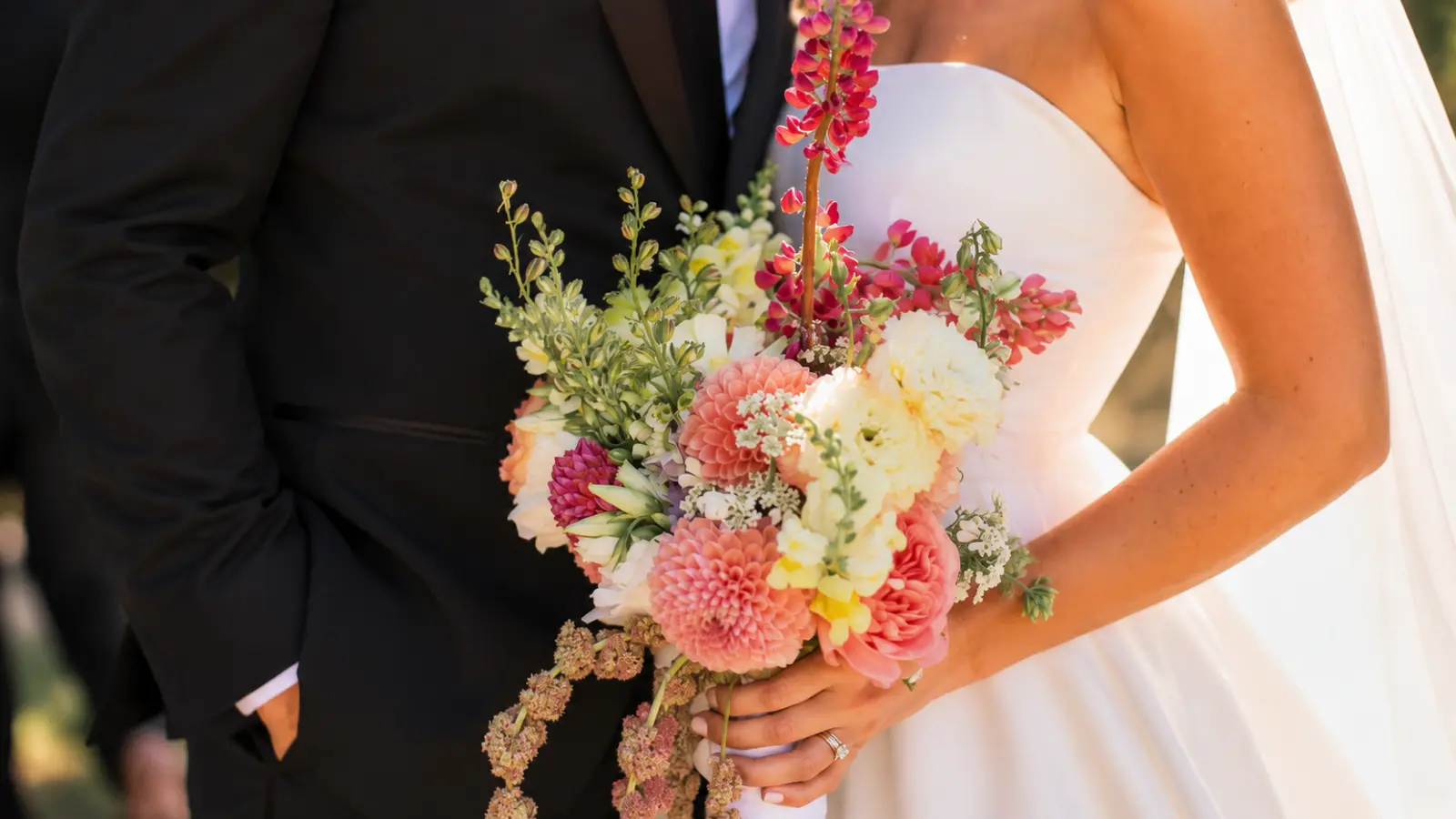
Wedding bouquet cost varies much more than many couples expect. While some bridal bouquets cost around $150, others can easily reach $500 or more depending on the flowers, bouquet size, season, florist, and location. Understanding what influences those prices makes it much easier to plan your floral budget with confidence.
The bridal bouquet should also be considered separately from your overall wedding flower budget. Ceremony flowers, centerpieces, boutonnieres, and bridesmaid bouquets all have their own costs, and combining everything into one number often creates unnecessary confusion when comparing florist quotes.
This guide explains the average wedding bouquet cost, what affects pricing, how fresh, artificial, and DIY bouquets compare, realistic budget ranges, and practical ways to spend wisely without sacrificing the look you want.
Average Wedding Bouquet Cost
The honest range for a professionally made bridal bouquet sits between $150 and $500 for most weddings in the United States. Within that range, the specific number depends on flower choice, bouquet size, your florist’s experience level, and where you are getting married.
| Price Tier | Typical Range | What to Expect |
|---|---|---|
| Entry-level | $150–$220 | Simple design, accessible flowers (spray roses, carnations, standard greenery), smaller size |
| Mid-range | $220–$400 | Premium focal flowers, mixed varieties, thoughtful design — the most common range for a well-made bouquet |
| High-end | $400–$700+ | Specialty or out-of-season blooms, larger scale, cascade styles, experienced florists in major markets |
The mid-range — roughly $220 to $400 — is where most couples land when they work with a skilled florist and have a clear idea of what they want. At that price point, you can expect quality focal flowers like garden roses, ranunculus, or peonies in season, a considered mix of secondary blooms and greenery, and professional construction that holds through a full day. Below $200, the design constraints become real — fewer varieties, simpler structure, and a more limited palette of flowers. Above $500, you are typically paying for specialty flowers, a larger arrangement, or florist expertise in a high-demand market.
One important note on quoted prices: florists price bouquets based on their specific cost of goods and labor. The same bouquet design can cost $280 from a florist in Raleigh and $450 from a florist in New York or San Francisco. Neither is overcharging — the cost of doing business varies significantly by market, and floral pricing reflects that.
What Affects Wedding Bouquet Pricing?
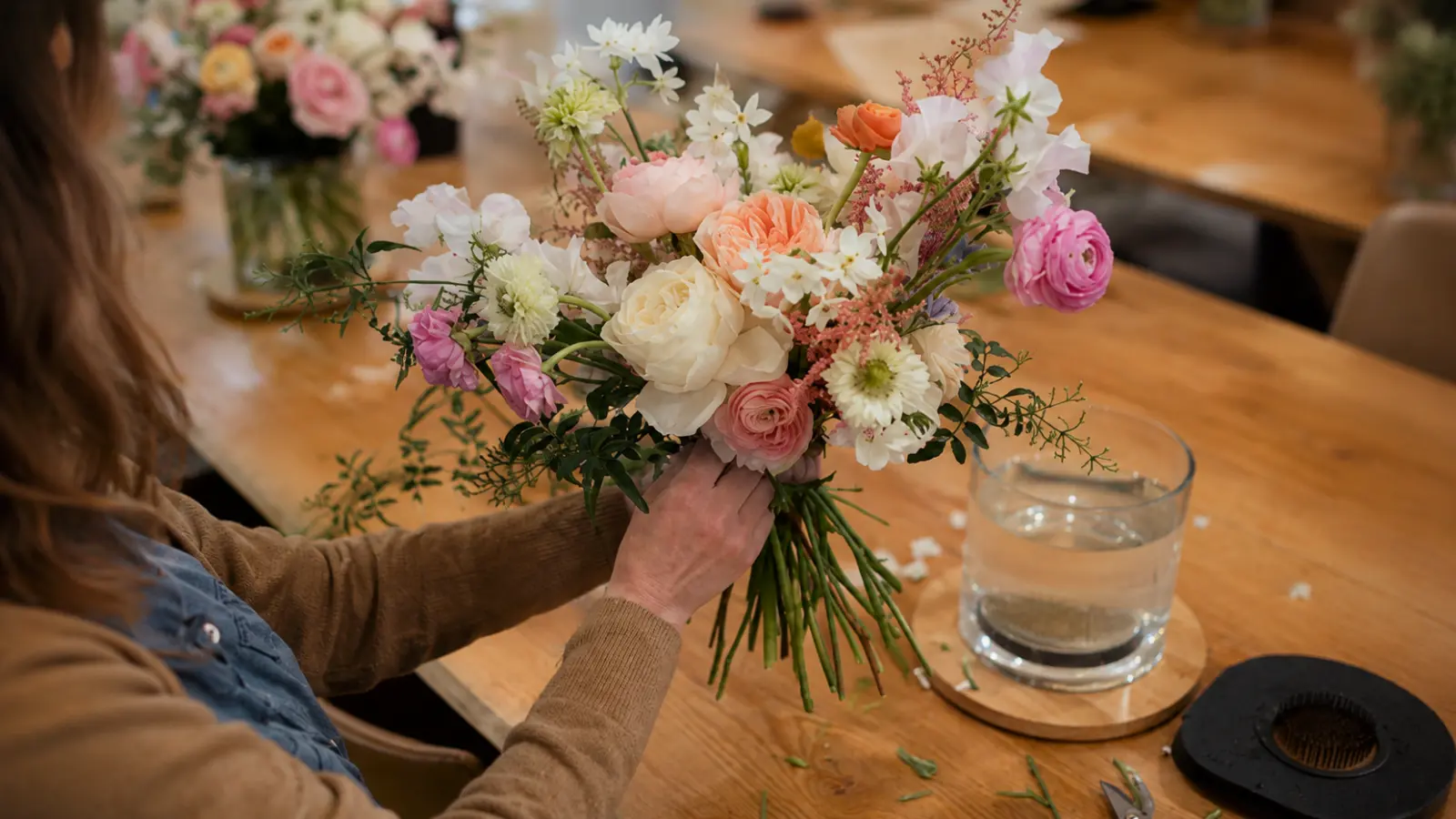
Bouquet cost is not arbitrary, and understanding the variables behind it makes it easier to have a useful conversation with your florist about what is achievable within your budget. The price of any bridal bouquet comes down to five main factors.
Flower choice is the biggest single variable. Flowers range from very accessible — spray roses, carnations, lisianthus, baby’s breath — to significantly more expensive: garden roses, peonies, ranunculus, protea, and orchids. The difference in raw material cost between a bouquet built around spray roses and one built around garden roses and peonies can be $100 or more, even at the same size and quality level.
Seasonality compounds the flower choice factor. Peonies in May cost less than peonies sourced for a December wedding. Any flower that requires greenhouse production or importing to reach your florist outside its natural season will carry a premium. This is one of the most practical ways to manage bouquet cost without compromising on the look — choosing flowers at their seasonal peak costs less and often produces better results.
Bouquet size and complexity affect both material and labor costs. More stems means more material cost. A cascade bouquet requires construction skill and significantly more time than a hand-tied round bouquet of the same flower types. A simple nosegay takes less of both. When you ask a florist for a larger, more elaborate design, the price reflects actual increases in both the materials and the time required to build it.
Florist experience and market set the baseline rate before any flowers are chosen. An established florist with a portfolio of detailed work charges more than someone newer to the industry — and that difference often reflects real skill in sourcing, construction, and execution. Similarly, florists in major metropolitan areas have higher overhead than those in smaller markets, and their pricing reflects it. Neither factor is a red flag; both are worth understanding when comparing quotes.
Customization and design complexity add time to the process even when the flower cost is similar. Unusual structural requests, very specific color matching, ribbon and embellishment work, or designing around a difficult flower type all require more florist time and therefore affect pricing.
Wedding Bouquet Cost by Flower Type
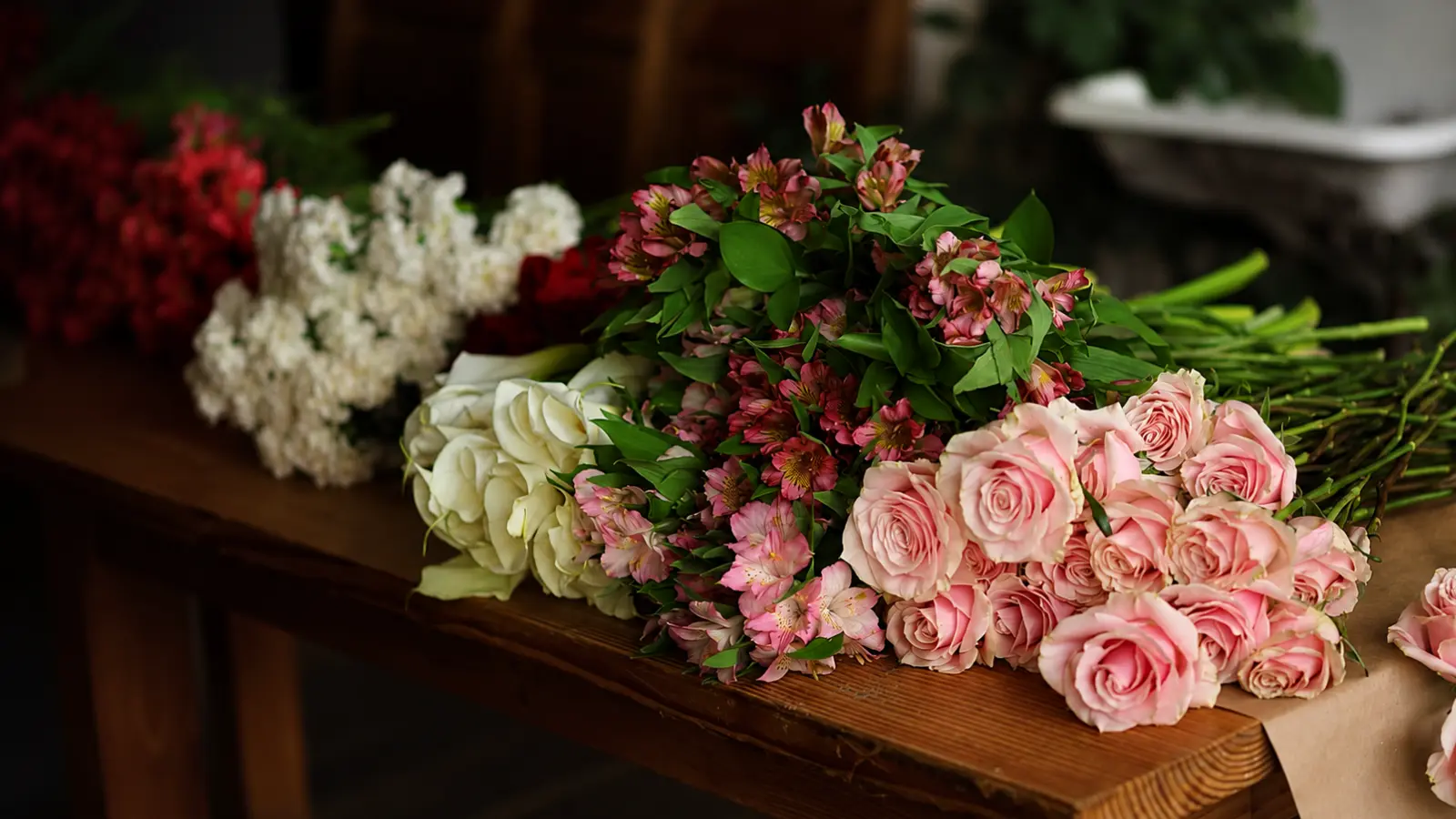
Flower choice has more impact on bouquet cost than almost any other single decision. The table below reflects typical florist pricing for bouquets built primarily around each flower type — not raw wholesale prices, which vary by season and supplier. These are planning ranges, not fixed figures.
| Primary Flower | Typical Bouquet Range | Notes |
|---|---|---|
| Spray roses / carnations | $150–$220 | Most accessible; underrated for their range of colors and textures |
| Standard roses | $175–$275 | Widely available year-round; reliable and versatile |
| Ranunculus / lisianthus | $200–$320 | Excellent value for a layered, peony-like look at a lower price point |
| Garden roses | $250–$400 | Fuller, more fragrant than standard roses; price varies by variety |
| Peonies | $280–$450 | Peak season (late spring) brings best pricing; off-season costs rise significantly |
| Dahlias | $250–$420 | Late summer and fall flower; dramatic and bold when in season |
| Orchids / protea / specialty | $350–$600+ | Higher sourcing cost; best suited to brides with a specific vision for these blooms |
These ranges assume a medium-sized round bouquet with complementary greenery and secondary blooms. A nosegay built around peonies might come in at the lower end of that range; a full garden cascade with the same flowers would exceed the upper end. The flower is not the only variable — it is the most influential one.
One thing worth knowing: florists often suggest substitutions not to cut corners but because a flower at its seasonal peak genuinely looks better and costs less than the same flower sourced out of season. When a florist proposes ranunculus as an alternative to peonies for a fall wedding or dahlia wedding bouquet, it is usually good advice — both aesthetically and economically.
Wedding Bouquet Cost by Size
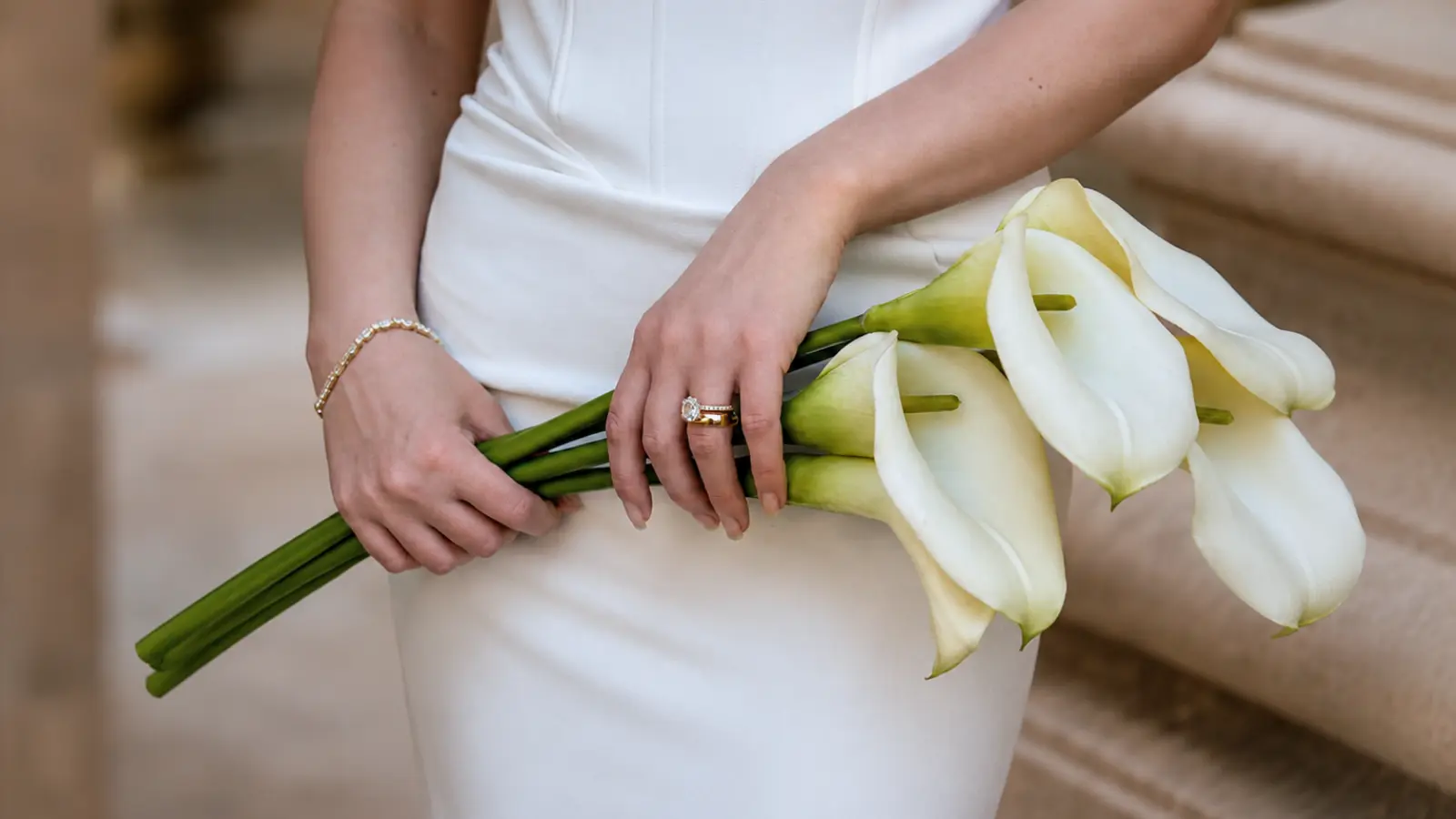
Size affects price directly because it affects stem count and labor time. A florist building a large cascade bouquet is doing meaningfully more work — and using significantly more materials — than one building a tight nosegay. Understanding the size-to-cost relationship helps when deciding how to allocate your bouquet budget.
| Bouquet Style / Size | Approximate Stem Count | Typical Price Premium vs. Small |
|---|---|---|
| Single stem or nosegay | 1–15 stems | Baseline — lowest material and labor cost |
| Small round | 15–22 stems | Modest increase; the most common entry-level professional bouquet |
| Medium round / garden style | 22–35 stems | Mid-range; the most common size at the $250–$400 price point |
| Large round or loose garden | 35–50+ stems | Meaningfully higher; expect to add $100–$200 over a medium round |
| Cascade / waterfall | 40–60+ stems | Highest labor cost in addition to higher material cost; often $400–$700+ |
If you are working with a defined budget, size is the most flexible variable. A skilled florist can create a bouquet that looks full and intentional at a medium size using the flowers you love, rather than scaling up to a large arrangement that strains the budget. Bigger is not always more beautiful — proportion to the bride’s frame and dress silhouette matters more than absolute size.
Fresh vs. Artificial Wedding Bouquet Cost
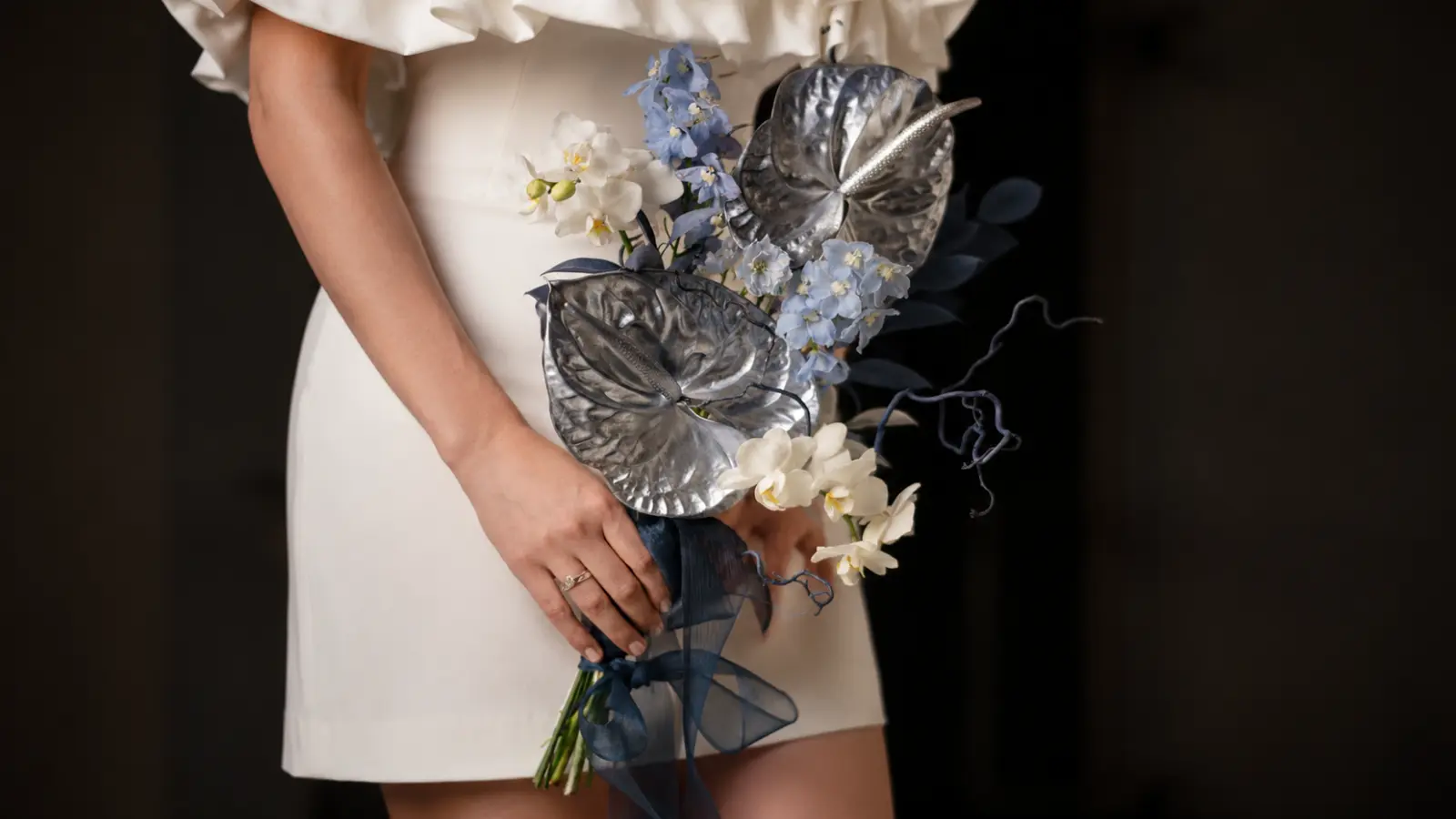
The assumption that artificial bouquets are always the budget option is not quite accurate — and understanding where each type actually lands on cost helps you make a genuinely informed choice rather than one based on a misconception.
A professionally made fresh bouquet from a skilled florist typically falls in the $150 to $500 range described above. A professionally made artificial wedding bouquet, such as silk, or a dried bouquet from a skilled artisan can range from $150 to $500 as well — sometimes more for high-end custom work. The cost of professional craftsmanship applies regardless of whether the flowers are living or not.
Where artificial bouquets become a clear cost advantage is in the DIY route. A bride who makes her own silk bouquet with quality flowers from a reputable supplier can typically land in the $80 to $200 range including materials — lower than almost any professional fresh option. That same DIY advantage applies to fresh flowers, but with more skill and timing requirements.
Dried Flower Wedding Bouquets: Natural, Boho and Long-Lasting Ideas. A professionally made dried bouquet — pampas grass, dried roses, preserved eucalyptus, dried citrus — from an artisan florist can range from $150 to $400 depending on the complexity of the design. They offer the built-in benefit of lasting indefinitely without preservation costs after the wedding, which is a real financial consideration for brides who plan to keep their bouquet.
How to Think About This Choice:
If cost is the primary consideration, DIY artificial or DIY fresh will almost always be cheaper than any professional option. If you want professional quality without making it yourself, fresh and artificial can land at similar price points — the deciding factor becomes fragrance, aesthetics, and what you want to do with the bouquet after the wedding. Fresh flowers offer natural fragrance and a quality that photographs a specific way; a high-quality silk bouquet offers zero stress on the day and a ready-made keepsake. Neither is the wrong answer — the right one depends on your priorities.
DIY Wedding Bouquet Cost
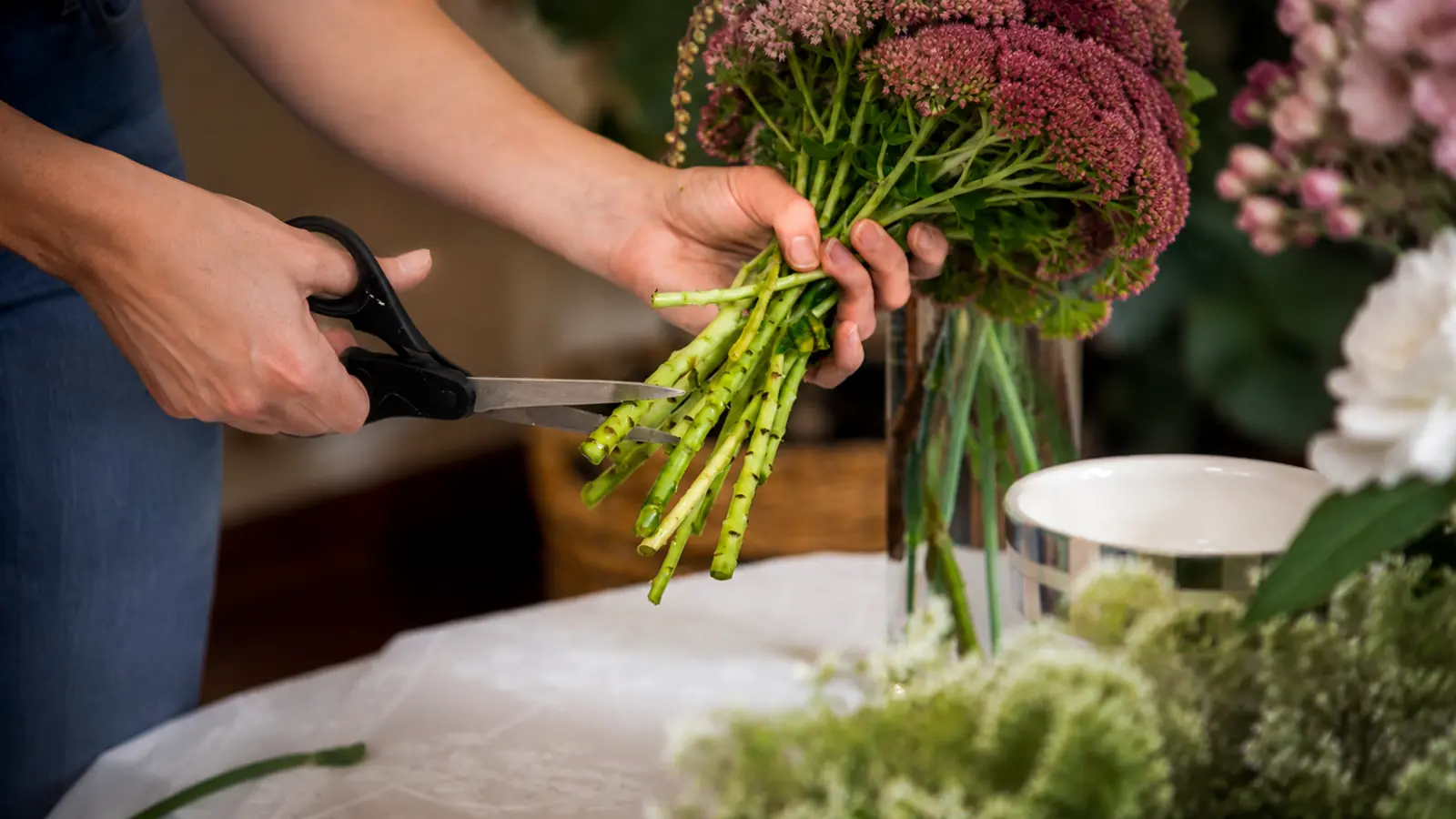
Making your own bouquet is the most reliable way to spend significantly less on a bridal bouquet without compromising on the flowers you want. The savings come from eliminating florist labor — which typically represents 40 to 60 percent of a professional bouquet’s price — and sourcing flowers directly rather than through a retail florist’s markup.
For a DIY fresh bouquet, the main cost variables are where you buy the flowers and which flowers you choose. Grocery store and warehouse club flower sections (Costco and Trader Joe’s are well-known sources among DIY brides) offer accessible pricing without requiring a wholesale account. Wholesale flower suppliers like grocery-style floral distributors offer better per-stem pricing but usually require minimum purchase quantities. Online wholesale suppliers ship directly and have become a practical option for couples with flexible delivery logistics.
| Source | Typical Stem Cost | Estimated Bouquet Cost | Practical Notes |
|---|---|---|---|
| Grocery store / supermarket | $1.50–$4 per stem | $75–$150 | Most accessible; limited variety; no minimum purchase |
| Warehouse clubs | $0.80–$2.50 per stem | $50–$120 | Good volume pricing; variety depends on location and season |
| Local wholesale supplier | $0.60–$2 per stem | $40–$100 | Best pricing; may require a business account or minimum order |
| Online wholesale (shipped) | $0.75–$2.50 per stem | $50–$130 | Wide variety; shipping costs and timing add complexity |
For a medium-sized fresh DIY bouquet using grocery store flowers, a realistic total is $60 to $120 in flowers plus $15 to $30 in supplies — ribbon, floral tape, and pins. At wholesale pricing with a larger variety of flowers, the same bouquet might cost $40 to $90 in flowers. Either way, the savings compared to a professional bouquet at $250 to $350 are meaningful.
For a DIY silk bouquet, material cost depends almost entirely on the quality of the artificial flowers. Budget silk flowers from craft chains can bring total cost to $40 to $80; mid-quality flowers from specialty suppliers typically run $80 to $160; high-quality silk flowers that photograph convincingly can reach $150 to $250 for the materials alone. At the high end, the cost advantage over a professional fresh bouquet narrows — but the other benefits (no timing pressure, no wilting risk, permanent keepsake) may still make it the right choice.
How to Save Money on Your Bouquet
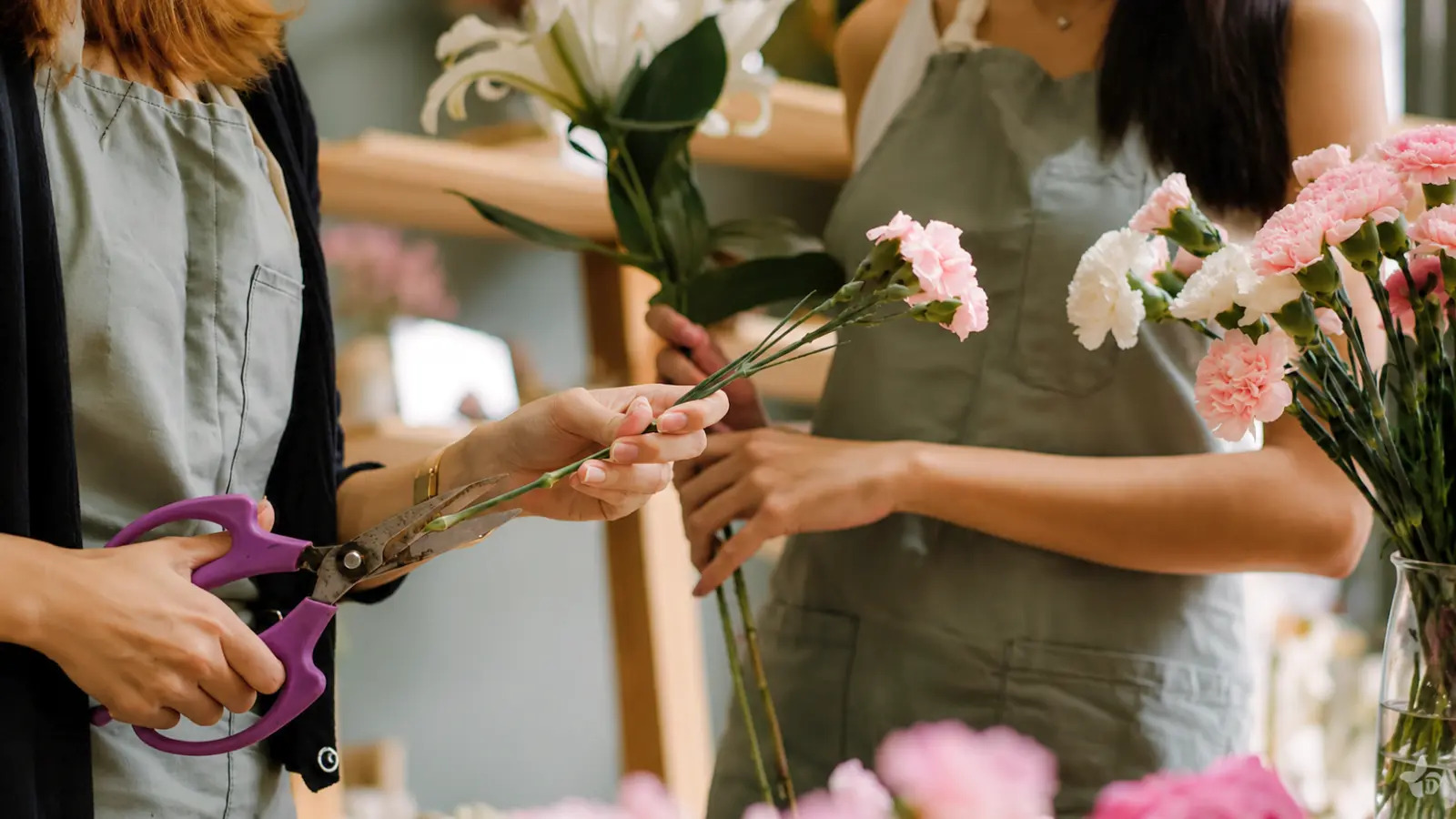
Reducing bouquet cost does not have to mean reducing the bouquet’s quality or visual impact. The most effective strategies work with the florist and the flower market rather than against them.
Choose flowers in their natural season. This is the single most effective way to reduce fresh bouquet cost without compromising on quality. A peony bouquet in May costs less than the same bouquet in November. Asking your florist what is at its natural peak during your wedding month, then building the palette around that answer, consistently delivers better flowers at lower cost than chasing specific blooms regardless of availability.
Reduce size rather than quality. A smaller bouquet with excellent flowers is more satisfying than a larger one built from less appealing materials at the same price. If the budget is fixed, ask your florist to create the best medium-sized bouquet they can rather than a large bouquet with compromises. Proportion to your dress and frame matters more than volume.
Limit variety, not flowers. Bouquets with two or three flower types executed beautifully often look more intentional and sophisticated than those trying to include seven or eight varieties. Fewer varieties also reduces sourcing complexity for the florist, which can translate to a more manageable price. A rose and eucalyptus bouquet done well is always more striking than a mixed bunch done just adequately.
Be honest with your florist about your number. The most direct way to get the best result within a specific budget is to tell the florist exactly what it is from the first conversation. Most experienced florists would rather know the actual figure and design accordingly than receive vague “we’d like to keep it reasonable” direction. A florist who knows you are working with $250 can design specifically for that; one who has to guess is less likely to hit it.
Consider a DIY approach selectively. Making your own bouquet is not right for every bride — it requires a practice run, some comfort with the process, and realistic time on or near the wedding day. But for brides who are willing to do it, the savings are real and the result can be genuinely beautiful. A hybrid approach — professional florist for the bridal bouquet, DIY for bridesmaid arrangements — is also worth considering as a way to protect the most visible piece while managing overall floral spend.
When a Bouquet Is Worth Spending More On
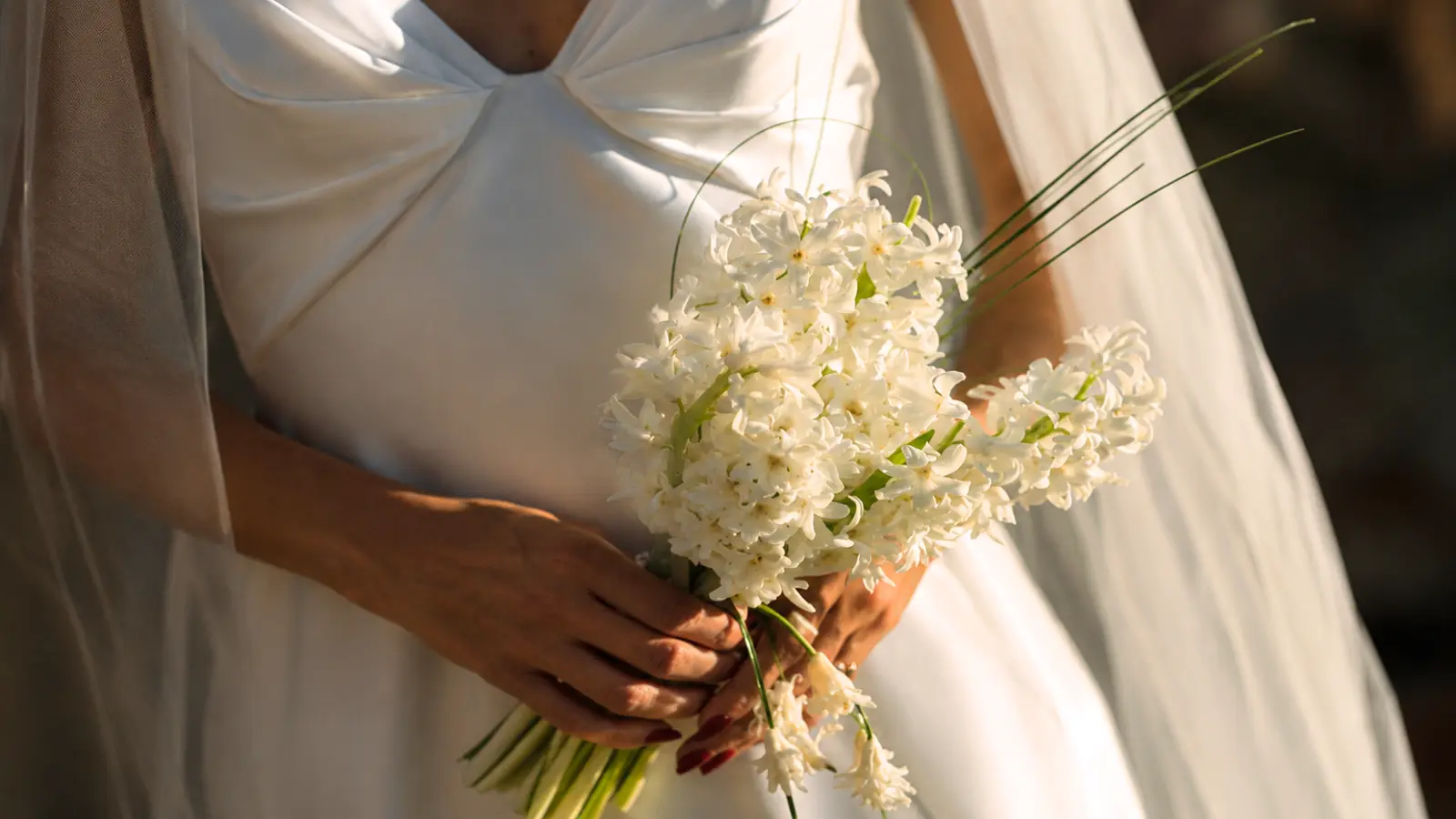
There are situations where investing more in the bridal bouquet is a genuinely good decision — not because spending more is inherently better, but because the value it returns is real.
If your ceremony or venue is particularly photo-forward — a church with significant natural light, an outdoor setting with a clean backdrop, a reception where portrait photography is a priority — the bridal bouquet will appear in a significant share of your most important images. In those situations, a bouquet built from flowers that photograph beautifully, in a design that holds its shape through a long day, is worth more than its line-item price suggests.
The same logic applies when the flowers themselves matter to you. If peonies are meaningful because your grandmother grew them, or a specific flower carries personal significance, that is a reasonable place to spend without apology. The bouquet is the one floral element you will actually hold. The emotional weight of that is real, and spending more to get it right is not indulgent — it is proportional to what the object means.
Working with a florist whose aesthetic genuinely matches yours is also worth a premium when the alternative is settling for someone whose work does not. A florist who understands what you are trying to achieve will consistently deliver better results than one who technically can make a bouquet but does not connect with the vision. The difference in outcome between a florist who is excited about your brief and one who is not is visible in the work — and that is worth factoring into the decision.
Where spending more is less likely to return proportional value: purely chasing the largest possible size, adding flowers for volume that do not contribute to the design, or upgrading to a more expensive bloom when a less expensive alternative would look identical in the finished bouquet. A good florist will tell you honestly when those distinctions matter and when they do not.
Wedding Bouquet Budget Ideas
Planning your wedding flower budget? Explore average wedding bouquet costs, price comparisons, DIY savings, fresh versus artificial bouquets, and practical budgeting tips to help you choose a beautiful bouquet without overspending.
Spend on What Matters Most to You
The right wedding bouquet isn’t defined by its price tag—it’s defined by how well it reflects your style, priorities, and overall wedding vision. Whether you choose a simple bouquet with seasonal flowers or invest in premium blooms designed by an experienced florist, understanding what drives the cost allows you to make informed decisions instead of guessing.
A realistic budget starts with knowing where your money creates the greatest impact. Focus on the flowers and design elements that matter most to you, stay flexible where it makes sense, and work openly with your florist about your budget. Thoughtful planning almost always delivers better results than simply spending more.
Frequently asked questions (FAQ)
How much should you budget for a wedding bouquet?
For most weddings in the United States, budgeting between $200 and $400 for a professionally designed bridal bouquet is a realistic starting point. Simple bouquets with readily available flowers may cost less, while larger designs, premium blooms, or weddings in high-cost areas can easily exceed $500. Your final budget should reflect the style of bouquet you want, not just an average price.
How much does a wedding bouquet cost?
A professionally made bridal bouquet typically costs between $150 and $500, depending on flower selection, bouquet size, florist experience, and local market pricing. Most couples who choose a medium-sized bouquet with premium seasonal flowers spend somewhere in the middle of that range.
What makes a wedding bouquet more expensive?
The biggest factors are flower choice, bouquet size, seasonality, florist experience, labor, and where you are getting married. Premium flowers such as peonies, garden roses, orchids, and imported blooms increase the price, while larger or more intricate bouquet styles require additional stems and design time.
Is a $300 wedding bouquet reasonable?
Yes. Around $300 is a very common budget for a professionally designed bridal bouquet using quality seasonal flowers. It usually allows enough flexibility for premium focal blooms, balanced greenery, and a polished design without moving into luxury pricing.
Is a DIY wedding bouquet really cheaper?
Usually, yes. A DIY bouquet often costs significantly less because you are paying for flowers and supplies instead of professional design labor. However, DIY also requires time, practice, flower conditioning, and careful planning, making it a better choice for couples who feel comfortable handling floral preparation themselves.
Is a more expensive wedding bouquet worth it?
Sometimes. Spending more is worthwhile when the bouquet includes meaningful flowers, premium craftsmanship, or will play an important role in your wedding photography. Spending more simply to make the bouquet larger rarely delivers the same value. The best investment is choosing a bouquet that fits both your priorities and your budget.