Wedding cake flavors are the combinations of cake layers, fillings, and frostings that determine how the cake tastes and how well it fits the wedding style, season, and guest experience. From timeless choices like vanilla and almond to modern options like champagne, lemon elderflower, and brown butter, the best flavor is the one that feels personal while still working beautifully for a celebration.
Choosing a wedding cake flavor is not only about picking the most popular option. A great flavor needs to taste delicious, pair well with fillings, hold up during the reception, and make sense for the setting. A summer garden wedding, a formal winter ballroom reception, and a relaxed outdoor celebration may all call for completely different combinations.
In this guide, you’ll discover the best wedding cake flavors, including classic favorites, modern ideas, flavor and filling pairings, seasonal recommendations, and practical tips for choosing a cake your guests will actually remember.
Best Wedding Cake Flavors
The best wedding cake flavors are not necessarily the most unusual part of choosing a wedding cakes. They are the ones that taste excellent when executed well, hold up through a reception, pair naturally with frosting and filling, and appeal to a wide range of guests. That last criterion matters more at a wedding than almost anywhere else: a wedding cake is usually served to a broad guest list with different preferences, dietary needs, and levels of adventurous eating. The best flavor is the one that succeeds on all of those fronts simultaneously.
The flavors below represent some of the strongest options in the category — not a ranked list, but a curated set of reliable choices organized by their character, flexibility, and guest appeal.
| Flavor | Character | Best For |
|---|---|---|
| Vanilla | Clean, classic, widely appealing | Any wedding, any season, any guest mix |
| Almond | Elegant, distinctive, not divisive | Formal weddings, winter, European-style cakes |
| Lemon | Bright, refreshing, pairs beautifully | Spring, summer, garden weddings |
| Champagne | Elevated vanilla, festive, subtle | Formal or black-tie weddings, year-round |
| Chocolate | Rich, widely loved, versatile | Fall, winter, chocolate-forward couples |
| Red Velvet | Visual, subtly cocoa, cream cheese pairing | Southern weddings, statement cakes |
| Carrot | Spiced, moist, deeply flavorful | Fall weddings, guests who prefer less-sweet |
| Strawberry | Fruity, fresh, crowd-pleasing | Spring and summer, younger guests |
Classic Wedding Cake Flavors
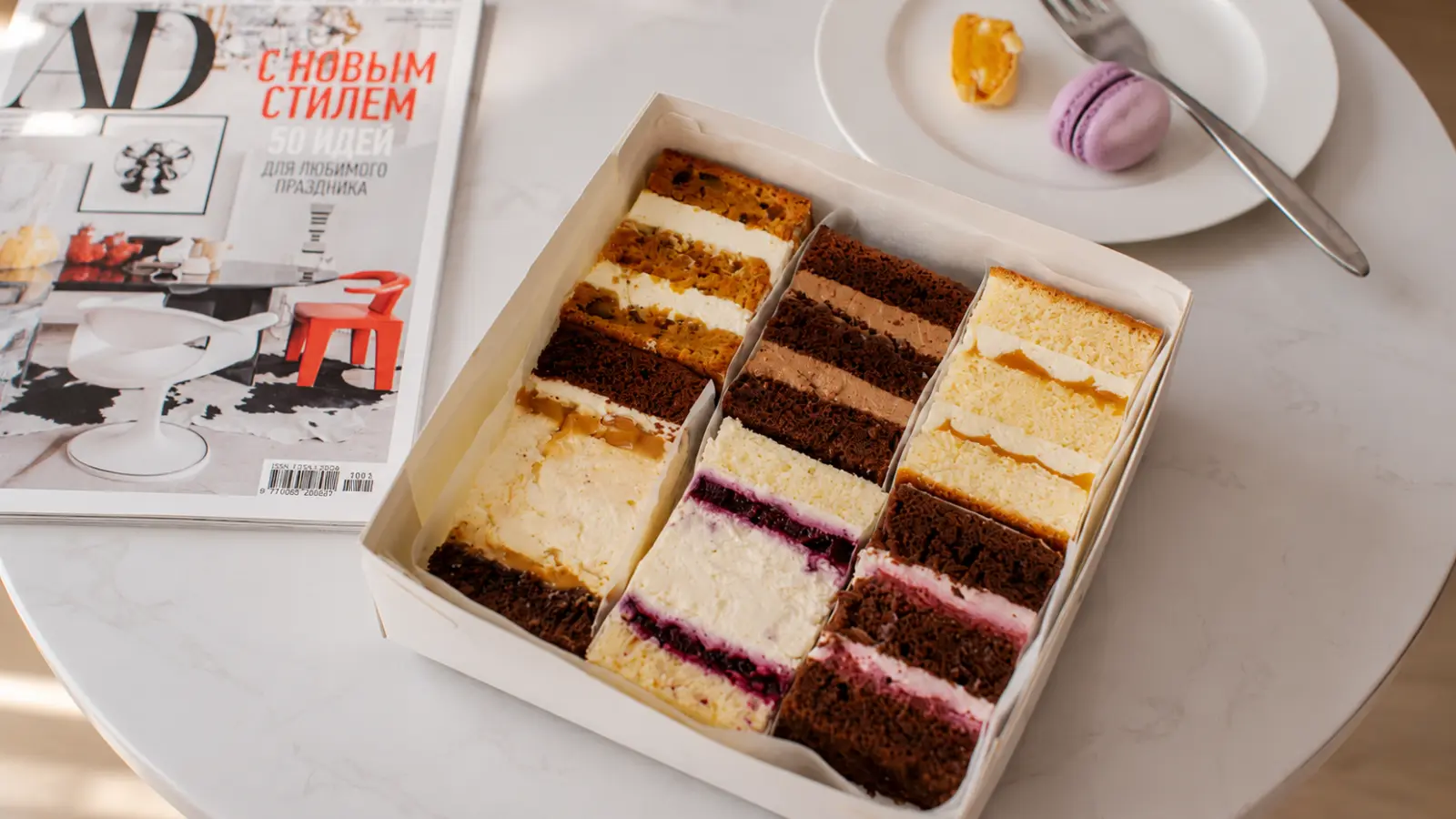
Classic wedding cake flavors are classic for a specific reason: they have worked across many weddings, regions, and guest mixes because they are familiar, flexible, and reliable. Not because they are safe choices made in the absence of imagination, but because they are genuinely excellent flavors that execute well at scale, pair naturally with the most common frostings and fillings, and hold up through the logistics of a wedding reception — transport, temperature, display time, and service.
Vanilla
Vanilla remains one of the most popular wedding cake flavors in the United States — not by default, but because it performs well across many wedding styles and guest lists. A properly made vanilla wedding cake is harder to execute well than many people realize. It has no secondary flavor to mask a weak crumb, no filling to compensate for a dry layer, no character beyond the quality of the vanilla itself and the technique of the baker. When it is right, it is extraordinary — clean and warm and not too sweet, a perfect base for almost any filling or frosting combination.
The distinction that matters during a wedding cake tasting: plain vanilla, vanilla bean, and French vanilla may mean different things depending on the bakery. Vanilla bean usually includes visible vanilla seeds or paste, while French vanilla often suggests a richer, more custard-like flavor profile. Ask the baker exactly what they mean before choosing. The difference in taste is meaningful, and the difference in cost is modest — French vanilla is worth asking for specifically if it is available.
Best pairings: Fresh strawberry jam and vanilla bean buttercream · Raspberry preserves and Swiss meringue buttercream · Lemon curd and elderflower frosting · Salted caramel filling and brown butter buttercream
Almond
Almond wedding cake has a long history in European-inspired baking and formal celebration cakes, which gives it an association with tradition, warmth, and elegance that feels slightly different from vanilla. In practice, it is a warmer, richer flavor than vanilla, with a slightly denser crumb and a distinctive nuttiness that works especially well with stone fruit fillings and apricot jam.
The important caveat: tree nut allergies are common enough that serving almond cake at a wedding requires either an allergy disclosure table card at the dessert station or a second cake option for guests with nut allergies. Most professional bakers who work with almond cakes are accustomed to this conversation and will advise accordingly.
Best pairings: Apricot jam and almond buttercream · Cherry preserves and dark chocolate ganache · Lemon curd and vanilla bean frosting · Amaretto-soaked layers with mascarpone filling
Chocolate
Chocolate is one of the most commonly chosen wedding cake flavors after vanilla, and it is also one of the most adaptable. The range within “chocolate cake” is enormous: a light milk chocolate with white chocolate mousse tastes completely different from a dense dark chocolate with espresso ganache. When couples say they want a chocolate wedding cake, the conversation with the baker about which chocolate is arguably more important than the conversation about which tier sizes.
Chocolate wedding cakes were once considered informal or less traditional in some circles, but they now work beautifully in many formal wedding settings. A polished chocolate cake with ivory buttercream exterior and a rich ganache filling is a fully formal wedding cake. The exterior frosting does not have to be chocolate — and choices like buttercream or fondant can change both the appearance and balance of the cake.
Best pairings: Dark chocolate ganache and salted caramel · Espresso filling and vanilla Swiss meringue buttercream · Raspberry jam and dark chocolate mousse · Hazelnut praline cream and milk chocolate ganache
Red Velvet
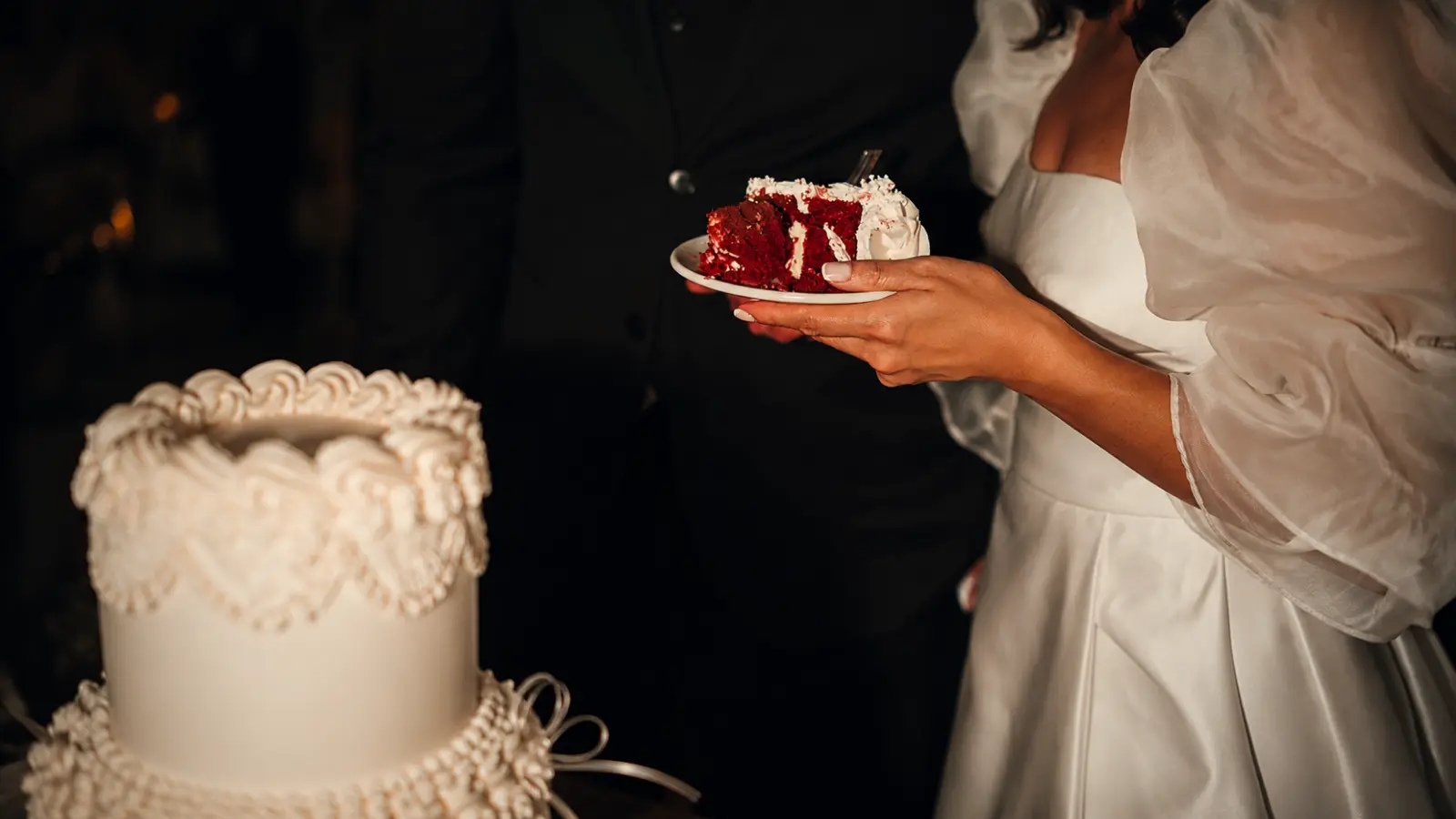
Red velvet is visually one of the most dramatic wedding cake flavors — the deep crimson crumb revealed at the first slice creates a genuine moment of surprise and delight at the cutting. Its flavor is subtly cocoa, slightly tangy from buttermilk in the batter and naturally paired with cream cheese frosting in a way that feels especially classic for this flavor. Separating red velvet from cream cheese frosting is technically possible but rarely desirable — the cream cheese tang is what balances the subtle bitterness of the cocoa.
Red velvet works particularly well as a non-primary tier in a multi-flavor cake — it makes an extraordinary reveal in the second or third tier after a first-tier vanilla or lemon, and the color contrast in photographs is exceptional.
Best pairings: Classic cream cheese frosting · Cream cheese and vanilla bean filling · White chocolate cream cheese ganache · Brown butter cream cheese frosting
Carrot
Carrot wedding cake feels especially natural for fall wedding cakes and celebrations built around warm, seasonal flavors. A well-made carrot cake can be one of the most flavorful, moist, and satisfying options on a wedding dessert menu. Shredded carrots in the batter keep the cake exceptionally moist through the reception hours in ways that some other flavors do not. The warm spice profile — cinnamon, nutmeg, ginger — is distinctive without being aggressive, and the cream cheese pairing is arguably the most natural frosting match of any wedding cake flavor.
Carrot cake also tends to appeal strongly to guests who find most wedding cake too sweet. The earthy sweetness of the carrot and the tang of the cream cheese create a more complex, less cloying dessert profile that guests who typically leave their wedding cake plate half-finished tend to eat entirely.
Best pairings: Classic cream cheese frosting · Spiced cream cheese with candied ginger · Brown butter frosting · Maple cream cheese and toasted walnut filling
Modern Wedding Cake Flavors
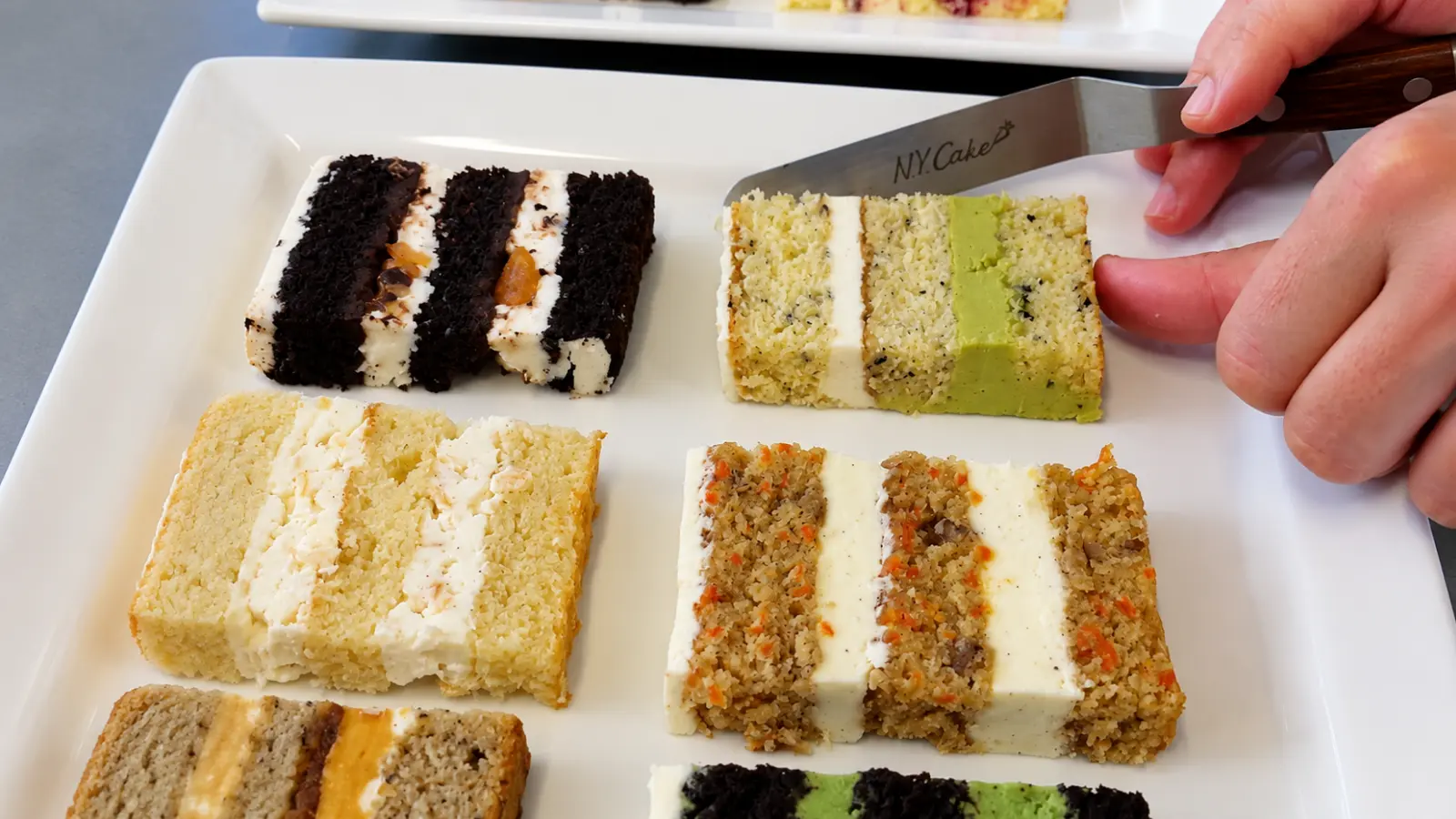
Modern wedding cake flavors represent a shift in how couples approach the cake conversation — less deferring to tradition, more treating the wedding cake like any other intentional culinary choice. The flavors below have earned genuine traction at weddings, not as novelty gestures but as legitimate, well-executed options that work in the specific context of a celebration cake served to a large group.
Champagne
Champagne wedding cake is perhaps the most natural evolution of vanilla — a vanilla-based batter made with real champagne or a quality sparkling wine as part of the liquid. The champagne does not produce a wine flavor in the finished cake. What it adds is subtler: a slightly lighter crumb, a faint complexity in the background sweetness, and a delicate quality that feels more refined than plain vanilla without being unfamiliar. Paired with champagne buttercream and a layer of peach or strawberry preserves, it is one of the most cohesive flavor experiences available in a wedding cake.
The association with celebration makes champagne cake a particularly natural choice for weddings — it is the one flavor that feels inherently connected to the occasion. For couples who want something more distinctive than vanilla without moving too far from a familiar flavor profile, champagne can be a strong step up.
Best pairings: Peach preserves and champagne buttercream · Raspberry jam and elderflower Swiss meringue · White chocolate mousse and vanilla bean frosting
Lemon
Lemon has become a reliable wedding cake favorite, particularly for spring and summer weddings, where its brightness feels natural. The best lemon wedding cakes use actual lemon zest in the batter rather than lemon extract, producing a more natural, complex citrus flavor that does not read as artificial. Paired with lemon curd between the layers and elderflower buttercream on the exterior, lemon is a complete, cohesive flavor experience that is simultaneously approachable and sophisticated.
Lemon also photographs well — the zesty brightness translates into a slight warmth and texture in the crumb that is visible at close range, and the yellow tint of a lemon curd filling creates a beautiful reveal at the cut.
Best pairings: Lemon curd and elderflower buttercream · Fresh blueberry jam and vanilla bean frosting · Raspberry preserves and lemon Swiss meringue · Lavender cream and honey glaze
Coconut
Coconut wedding cake is a regional favorite that works especially well for beach wedding cakes, coastal celebrations, tropical receptions, and destination-style events. A proper coconut wedding cake uses coconut milk in the batter, shredded coconut in the layers, and coconut cream in the filling, creating a layered coconut experience that tastes like it was made for a celebration. The flavor is tropical without being exotic, familiar enough for most guests, and distinctive enough to be memorable.
Coconut pairs particularly well with tropical fruit fillings — mango, passion fruit, pineapple — and with lime buttercream for a brighter, more citrus-forward result.
Best pairings: Mango curd and coconut cream · Passion fruit filling and lime buttercream · Toasted coconut filling and vanilla bean frosting · Pineapple jam and coconut Swiss meringue
Strawberry
Strawberry wedding cake — made with real strawberry puree in the batter, not strawberry extract — is a fresh, naturally sweet option that works especially well for spring and early summer weddings. The pink-tinted crumb is visually distinctive in a way that surprises guests pleasantly at the cut, and fresh strawberry filling between the layers creates a dessert that feels seasonal and considered. Strawberry also appeals strongly to guests of all ages, including children, without feeling juvenile when the execution is professional.
Best pairings: Fresh strawberry jam and vanilla bean buttercream · Mascarpone cream and fresh strawberry layers · White chocolate mousse and strawberry coulis · Cream cheese frosting and strawberry compote
Earl Grey
Earl Grey wedding cake — a vanilla-based batter infused with steeped Earl Grey tea, producing a subtle bergamot flavor — has become a distinctive option for weddings with a British, garden party, or literary aesthetic. The bergamot creates a slightly floral, slightly citrusy note that is unlike anything else in the wedding cake flavor canon. It is not a divisive flavor in the way that something like matcha or lavender can be — the tea note is present but gentle enough that guests who do not recognize it still enjoy the cake.
Best pairings: Honey buttercream and lavender filling · Lemon curd and vanilla bean frosting · Bergamot Swiss meringue and fresh blackberry jam
Brown Butter and Salted Caramel
Brown butter wedding cake — a vanilla cake in which the butter is browned before being incorporated into the batter, creating a nutty, caramel-like depth — is a sophisticated option often found at pastry-focused bakeries. It does not taste like caramel; it tastes like a better, richer vanilla, with a warmth and complexity in the background that most guests cannot quite name but consistently respond to. Paired with salted caramel filling and a miso or brown butter buttercream, it is an exceptional choice for fall and winter weddings.
Best pairings: Salted caramel filling and vanilla bean frosting · Apple compote and cinnamon cream · Praline cream and milk chocolate ganache
Other modern flavors worth noting
- Lavender honey: A gentle floral note with honey sweetness. Works well for garden weddings and spring celebrations. Best used as a secondary tier rather than the primary flavor for a mixed-preference crowd.
- Olive oil and citrus: Mediterranean-inspired, dense and moist with a mild fruitiness. Growing in popularity for weddings with Italian or Greek themes.
- Matcha: Earthy and subtly bitter. A beautiful cake with a distinctive green crumb. Best for couples who know their guest mix leans adventurous — it divides more than most other modern flavors.
- Funfetti: Deliberately nostalgic, a vanilla cake with confetti sprinkles baked into the batter. Increasingly appearing at fun, irreverent celebrations and morning-after brunch receptions where a formal cake is not appropriate. Not traditional — but consistently received with delight.
Wedding Cake Fillings
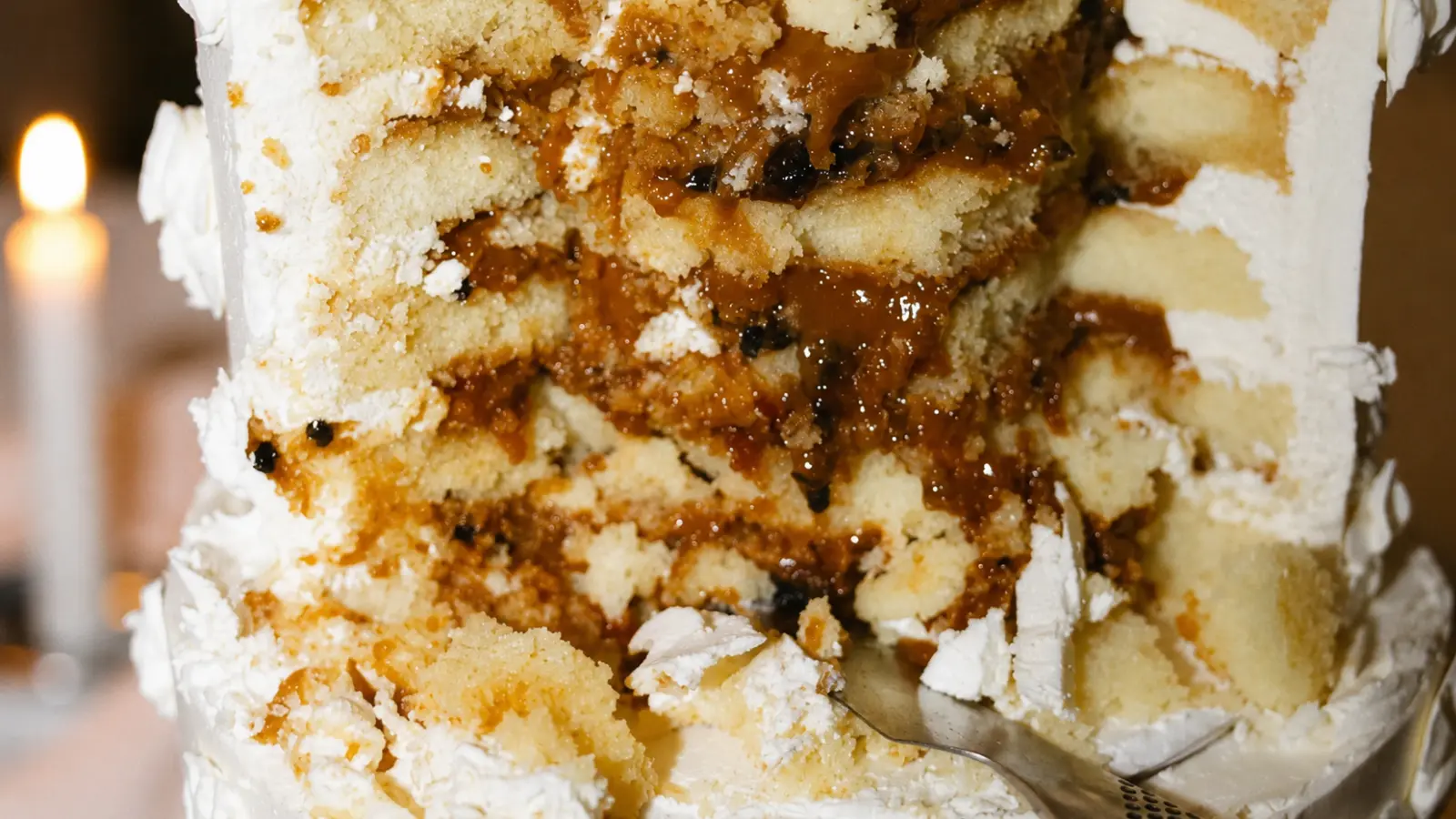
The filling is often one of the parts of the wedding cake guests remember most clearly, sometimes even more than the frosting or exterior decoration. It is what they taste when they take the first bite, before the frosting registers, and it is where the flavor complexity of the cake actually lives. A well-chosen filling elevates a good cake into a great one. A poor filling — too sweet, too thin, or leaking out the sides — can become one of the most noticeable problems in a wedding cake.
There are four categories of wedding cake filling to understand:
Fruit jams and preserves
One of the most traditional wedding cake filling categories. Raspberry, strawberry, apricot, passion fruit, peach, blueberry, and blackberry are common options. Quality matters enormously here — a filling made from high-quality whole-fruit preserves tastes categorically different from one made with a commercial jam. Ask your wedding cake baker about the source of their fruit fillings; the best bakeries use house-made preserves or premium imported products.
- Raspberry: The most classic pairing for vanilla and chocolate cakes. Slightly tart, deep fruit flavor, pairs with both dark and white chocolate ganache.
- Strawberry: Sweeter and fresher than raspberry. Works best with vanilla, champagne, and lemon bases.
- Apricot: The traditional almond cake companion. Bright, slightly tangy, complements nutty flavors without competing.
- Passion fruit: Tropical and intensely flavored. Pairs with coconut and vanilla for a distinctive, modern combination.
- Lemon curd: Technically a curd rather than a preserve, but grouped here for function. The standard lemon cake filling — bright, tangy, intensely citrusy. Also works remarkably well in almond and champagne cakes.
Buttercream and cream fillings
A second layer of buttercream between the cake layers — often a flavored or infused buttercream that differs from the exterior frosting — is one of the cleanest and most reliable filling options. It is structurally stable, does not leak, does not introduce moisture to the cake layers, and allows for flavor complexity without the sweetness contrast of a jam.
- Salted caramel: Works with vanilla, chocolate, and brown butter bases. The salt cuts through the richness and prevents the filling from reading as cloying.
- Mascarpone cream: Lighter than buttercream, slightly tangy, works beautifully with strawberry and lemon.
- Whipped ganache: Chocolate ganache whipped to a lighter consistency — less dense than unwhipped ganache, more stable than mousse. An excellent choice for chocolate cake fillings.
- Praline cream: Hazelnut praline incorporated into a cream or buttercream base. Rich, nutty, pairs with chocolate and brown butter bases.
Mousse fillings
Mousse fillings — chocolate mousse, strawberry mousse, lemon mousse — are lighter and more airy than buttercream, with a more delicate texture that contrasts well with a dense or rich cake. The structural caveat: mousse fillings require refrigeration and are less stable than buttercream or ganache in warm temperatures. For outdoor summer weddings or receptions with limited refrigeration, mousse fillings are a meaningful risk that most professional bakers will flag proactively.
Cheese and cream fillings
- Cream cheese: The canonical pairing for red velvet and carrot cake. Slightly tangy, creamy, balances the sweetness of rich cake bases. Can be flavored with vanilla bean, lemon zest, brown butter, or maple.
- Whipped ricotta: Lighter than cream cheese, with a clean dairy flavor. Works particularly well in Italian wedding cake styles and olive oil-based batters.
Classic filling pairings by cake flavor
| Cake Flavor | Classic Filling | Modern Alternative |
|---|---|---|
| Vanilla | Raspberry jam + vanilla buttercream | Salted caramel + brown butter cream |
| Almond | Apricot jam + almond buttercream | Cherry compote + mascarpone |
| Lemon | Lemon curd + elderflower buttercream | Blueberry jam + lavender cream |
| Champagne | Peach preserves + champagne buttercream | Elderflower jelly + white chocolate ganache |
| Chocolate | Dark chocolate ganache + raspberry | Espresso ganache + salted caramel |
| Red Velvet | Classic cream cheese frosting | Brown butter cream cheese + vanilla |
| Carrot | Spiced cream cheese frosting | Maple cream cheese + candied ginger |
| Coconut | Coconut cream + pineapple jam | Mango curd + lime buttercream |
| Strawberry | Fresh strawberry jam + vanilla buttercream | Strawberry compote + mascarpone |
Seasonal Wedding Cake Flavors
Season can be one of the strongest guides for choosing a wedding cake flavor — not because certain flavors are unavailable year-round, but because some combinations feel more natural in certain settings, temperatures and menus. A lemon elderflower cake may feel more natural at a bright garden wedding than at a formal winter ballroom reception, even if the cake itself is excellent. Matching the cake flavor to the season is one of the easiest ways to create coherence across every sensory element of the reception.
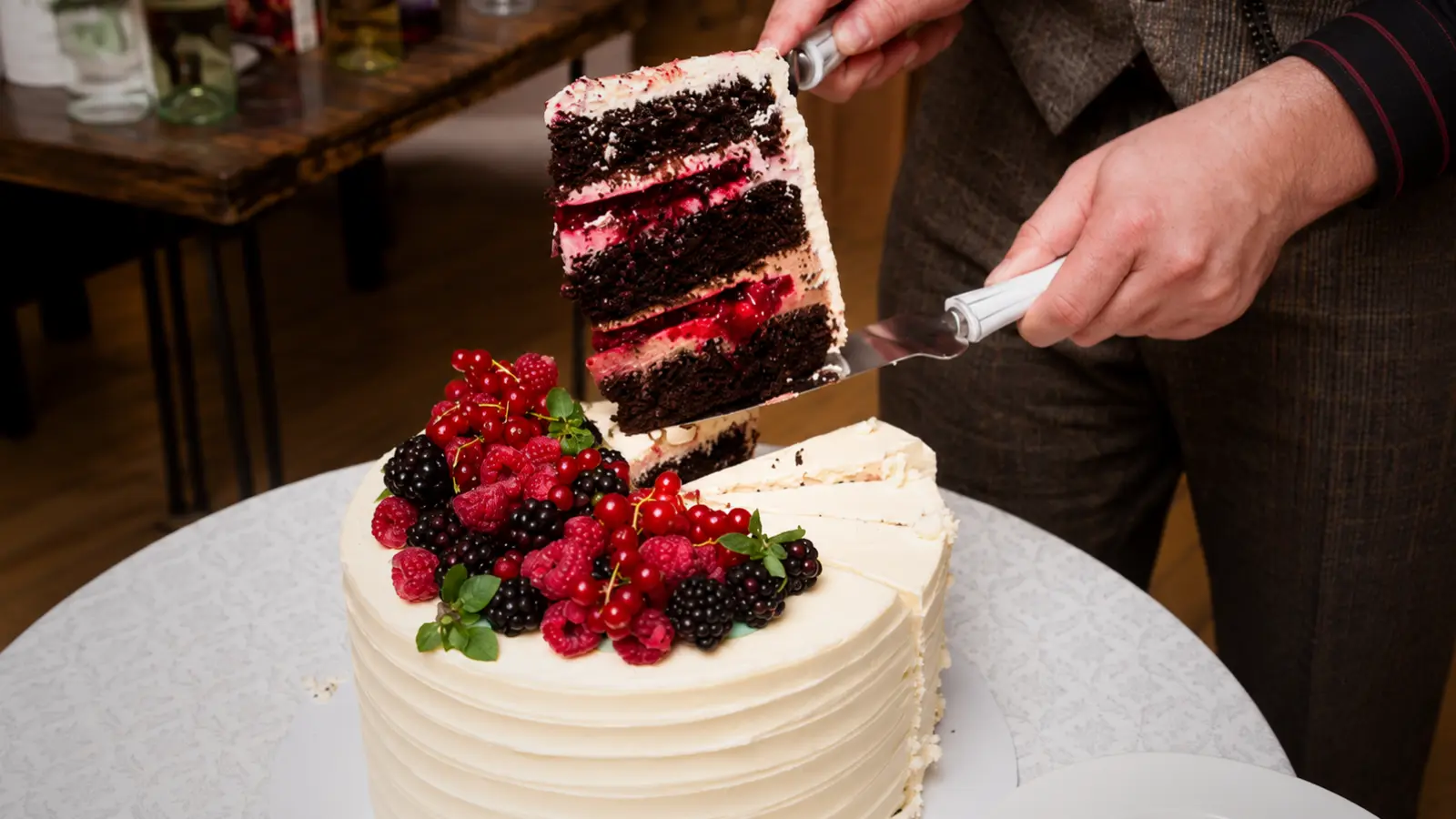
Spring wedding cake flavors
Spring weddings call for bright, fresh, floral flavors that reflect the season’s lightness. The strongest options:
- Lemon elderflower: A classic spring wedding cake combination. Bright citrus base, floral elderflower frosting, fresh and elegant in equal measure.
- Strawberry with vanilla: Fresh strawberry puree in the batter, strawberry jam between the layers, and vanilla bean buttercream. Seasonal fresh strawberries can be incorporated as a filling or decoration in spring when they are at their best.
- Lavender honey: A floral, slightly herbal flavor that pairs with the abundance of lavender blooming in spring and the honey that follows it. Subtle enough for a mixed crowd, distinctive enough to be remembered.
- Champagne with peach: Champagne-based batter with peach preserves and elderflower buttercream. Light, festive, seasonally appropriate.
Summer wedding cake flavors
Summer weddings — particularly outdoor receptions — require flavors that feel refreshing rather than heavy, and frostings that are stable in warm temperatures. Buttercream-based frostings hold better in heat than mousse or whipped cream. The best summer flavors:
- Coconut with mango: Tropical, refreshing, and genuinely summery. Coconut milk batter with mango curd filling and lime buttercream is one of the most complete summer wedding cake combinations available.
- Lemon with fresh blueberry: A seasonal pairing that works especially well in July and August when blueberries are at their peak. The blueberry jam adds a deeper, wilder fruit note to the lemon brightness.
- Strawberry with champagne: Combines two inherently celebratory flavors in a light, fresh combination that feels immediately appropriate at a warm-weather celebration.
- Key lime: Tart, citrusy, with a slightly tropical quality that works beautifully at beach and coastal summer weddings. Less common than lemon but increasingly requested.
Summer frosting note: frosting stability depends on the recipe, venue conditions, humidity, shade, and display time. American buttercream is often sturdier because of its higher sugar content, while Swiss and Italian meringue buttercreams are silkier but can be more sensitive to heat. If your summer reception is outdoors or in a non-air-conditioned venue, confirm with your baker which frosting style they recommend for the exact conditions.
Fall wedding cake flavors
Fall weddings are the most flavor-forward season for wedding cakes. The spiced, warming flavors that would feel heavy in July feel exactly right in October. The best fall options:
- Spiced apple: Apple compote and warm spice — cinnamon, cardamom, nutmeg — in the batter, with a brown butter or caramel cream filling. Deeply seasonal without being a novelty choice.
- Carrot cake: Arguably its best season. Warm spice, cream cheese frosting, earthy sweetness — everything about carrot cake is made for fall. Pairs naturally with seasonal decor including dried botanicals, pumpkin-colored flowers, and wood-toned accents.
- Brown butter with salted caramel: Rich and complex, the warm nuttiness of brown butter paired with salted caramel filling is among the most sophisticated fall wedding cake combinations. Less expected than spiced apple or pumpkin, more elegant.
- Pumpkin spice: A legitimate choice when executed well — a real pumpkin-based batter with warming spices rather than artificial flavoring. Best with cream cheese frosting and a pecan praline filling.
Winter wedding cake flavors
Winter weddings accommodate the richest, most celebratory flavors in the wedding cake canon. The season also lends itself to dramatic presentation — white frosting against winter greenery, dark chocolate with gold leaf, red velvet with ivory buttercream.
- Almond: A natural winter choice — the almond flavor’s warmth and its European festive associations make it feel particularly at home at winter celebrations. Paired with cherry preserve or apricot jam, it reads as sophisticated and seasonal simultaneously.
- Dark chocolate with espresso: Rich, bold, and warming. A dark chocolate cake with espresso ganache and a salted caramel layer is an excellent winter wedding cake that appeals to a wide audience without feeling expected.
- Red velvet: The crimson crumb is visually dramatic in ways that work especially well at winter and holiday-adjacent weddings. The contrast of red cake and white cream cheese frosting is inherently festive.
- Champagne: Works year-round but feels especially appropriate for the New Year’s Eve and holiday-season weddings that anchor the winter wedding calendar. The subtle effervescence of the flavor and its inherent association with celebration make it a natural choice.
- Eggnog or peppermint: Highly seasonal — works only for December and early January weddings where the holiday context makes the flavor feel intentional rather than odd. Eggnog cake with nutmeg buttercream and peppermint with white chocolate ganache are both genuinely excellent when executed at a professional level.
Best Flavors for a Crowd
Crowd-pleasing wedding cake flavors are not the most boring ones — they are the ones with the widest range of positive reception across different ages, palates, cultural backgrounds, and dietary preferences. The goal is not to pick a flavor that no one dislikes; that standard produces the most deliberately inoffensive choice, which is rarely the most enjoyable. The goal is to pick a flavor that the largest possible proportion of guests will genuinely enjoy.
The factors that determine crowd reception
- Age range of guests. A wedding with a significant number of elderly guests and young children skews toward classic flavors — vanilla, almond, strawberry — and away from complex modern options. A wedding of primarily peers in their late twenties and thirties can accommodate a much wider range.
- Cultural background. Some flavors have strong regional or cultural associations that affect reception. Almond is more familiar and expected in Italian and Middle Eastern guest groups. Coconut resonates more strongly in Caribbean, South Asian, and Pacific Islander contexts. A baker with experience serving diverse communities will often have useful input here.
- Dietary restrictions. Nut allergies are the most common flavor-related restriction at weddings. Almond and praline-based flavors require disclosure and ideally a separate nut-free alternative. Dairy restrictions affect cream cheese, mousse, and buttercream fillings rather than cake bases, which can often be made dairy-free on request.
- Sweetness tolerance. American weddings trend toward sweeter cakes than European traditions. If the wedding includes a significant number of guests from outside the US, or guests who generally prefer less-sweet desserts, a more complex flavor profile — carrot, brown butter, Earl Grey — with a less-sweet frosting will be received better than a very sweet vanilla with American buttercream.
The most crowd-safe choices, ranked
- Vanilla with strawberry or raspberry filling — the universal baseline. Fails almost never.
- Champagne with peach or elderflower — elevated vanilla. Familiar enough to not alarm, distinctive enough to be memorable.
- Lemon with vanilla or elderflower buttercream — widely loved, particularly at spring and summer weddings.
- Chocolate (not all-chocolate frosting) — when the exterior is ivory or neutral buttercream and only the interior is chocolate, it works for a wide audience.
- Strawberry with vanilla buttercream — fresh, familiar, appeals across all age groups.
The most crowd-divisive choices
This is not a reason to avoid these flavors — only a reason to be aware of the tradeoff. Matcha, lavender, passion fruit, peppermint, and funfetti all have a meaningful proportion of guests who will not enjoy them. If the wedding guest mix is conservative or unfamiliar, pairing a more adventurous primary tier with a crowd-safe secondary tier resolves the issue without requiring any flavor compromise from the couple.
How to Choose Your Wedding Cake Flavor
The wedding cake flavor decision is one of the few wedding planning decisions that can and should be made primarily based on enjoyment — the tasting — rather than logistics, opinion, or convention. The most reliable process follows these steps.
Step 1: Start with the season and setting
Before you narrow the flavor list at all, identify what the season and setting eliminate or elevate. An outdoor July reception in Florida eliminates mousse fillings and fragile buttercream. A December ballroom wedding elevates almond, champagne, and chocolate. A spring garden ceremony elevates lemon and elderflower. Seasonal alignment is one of the easiest filters to apply before narrowing the flavor list.
Step 2: Consider your guest mix honestly
Think through the age range, dietary restrictions, and any strong cultural or regional flavor associations that apply to your specific guest list. If the guest list is predominantly family members over 60, factor that in. If it is predominantly food-curious people in their thirties, a wider range becomes available. The goal is not to please everyone — it is to not specifically alienate anyone when the alternative choices are equal in quality.
Step 3: Book tastings with multiple bakeries
One of the most useful ways to choose a wedding cake flavor is to taste before committing to a final order. If you are comparing bakers, tasting with more than one bakery can show how differently the same flavor can be executed. The same flavor — “vanilla with raspberry” — tastes completely different at different bakeries, and that difference is not a matter of preference. Quality of ingredients, skill in the kitchen, and the specific recipe each baker uses produce genuinely different results. The best wedding cake flavor is the best-executed one, regardless of what it is called.
At each tasting:
- Taste the cake and filling together, not separately — the combination is what guests experience
- Taste the frosting as it will appear on the finished cake — a thick exterior layer, not a thin smear
- Ask about substitutions: if a base flavor is excellent but the standard filling does not appeal, ask whether a different filling can be substituted
- Note the sweetness level — some bakeries trend significantly sweeter than others, and that factor matters for a large, diverse guest group
Step 4: Consider different flavors per tier
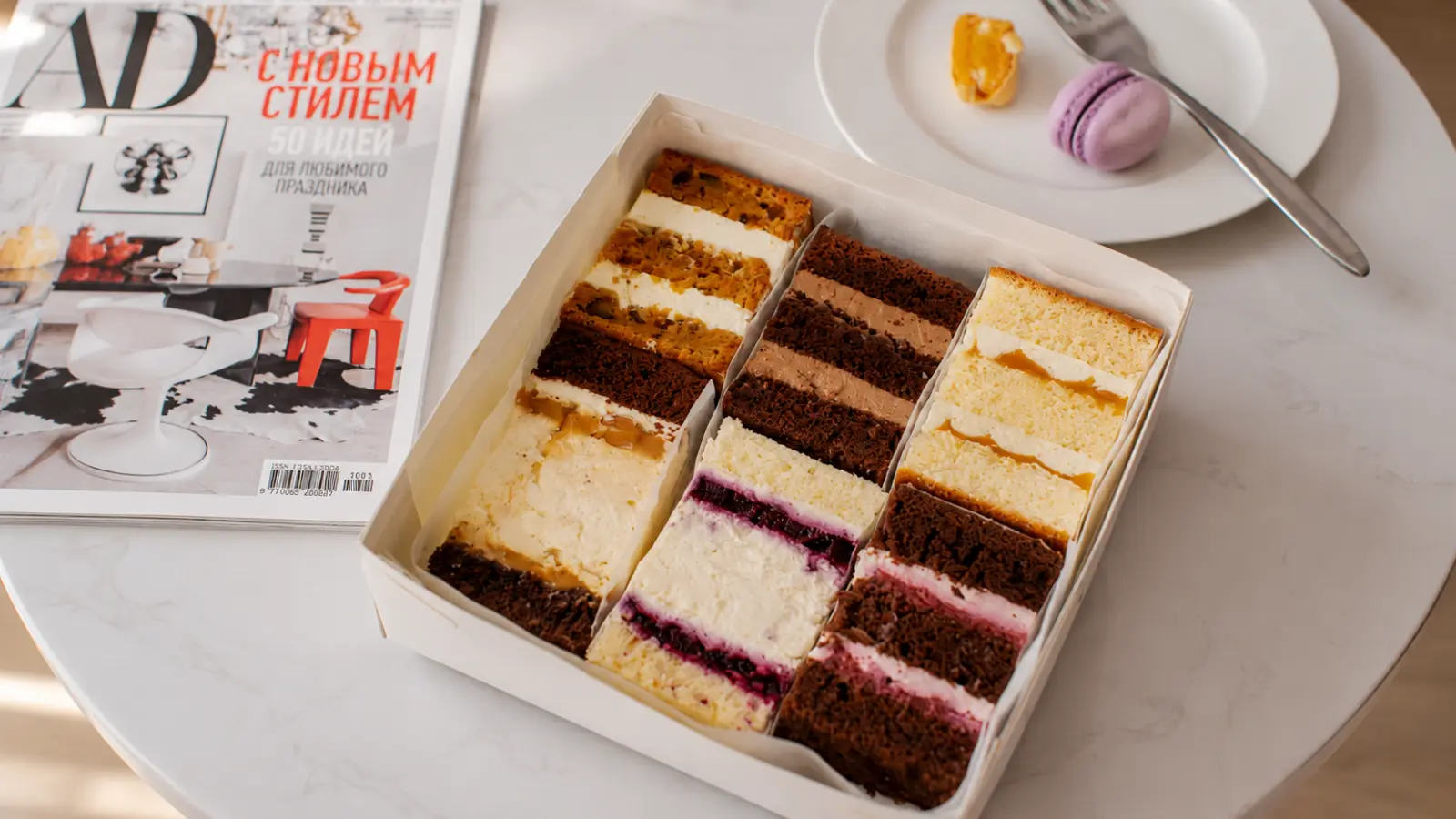
If you and your partner have different preferences — one of you wants chocolate and the other wants vanilla — different flavors per tier are a common option at many professional bakeries, though pricing and logistics vary by bakery. It also gives guests a choice without requiring a second complete cake. A two-tier wedding cake with vanilla on the first tier and lemon on the second covers significantly more preference territory than either flavor alone.
The standard recommendation for multi-flavor cakes: keep the exterior decoration, frosting, and wedding cake design consistent across tiers so the cake reads as one cohesive piece when displayed. Different interior flavors, same exterior presentation.
Step 5: Confirm the technical requirements for your venue
Before finalizing a flavor, confirm whether your venue has refrigeration available for the cake before service. Some fillings — mousse, fresh fruit compote, whipped cream — require refrigeration. If the venue does not have a dedicated refrigerated cake storage area, or if the reception is outdoors in warm weather, certain filling options are eliminated on technical grounds regardless of how much you enjoy them at the tasting.
Wedding Cake Flavors Inspiration Board
Before choosing your final cake flavor, it helps to see how wedding cake flavors can feel just as inspiring as the design itself when paired with seasonal fillings, fresh fruit, buttercream styles, and beautiful presentation. Explore our wedding cake flavors inspiration board for vanilla cakes, lemon fillings, almond pairings, chocolate wedding cakes, champagne flavors, fruit preserves, and elegant ideas to bring to your cake tasting.
Final thoughts
The best wedding cake flavor is not always the safest choice or the most unusual one. It is the flavor that fits the season, suits the guest list, works with the cake design, and tastes genuinely good when made by the baker you choose.
A wedding cake should be beautiful, but it should also be remembered for the right reason. When the cake, filling, frosting, and presentation work together, the final result feels thoughtful, balanced, and personal from the first slice to the last.
Frequently asked questions (FAQ)
Should you choose your favorite wedding cake flavor or what guests will like?
The best choice is usually somewhere in the middle. Your wedding cake should feel personal, but it is also a dessert being served to a large group of people. Many couples choose a crowd-friendly main tier and a more unique flavor for a smaller tier, creating a balance between personality and guest experience.
What is the biggest mistake couples make when choosing wedding cake flavors?
Choosing a flavor because it sounds interesting instead of focusing on execution. A perfectly made vanilla, lemon, or almond cake will usually be remembered more than an unusual flavor that does not taste balanced. The quality of the baker matters more than the creativity of the flavor name.
Why do some wedding cakes taste better at the tasting than at the reception?
A tasting happens under ideal conditions, while the wedding cake has to survive transportation, display time, temperature changes, and service. The best wedding flavors are not only delicious in a sample — they remain enjoyable after the full wedding-day process.
Is it better to offer one wedding cake flavor or multiple flavors?
Multiple flavors can be a great option, especially for larger weddings. However, the goal should be balance rather than offering too many choices. A classic flavor paired with something more personal usually creates enough variety without making the cake feel disconnected.
What is the most popular wedding cake flavor?
Vanilla is one of the most popular wedding cake flavors because it is familiar, flexible, and easy to pair with many fillings and frostings. Vanilla bean, almond, lemon, chocolate, and champagne are also strong choices depending on the season, guest list, and bakery style.
What wedding cake flavor do most guests like?
Most guests tend to respond well to familiar flavors with a little freshness, such as vanilla with raspberry or strawberry filling, lemon with vanilla buttercream, chocolate with ganache, or champagne with peach. The safest choice is usually a well-executed classic rather than a flavor that sounds unusual but may divide the room.