
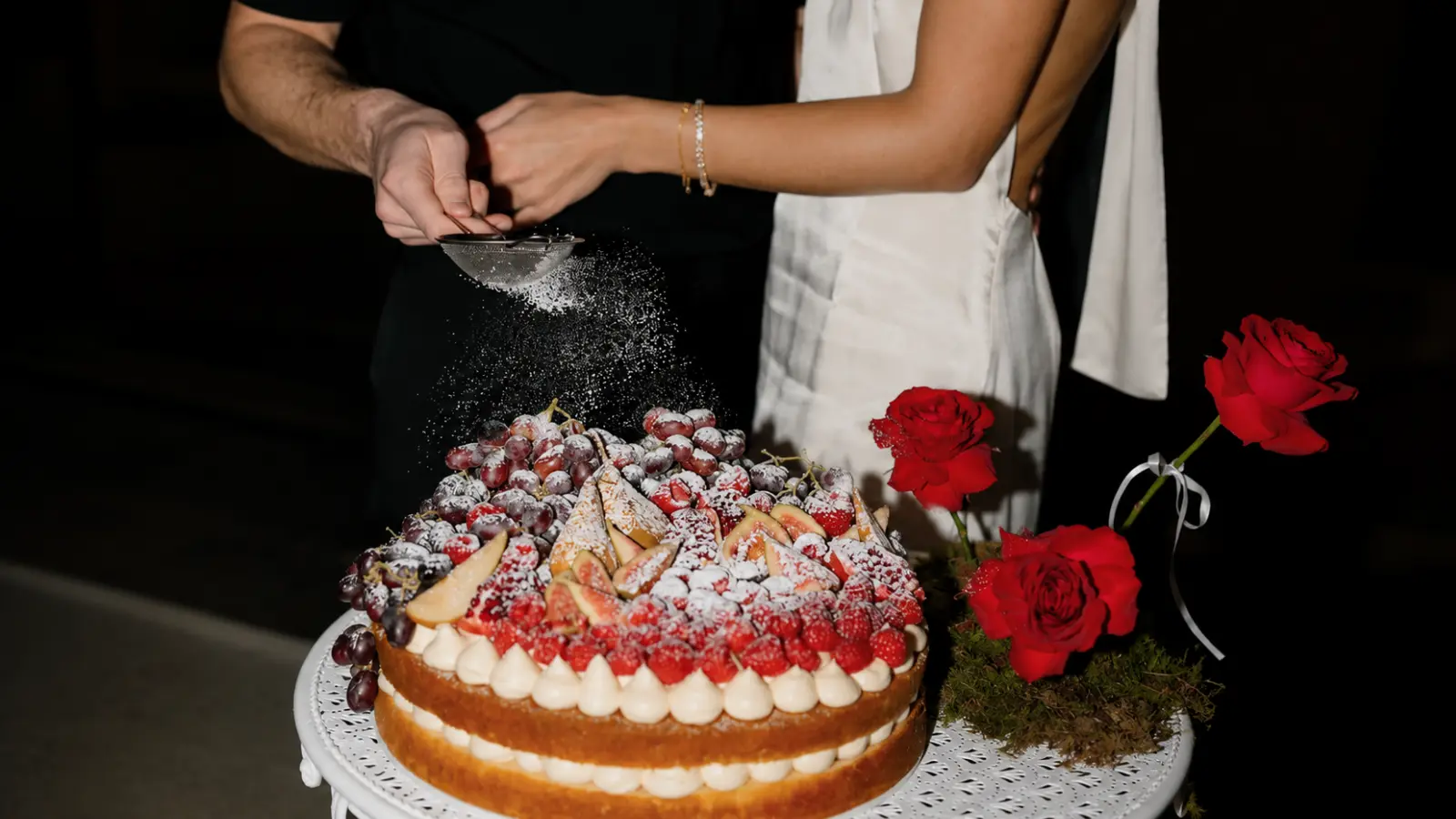
Italian wedding cake usually refers to wedding desserts inspired by Italian pastry culture, known for elegant presentation, lighter textures, regional flavors, and a focus on high-quality ingredients over excessive decoration. Unlike many classic American wedding cakes, Italian cakes often highlight pastry techniques, fresh creams, fruit, and simple details designed around taste.
One of the most famous examples is the millefoglie wedding cake, a traditional Italian pastry made with delicate puff pastry layers and cream filling. However, Italian weddings can also feature regional desserts, sponge cakes, cannoli displays, Sicilian specialties, and modern interpretations influenced by centuries of Italian baking traditions.
This guide explores everything about Italian wedding cakes, including millefoglie traditions, regional cake styles, popular Italian wedding cake flavors, how they compare to American wedding cakes, Italian-inspired cake ideas, dessert traditions, and how couples can bring this elegant style into their own celebration.
What Is an Italian Wedding Cake?
The answer depends largely on which part of Italy you are in — and this is one of the first things to understand about Italian wedding cake tradition. Italy does not have a single unified wedding cake culture the way the United States does. What constitutes the wedding cake in Milan is different from what it is in Naples, which is different again from what a Sicilian family considers the non-negotiable centerpiece of the wedding table. Regional pastry identity in Italy is strongly preserved, and wedding desserts are one of the places where that identity often appears clearly.
That said, millefoglie is one of the most recognizable Italian wedding cake styles, especially in northern and central Italy. It is commonly associated with weddings in regions such as Tuscany, Piedmont, Lombardy, Veneto, and Emilia-Romagna. It appears in Italian wedding photography and Italian wedding culture broadly in a way that no other single cake format does. And it is the element of Italian wedding cake tradition that has the most potential to genuinely surprise couples who encounter it for the first time — because it looks nothing like what the word “wedding cake” typically produces in an American imagination.
What the Italian wedding cake is not: a towering fondant structure designed to be photographed. Italian pastry culture tends to place strong emphasis on the relationship between how a cake looks and how it tastes. A cake that achieves visual grandeur at the cost of flavor and texture would feel less aligned with traditional Italian pastry priorities. This is the foundational philosophical difference between Italian and American wedding cake culture, and understanding it explains almost everything else about why Italian wedding cakes look and taste the way they do.
Millefoglie Wedding Cake — Meaning, Layers and Tradition
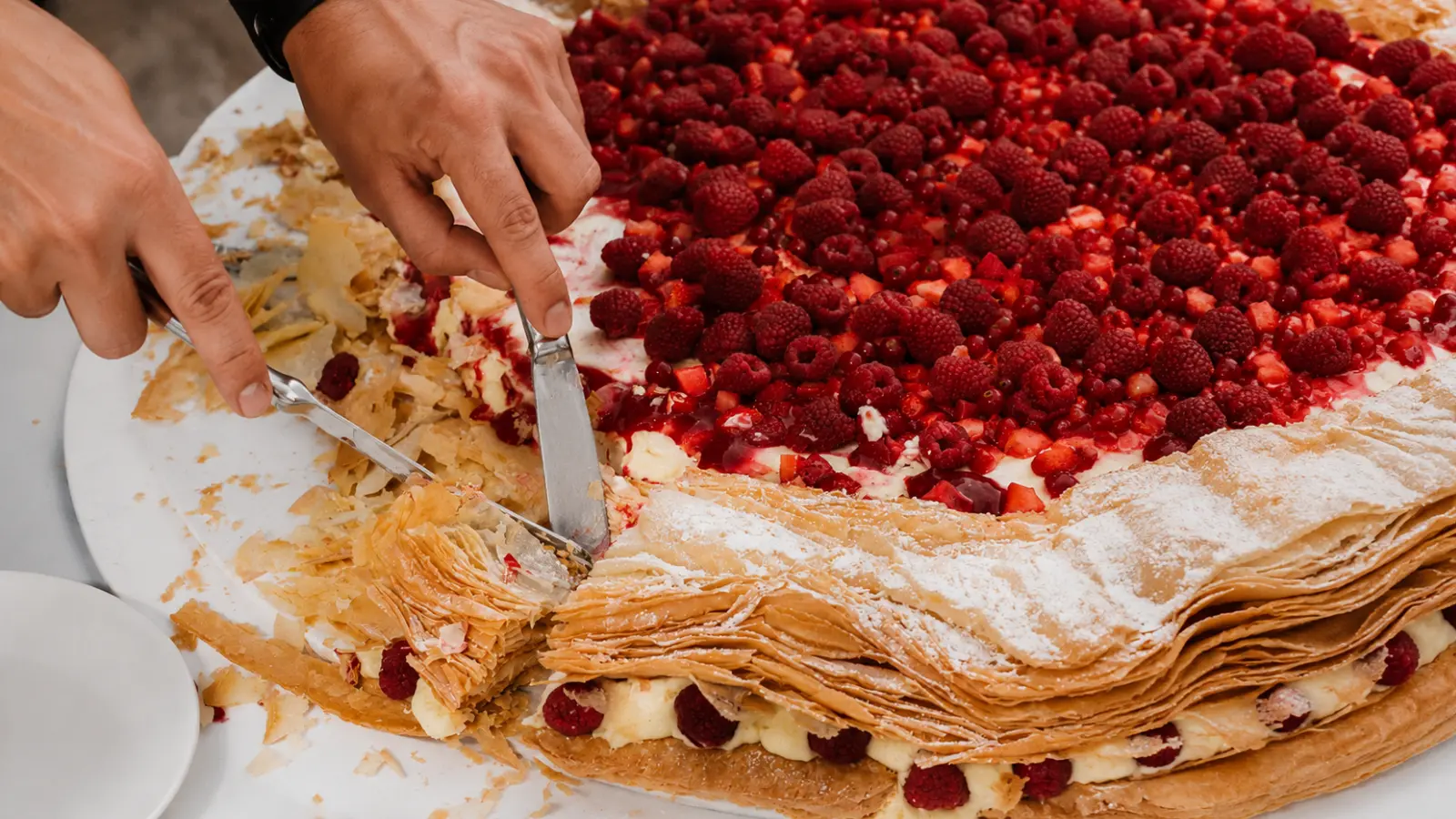
The millefoglie — known in French pastry tradition as the mille-feuille and sometimes called a Napoleon cake in the United States — is at its core a study in contrast. The pastry is crisp to the point of shattering when you cut through it. The cream filling is soft, cold, and barely sweet. The combination of those two textures in every bite is the entire point, and it is one reason a pastry with no fondant, no buttercream piping, and no architectural height has remained meaningful at many Italian celebrations.
The anatomy of a millefoglie
The sfoglia — the pastry layers. Sfoglia means “sheet” or “leaf” in Italian, and it refers to the laminated puff pastry that forms the structural element of the millefoglie. Proper laminated puff pastry — made by folding butter into dough dozens of times over hours or days — produces hundreds of microscopically thin layers that separate and crisp in the oven into the characteristic shatteringly brittle texture. This is difficult to replicate with basic store-bought puff pastry, which is why millefoglie quality depends heavily on the pastry, the lamination process, and the baker’s skill.
The sfoglia layers are baked separately, typically until deeply golden — not just lightly browned — to ensure maximum crispness. Some bakers dust the top layer with powdered sugar and caramelize it under a broiler or with a torch, creating a lacquered, glass-like surface that is both beautiful and structurally firmer than unglazed pastry.
The cream filling. The filling sits between the pastry layers and is where most of the flavor variation in millefoglie happens. The two most traditional options are:
Crema pasticcera — Italian pastry cream, made from egg yolks, sugar, milk, and flour or starch, flavored with vanilla bean. Richer and more set than whipped cream, with a custard quality that provides a contrast to the airy crispness of the pastry. The traditional choice at many Italian patisseries and wedding bakers in the north.
Chantilly — lightly sweetened whipped cream, often stabilized slightly to hold through the reception. The lighter of the two options, and the one that amplifies the crispness contrast of the pastry most effectively because there is nothing heavy or dense to compete with it. More delicate, more perishable, and in many ways more beautiful.
Many bakers use a combination — crema pasticcera for the structural interior layers and chantilly for the visible exterior layer between the top pastry sheet and the presentation surface. Fresh fruit — strawberries, raspberries, or mixed berries — is commonly layered into the cream, adding color, acidity, and freshness.
The exterior. The top surface of a millefoglie at a wedding is typically dusted with powdered sugar — sometimes generously, sometimes just a veil — and decorated with fresh fruit, flowers, or both. The simplicity is intentional. Unlike American wedding cakes where the exterior decoration is the aesthetic focal point, the millefoglie’s exterior usually announces exactly what it is: pastry, cream, fruit, and simple decoration that supports the eating experience.
How a millefoglie is served at an Italian wedding
The millefoglie at a wedding is typically made in a large rectangular or round format — essentially a scaled-up version of the individual pastry — rather than in the stacked-tier format of an American wedding cake. It sits on a serving board or platter rather than on a tiered cake stand. The cutting is done by the catering staff rather than the couple in most cases, though some couples still include a traditional wedding cake cutting moment.
This is one of the key practical differences from an American wedding cake: the millefoglie does not have the same ceremony or visual presence as a tiered cake. It is usually less about being a tall room centerpiece and more about the eating experience. The moment it is cut and served is when it achieves its full effect: crisp pastry, cold cream, and a texture that feels very different from a traditional tiered cake.
The timing problem — and why it matters
The millefoglie’s greatest challenge at a wedding is the same quality that makes it extraordinary to eat: the puff pastry begins absorbing moisture from the cream filling as soon as the cake is assembled, and over time it begins to lose its characteristic crispness and become softer, especially in warm conditions or when assembled far in advance. A millefoglie assembled many hours before service will not have the same texture as one assembled close to the time it is served.
Skilled Italian wedding pastry bakers account for this by assembling the final cake at or very near the venue, as close to the serving time as possible. The components — baked pastry layers, prepared cream, fresh fruit — travel separately and are assembled on-site. This requires coordination with the venue and a baker experienced enough with the logistical challenge that this is standard practice rather than an exception. When vetting a baker for a millefoglie wedding cake, ask specifically about their assembly protocol. The answer tells you immediately whether they have done this before.
Traditional Italian Wedding Cakes by Region
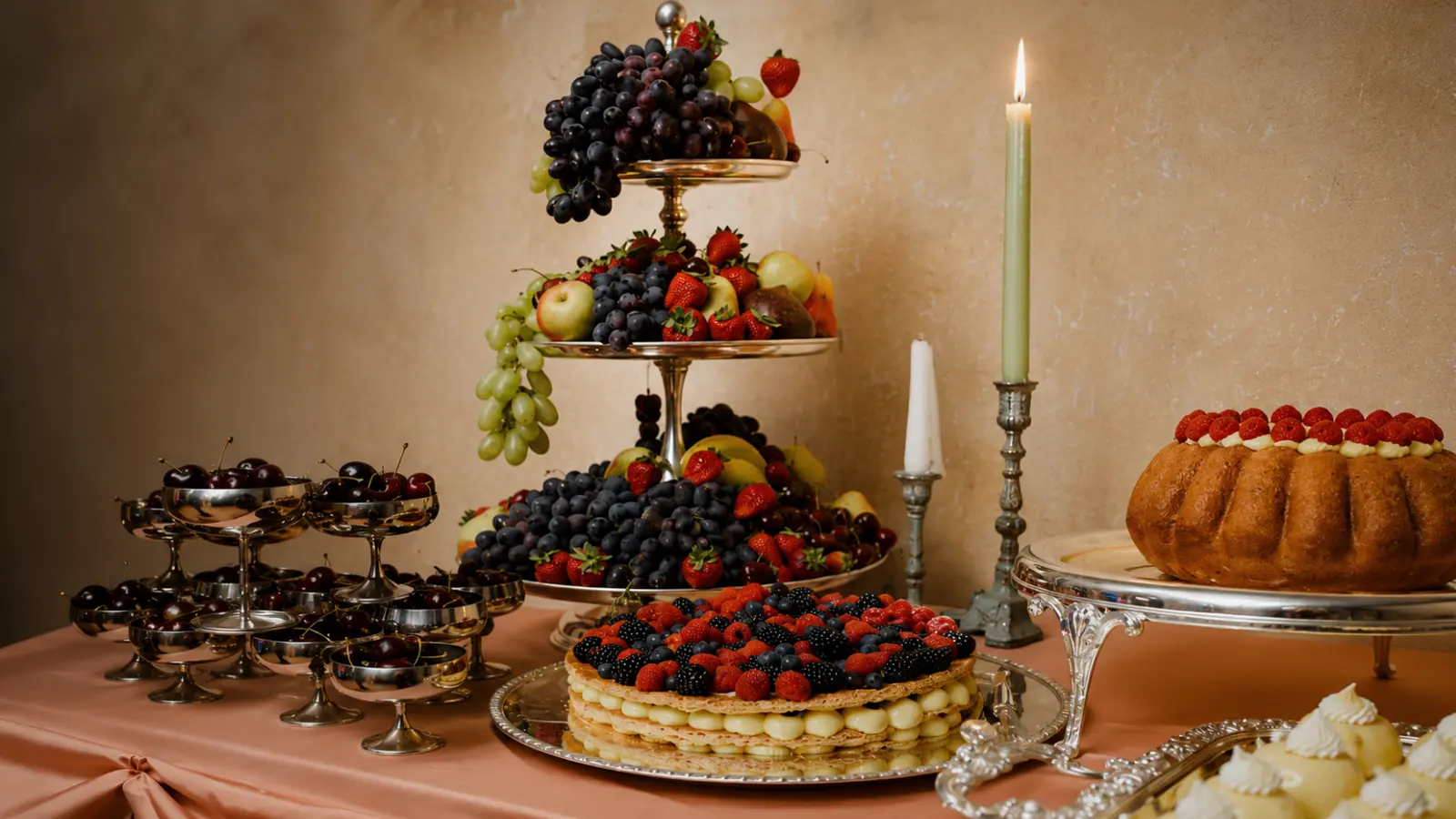
Italy’s regional pastry identity is one of the defining features of its food culture. The wedding cake — as the centerpiece of the celebration table — is one of the most concentrated expressions of that regional identity. Understanding what different parts of Italy bring to the wedding table gives a much richer picture of what “Italian wedding cake” actually means.
Northern Italy — Piedmont, Lombardy, Veneto, Emilia-Romagna
The millefoglie dominates in the north, particularly in Piedmont and Lombardy. Northern Italian pastry tradition is more influenced by French pastry technique than the south, which explains the prevalence of laminated puff pastry and the emphasis on cream-based fillings. Piedmont brings its own regional contribution through the use of nocciola, or Piedmontese hazelnuts, as a distinctive flavor component — hazelnut cream, hazelnut pastry cream, and gianduja, the classic Piedmontese hazelnut-and-chocolate combination appear in northern Italian wedding pastry.
In Emilia-Romagna — the region that gave the world Parmigiano-Reggiano, prosciutto di Parma, and tortellini — wedding celebrations are elaborately food-centered, and the wedding cake reflects this. The zuppa inglese (a layered sponge cake soaked with Alchermes liqueur and layered with pastry cream and chocolate cream) is a traditional Emilian dessert that appears at weddings, alongside the millefoglie and elaborate torte made with Pan di Spagna.
Tuscany and Central Italy
Tuscany’s wedding cake tradition centers the millefoglie and Pan di Spagna-based torte, with a restrained aesthetic that mirrors the region’s broader design philosophy — clean lines, quality materials, nothing excessive. The Tuscan destination wedding market has made this aesthetic internationally visible: photographs of millefoglie on marble tables in Tuscan villas, dusted with powdered sugar and crowned with garden roses, have shaped the “Italian wedding cake” image in international wedding culture more than any other regional tradition.
Cantucci (Tuscan almond biscotti) and vin santo appear at the end of wedding meals as a traditional Tuscan pairing — the biscotti dipped into the sweet wine — and increasingly appear as part of the wedding dessert table alongside the main cake.
Naples and Campania
Naples brings one of the most distinctive regional wedding pastry traditions in Italy. The sfogliatella — a shell-shaped pastry with dozens of ultra-thin layers, filled with a ricotta and semolina cream flavored with lemon and cinnamon — is a Neapolitan specialty that appears at Neapolitan weddings as part of the pastry table. The bignè (Italian cream puff) is another Neapolitan staple — filled with pastry cream and often arranged in towers or croquembouche-style constructions at elaborate wedding celebrations.
The babà — a rum-soaked yeast cake specific to Neapolitan tradition — appears at weddings in large format versions served with Chantilly cream and fresh fruit. It is one of the few Italian wedding pastries with an immediately recognizable flavor profile — the rum-soaked quality is unmistakable and produces strong regional identity responses in Neapolitan families at weddings wherever in the world they are celebrating.
Sicily
Sicilian wedding pastry is among the most elaborate and visually distinct Italian regional traditions, reflecting the island’s complex cultural history — Greek, Arab, Norman, and Spanish influences are all visible in Sicilian pastry. The cassata Siciliana — a layered sponge cake soaked with liqueur, filled with sweetened ricotta and chocolate chips, covered in marzipan and candied citrus peel — is both a traditional Sicilian Easter dessert and a traditional Sicilian wedding cake. Its visual appearance is completely unlike a northern Italian millefoglie: vividly colored, decorated with candied fruit, elaborately patterned. It is a celebration of color and sweetness that is specifically and proudly Sicilian.
Cannoli — fried pastry tubes filled with sweetened ricotta, chocolate chips, and candied citrus — are essential at Sicilian weddings. They are served as part of the dessert table, often in tower arrangements, and given as part of the bomboniere. The pistachio from Bronte, the Sicilian town known for prized pistachios appears in pistachio cream cannoli, pistachio cake, and pistachio semifreddo — a Sicilian wedding dessert tradition worth seeking out at any Italian-Sicilian wedding or Sicilian-inspired celebration.
Torrone — a nougat made with honey, egg whites, and either almonds or pistachios — is another Sicilian wedding tradition. It appears as a favor, as part of the dessert table, and occasionally as a decorative element in elaborate pastry presentations.
Italian Wedding Cake Flavors
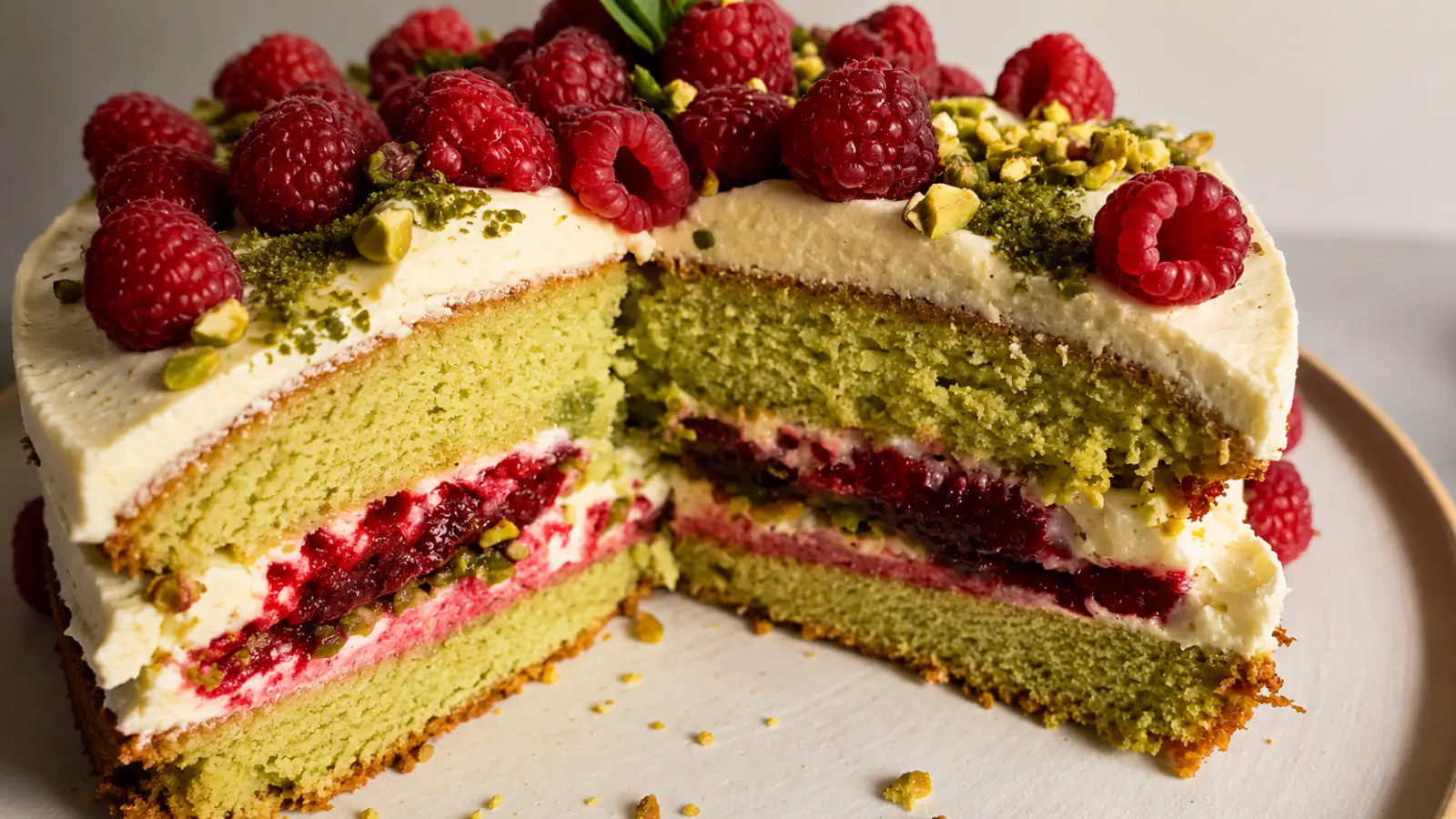
Italian wedding cake flavors reflect a pastry philosophy that often feels different from American wedding dessert culture. Where many American wedding cakes lean toward sweeter buttercreams, bold fillings, and highly recognizable flavor profiles, Italian wedding pastry often feels more restrained. The sweetness is present but calibrated. The flavors are meant to taste like ingredients rather than like a flavor concept. In the strongest versions, vanilla comes from real vanilla bean, lemon comes from fresh zest, and hazelnut comes from high-quality nocciola rather than artificial flavoring.
This is not snobbery — it is a different understanding of what dessert is for. Italian wedding pastry is designed to end a meal that has already been elaborate and satisfying. It needs to be light enough that guests who have been eating for three hours still want it. That requirement shapes everything: the cream-based fillings rather than dense buttercream, the lightly soaked sponge rather than the dense American butter cake, the fresh fruit rather than sugar flowers, the restrained sweetness that makes a second slice feel welcome rather than excessive.
The essential Italian wedding cake flavors
Crema pasticcera (vanilla pastry cream): The foundational flavor of Italian wedding pastry. Made from egg yolks, sugar, milk, and vanilla bean, it is custard in its most refined form — not sweet-heavy, not eggy, but balanced and rich in a way that complements the pastry or sponge it is paired with without overwhelming it. Every Italian pastry baker has their version of crema pasticcera, and the quality of this single element determines the quality of most Italian wedding pastry.
Chantilly — lightly sweetened whipped cream: The lightest of the cream options and, in many ways, the purest expression of the Italian philosophy. Nothing is added to the flavor profile — the quality of the cream itself is the entire point. When a millefoglie is filled with properly made chantilly and the puff pastry is crisp, the combination has a simplicity that reads as sophisticated rather than plain because the execution is perfect rather than merely adequate.
Crema al limone (lemon cream): Fresh lemon zest and juice folded into pastry cream or whipped cream. Lighter and brighter than American lemon curd — less sweet, more aromatic. Appears throughout Italian wedding pastry from the north (in Lombardy’s lemon-flavored torte) to Naples (in the sfogliatella filling) to Sicily (in cannoli and cassata).
Zabaione (zabaglione): An egg yolk cream beaten with sugar and Marsala wine until light and custard-like. One of the great Italian dessert preparations — distinctly flavored, warm when served fresh, cold when used as a cake filling. The Marsala gives it an earthy, slightly boozy warmth that makes it more adult and more interesting than a standard pastry cream. Traditional in Piedmontese and Venetian wedding pastry.
Ricotta cream: Sheep’s or cow’s milk ricotta sweetened lightly and sometimes flavored with vanilla, lemon, or cinnamon. The base filling of Sicilian cannoli and cassata. When the ricotta is fresh and high quality — as it is in the best Italian pastry — this can be one of the most satisfying Italian dessert fillings. Outside of Sicily and southern Italy, it is less common in wedding cakes but increasingly used by Italian-trained bakers in the US as an alternative to buttercream.
Crema al caffè (coffee cream): Pastry cream or whipped cream flavored with espresso. Appears in tiramisu-inspired wedding cake formats — a Pan di Spagna soaked with espresso and layered with mascarpone cream — which has become a familiar Italian-inspired wedding cake format at many Italian-American weddings and destination wedding receptions in Italy. The flavor profile is assertive enough to be interesting and familiar enough to be broadly popular.
Nocciola (hazelnut): Piedmontese hazelnut cream or gianduja — the hazelnut-chocolate combination — appears in northern Italian wedding pastry. Ground hazelnuts are incorporated into the pastry base (producing a slightly nutty, fragrant sponge), into the cream filling, or both. The combination of hazelnut cream and either vanilla pastry cream or dark chocolate is among the most characteristically northern Italian flavor profiles in wedding pastry.
Pistachio: Bronte pistachio cream from Sicily — a paste made from ground Bronte pistachios with a richness and depth that has no equivalent outside the region — appears in cannoli fillings, in semifreddo, in pistachio cake, and increasingly in tiered wedding cake formats at Sicilian and Italian-American weddings. The color — a distinctive, unmuted green — is as visually striking as the flavor.
Fruit and fresh berry: Fragole (strawberries), lamponi (raspberries), frutti di bosco (mixed wild berries) — fresh fruit appears in Italian wedding pastry both as a flavor element within the cream filling and as a decorative element on the cake exterior. The combination of fresh berry acidity with lightly sweet cream and crisp pastry is one of the most distinctly Italian flavor profiles in wedding cake culture.
Italian vs. American Wedding Cake — The Real Differences
The difference between Italian and American wedding cakes is not just aesthetic — it reflects two genuinely different philosophies about what a wedding cake is for. Understanding these differences is useful both for couples choosing between the two traditions and for anyone trying to explain to their American family why the wedding cake at their Italian destination wedding looks nothing like the cake at their cousin’s wedding in Connecticut.
| Element | Italian Wedding Cake | American Wedding Cake |
|---|---|---|
| Structure | Often a single-layer flat construction (millefoglie) or a modest two to three-tier Pan di Spagna torta | Multi-tier stacked construction designed to be tall and visually impressive |
| Exterior | Powdered sugar, fresh fruit, flowers — whatever is natural and ingredient-honest | Smooth frosting, fondant, elaborate piping and sugar work |
| Sweetness level | Restrained — lightly sweetened cream, minimal added sugar beyond the pastry or sponge | Higher sweetness — American buttercream is significantly sweeter than any Italian cream |
| Texture | Crisp pastry + airy cream (millefoglie) or light soaked sponge + cream (Pan di Spagna) | Soft dense cake + thick frosting — consistent texture throughout |
| Primary purpose | To emphasize taste, texture, freshness, and the eating experience | To combine visual presence, ceremony, structure, and flavor |
| Ceremony | Less ceremonial — the millefoglie is typically cut by catering staff | Highly ceremonial — the cake cutting is a formal wedding reception moment |
| Fondant use | Rarely used in traditional Italian wedding cake | Common, particularly for smooth-finish tiered cakes |
| Advance preparation | Often assembled at or near the venue close to serving time | Fully assembled and delivered hours before the event |
| Regional variation | Significant — northern, central, southern, and Sicilian traditions are distinctly different | Less regional variation — the multi-tier model is broadly consistent across the US |
| Guest expectations | Italian guests expect the cake to taste genuinely good — it is the culmination of the meal | American guests often expect a sweet, familiar cake and a formal cake-cutting moment |
One observation that surprises many couples planning Italian weddings: Italian wedding guests are frequently more opinionated about the cake than American guests, and their opinions are based entirely on flavor and quality rather than visual presentation. A beautifully designed tiered fondant cake may be appreciated visually, while a perfectly made millefoglie from a great local pasticceria often creates a stronger reaction because it aligns more closely with Italian expectations around pastry and flavor. The bar is different, and it is a quality bar rather than a presentation bar.
Italian-Inspired Wedding Cake Ideas
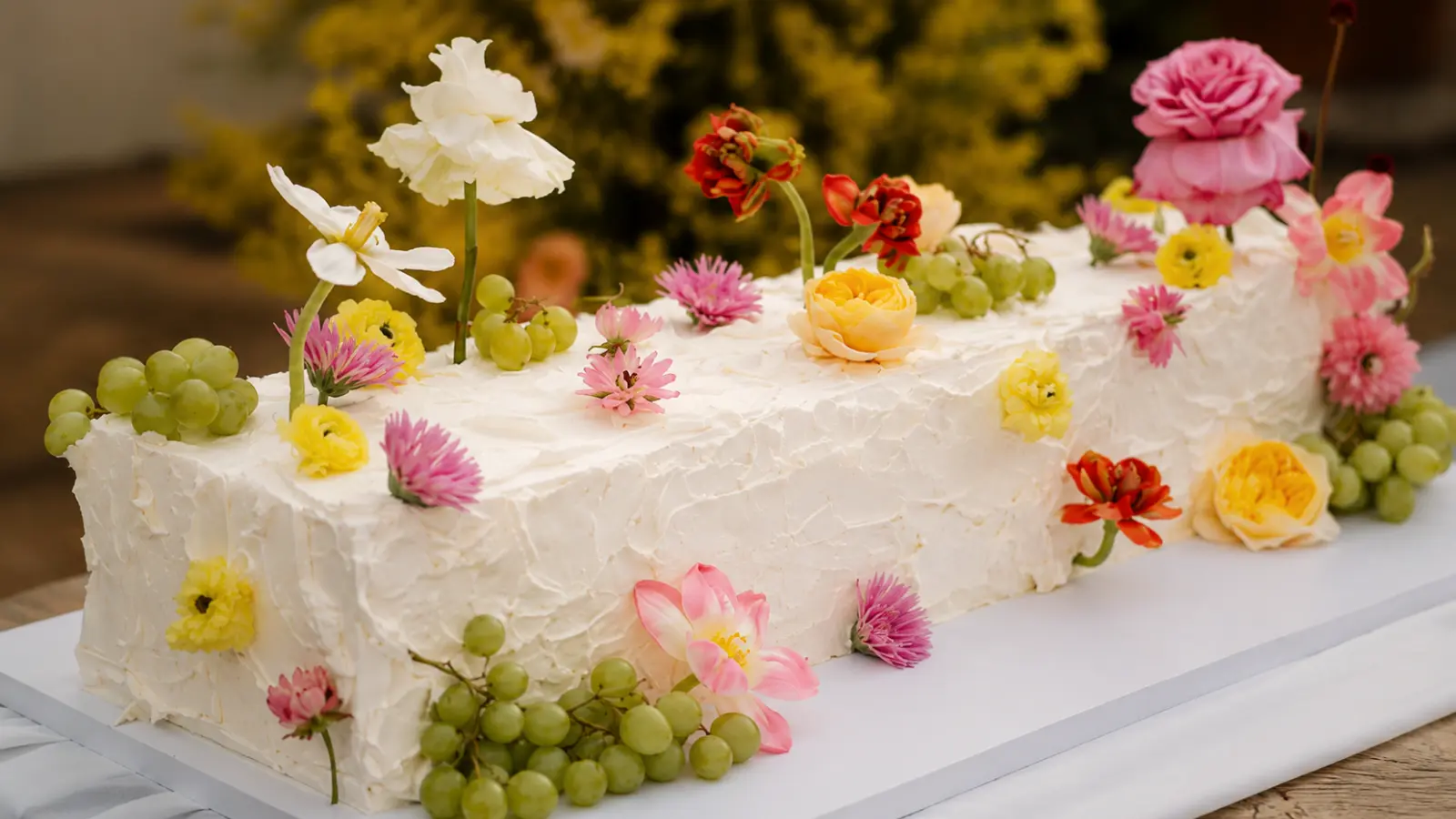
For couples exploring different wedding cake designs who love the Italian aesthetic — the restraint, the quality-over-grandeur philosophy, and the specific flavors — but are getting married outside Italy or working with bakers who do not have Italian pastry training, there are several wedding cake ideas and effective approaches to bringing Italian wedding cake culture into the celebration without requiring an exact millefoglie replication.
The tiramisu wedding cake
The tiramisu-inspired wedding cake is one of the most familiar Italian-inspired formats at Italian-American weddings and at destination weddings in Italy for international couples. The construction: layers of espresso-soaked Pan di Spagna or ladyfingers, mascarpone cream, and either a dusting of cocoa powder or a thin chocolate layer. Made as a tiered cake by a baker with Italian training, this is visually elegant — the layers visible at the cut, the cocoa-dusted exterior clean and unfussy — and the flavor profile is deeply familiar within Italian dessert culture.
The advantage over a strict millefoglie for an American-style wedding: it holds better, assembles more conventionally, and fits the tiered cake ceremonial moment more naturally. The disadvantage: it requires a baker who can make an authentic mascarpone cream rather than substituting whipped cream, and the espresso element means it is not universally appropriate for guests who avoid caffeine.
The Pan di Spagna torta — elevated
A tiered wedding cake built on Pan di Spagna — Italy’s light, airy sponge cake — soaked with limoncello or rum and layered with crema pasticcera and fresh fruit, covered in chantilly and decorated with fresh flowers. This format bridges Italian and American wedding cake conventions: it has the tiered structure and ceremonial presence of an American wedding cake with the Italian flavor profile and restrained sweetness. It requires a baker who knows how to work with a light sponge — over-baking or heavy handling ruins the texture completely — but executed well, it is genuinely elegant.
Minimalist Italian aesthetic — any cake format
The Italian wedding cake aesthetic can be applied to any cake format: a tiered American-style cake covered in smooth white or ivory buttercream, decorated with fresh flowers (no sugar flowers, no fondant figures), a dusting of powdered sugar, and a few pieces of fresh fruit at the base. The Italian aesthetic element is the restraint — nothing added that does not serve the cake, no decoration that exists purely for visual complexity. This approach works with any flavor profile and any baker, because the aesthetic is defined by what is absent rather than what is present.
The millefoglie dessert table centerpiece
For couples who want the millefoglie experience without making it the primary wedding cake, commission a large-format millefoglie as the centerpiece of a dessert table that also includes a more conventional tiered cake. This gives the couple both the ceremony of the tiered cake cutting and the eating experience of the millefoglie — and allows guests to try both. The millefoglie, served in generous portions from the dessert table, often becomes the most talked-about element of the dessert course even when the tiered cake is visually more prominent.
The Italian pastry tower
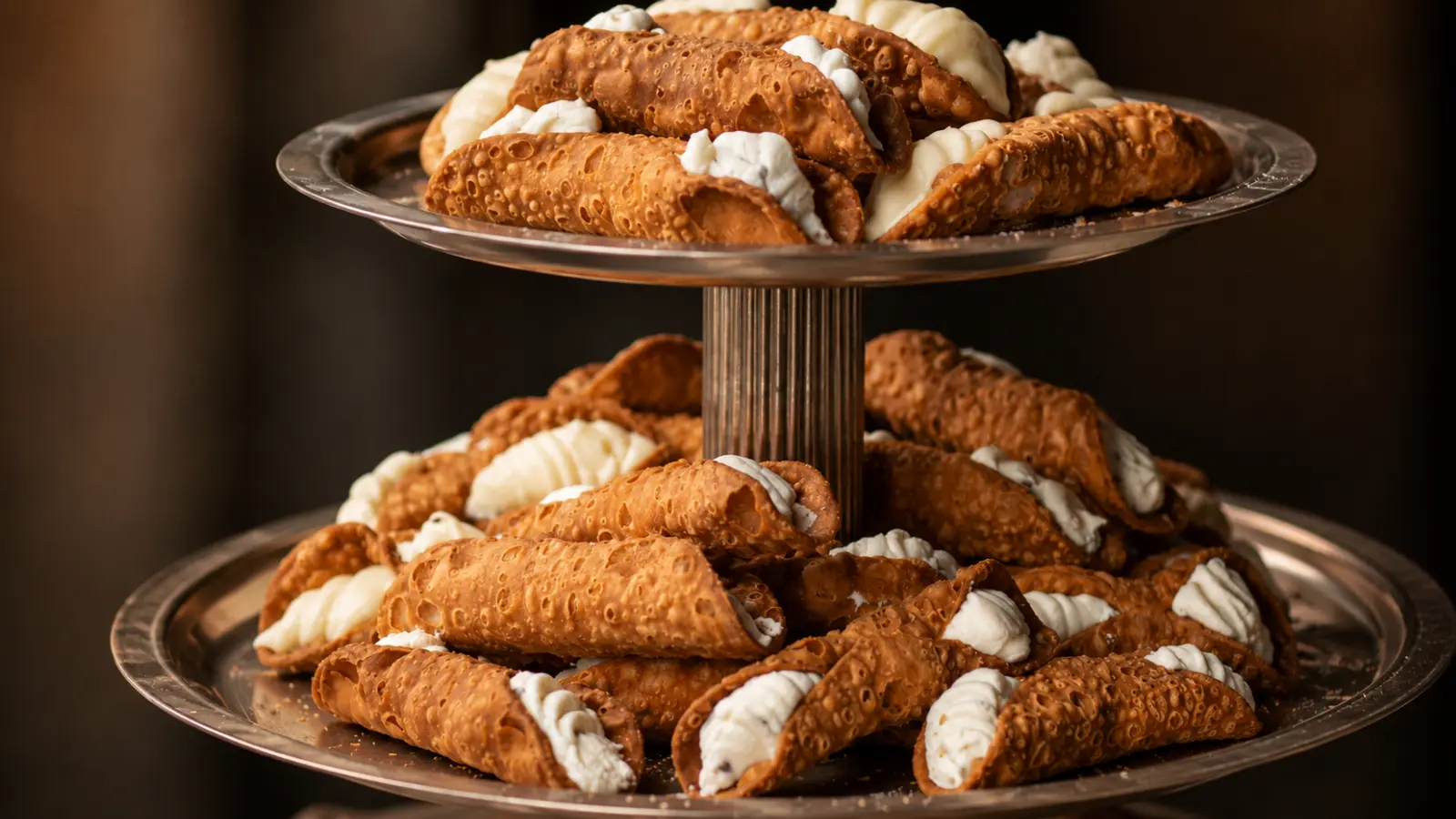
In lieu of a conventional wedding cake, some couples serving Italian-inspired wedding desserts opt for a tower of Italian pastries — bignè (cream puffs) in a croquembouche-style construction, cannoli in a tower arrangement, or an elaborate display of sfogliatelle, torrone, and cannoli on a tiered silver or marble stand. This is the most distinctly Italian format and the least convention-bound — it requires a clear aesthetic vision and a catering team experienced with Italian dessert service, but the visual impact and the eating experience can both feel memorable when the display is executed well.
Beyond the Cake — Italian Wedding Desserts
An Italian wedding is often not just a wedding with a cake. It is a wedding with a broader dessert experience — and the cake, whether millefoglie or tiered torta, is one element of a larger pastry culture that extends across the entire celebration. Understanding the full picture of Italian wedding desserts makes it easier to plan a dessert table that feels genuinely Italian rather than just Italian-adjacent.
Confetti — the most Italian of all wedding elements
Confetti are sugared almonds — not the paper kind — and they are one of the most symbolic elements of an Italian wedding. Every guest receives a small packet of confetti, typically wrapped in tulle or fabric and tied with ribbon, as a wedding favor. These packages are called bomboniere.
The number of almonds in each bomboniera is traditionally odd — most commonly five — because odd numbers cannot be divided evenly, symbolizing the couple’s indivisible union. The five almonds traditionally represent health, wealth, happiness, fertility, and long life — the five things a newly married couple is wished. The almond itself is symbolic: bitter inside, sweet outside, representing the bittersweet nature of life and the sweetness that love and marriage bring to it.
Confetti have been part of Italian wedding tradition since at least the 15th century. They appear at Italian weddings regardless of how modern, minimal, or non-traditional the rest of the celebration is. If there is one element many couples include to honor Italian wedding dessert tradition, it is confetti.
Cannoli
The cannolo — fried pastry tube filled with sweetened ricotta, chocolate chips, and candied orange peel — is the Sicilian pastry that has become a symbol of Italian-American food culture broadly. At Sicilian and Italian-American weddings, cannoli appear as part of the dessert table, often in tower arrangements, and sometimes as the primary dessert in place of a conventional cake. The filling must be fresh — piped into the shells close to serving to prevent the shell from softening — which is a logistical consideration for any reception.
The pistachio cannolo — filling made with high-quality pistachio cream rather than plain ricotta — is a memorable Italian wedding pastry element at many Italian-American celebrations and destination weddings in Sicily. If you can source real Bronte pistachio paste, the flavor difference from standard pistachio is significant enough that it is worth the effort.
Tiramisu
Tiramisu — espresso-soaked ladyfingers layered with mascarpone cream and dusted with cocoa — is both the most internationally recognized Italian dessert and one of the most practical Italian wedding desserts. It can be made in large quantities, portioned in advance, holds well under refrigeration, and the flavor profile is broadly loved. At Italian-American weddings, tiramisu frequently appears as a dessert table element alongside the wedding cake. At destination weddings in Italy, it appears as the wedding cake itself, in tiered format.
Panna cotta
Panna cotta — “cooked cream,” a silky set cream dessert with a barely-there sweetness — is one of the most elegant Italian wedding desserts for plated service. Set with just enough gelatin to hold its shape when unmolded, it should tremble when touched. Served with a fresh berry coulis, caramel, or simply with fresh fruit, it is the dessert that best expresses the Italian philosophy of restraint and ingredient quality. Increasingly common at Italian destination weddings as a plated dessert alternative to the cake course.
Semifreddo
Semifreddo — a partially frozen cream dessert with a mousse-like texture — is more common at Italian weddings in the summer months, when the lightness and cold temperature are welcome. Pistachio semifreddo from Sicily, hazelnut semifreddo from Piedmont, and chocolate semifreddo with espresso sauce are all classic Italian wedding formats. Served in sliced portions like a frozen torta, it photographs beautifully and works well as a dessert course element at outdoor summer reception dinners.
Torrone
Torrone — Italian nougat made with honey, egg whites, and almonds or pistachios — appears at Italian weddings both as a confection on the dessert table and as a wedding favor, sometimes alongside or instead of confetti. The texture ranges from soft and chewy (morbido) to hard and brittle (duro) depending on the region and tradition. Sicilian torrone with Bronte pistachios is particularly prized. At an Italian-inspired wedding with a dessert table, a generous presentation of artisanal torrone in different flavors is both visually beautiful and authentically Italian.
When to Choose an Italian Wedding Cake
An Italian wedding cake — particularly a millefoglie — is not the right choice for every wedding, and being honest about this is more useful than encouraging every couple to pursue it regardless of context. There are specific situations where an Italian wedding cake is not just appropriate but genuinely the best possible choice, and others where it will create complications that outweigh the aesthetic and culinary benefits.
When an Italian wedding cake makes the most sense
A destination wedding in Italy. This is the clearest case. If you are getting married in Italy, having a millefoglie or a tiered Pan di Spagna torta from a local Italian pasticceria is the most natural and most satisfying approach. The baker knows the tradition, the ingredients are at their best, and the guests — particularly Italian guests — will have the experience they expect. When you are getting married in Italy, working with a local pasticceria often creates a more authentic and satisfying dessert experience than trying to recreate a standard American fondant cake.
Italian heritage or Italian-American family. For couples with Italian heritage who want the wedding to feel genuinely connected to that tradition, the millefoglie or a cassata or a tiramisu-format cake communicates family identity in a way that a generic tiered wedding cake does not. The food at an Italian-American wedding carries cultural weight — the presence of the right desserts on the table is noticed and felt by the people for whom it matters most.
Couples who care more about taste than ceremony. If the cake-cutting moment is not important to you — if you would rather prioritize a dessert guests are likely to enjoy eating over a cake chosen mainly for visual presence — the millefoglie is the right answer. When executed well, it is often eaten enthusiastically and remembered by guests. It is not the centerpiece of the room, but it is the centerpiece of the dinner table, which is what the best Italian food has always been.
Intimate or non-traditional weddings. A millefoglie on a marble table at a small intimate wedding for thirty people in a Tuscan farmhouse — or a beautifully curated Italian dessert table at a non-traditional wedding that does not want the conventional cake-cutting ceremony — fits the aesthetic and the scale in a way that a traditional six-tier fondant cake does not.
When to think carefully before choosing a millefoglie
If the cake-cutting ceremony is important to you and your family, be aware that the millefoglie does not support this the way a tiered cake does. The visual of two people cutting into a flat rectangular pastry is different from cutting into a tiered cake — not worse, but different, and worth discussing with your partner and families before deciding.
If you are working with a baker who does not have specific experience with millefoglie, the risk is significant. A millefoglie made with improperly laminated puff pastry, or assembled too early, is not the same experience as one made by someone who has been making them for years. For a wedding guest count of any meaningful size, you want to know the baker can execute millefoglie well before committing to it.
If your guest list is predominantly American with no Italian heritage or experience of Italian pastry, some guests may be genuinely confused by a millefoglie — expecting something sweet and frosted and encountering something crisp and lightly sweet. This is not a reason not to have a millefoglie. But it is a reason to make sure guests are informed about what they are about to eat, so the experience is one of pleasant discovery rather than disoriented expectation.
Getting a Millefoglie Wedding Cake Outside Italy
The millefoglie wedding cake is achievable outside Italy — but knowing how to choose a wedding cake baker is essential because it requires finding the right professional, having the right conversation, and understanding the logistical realities before the wedding day. Wedding-format millefoglie requires a specialized skill set, so not every U.S. wedding baker will be the right fit, but they exist — primarily in cities with established Italian immigrant communities and strong pastry cultures: New York, San Francisco, Chicago, Boston, and cities in New Jersey and Connecticut with large Italian-American populations.
What to look for in a baker
Italian pastry training, experience with millefoglie, or a strong Italian pastry background can be useful indicators. Ask specifically: have you made a millefoglie in a wedding format before? Can you show me reference work? Do you make the puff pastry from scratch? What is your assembly protocol — do you assemble at the venue or deliver fully assembled?
The answer to the assembly question is particularly diagnostic. A baker who delivers a fully assembled millefoglie three hours before the reception either does not understand the timing problem or has a solution for it (which you should ask them to explain). A baker who assembles at the venue understands the product and has the professional infrastructure to execute it correctly.
Having the flavor conversation
At your tasting (see our full wedding cake tasting guide), taste the pastry cream and the chantilly separately. The cream quality is central to the flavor of a millefoglie, while the pastry provides much of the structure and texture. If the pastry cream is too sweet, starchy, or lacks vanilla bean depth, the millefoglie will not taste like the Italian original regardless of how well the puff pastry is executed.
Ask to taste the puff pastry baked and unfilled. It should be deeply golden, shatteringly crisp, and have a distinctly buttery, slightly caramelized flavor from proper baking. If it tastes bland or has a soft rather than crisp texture, the lamination or the baking was insufficient — and a softer puff pastry will become soggy in the cream faster, which compounds the timing problem.
Italian-American bakeries vs. general wedding cake studios
In most American cities, you are more likely to find a millefoglie-capable baker at a traditional Italian-American pastry shop or an Italian bakery that also offers wedding cakes than at a general wedding cake studio. The wedding cake studios that specialize in American-style tiered cakes with fondant and buttercream are not typically equipped to execute Italian pastry at the level the millefoglie requires. This means the baker you choose for an Italian wedding cake may look different from the one you would choose for a conventional American wedding cake — and the booking process, portfolio, and pricing may also be different.
This is worth knowing before you start your search: look for the baker who makes the best pastry, not the one with the most impressive cake portfolio.
Italian Wedding Cake Inspiration Board
Italian wedding cakes are loved for their balance of simplicity, tradition, and effortless elegance. Explore our Italian wedding cake inspiration board for millefoglie cakes, Tuscan wedding desserts, fresh fruit decorations, Italian pastry displays, cannoli towers, romantic cake tables, and beautiful ideas inspired by weddings in Italy.
Final thoughts
An Italian wedding cake represents a different way of thinking about the wedding dessert. Instead of focusing only on height, decoration, or dramatic designs, Italian cake traditions celebrate flavor, craftsmanship, fresh ingredients, and the experience of sharing something memorable with guests.
Whether you choose a classic millefoglie, a regional Italian dessert, or a modern cake inspired by Italy’s timeless style, the goal remains the same: creating a dessert that feels connected to the celebration. The best Italian wedding cakes prove that elegance does not always come from adding more — sometimes it comes from choosing every detail with intention.
Frequently asked questions (FAQ)
What makes an Italian wedding cake feel truly authentic?
An authentic Italian wedding cake is usually defined by philosophy more than appearance. Italian pastry culture focuses on ingredient quality, balance, freshness, and the experience of eating the cake. A simple cake made with excellent pastry, cream, and seasonal ingredients often feels more authentically Italian than a highly decorated cake trying to copy an Italian style.
Why do Italian wedding cakes usually look simpler than American cakes?
Italian wedding cakes are often simpler because the focus is different. The cake is seen as the final part of a carefully prepared meal, not only as a visual centerpiece. Instead of relying on height or decoration, Italian cakes create impact through texture, flavor, craftsmanship, and the quality of the ingredients.
What is the biggest mistake couples make when choosing an Italian-inspired wedding cake?
The biggest mistake is focusing only on the appearance and missing the reason Italian cakes are loved. Adding olive branches, citrus, or rustic decoration does not automatically create an Italian experience. The flavor, ingredients, serving style, and overall feeling of the celebration matter much more.
Can an Italian wedding cake work for a modern luxury wedding?
Absolutely. Many Italian cakes fit modern luxury weddings because they represent quiet elegance rather than excess. A beautifully executed millefoglie, minimalist cream cake, or refined Italian dessert table can feel sophisticated without needing dramatic decoration.
What is a millefoglie wedding cake?
A millefoglie wedding cake is an Italian wedding dessert made with crisp layers of puff pastry and cream, often finished with powdered sugar, fresh fruit, and flowers. Unlike a traditional American tiered wedding cake, millefoglie is usually lower, lighter, less sweet, and focused on texture and flavor rather than height or heavy decoration.
Can you have a millefoglie wedding cake in the United States?
Yes, but it is important to choose a baker with real experience in Italian pastry. Millefoglie depends on crisp puff pastry, fresh cream, and timing close to service, so ask whether the baker makes the pastry from scratch, how they assemble the cake, and whether they have made wedding-format millefoglie before.
Related Guides
- Beach Wedding Cakes: Coastal, Tropical & Elegant Ideas
- Fall Wedding Cakes: Autumn Colors, Flavors and Designs
- Small Wedding Cakes: Every Style, Size and Intimate Occasion
- Wedding Cake Alternatives: 12 Dessert Ideas Beyond Traditional Cake
- Grocery Store Wedding Cakes: Publix, Costco, Walmart & Sam’s Club Guide