A plus size wedding garter should feel comfortable, secure, and beautifully made, just like any well-designed bridal accessory. The most important part of choosing one is finding the right fit, with accurate measurements, supportive construction, and materials that stay comfortable throughout the wedding day.
Many brides find that one of the biggest challenges is not their measurements but the limited sizing offered by some brands. Fortunately, more designers now provide extended sizes, adjustable options, and custom-made garters that make finding a comfortable fit much easier than relying on standard size labels alone.
This guide explains how to choose a plus size wedding garter, including accurate sizing, adjustable and custom options, comfortable materials, what to avoid, and practical tips to help you wear a wedding garter confidently from the ceremony through the reception.
How to Measure the Thigh
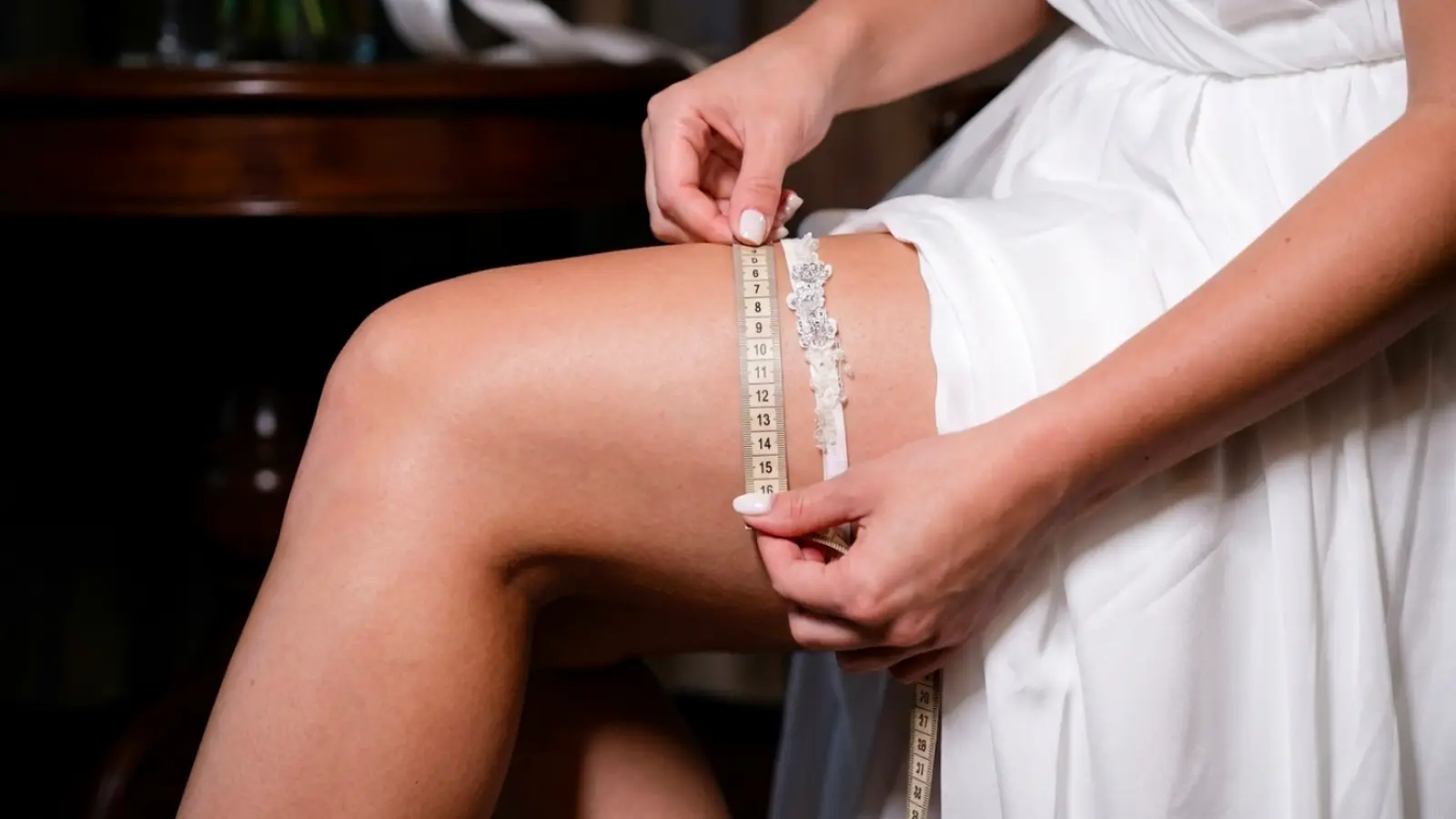
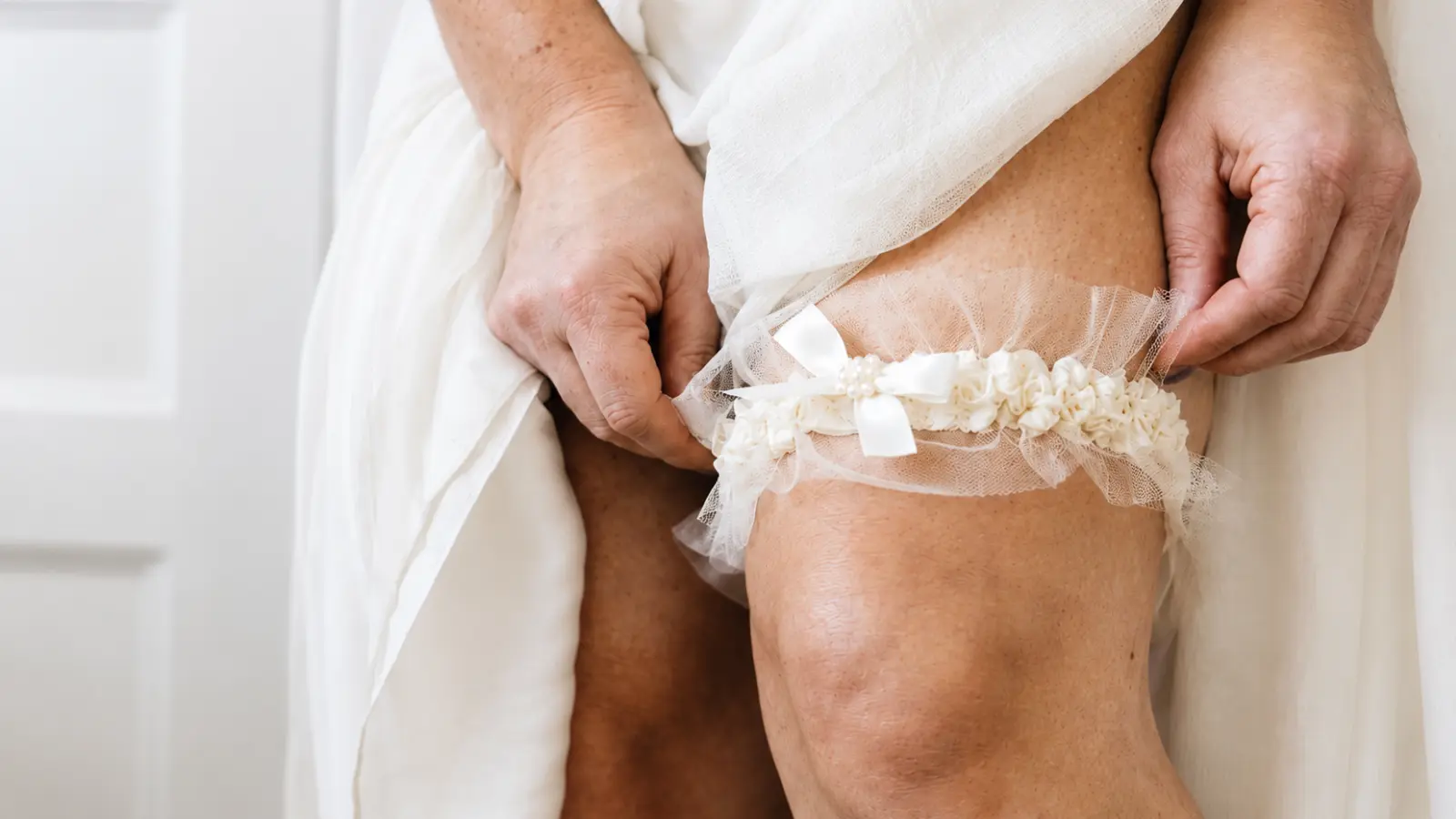
Accurate sizing starts with knowing how to wear a wedding garter at the actual spot it will sit, typically four to six inches above the knee, rather than guessing or measuring at the widest point of the thigh if that’s a different location. Use a soft measuring tape, wrapped around the leg snugly enough to get an accurate number but without pulling tight or compressing the skin.
That number is what should be compared against a garter’s actual size chart, in inches, not just a general size label like small, medium, or large. Two garters labeled “large” from two different makers can have meaningfully different maximum measurements, so checking the specific numbers matters more than trusting the label alone.
Why Standard Sizing Often Falls Short
A lot of garters are built around a fairly narrow standard range, with size labels that don’t always reflect how much variation exists in actual thigh measurements. This isn’t a reflection of anything other than how the product was designed, many accessories across the bridal industry default to a limited range unless a brand specifically builds for a wider one.
The practical result is that a bride with a larger thigh measurement may find that a “one size fits all” or unlabeled standard garter simply wasn’t built with her measurements in mind, not because anything is wrong with her body, but because the product’s range was limited from the start. Brands that take sizing seriously, offering extended ranges or custom options, tend to produce a far more comfortable result than trying to stretch a standard piece beyond what it was designed for.
Adjustable Garters
An adjustable garter includes some kind of closure, a hook-and-eye, a small buckle, ribbon ties, that allows the fit to be loosened or tightened within a range rather than relying on a single fixed elastic measurement. This style offers meaningfully more flexibility than a garter that’s purely stretch-based, since it can be fine-tuned to the exact comfort level needed rather than hoping a fixed size happens to land correctly.
- Hook-and-eye closures allow precise adjustment in small increments, useful for dialing in an exact, secure fit.
- Ribbon ties offer a wide adjustable range and a soft, comfortable finish where the tie meets the skin.
- Buckle or slide closures are common on adjustable bands and allow quick resizing if needed during the day.
For brides who fall between standard size categories, an adjustable garter often solves the problem more reliably than trying to choose between a size that’s slightly too small and one that’s noticeably too large.
Custom Sizing
Many garter makers offer fully custom sizing, where the garter is built specifically to a provided measurement rather than chosen from preset categories. This removes the guesswork of standard sizing entirely and tends to produce the most accurate, comfortable fit available, since the piece is constructed around the actual measurement rather than an approximate range.
Custom pieces generally take longer to produce and ship than an in-stock option, so ordering with enough lead time, ideally a couple of months before the wedding, avoids any last-minute pressure. It’s worth asking directly whether a maker offers custom sizing if their standard chart doesn’t comfortably cover the needed measurement; many do, even if it’s not the most visible option listed.
What to Look For
- A detailed size chart with actual measurements, not just small, medium, and large labels with no numbers attached.
- A wide elastic band. Wider bands distribute pressure more evenly, which generally means more comfort and less rolling or digging in than a narrow band.
- Soft, high-quality elastic with good recoil, the kind that holds its position without needing to be stretched to its absolute limit.
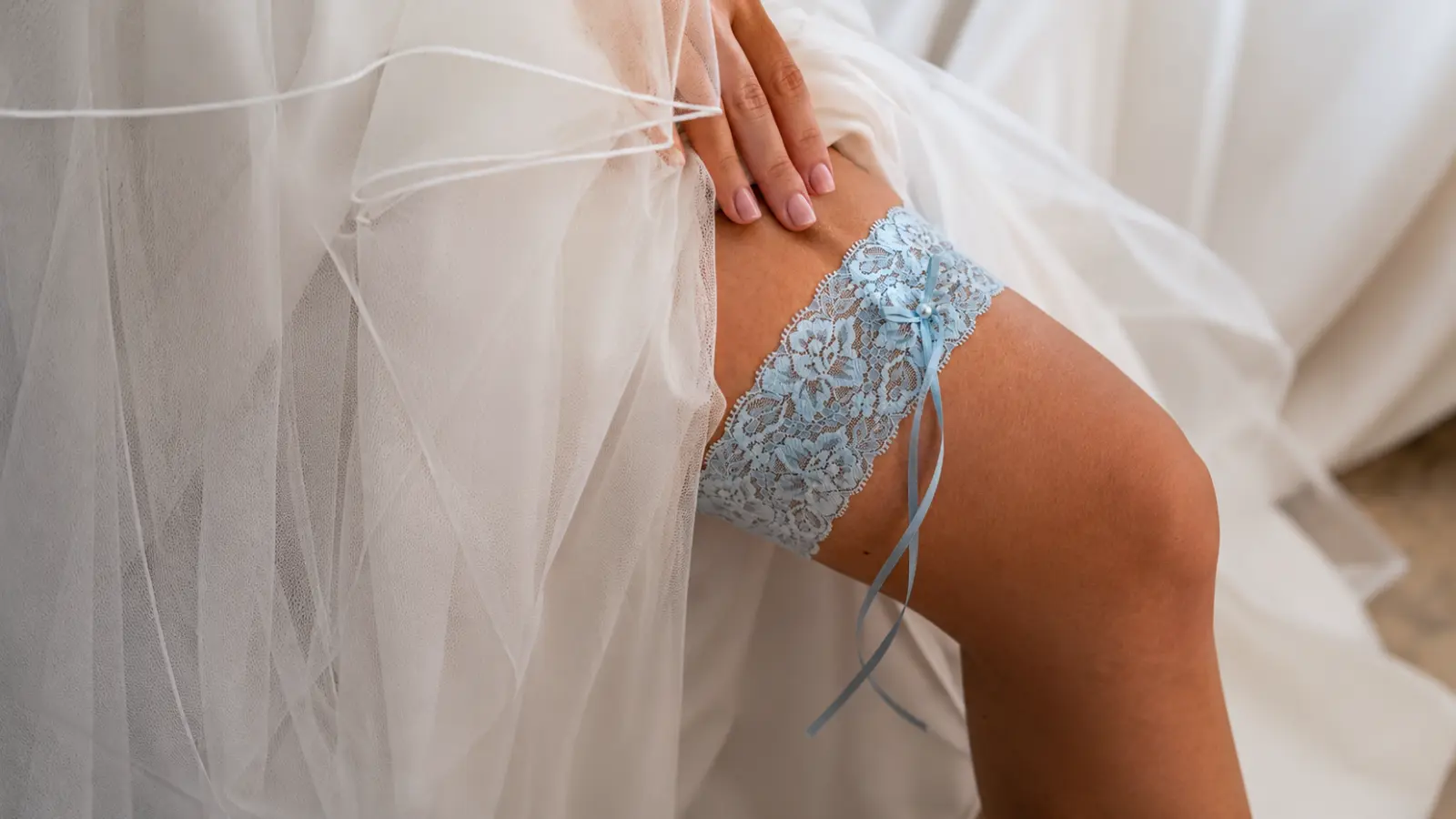
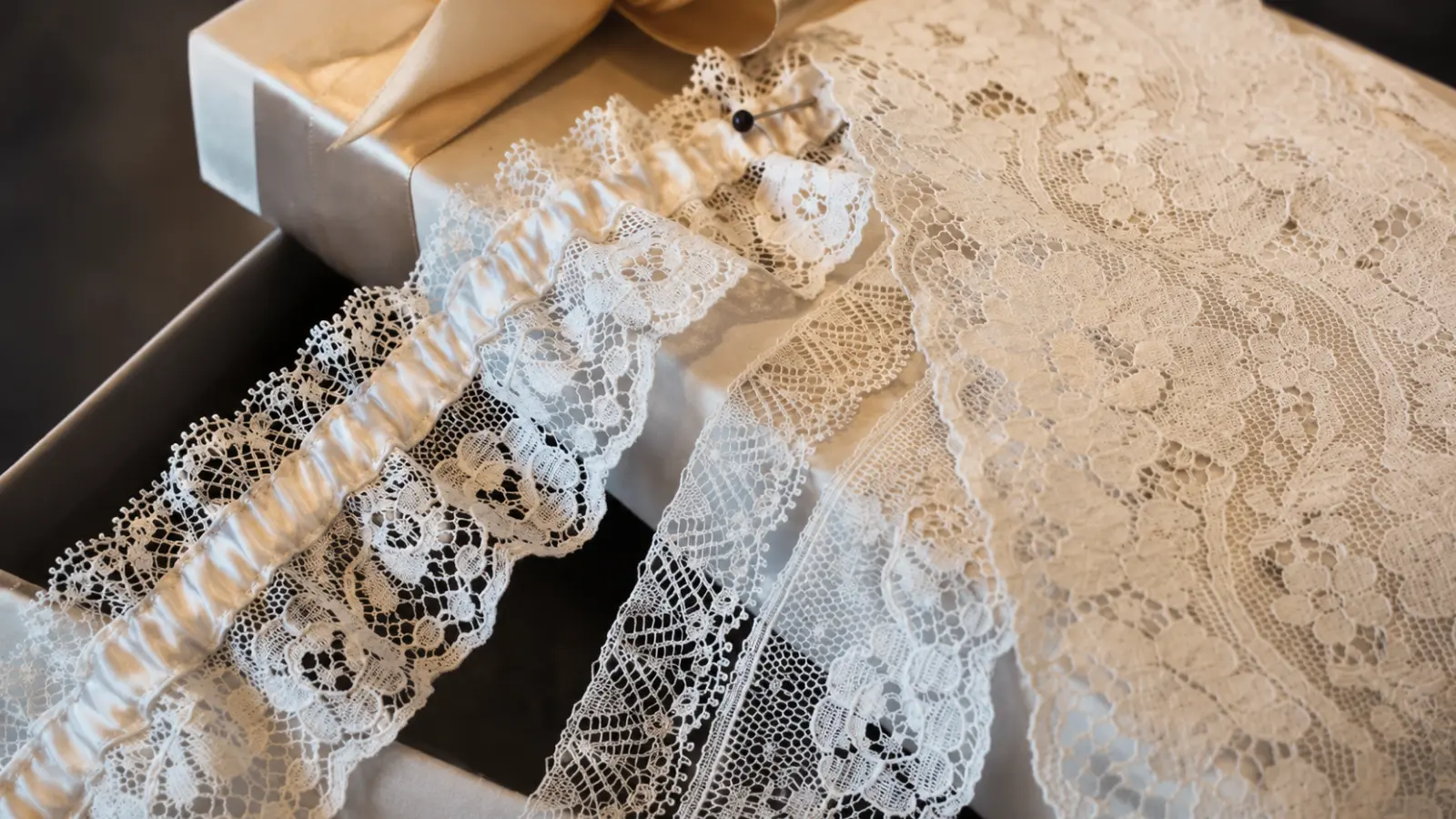
- A soft lining, satin or a similarly smooth fabric, especially if the visible layer is lace or one of your preferred wedding garter colors, since stiff textures can feel scratchy directly against skin.
- Adjustable or custom options, particularly if standard sizing doesn’t comfortably reach the needed measurement.
- Clear return or exchange policies, useful in case the first size ordered isn’t quite right.
What to Avoid
- “One size fits all” labeling with no measurements listed. This phrase often means the product was built for a narrow range despite the label.
- Sizing down to fit a more limited category. A garter that’s technically wearable but too tight will dig in, roll, or leave marks over a long day, regardless of how it looks when first put on.
- Unlined lace directly against skin for a piece meant to be worn for hours, since the texture can become uncomfortable well before the day is over.
- Narrow elastic bands if comfort and security are the priority, since they concentrate pressure rather than distributing it.
- Buying without checking the actual size chart, relying on a general label rather than comparing real measurements.
Comfort While Sitting and Dancing
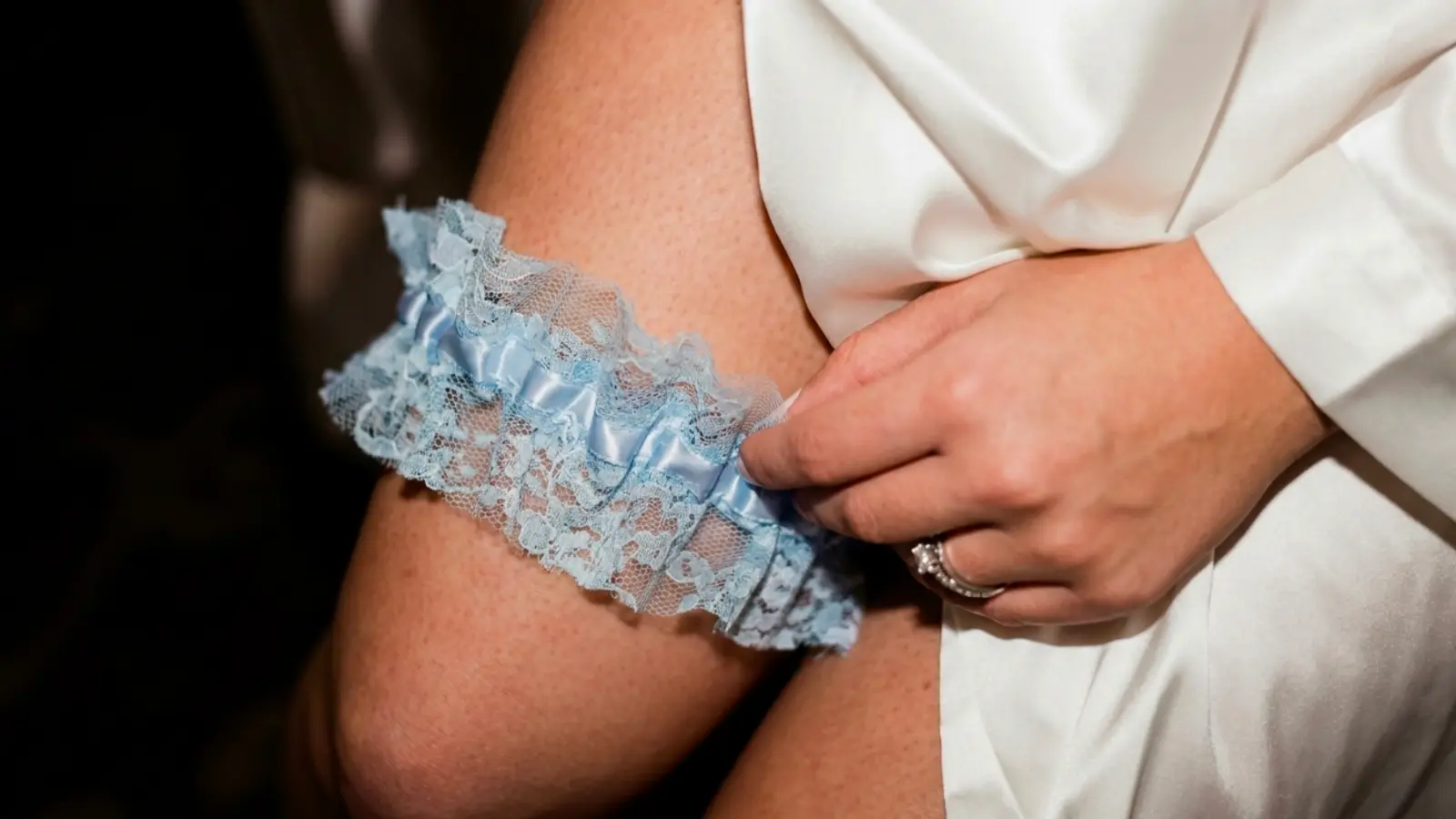
A garter needs to feel good through very different kinds of movement over the course of a day, standing during the ceremony, sitting through dinner, moving on the dance floor, and a garter that’s only been tested standing still doesn’t reveal how it’ll behave under all of that.
Sitting for an extended period puts different pressure on the thigh than standing does, which is when a too-tight garter is most likely to become noticeable or uncomfortable. Dancing introduces movement and flexing that can cause a poorly fitted garter to roll, slip, or shift position. Testing the garter under conditions similar to the wedding day itself, wearing it for an hour or more while sitting, walking, and moving normally, is the most reliable way to know whether it will hold up comfortably for the whole event, not just the first few minutes after putting it on.
Garter Sets in Extended Sizes
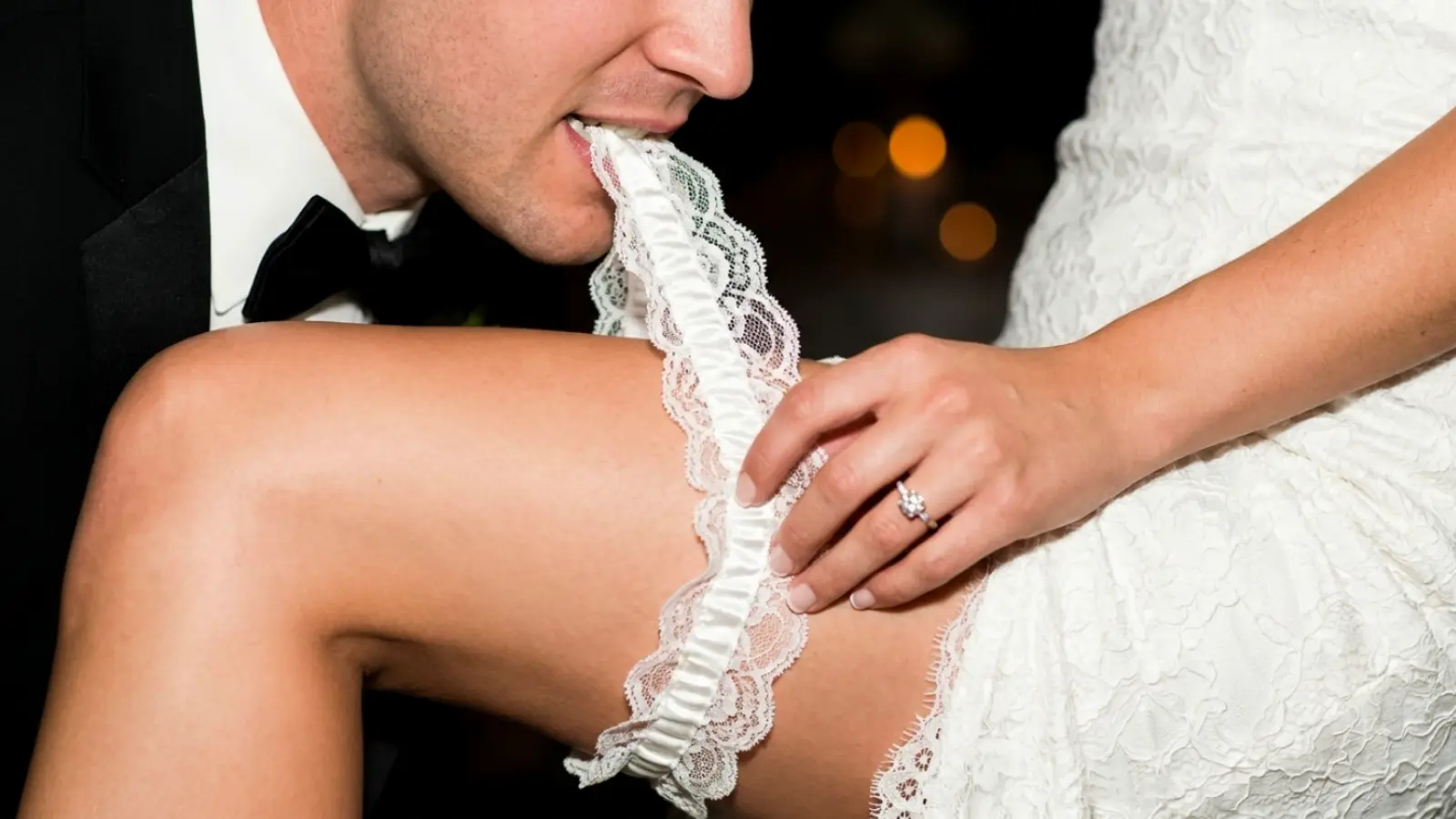
A garter set, one piece to keep and a simpler piece for the toss if doing one, can be part of the wedding garter tradition, but it should still be available in extended or custom sizing; confirm that both pieces in a set come in the size needed, since sometimes only the main keepsake piece is offered in a wider range while the toss piece defaults to standard sizing.
If a set doesn’t offer matching extended sizes for both pieces, ordering the keepsake garter from a maker with broader sizing and a simple, inexpensive toss garter separately is a reasonable workaround. For more on the toss garter versus keepsake garter distinction generally, the how to choose a wedding garter guide covers that in more depth, and the garter toss alternatives guide is worth a look for anyone who’d rather skip the toss moment altogether.
Plus Size Wedding Garter Inspiration
Finding the right plus size wedding garter starts with comfort, accurate sizing, and thoughtful design. Explore adjustable styles, custom-made garters, wide bands, soft fabrics, and practical ideas to help you choose a garter that feels secure and comfortable throughout your wedding day.
The Best Fit Is the One That Feels Comfortable
A plus size wedding garter should never feel like something you have to adjust constantly or tolerate throughout the day. With accurate measurements, supportive construction, and comfortable materials, it becomes just another beautiful bridal accessory that fits naturally into your wedding without demanding attention.
Whether you choose an adjustable style, a custom-made design, or an extended-size garter, the right choice is the one that feels secure, comfortable, and made for you. The best fit is not defined by a size label—it is the one that lets you enjoy every moment of your celebration with confidence.
Frequently asked questions (FAQ)
How do you choose a plus size wedding garter?
Choose a plus size wedding garter by starting with your actual thigh measurement, not a general size label. Look for a clear size chart, a wide comfortable band, soft lining, good elastic, and adjustable or custom sizing if needed. The right garter should feel secure without pinching, rolling, or needing to be stretched to its limit.
How do you measure for a plus size wedding garter?
Measure around your thigh where the garter will sit, usually four to six inches above the knee. Use a soft measuring tape and keep it snug without pulling tight. Compare that number with the specific size chart for the garter you are considering, since sizing can vary widely between makers.
Are adjustable wedding garters better for plus size brides?
Adjustable wedding garters can be a great option because they allow the fit to be loosened or tightened instead of relying only on fixed elastic. Hook-and-eye closures, ribbon ties, buckles, or slide closures can make the garter easier to customize for comfort and security throughout the wedding day.
Can a wedding garter be custom made to fit?
Yes. Many wedding garters can be custom made based on exact thigh measurements. This is especially helpful when standard size ranges do not offer a comfortable fit. Custom sizing usually takes longer, so it is best to order early enough to test the garter before the wedding day.
How do you keep a plus size wedding garter from rolling or digging in?
Choose a garter with a wide band, soft elastic, and the correct size for your thigh measurement. A wider band distributes pressure more evenly, which helps reduce rolling and digging. The garter should feel snug enough to stay in place but never tight enough to leave discomfort or marks.
What should you avoid in a plus size wedding garter?
Avoid garters labeled “one size fits all” without actual measurements, narrow elastic bands, unlined lace directly against the skin, and any size that only fits by stretching tightly. A wedding garter should be chosen from real measurements and comfort, not from a limited size label.