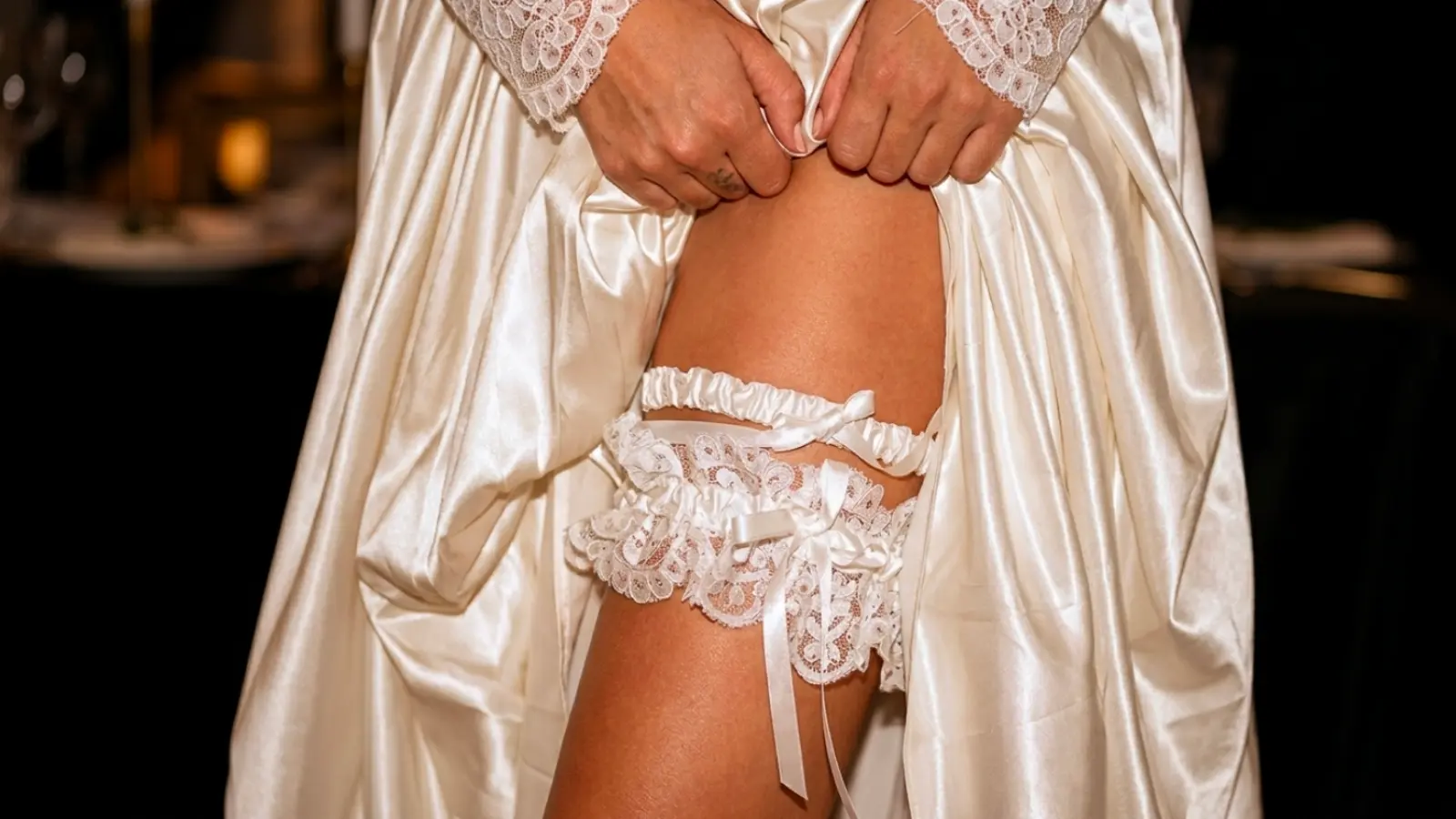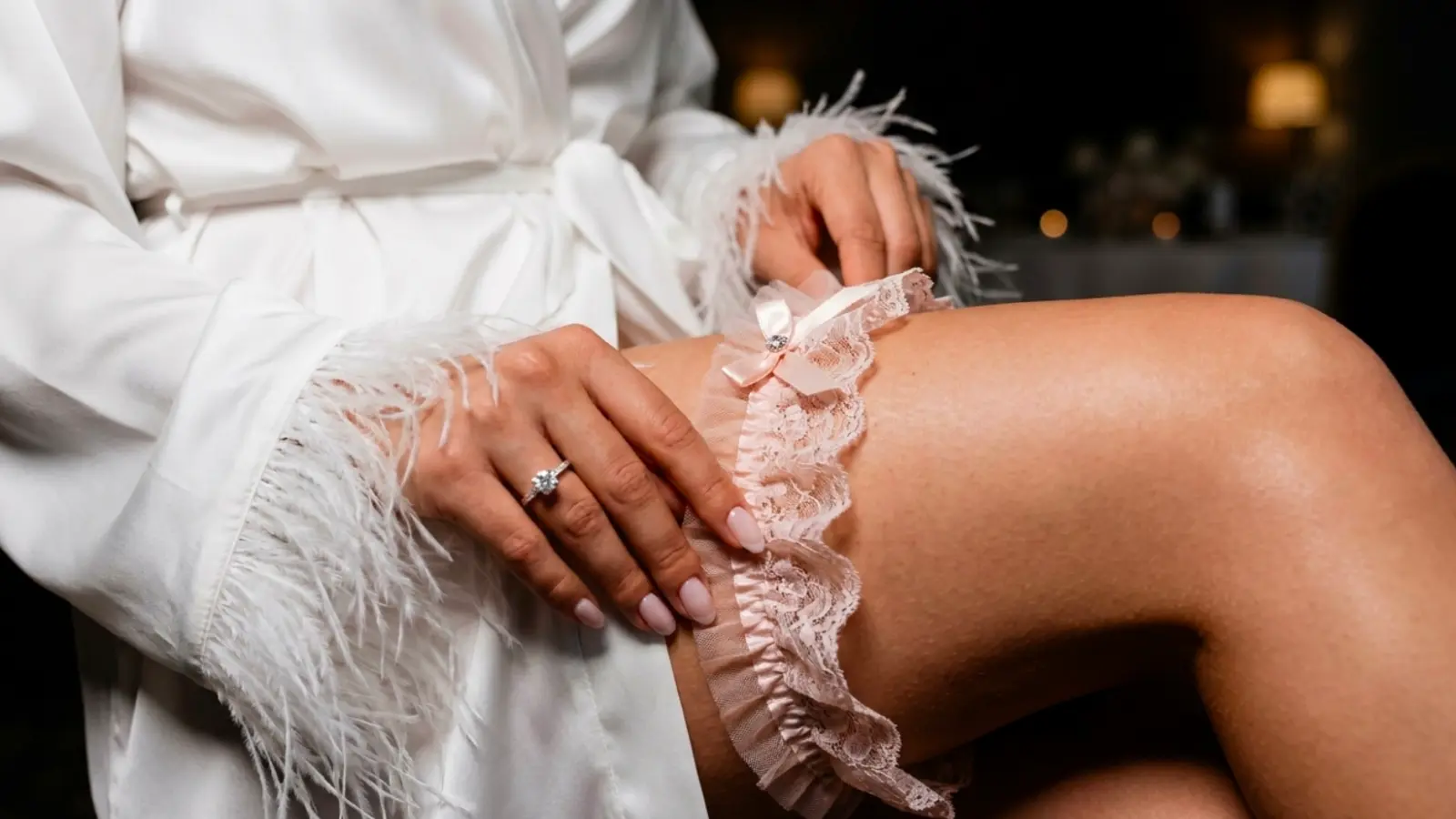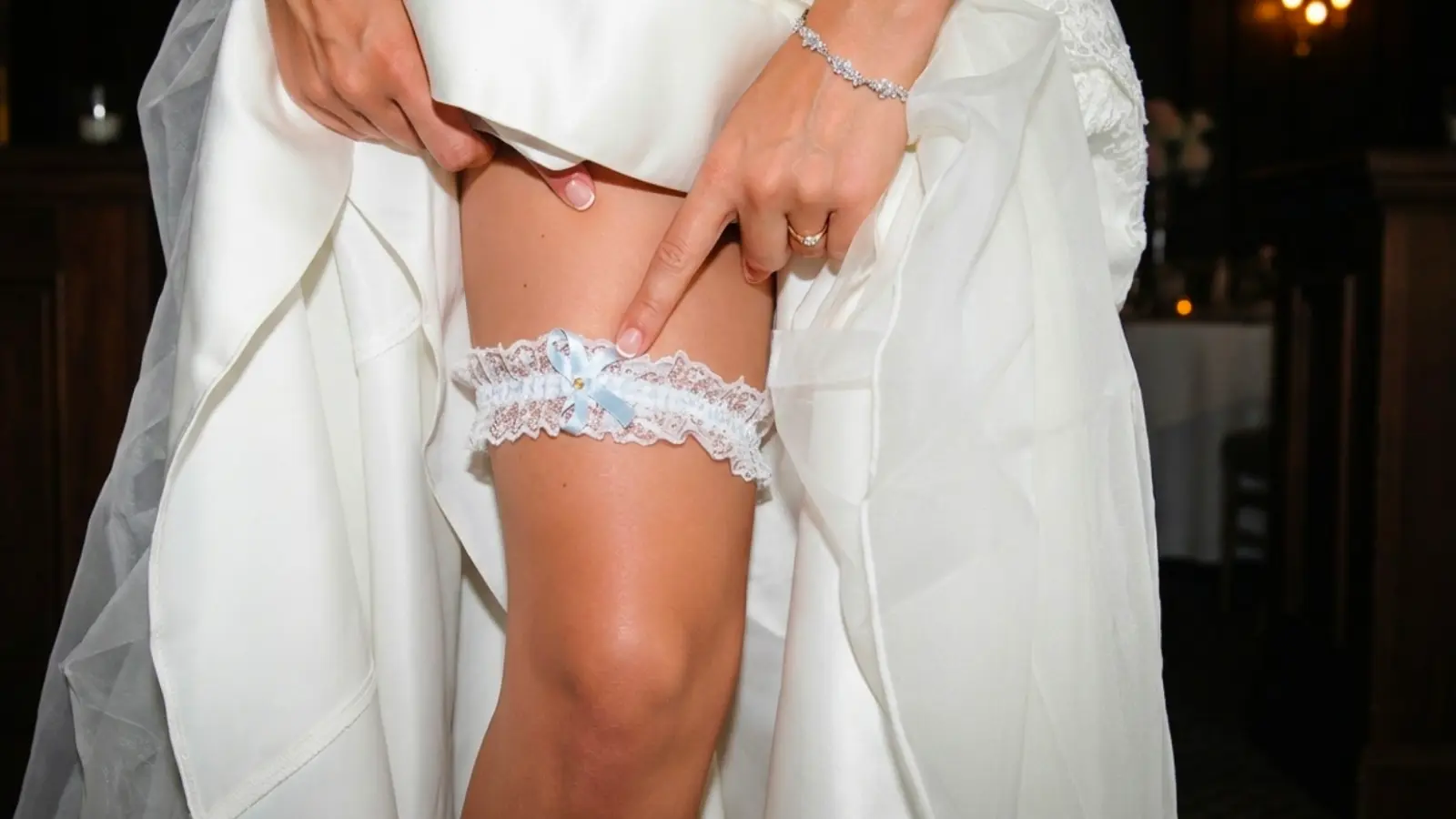
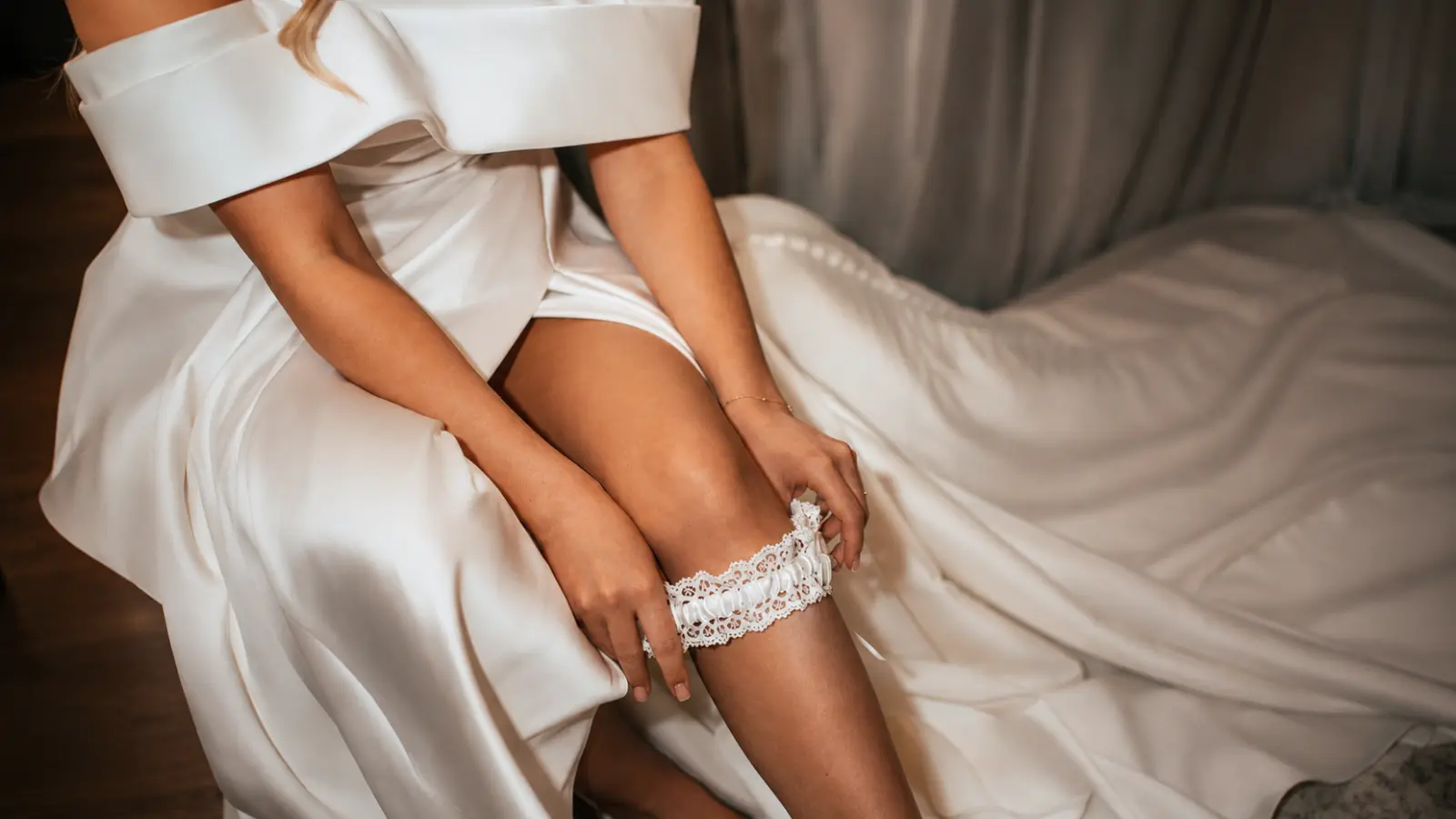
How to choose a wedding garter starts with one key priority: comfort. While lace, color, and decorative details often attract attention first, the right garter should stay comfortable, fit securely, and feel almost unnoticeable from the ceremony through the reception.
Many brides focus on how a garter looks without considering how it will feel after hours of walking, sitting, dancing, and wearing it beneath a wedding dress. A beautiful garter that pinches, slides down, or feels uncomfortable quickly loses its appeal, which is why fit and construction matter just as much as style.
This guide explains how to choose a wedding garter by comparing sizing, fabrics, elasticity, comfort, keepsake versus toss garters, and the practical details that help you find the right wedding garter for your wedding day.
Why Comfort Comes First
A garter is worn for the entire wedding day, through the ceremony, photos, dinner, dancing, and whatever else the schedule includes, which is a much longer stretch than most other accessories get tested against. A pair of earrings that pinches a little is easy enough to ignore for a few hours. A garter that pinches sits against bare skin under a dress for the same length of time, and discomfort there is much harder to forget about, especially during a day that’s supposed to feel joyful and easy.
The garters that cause problems are almost always the ones chosen for how they look in a product photo rather than how they’re actually constructed. A piece with a narrow, stiff elastic band and unlined lace might look beautiful in a flat lay image and feel completely different once it’s on a leg for six hours. Starting the decision with comfort, then choosing among the options that pass that test, tends to produce a much better experience than starting with aesthetics alone.
Sizing and Fit
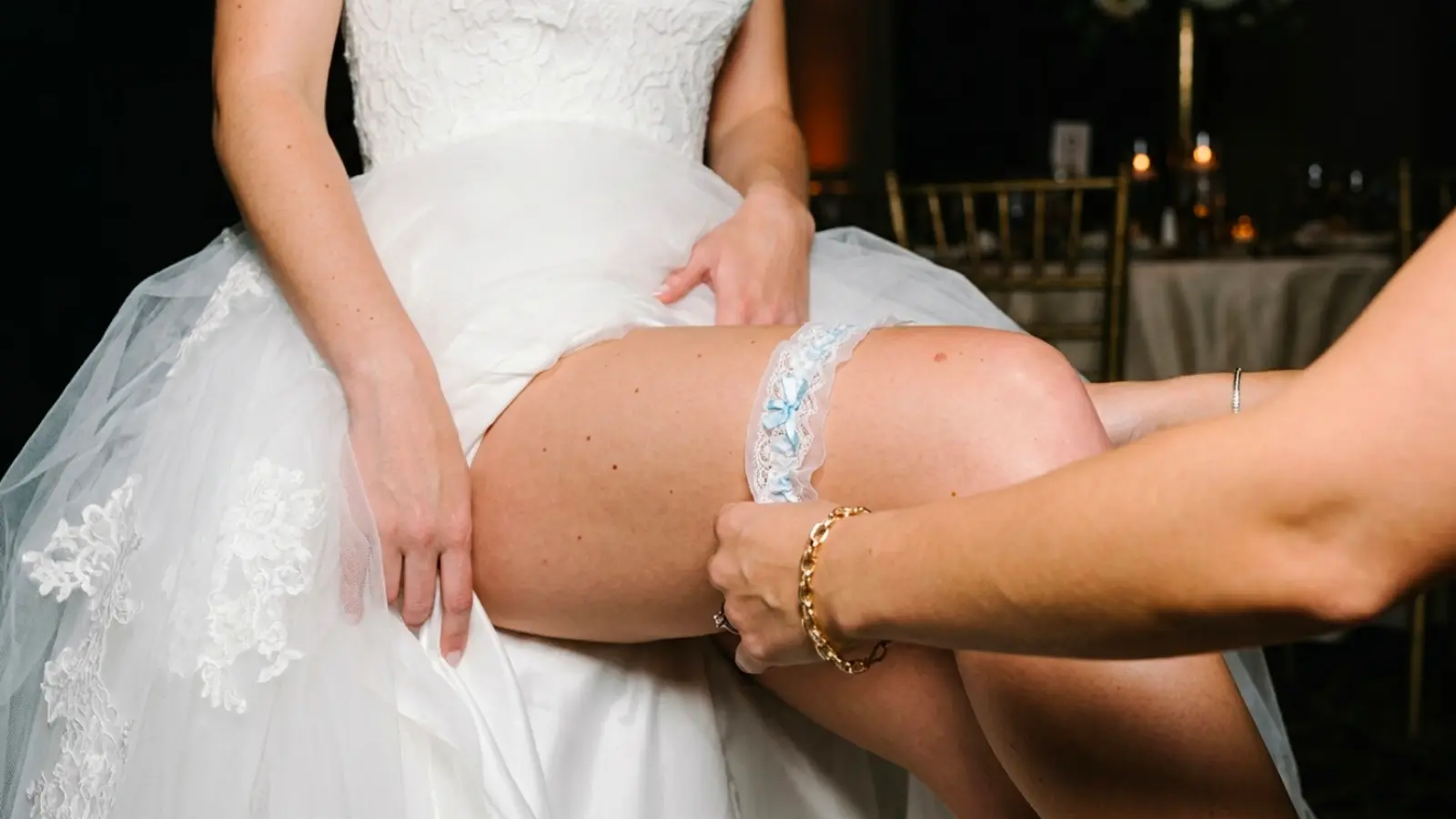
Garters are typically sized by thigh circumference, measured at the point where the garter will actually sit, usually four to six inches above the knee. Most brands offer standard ranges like small, medium, and large, often with a few inches of stretch built into each size, while others offer more precise sizing or fully custom options.
- Measure with a soft tape around the thigh at the intended placement point, not pulled tight.
- Check the brand’s specific size chart rather than assuming sizes are standardized across different makers, since they often aren’t.
- When between sizes, size up. A slightly looser garter is far more comfortable than one that’s too snug, and most styles include enough elastic give to stay secure even if it’s not perfectly snug.
- Account for the day itself. Standing, sitting, and dancing all shift how a garter sits on the leg, so a fit that feels good standing still in a fitting room needs a bit of margin for movement later.
Fabric and Material
What the garter is made of affects comfort more than almost any other factor, and it’s also the detail most likely to get overlooked while focusing on color or design.
- Satin. Smooth, soft against skin, and a common lining choice even on garters with a lace exterior. A garter that’s satin-lined on the inside tends to feel noticeably better over a long day than one that’s lace all the way through.
- Lace. Beautiful as a visible layer, but can feel scratchy or stiff directly against bare skin, especially cheaper or stiffer laces. Best used as an outer layer over a soft lining rather than worn alone.
- Elastic band width. A wider band distributes pressure more evenly around the thigh than a narrow one, which usually means less pinching and less tendency to roll or dig in over time.
- Embroidery and embellishments. Beads, sequins, or heavy embroidery look lovely but can add stiffness or rough texture in spots. Worth checking that any embellished areas won’t sit directly against the most sensitive part of the leg.
None of this means lace or embellishment should be avoided, they’re often what makes a garter feel special. It just means checking the construction underneath the visible design, not just the design itself, before deciding.
Elasticity and How It Stays in Place
A garter that slides down throughout the day is almost as frustrating as one that’s too tight. Staying in place comes down to a combination of elastic quality, band width, and fit, and it’s worth paying attention to all three rather than assuming any garter will simply stay put.
Good elastic has enough recoil to hold its position without needing to be pulled painfully tight to begin with. Cheaper or older elastic loses that recoil faster, which is part of why testing a garter well before the wedding, rather than relying on it straight out of the package, matters. A wider band also helps simply because more surface area means more grip distributed across the leg, rather than concentrated in a thin line that’s more prone to rolling or slipping.
Comparing Garter Styles
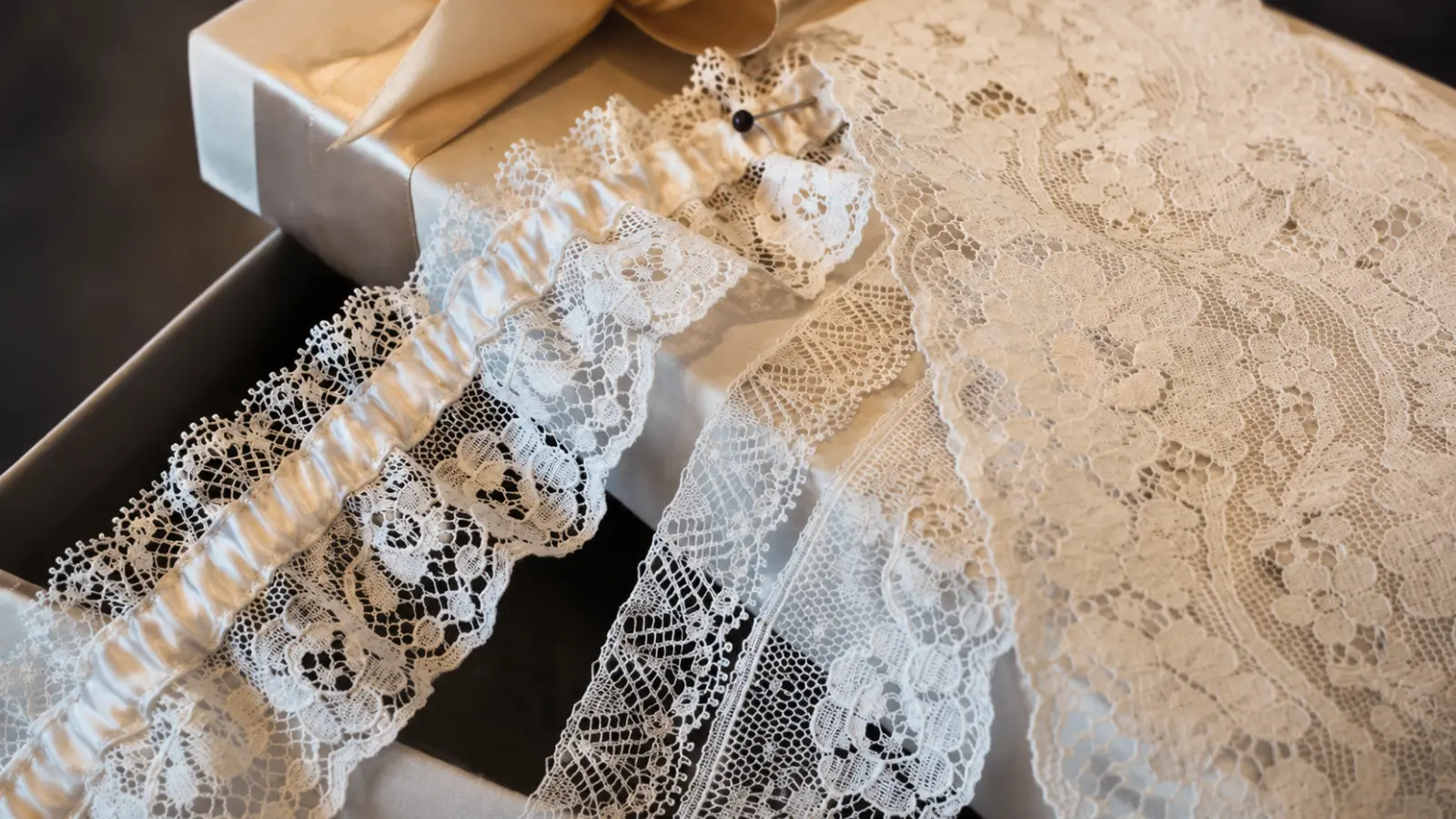
A quick side-by-side of the most common style categories and what they tend to offer in terms of comfort, look, and practicality.
| Style | Comfort Level | Best For |
|---|---|---|
| Satin-lined lace | High | All-day wear, keepsake garters |
| Unlined lace | Lower | Short wear, photos, toss garter |
| Plain satin or elastic band | High | Brides prioritizing comfort over detail |
| Embroidered/personalized | Medium–High | Keepsake garters, sentimental detail |
| Beaded or embellished | Medium | Photos and short-term wear, less ideal all day |
A common approach is choosing a higher-comfort style for the garter actually worn all day, and saving anything more delicate or embellished for a second piece worn briefly or kept as a keepsake rather than lived in.
Toss Garter vs. Keepsake Garter
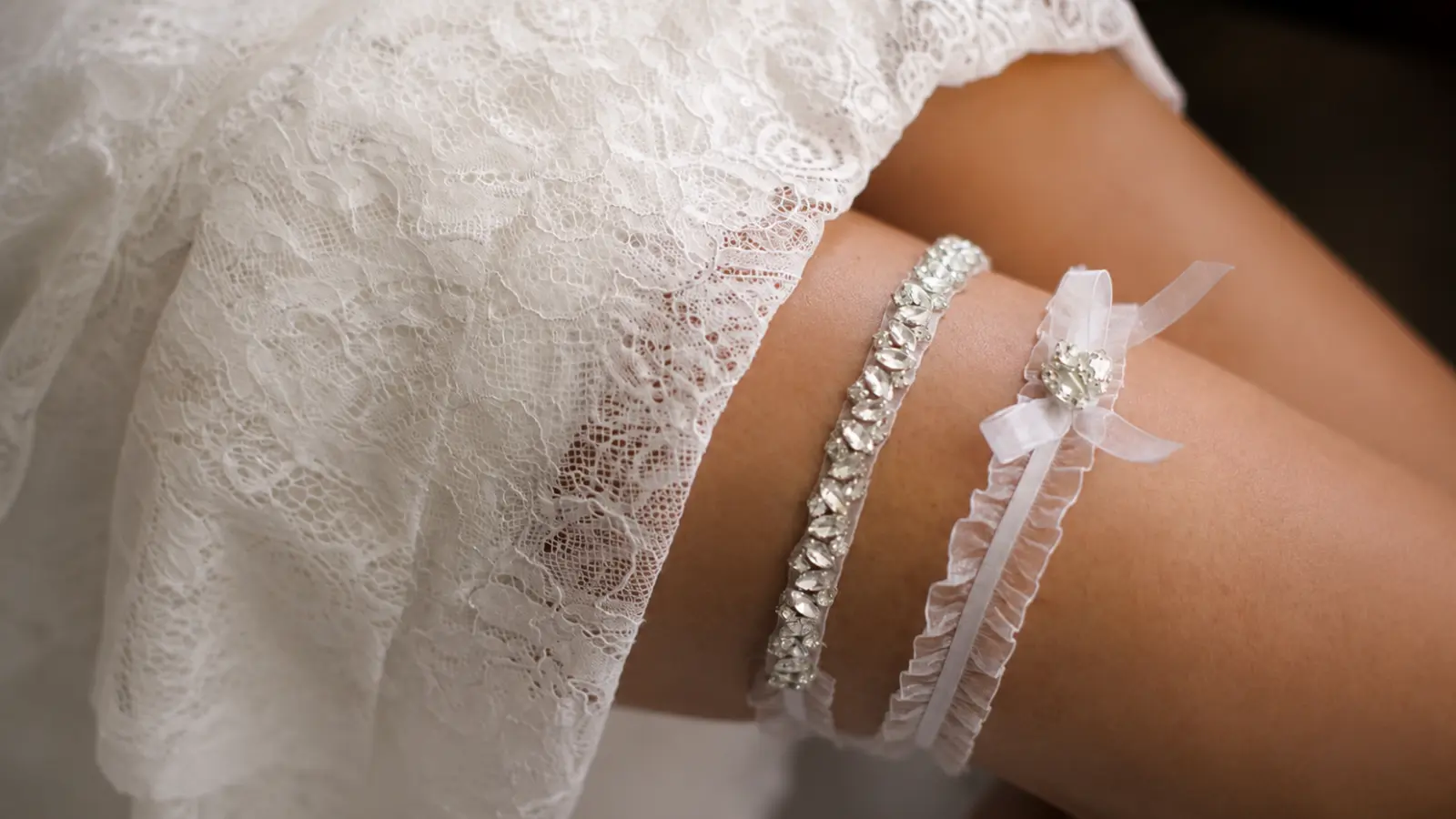
Many garter sets come with two pieces for exactly this reason: one to keep, one to toss. The keepsake garter is usually the more detailed or sentimental piece, lace, embroidery, a meaningful color, sometimes a phrase or date stitched inside, meant to be kept long after the wedding. The toss garter is simpler and less expensive, worn specifically for the toss if the couple is doing one, so there’s no risk of losing or damaging the piece that actually matters.
This isn’t a requirement, plenty of brides wear a single garter and either skip the toss or use the same piece for both, but it’s a practical option worth knowing about, especially for brides who want to keep something meaningful intact regardless of what happens during the reception. For couples still deciding whether to do a toss at all, the garter toss tradition guide and the garter toss alternatives guide both cover that decision in more depth.
Matching Color and Dress Style
Since the garter sits under the dress, color and style choices come down to personal preference rather than a strict need to coordinate with anything visible. That said, a few practical notes are worth knowing.
- Lighter dress fabrics can sometimes show a faint outline of a thicker or heavily embellished garter underneath, particularly with very fitted or sheer skirts. A slimmer, smoother style avoids this issue if it’s a concern.
- Form-fitting silhouettes generally do better with a flatter, less bulky garter, since anything thick or heavily textured is more likely to be noticeable through the fabric.
- Fuller skirts give much more flexibility, since there’s little chance of any garter showing through regardless of thickness or detail.
Beyond fit concerns like these, color is entirely a matter of preference. The wedding garter colors and meanings guide covers what each color tends to represent, and the blue wedding garter guide goes deeper into the most traditional choice specifically.
Plus Size and Fuller Figures
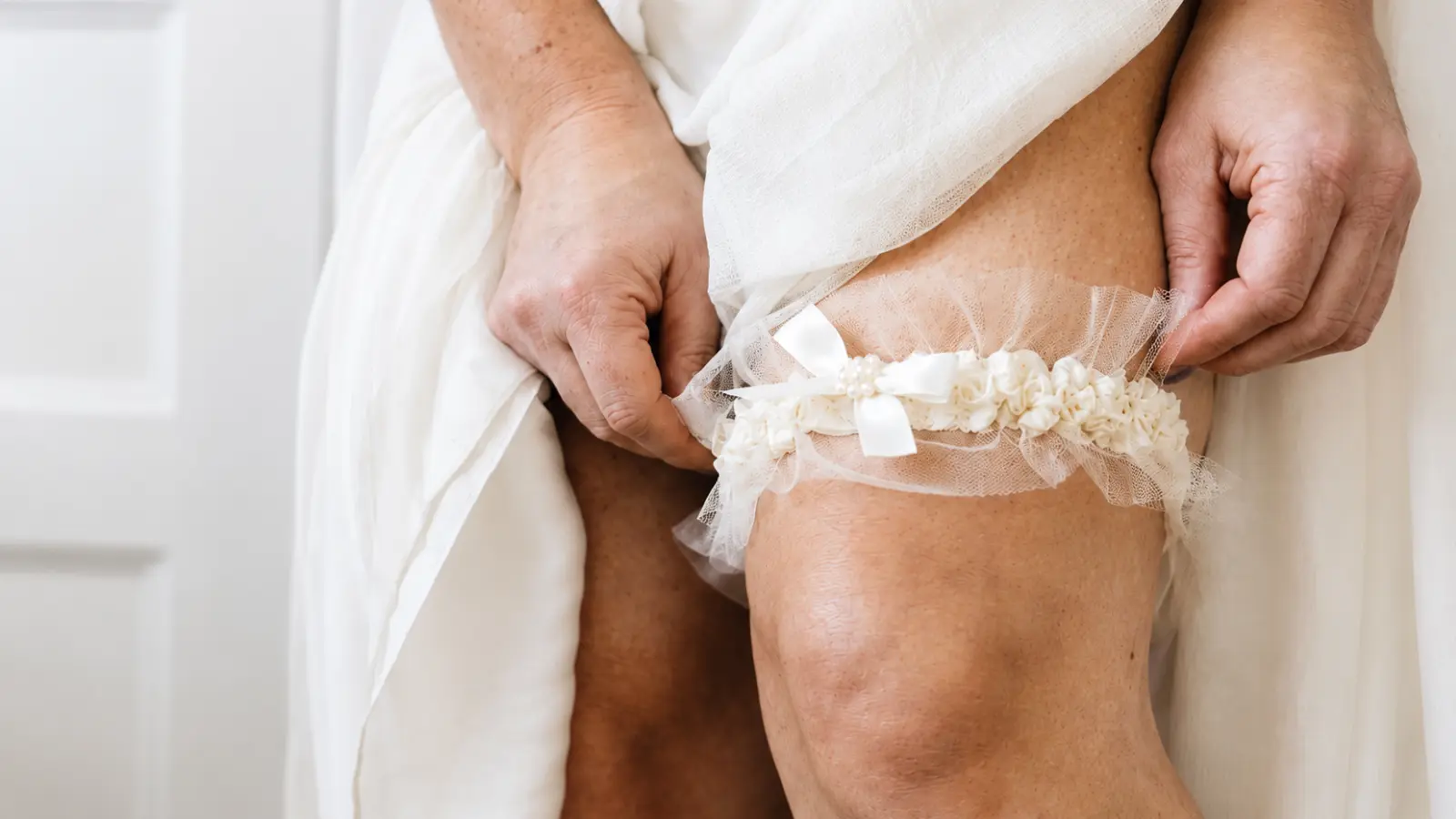
Garter sizing has historically been inconsistent across brands, with some offering a fairly narrow standard range and others building in much more flexibility. The most reliable approach is checking the actual maximum thigh circumference listed for a given size rather than assuming a “large” from one maker will fit the same way as a “large” from another.
Many makers now offer plus size wedding garters with extended sizing built specifically for fuller thighs, and some offer fully custom measurements on request. A garter built for the correct size range will feel secure without digging in, while one stretched past its intended range is far more likely to roll, pinch, or leave marks by the end of the day. If standard sizing doesn’t fit comfortably, looking specifically for extended-size or custom options is worth the extra step rather than settling for something that technically fits but doesn’t feel good.
When to Buy
Most brides buy or order their garter a few months before the wedding, often around the same time as other accessories like shoes, jewelry, or a veil. This timing leaves enough room to try it on, check the fit, and exchange or reorder if something isn’t right, which matters more for garters than people often expect, since sizing issues aren’t always obvious until the piece is actually tried on.
Custom or made-to-order garters, especially anything with personalized embroidery, can take several weeks to arrive, so those should be ordered earlier rather than closer to the date. A standard, in-stock garter can usually be bought closer to the wedding without issue, but building in a buffer of at least a few weeks avoids any last-minute scramble.
How to Test It Before the Wedding
The single most useful thing a bride can do before deciding on a garter is actually wear it for a while under real conditions, not just try it on for thirty seconds in front of a mirror.
- Wear it under the actual dress, or a similar silhouette, during a fitting if possible, so you can confirm how to wear a wedding garter comfortably before the wedding day.
- Sit down for a stretch of time, the way you would through dinner or a ceremony, and notice whether it digs in or shifts.
- Walk around normally, not just standing still, to see whether it slides.
- Move the way you would while dancing, since that’s often when a garter is most likely to shift or feel uncomfortable.
- Wear it for at least an hour, not just a few minutes, since some discomfort only becomes noticeable after sustained wear.
A garter that passes this kind of test is far more likely to feel fine all the way through the wedding day than one that’s only been tried on briefly.
What to Avoid
Choosing based on photos alone. A garter that looks beautiful in a flat lay or product image doesn’t guarantee it’ll feel good worn for hours. Check the materials and construction, not just the visual.
Sizing down “to be safe.” A garter that’s too tight is far more uncomfortable than one with a little extra room. When in doubt, size up.
Skipping the test run. Trying it on for the first time on the wedding day itself leaves no room to fix a problem. Test it well in advance.
Ignoring the lining. A beautiful lace exterior with no soft lining underneath can feel scratchy against bare skin for hours. Check what’s actually touching the leg.
Assuming all “one size fits most” garters actually do. These styles work for a fairly narrow range of measurements despite the label. Checking the actual size specifications avoids a disappointing surprise.
Forgetting to account for movement. A garter that feels secure standing still can behave very differently while dancing. Testing under real movement, not just stillness, matters.
How to Choose the Perfect Wedding Garter
Choosing a wedding garter is about more than finding a beautiful design. Explore sizing tips, comfortable fabrics, keepsake and toss garters, plus practical advice to help you find the right fit for your wedding day.
The Right Garter Should Feel Effortless
The best wedding garter is not necessarily the most detailed or the most expensive. It is the one that feels secure, comfortable, and easy to wear from the first photographs to the final dance, allowing you to focus on the celebration instead of adjusting an accessory throughout the day.
When comfort, fit, fabric, and style all work together, a wedding garter becomes exactly what it should be—a meaningful bridal detail that quietly complements the day without ever getting in the way.
Frequently asked questions (FAQ)
How do you choose the right wedding garter?
Start by choosing a garter that fits comfortably before focusing on style or decoration. The right wedding garter should stay securely in place without feeling tight, use soft materials against the skin, and suit your wedding plans. Once comfort is covered, you can choose details like lace, color, embellishments, or whether you want a keepsake or toss garter.
How do you measure for a wedding garter?
Measure around your thigh where the garter will sit, usually four to six inches above the knee, using a soft measuring tape. Compare that measurement with the brand’s size chart instead of relying on standard sizes alone. If you are between sizes, choosing the larger size is usually the most comfortable option.
What is the most comfortable wedding garter material?
Wedding garters with a soft elastic band and a satin or smooth fabric lining are usually the most comfortable for all-day wear. Lace works beautifully as an outer layer, but it often feels better when backed with a soft lining instead of resting directly against the skin.
What is the difference between a keepsake garter and a toss garter?
A keepsake garter is designed to be saved after the wedding and often includes more detailed lace, embroidery, or sentimental features. A toss garter is a simpler second garter used only if you plan to include the garter toss. Many bridal sets include both so you can preserve the keepsake while still participating in the tradition.
Are there wedding garters for plus-size brides?
Yes. Many wedding garters are available in extended or custom sizes designed for different thigh measurements. The most important step is checking the actual sizing guide instead of relying only on labels like small, medium, or large. A properly fitted garter should stay in place comfortably without pinching or rolling.
When should you buy and test your wedding garter?
Most brides buy their wedding garter a few months before the wedding so there is time to check the fit and exchange it if necessary. Before the wedding day, wear it under your dress while walking, sitting, and moving around for at least an hour. This is the best way to confirm that it will stay comfortable throughout the celebration.