Lost wedding ring situations are stressful because a wedding ring is not only a piece of jewelry — it often carries years of memories, meaning, and personal history. The first steps after losing one matter because a clear search process can improve the chances of finding it before moving toward insurance claims or replacement options.
Most lost wedding rings are found closer than people expect: at home, in pockets, near sinks, in bags, or in places where the ring was removed temporarily and forgotten. For outdoor losses, especially beaches, yards, or parks, acting quickly can make recovery much easier.
This guide explains what to do after losing a wedding ring, including where to search first, when to contact insurance, how replacement works, sentimental replacement options, and practical ways to protect your wedding ring in the future.
What to Do if You Lose Your Wedding Ring
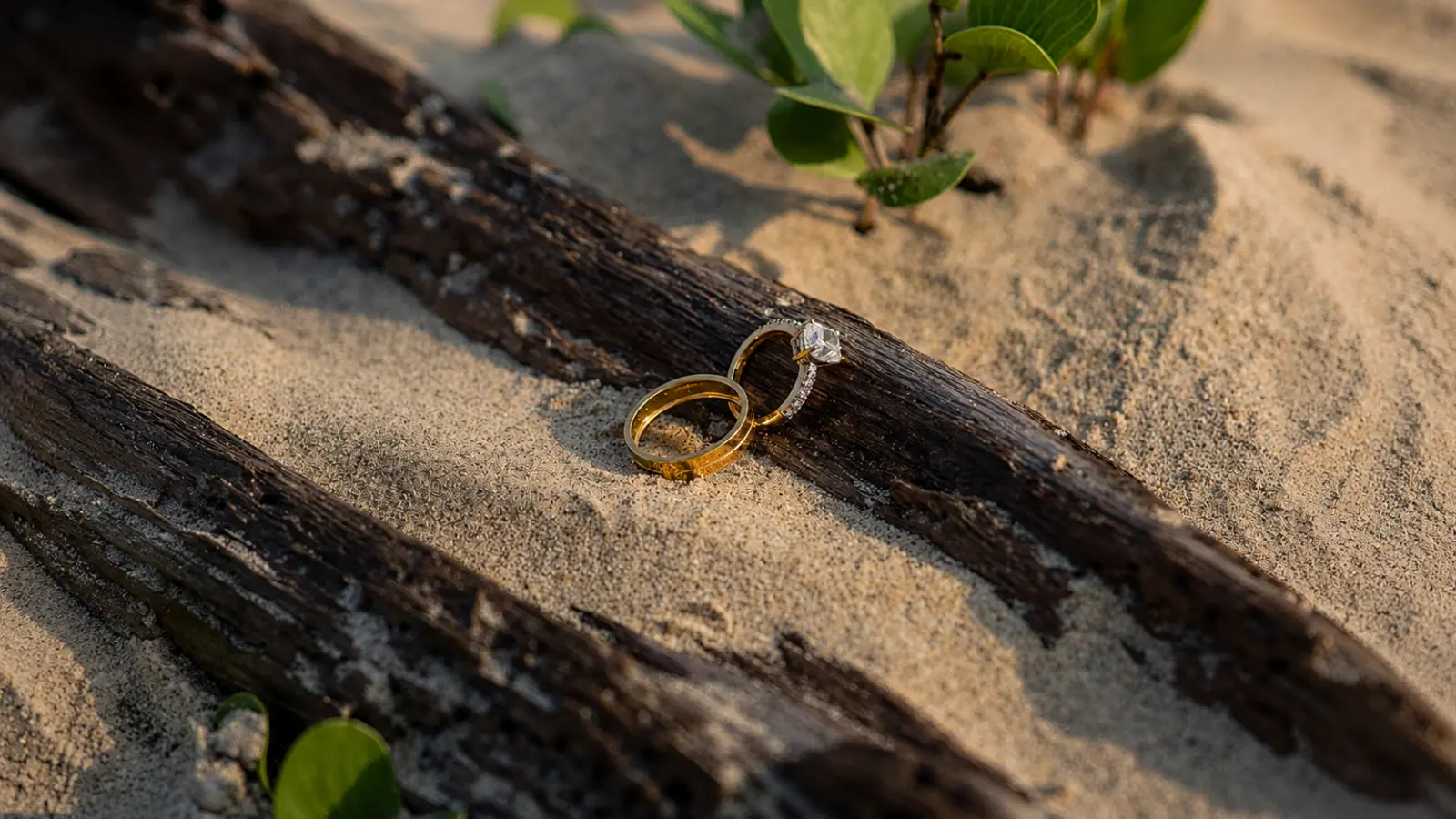
The first thing to do is stop moving. Not permanently, but for long enough to think clearly about when you last remember having the ring on your finger, and to reconstruct the sequence of events between that moment and this one. The instinct is to start searching immediately and urgently, which often leads to covering the same ground repeatedly without any structure. A few minutes of calm recollection is more useful than an hour of frantic searching, because what you are really trying to do is narrow down where the ring is most likely to be before you go looking for it.
Pin Down the Last Moment You Remember Wearing It
Ask yourself specifically: where were you the last time you consciously noticed the ring? Not the last time you assume it was there — the last time you actually saw it or felt it. For many people, this is a more recent memory than they expect, and it significantly reduces the search area. If you can place the ring on your finger as recently as an hour ago in a specific location, the ring is almost certainly still in or near that location.
Tell the People Around You
Tell the people around you immediately. Partners, family members, housemates, coworkers who were with you — anyone who might have seen it in a location you did not search, or who might find it in the course of their own day and not know to tell you. The ring is more likely to be found by someone who knows they are looking for it than by someone who would see it and assume it belongs where it is.
Call Any Public Place You Visited
If the ring was lost in a public place — a restaurant, a gym, a hotel, a store — call those locations before you do anything else. Lost-and-found items at most businesses are held for a defined period, and calling promptly puts your name and description on record so that if the ring is turned in, you are the first contact. Be specific when you call: the metal, any stone details, approximate size, and any engraving that would identify it. A ring without a description is harder to reunite with its owner even when it is in someone’s possession.
Do not file an insurance claim yet. Most rings reported lost are found within a week — in a coat lining, behind a dresser, in a gym bag, in a bathroom cabinet. Filing a claim before completing a thorough search and waiting a reasonable amount of time may trigger a claims process and complicate the situation if the ring subsequently turns up. Most insurers require a waiting period before processing a loss claim in any case, so the timeline naturally accommodates a continued search.
Where to Search First
Most lost wedding rings are found in a small number of predictable locations, in a predictable order of likelihood. Searching systematically through the high-probability locations before expanding outward saves time and avoids the frustration of thorough searching in low-probability areas while the ring sits somewhere obvious.
The Bathroom
The bathroom is where wedding rings are most commonly removed and most commonly lost. The ring comes off to wash hands, to apply lotion, to take a shower — and then gets set down, knocked off a ledge, or forgotten in a pocket or toiletry bag. Check the counter carefully, including behind and under any items on it. Check the floor around the toilet and vanity, then check the drain. If the ring has gone down the drain — more common than most people expect — do not run more water. Place a bucket under the P-trap beneath the sink and unscrew it; the P-trap retains water and typically retains anything that went down the drain with it. A ring lost down the bathroom drain is often recoverable with this step alone, and the recovery rate drops significantly if water continues to run through the drain before the trap is checked.
The Bedroom
The nightstand is the second most common location. Many people remove their ring before sleeping and set it on the nightstand in the dark, where it can slide off the edge or be knocked off in the morning without being noticed. Check the floor beside and behind the nightstand carefully, including between the nightstand and the wall. Check inside dresser drawers, particularly the top drawer, where a ring set on the dresser surface can fall in when the drawer is opened. Check between and under pillows and in the bedding — rings removed in the night or first thing in the morning have a way of ending up in the sheets.
Coat Pockets and Bag Linings
A ring placed in a pocket at the gym, before a medical procedure, before gardening, before a beach visit — any situation where the ring was deliberately removed for practical reasons — can migrate to the deepest corner of a bag or to a pocket in a coat that has since been hung up. Check every pocket of every coat, bag, gym bag, and purse used recently. Check the linings of bags for interior pockets that are easy to forget, and check the bottom of tote bags and handbags, where small objects settle under other contents.
The Gym
The gym locker room is a high-loss environment for jewelry. Rings removed before lifting, before a class, or before showering are frequently set on locker shelves, window ledges, or the edges of sinks and then forgotten. If the ring was removed at the gym, go back as soon as possible and check the locker room thoroughly, including the specific locker used. Most gym facilities hold lost-and-found items at the front desk; ask specifically for jewelry and describe the ring.
Outdoor Environments
A ring lost outdoors — in a yard, at a beach, in a park, on a trail — is the most time-sensitive situation, and it requires a different approach than an indoor search. Do not rely on visual searching in grass, sand, or soil; the ring is almost certainly not visible from a standing position. Contact a local metal detector club or hobbyist group immediately. These organizations often operate volunteer ring-finding services and respond quickly, particularly for recent losses. A ring lost on a beach or in a yard can typically be found with a metal detector within hours of the loss; the success rate drops significantly after rain, heavy foot traffic, or additional digging in the area. Many ring finders request only that the finder’s expenses be covered, or nothing at all — searching for lost rings is a hobby for many of these volunteers, and they are often genuinely motivated to help.
If a search of all likely locations has been thorough and the ring has not turned up after several days, expanding to less likely locations is worth doing: inside appliances like the washing machine drum, inside shoes, in the car between and under seats, in the gap between furniture cushions. Rings that were lost while doing something physical — laundry, cooking, gardening, exercise — have a way of ending up in unexpected places.
When to Contact Insurance
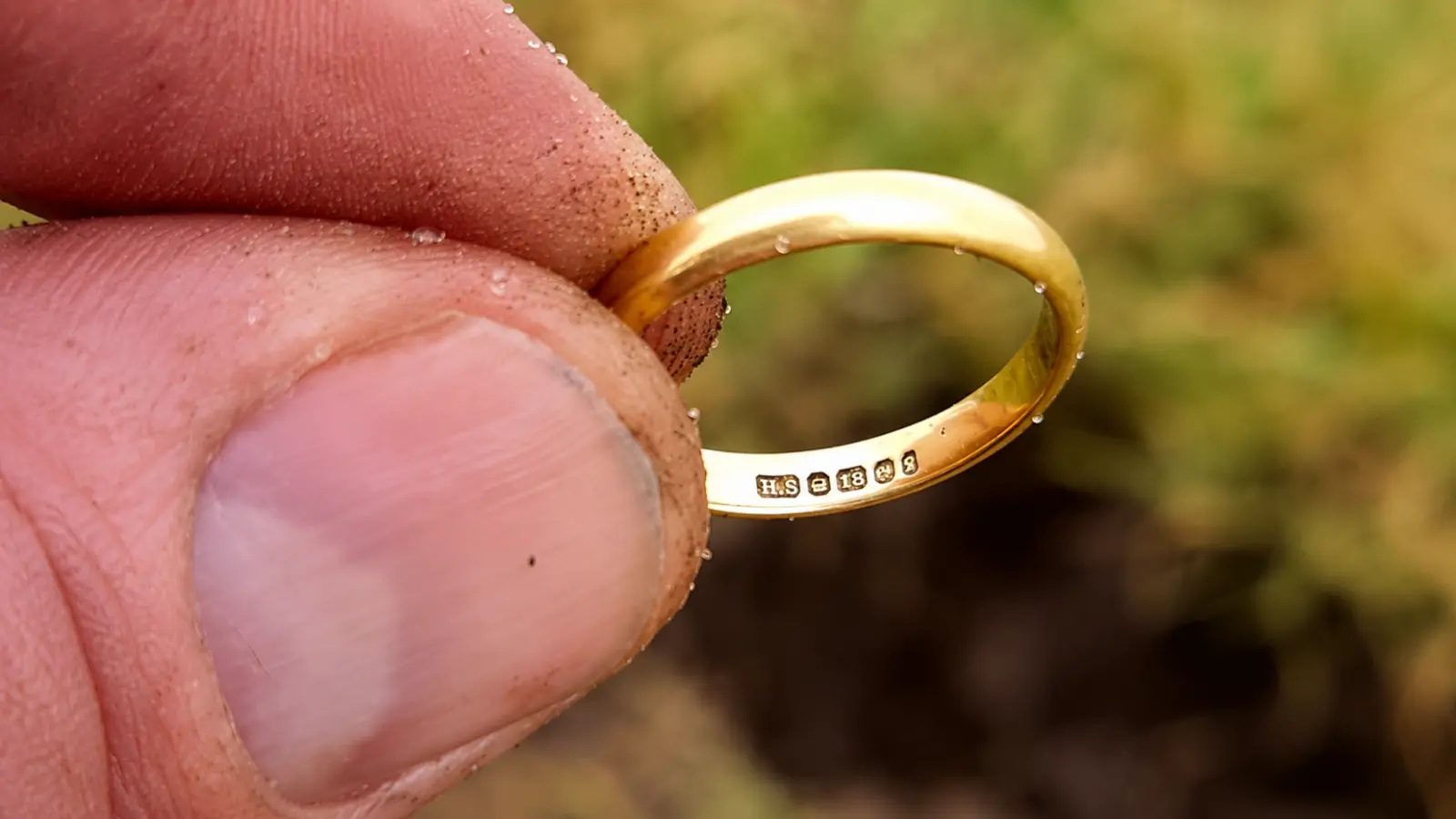
The insurance situation around a lost wedding ring is one of the most commonly misunderstood aspects of this experience, and understanding it clearly before a loss occurs is significantly better than trying to understand it after.
What Standard Policies Actually Cover
Standard homeowners and renters insurance policies cover jewelry, but usually not in the way most people assume. The jewelry coverage in a standard policy is typically limited to a sublimit — a cap on jewelry claims that is often $1,000 to $2,500 regardless of what the jewelry is worth — and is almost always restricted to theft. Accidental loss, mysterious disappearance, dropping a ring in the ocean, leaving it somewhere and not knowing where: these scenarios are typically excluded from standard coverage. If your coverage information has not been reviewed since the ring was purchased, it is worth reviewing it now, because the default assumption that homeowners insurance covers a lost ring is often incorrect.
The Two Sources of Real Coverage
Coverage through wedding ring insurance typically comes from one of two sources when accidental loss is included. The first is a jewelry rider or floater — a scheduled personal property endorsement added to a homeowners or renters policy that covers a specific piece of jewelry for its appraised value, including scenarios like accidental loss and mysterious disappearance. The second is standalone jewelry insurance through a dedicated provider. Companies that specialize in jewelry insurance — Jewelers Mutual and BriteCo are two of the more established names in the United States — offer policies that cover the ring for its replacement value against a broad range of loss scenarios including accidental loss, disappearance, damage, and theft.
How to File a Claim
If you have either type of coverage, contact your insurer after a thorough search has been completed and a reasonable amount of time has passed, typically one to two weeks. Most insurers will ask for a description of the circumstances of the loss, a copy of the original purchase receipt or an appraisal, and in some cases a police report. Filing a police report for a lost ring may feel excessive, but many insurers require it as part of the claims process even for non-theft losses, and it creates a formal record of the loss that can be useful if the ring is subsequently found and turned in to authorities.
If no coverage exists, that is information to carry forward rather than a crisis to resolve now. The replacement decision can be made independently of any insurance timeline, and the experience of losing a ring without coverage is a common motivator for insuring the replacement. Most jewelry insurers charge between one and two percent of the ring’s value per year in premiums, which for a ring valued at several thousand dollars amounts to a modest annual cost for complete coverage against loss, damage, and theft.
Replacing a Lost Wedding Ring
The replacement decision is best made after the search has been completed, any insurance process has been initiated, and enough time has passed for the emotional immediacy of the loss to settle. Replacing a ring in the first few days after losing it, driven by urgency or guilt, often produces a ring chosen in haste, in conditions that are not conducive to a careful decision. Most people who replace quickly report wishing they had waited. Once the time is right, the replacement options are broader than most people realize.
Exact Recreation From the Original Jeweler
If the ring was purchased from a jeweler who maintains design records — most major jewelers and many independent ones do — the original design may be available to recreate from those records. Contact the original jeweler first, provide the purchase receipt or any documentation of the original ring, and ask whether the design can be reproduced. Many rings can be remade to specification using the jeweler’s original design files, and the result will be a ring functionally identical to the lost one. It is a new object, not the original, which matters emotionally to some people and not at all to others.
Recreation From Photographs
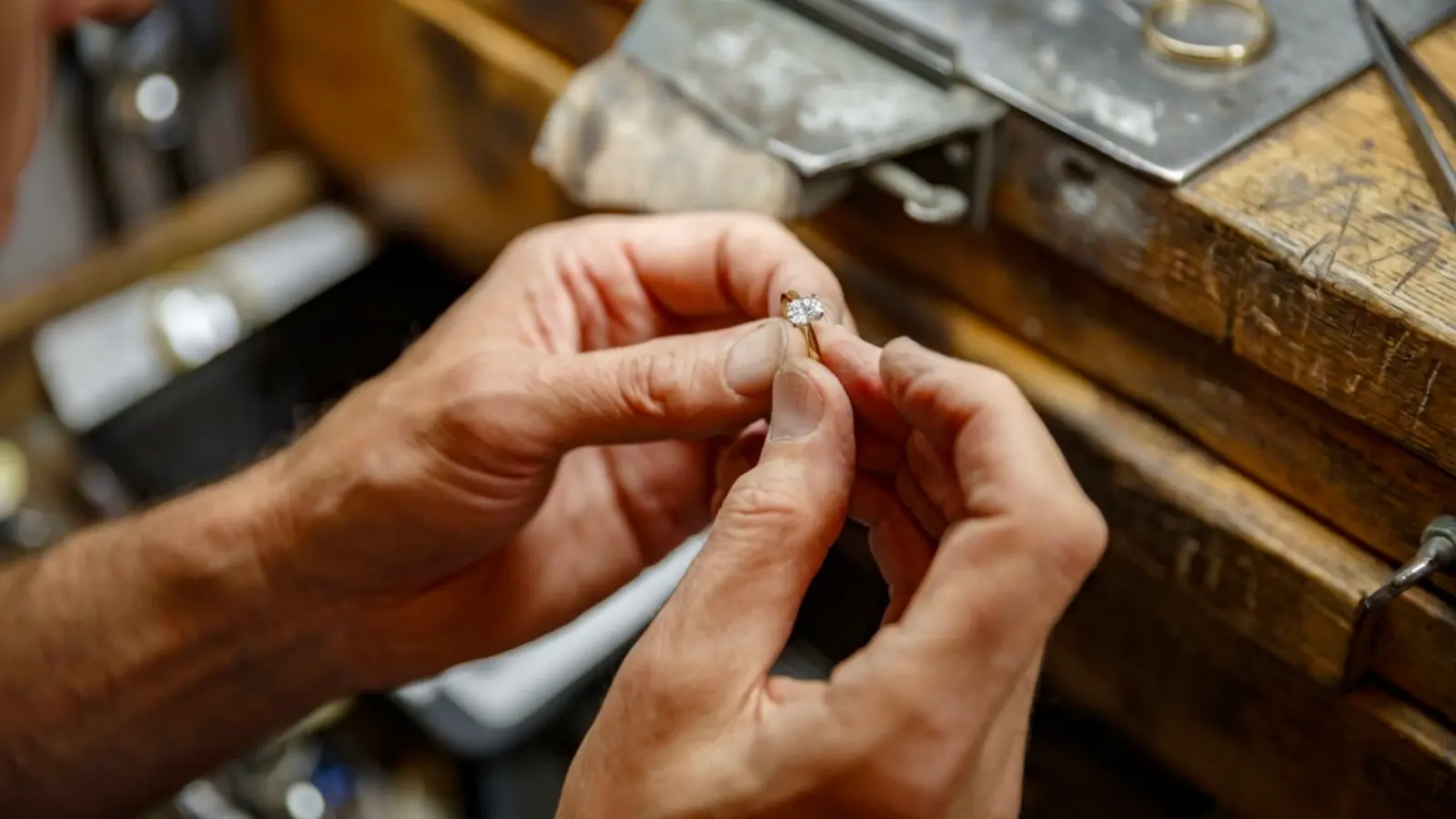
If the original jeweler is not available or the design is not in their records, a skilled bench jeweler can recreate most ring designs from clear photographs. Multiple photographs from different angles — top, side, inside the band — give a jeweler enough information to work from. Quality photographs are usually sufficient to produce a faithful recreation in most standard designs. Highly individual custom wedding rings may require more interpretive work, and the recreated result may differ in small ways from the original.
A New Ring, Different Design
For some people, the loss of the original ring feels like a door opening rather than a window closing. A ring chosen twenty years ago may no longer reflect who the person is or how they live; losing it creates an occasion to choose something that does. This is not a diminishment of the original ring’s meaning — it is a recognition that people change, and that a replacement ring chosen now can carry its own meaning rather than being a copy of something that no longer exists. If this framing feels right, it is worth approaching the replacement as a ring purchase rather than a replacement project, starting from what you would want to wear now.
A Temporary Ring While Deciding
A temporary ring is worth considering when the replacement process will take time, whether because of an insurance timeline, a custom recreation process, or simply the desire to make the replacement decision carefully. Simple bands in sterling silver, gold-filled metal, or silicone are inexpensive and available quickly. They serve the practical and emotional function of having something on the finger without committing to a permanent replacement before the decision is ready to be made, and they give the finger time to readjust to the sensation of wearing a ring before the permanent replacement arrives.
Sentimental Ways to Replace a Ring
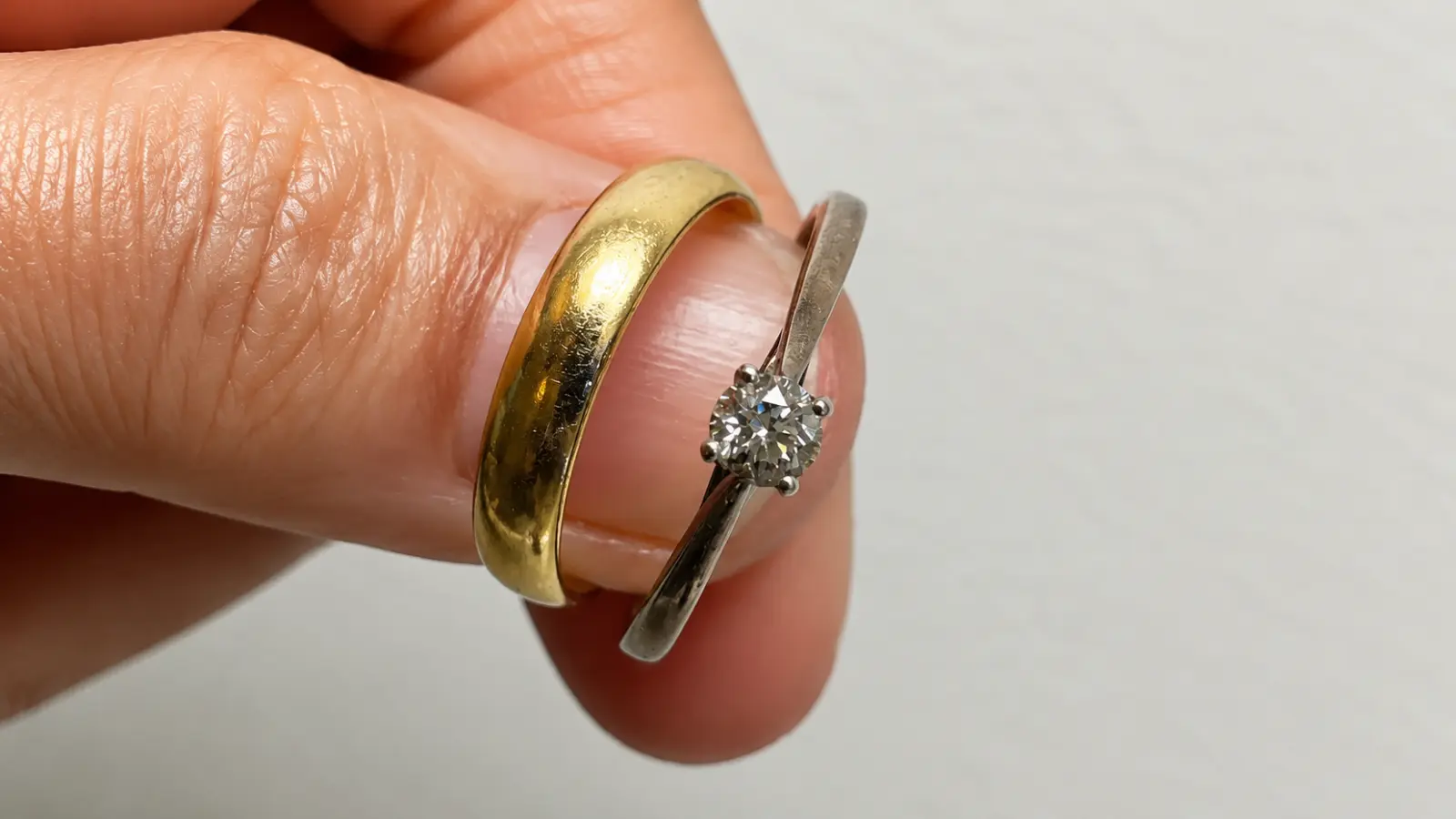
The hardest version of losing a wedding ring is losing one that cannot be recreated — a family heirloom passed down through generations, a ring made from metal that belonged to someone who has since died, a ring that was one of a kind and is now simply gone. The material loss and the sentimental loss are two different events, and they require different responses.
The sentimental loss is real and worth grieving directly rather than trying to resolve through a replacement. A new ring, however beautiful, will not restore what the original ring represented — the continuity with a family history, the physical object that a grandparent wore, the thing that connected a person to someone they loved and lost. Accepting that the replacement is a different object with different meaning, rather than a restoration of the original, is the more honest starting point. What replacement can do is create new meaning rather than restore old meaning.
Incorporating Inherited Metal
If other jewelry exists from the same family line or the same person — a bracelet, a necklace, other rings — a jeweler can melt that metal down and use it to cast a new ring. The new ring is not the lost heirloom, but it carries the same metal, the physical material, from the same source. For some people, this is the most meaningful available response to the loss of a ring that cannot otherwise be recreated.
Choosing a Stone With a Story
If the lost ring contained a stone that was meaningful — a diamond from a grandmother’s ring, a sapphire that was a family piece — and that stone has been recovered or exists in another piece of jewelry, setting it in a new ring preserves the most irreplaceable element. The setting can be new; the stone carries the history.
Commissioning a Piece That References the Original
A jeweler working from photographs of the lost ring can sometimes create a piece that is not a copy but a reference — something that shares a design element or a spirit with the original without attempting to duplicate it exactly. This approach is useful when an exact recreation would feel hollow, a copy rather than the thing itself, but a completely different ring would feel like it is ignoring the original’s significance.
Renewing Vows Around the Replacement
Some couples mark the replacement of a lost wedding ring with a small vow renewal — a private ceremony or a moment between the two of them in which the new ring is given the same intention and significance as the original. It is not a formal event; it is an acknowledgment that the ring being placed on the finger now is the ring, not a placeholder or a copy, and that the commitment it represents is as real as it was when the first ring was exchanged.
An entirely new design with new significance is also a legitimate path. Many couples who have replaced a wedding ring report that the replacement eventually carries its own associations — the trip they took when they chose it, the stage of life it arrived in, the years they wore it — that make it no less significant than the original. The wedding ring meaning attached to a replacement is not fixed at the moment of the ceremony. It accumulates over time.
How to Prevent Losing It Again
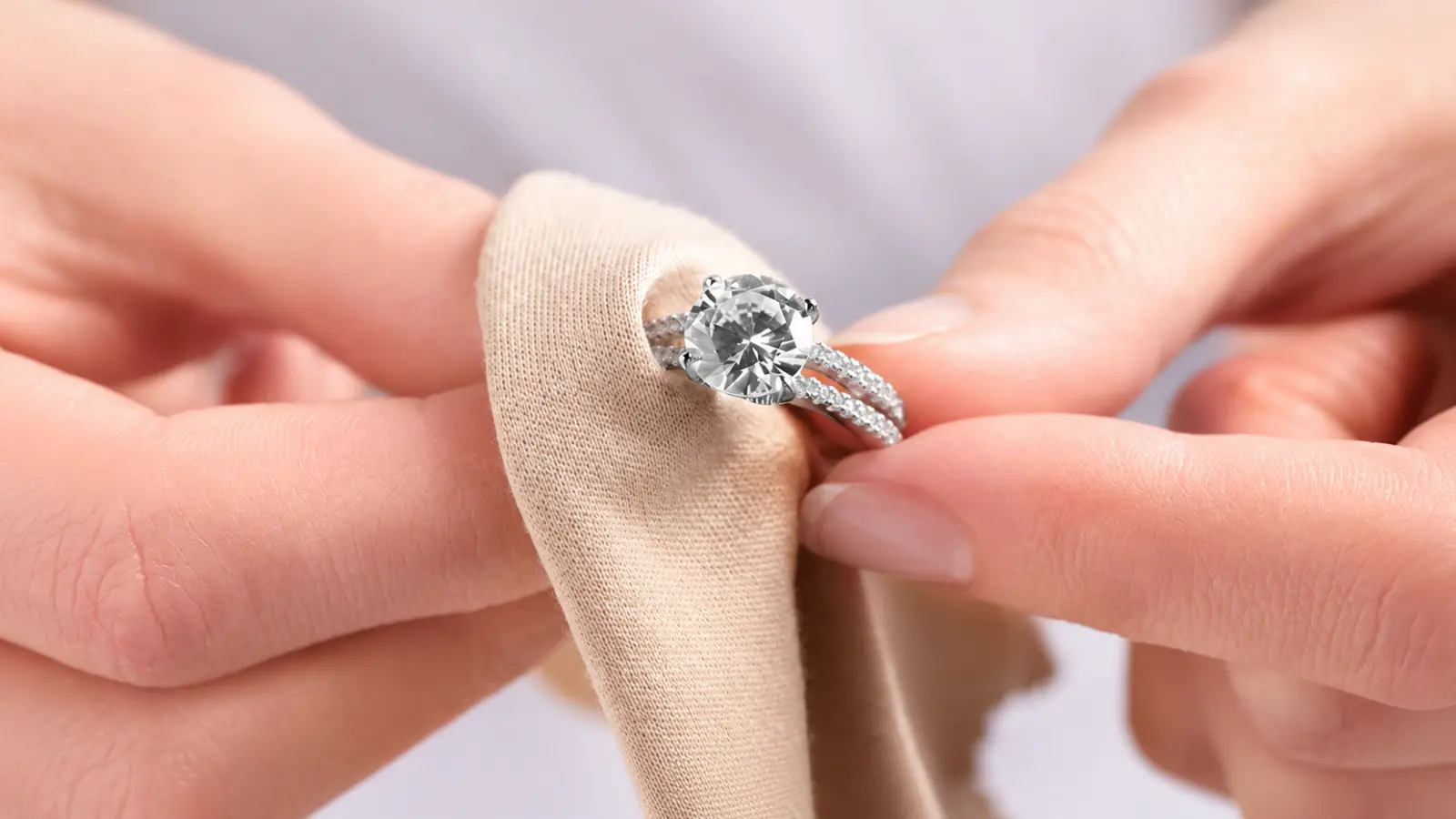
Most rings are lost in predictable ways, which means most future losses are preventable with changes that are more specific than “be more careful.” Being more careful is not a behavior — it is an intention. The following are behaviors.
Resize the Ring if It Has Ever Felt Loose
A ring that fits perfectly is not lost on the body — it does not slip off without being felt. A ring that is slightly too large is lost on the body constantly: in cold water, in cold weather (fingers shrink in the cold, which is why beach and ski resort jewelers see a disproportionate number of lost ring cases), during physical activity that causes the hands to move differently, during any situation where the hand is immersed in water or lubricant. If the ring has ever felt like it might slide off, wedding ring resizing is the single most effective prevention available. It is also inexpensive and takes most jewelers a day or less.
Establish One Removal Location and Use Only That Location
The most common indoor ring loss happens when the ring is removed in a non-standard location — set on the edge of a bathroom sink that is not the usual bathroom, placed in a coat pocket rather than the usual dish, set on a hotel nightstand and left there. A ring dish by the bathroom sink, used every single time the ring comes off at home, eliminates the variability that produces most indoor losses. The dish does not have to be elaborate. It has to be consistent.
Use a Ring Holder During Physical Work
A ring removed for gardening, cooking, cleaning, or physical work that goes into an inconsistent location — a windowsill, a counter, a pocket — is a ring in transit between two places with no guaranteed safe arrival at either. A small ring holder or dish kept near the kitchen sink, near the garden tools, near the gym bag, provides a defined destination for the ring when it comes off for a specific activity. The ring goes to the holder; it does not go anywhere else.
Consider a Silicone Band for High-Risk Activities
Silicone wedding bands are designed to be worn in place of a metal ring during activities where ring loss or ring damage is likely — swimming, rock climbing, heavy lifting, working with machinery, anything where a metal ring creates a safety risk or a loss risk. Wearing silicone wedding rings during those activities and leaving the metal ring at home eliminates both risks. Silicone bands have become widely available and are inexpensive enough that keeping one on hand for specific situations is a negligible cost relative to the ring they protect.
Insure the Replacement Ring
This does not prevent loss, but it changes the consequence of loss significantly. Jewelry insurance for a ring valued at several thousand dollars typically costs between $50 and $150 per year, an amount that most people find entirely reasonable once they have experienced a loss. Scheduling the ring on a homeowners or renters policy, or purchasing standalone jewelry insurance, means that the next loss is a search and a phone call rather than a search and a financial crisis.
One last step worth taking now, while the ring is still on the hand: photograph it in detail — top, side, inside the band, any engraving or distinctive marks. Clear photographs are useful for insurance claims, police reports, jeweler recreations, and identification if the ring is ever turned in to a lost-and-found. Most people do not think to do this until after a ring is lost. Doing it now takes two minutes and costs nothing. For more on the day-to-day realities of wearing a wedding ring, including when to remove it and how to keep it looking right over time, the how to wear wedding rings covers daily wear in full.
Lost Wedding Ring Guide
Losing a wedding ring can feel overwhelming, but knowing what to do next can make the process clearer. Explore our guide for search tips, recovery steps, insurance information, replacement ideas, and ways to protect your ring in the future.
The Ring Is Gone. What You Had Is Not.
A lost wedding ring can feel like losing more than an object. Some rings carry years of memories, family history, and moments that cannot simply be recreated with a replacement.
But the meaning of a wedding ring has never existed only in the metal itself. Whether you find the original, recreate it, or choose something entirely new, the story connected to it continues. A new ring does not erase what came before — it becomes another chapter added to everything the first one represented.
Frequently asked questions (FAQ)
What should you do first if you lose your wedding ring?
If you lose your wedding ring, start by stopping and retracing your steps from the last moment you clearly remember wearing it. Search the most likely places first, including bathroom counters, drains, nightstands, pockets, bags, cars, and locations where you recently removed the ring. If it was lost in a public place, contact the business quickly. If it was lost outdoors, consider getting help from someone with a metal detector before the area changes.
How can you find a lost wedding ring?
The best way to find a lost wedding ring is to search systematically instead of randomly. Focus on where rings are most commonly lost: places where they are removed, areas near sinks, clothing pockets, bedding, bags, and activity areas. Think about when you last saw or felt the ring, then rebuild the timeline from that moment. Outdoor losses often require a different approach because rings can disappear into grass, sand, or soil.
Does insurance cover a lost wedding ring?
Insurance coverage for a lost wedding ring depends on the type of policy you have. Standard homeowners or renters insurance may include jewelry coverage, but it often has limits and may not cover accidental loss or mysterious disappearance. A jewelry rider or standalone jewelry insurance policy is more likely to cover a lost ring, depending on the specific terms.
Can you replace a lost wedding ring?
Yes. A lost wedding ring can often be replaced by recreating the original design, ordering the same style again, or choosing a completely new ring. Jewelers may be able to recreate a ring using photos, receipts, previous design records, or details from the original piece. Some people prefer an exact replacement, while others choose a new design that represents the next part of their story.
How do you deal with losing a wedding ring with sentimental value?
Losing a wedding ring with sentimental value can feel different from losing a normal piece of jewelry because the meaning attached to the ring cannot simply be replaced. Some people recreate the original design, incorporate family materials into a new ring, or choose a replacement that carries new meaning. The original memories and commitment connected to the ring remain even if the physical object is gone.
How can you prevent losing your wedding ring again?
The best ways to prevent losing a wedding ring are to make the ring fit correctly, create one consistent place where it goes whenever removed, and avoid putting it in random pockets or temporary locations. A ring that feels loose should be checked by a jeweler, and a silicone or temporary band can be useful during activities where losing or damaging the original ring is more likely.