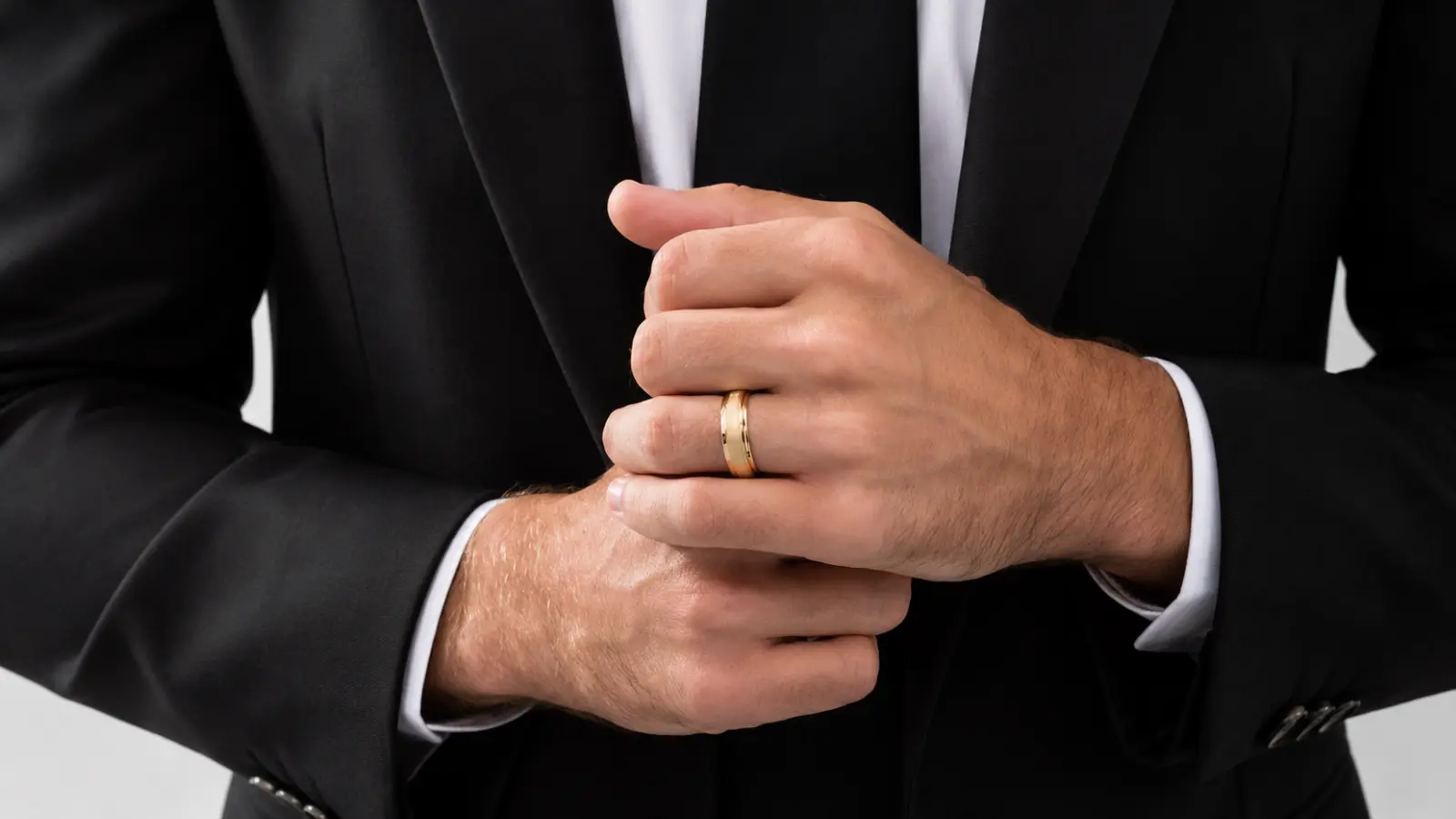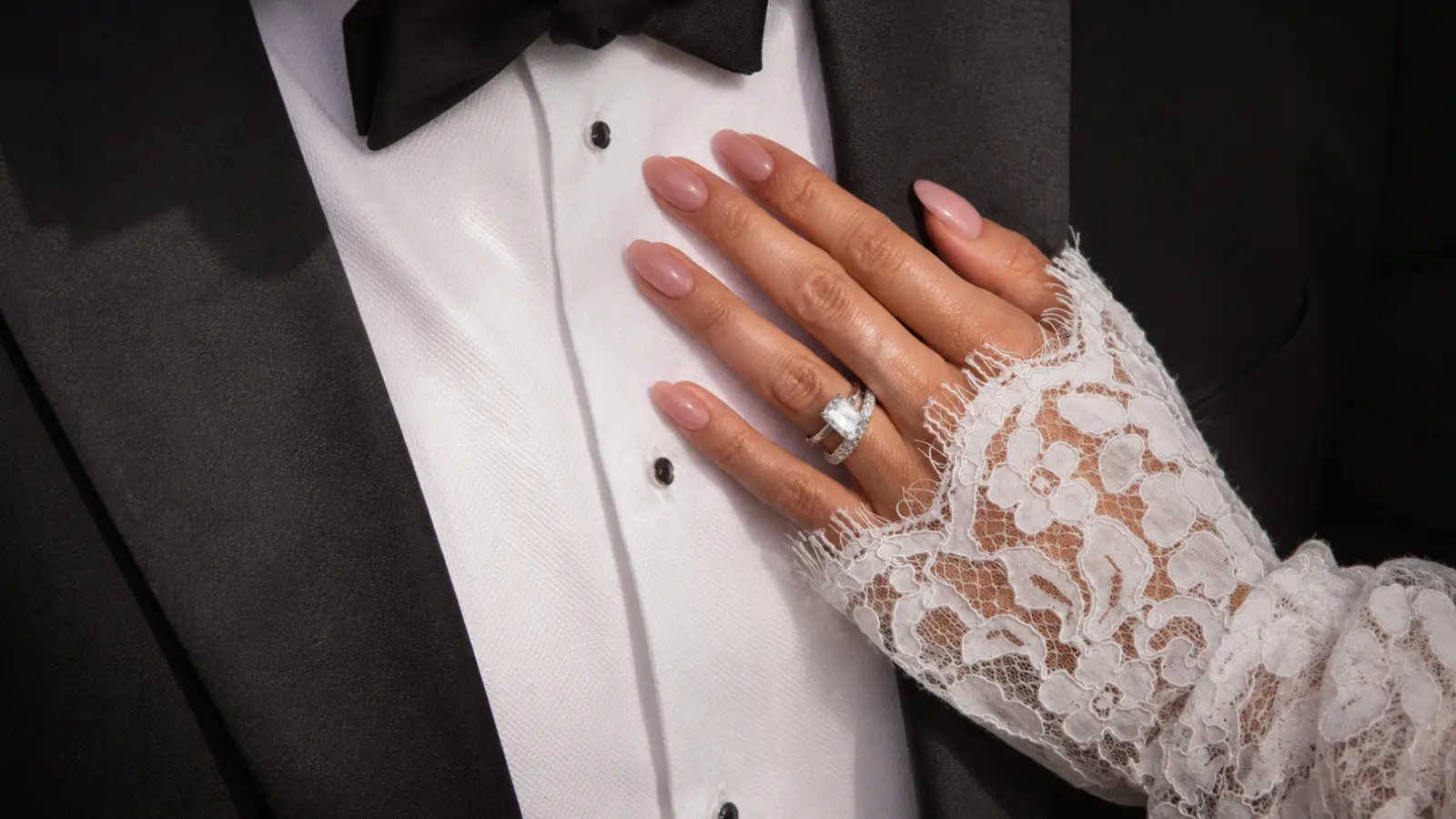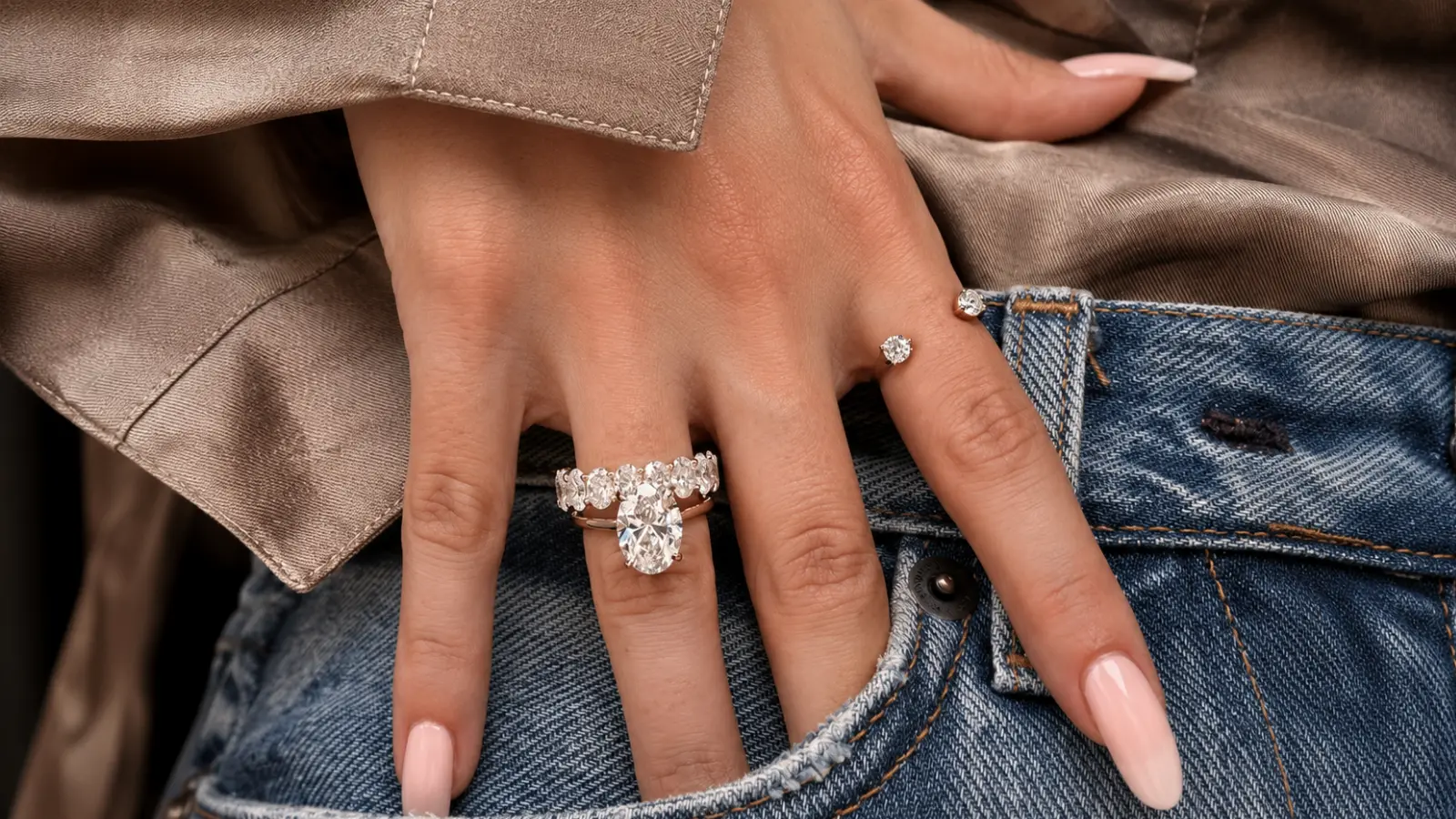
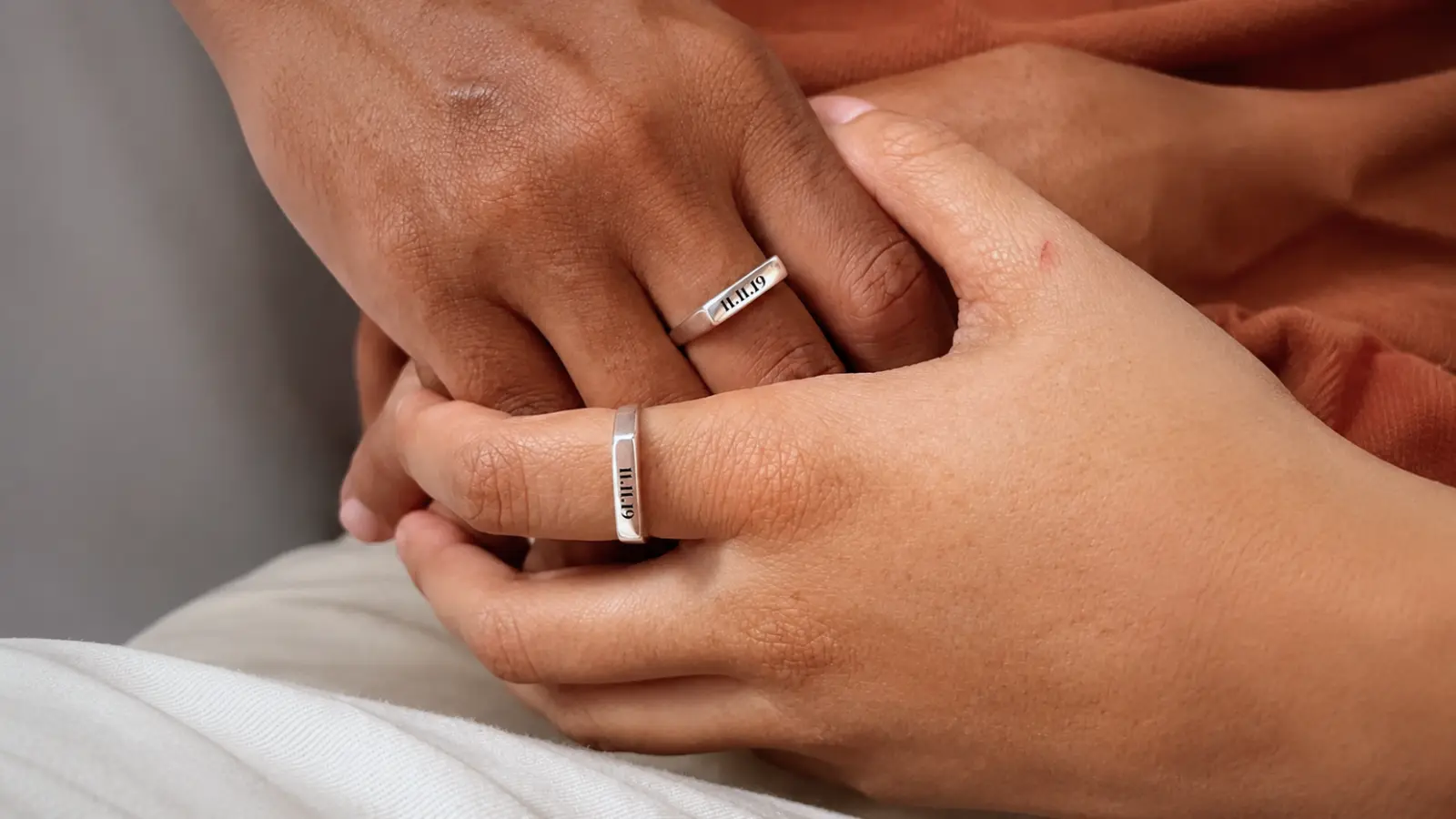
Custom wedding rings are rings designed specifically for a couple or individual rather than selected as a finished design from a standard collection. The custom process can involve changing an existing style, creating a completely new design, choosing specific materials, incorporating meaningful details, or working with a jeweler to create a ring that reflects a personal story.
Designing a custom wedding ring is about more than creating something unique. The best custom designs balance personal details with proportions, materials, comfort, and timeless choices that still feel meaningful years after the wedding day.
This guide explains how custom wedding rings work, including the design process, CAD renderings, timelines, costs, custom vs. handmade rings, common mistakes, questions to ask a jeweler, and how custom design fits within the wider choice of wedding rings and wedding bands.
How Custom Wedding Rings Work
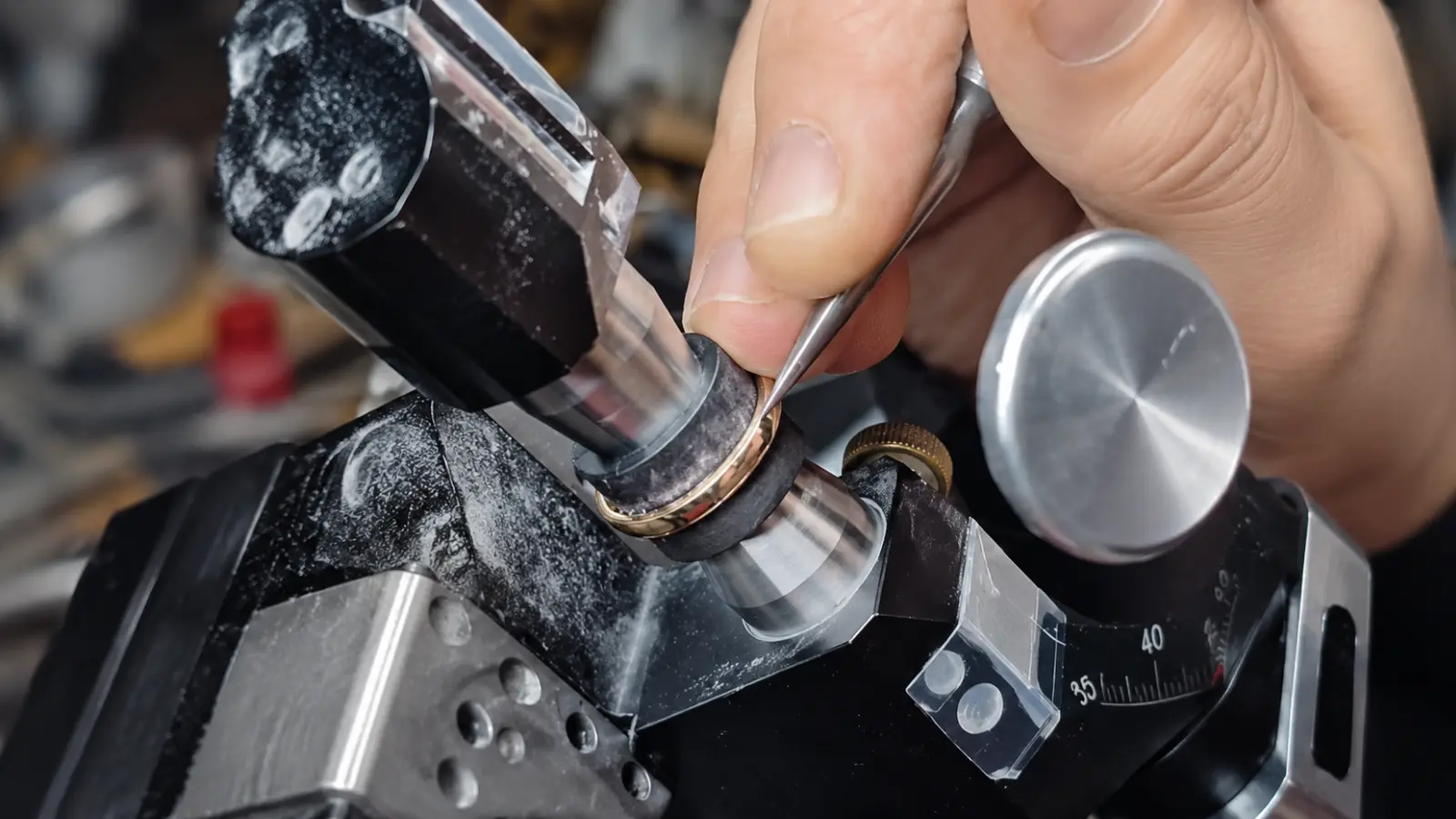
The custom ring process generally follows a recognizable sequence, even though the specifics vary between jewelers, designers, and whether the work is done by a large studio or an independent goldsmith. Understanding the sequence helps set expectations for what happens at each stage, and where a couple’s input matters most.
The Consultation
Most custom projects begin with a conversation, in person or remote, where the couple shares what they’re looking for. This is usually less structured than people expect. Rather than arriving with a finished design, most couples bring reference images and a sense of which wedding ring styles they prefer, whether vintage, modern, minimalist, or ornate, along with a budget range, and sometimes a material consideration that matters to them, such as incorporating a stone from a family piece or using recycled metal.
A good consultation tends to involve the jeweler asking questions back, about lifestyle, how the ring will be worn, what the couple has liked and disliked about rings they’ve seen before, and what’s most important if trade-offs become necessary. This back-and-forth is where a lot of the eventual design direction actually gets set, even before any drawings exist.
Sketches and CAD Design
From the consultation, most jewelers move to either hand sketches, digital renderings, or both. CAD (computer-aided design) has become the standard for most custom ring work because it allows for a precise, rotatable 3D model that can be adjusted relatively easily before anything physical is made. A CAD rendering shows proportions, stone placement, band profile, and overall form, though it’s worth knowing that CAD renderings don’t perfectly represent how metal finishes, stone sparkle, or subtle texture will look in person. The rendering is a guide for proportions and layout more than a final preview of exact appearance.
Revisions
This is the stage where a couple’s input has the most leverage and the lowest cost to change course. Adjusting a band’s width, moving a stone’s position, changing a profile from rounded to flat: these are all changes that are straightforward at the CAD stage and become progressively harder, slower, and more expensive once production begins. Most processes include at least one round of revisions in the base design fee; some include more.
Production
Once a design is approved, production typically involves either 3D printing a wax or resin model that’s used to cast the metal, the most common approach for CAD-designed rings, or, for jewelers who work this way, hand-fabricating the ring directly from metal using traditional techniques. After casting or fabrication, the ring goes through stone-setting if applicable, finishing, polishing, and any engraving.
Fitting and Final Adjustments
The finished ring is sized to the wearer’s finger, sometimes before production based on a measurement taken earlier, and sometimes through minor sizing adjustments after the ring is made. Most jewelers build in some allowance for a final sizing adjustment, though the amount of adjustment possible can depend on the design; a ring with stones set close to the band’s inner edge, for example, can leave less flexibility for future wedding ring resizing than a plain band.
How Long Custom Rings Take
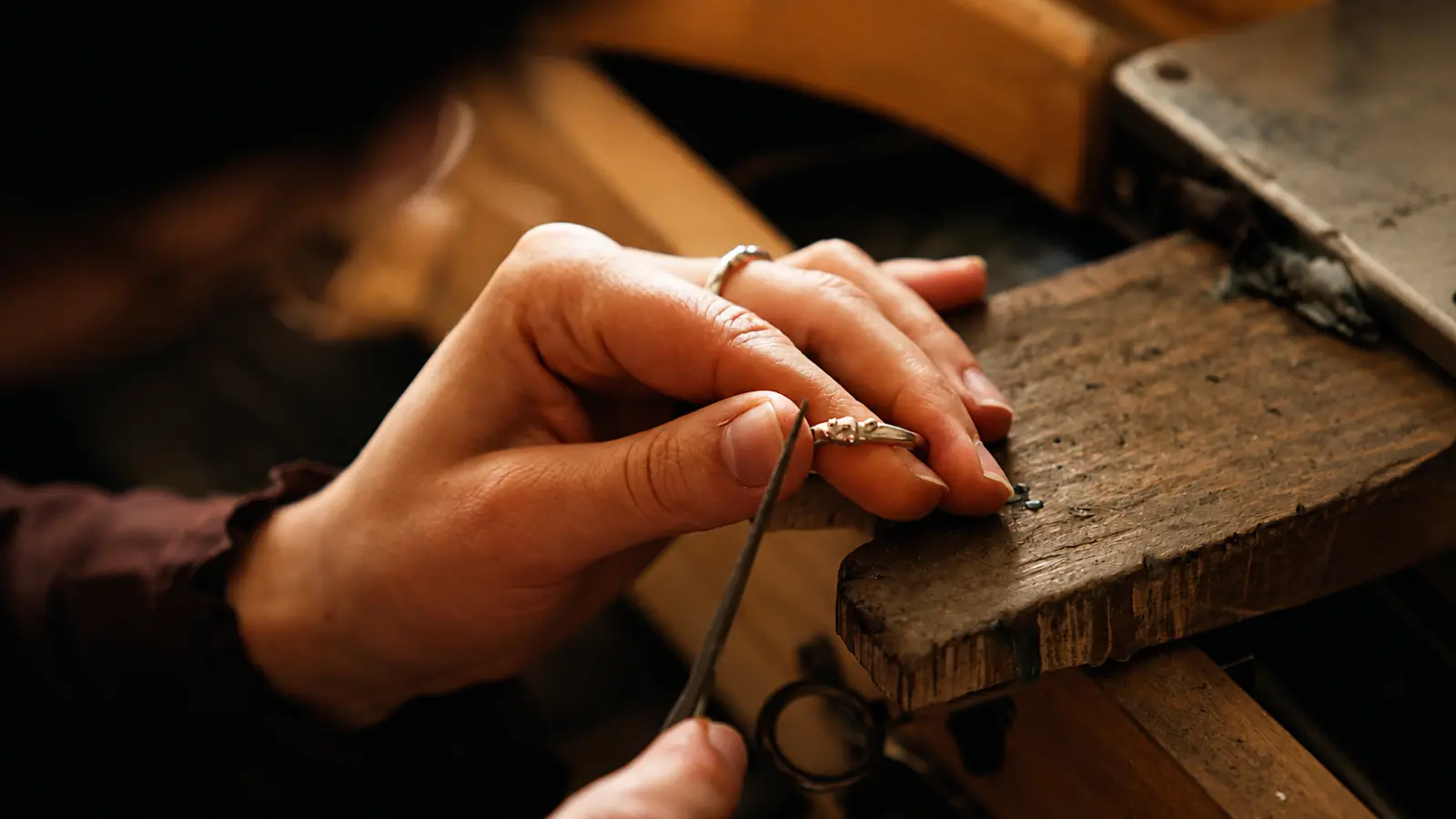
The realistic range for most custom wedding ring projects is 4 to 8 weeks from the initial consultation to a finished, ready-to-wear ring, though this range can shift meaningfully based on a few factors worth understanding before setting expectations.
| Stage | Typical Time | What Can Extend It |
|---|---|---|
| Consultation and initial design direction | 1–2 weeks | Multiple consultations if the couple is still narrowing down style direction |
| CAD design and first rendering | 1–2 weeks | Jeweler’s current workload; complexity of the design |
| Revisions | 1–2 weeks, can be faster | Number of revision rounds needed; delays in feedback from the couple |
| Production (casting, setting, finishing) | 2–4 weeks | Stone sourcing; complexity of setting work; hand-fabrication takes longer than casting |
| Final fitting and adjustments | A few days to 1 week | Sizing adjustments that require additional work after initial production |
Couples planning to wear custom rings on their wedding day generally do best starting the process at least 3 months ahead of the date, not because the work itself takes that long under normal circumstances, but because that buffer absorbs the kinds of delays that are common in practice: a revision round taking longer than expected, a specific stone needing to be sourced, or simply the jeweler’s schedule being busier than anticipated, particularly during peak engagement and wedding seasons.
One detail that’s easy to overlook: the timeline above assumes the couple responds to renderings and questions relatively promptly. A design that sits unreviewed for two weeks because of a busy work period adds two weeks to the timeline just as surely as a production delay would. The clock for a custom project includes everyone involved, not just the jeweler’s bench time.
How Much Custom Wedding Rings Can Cost
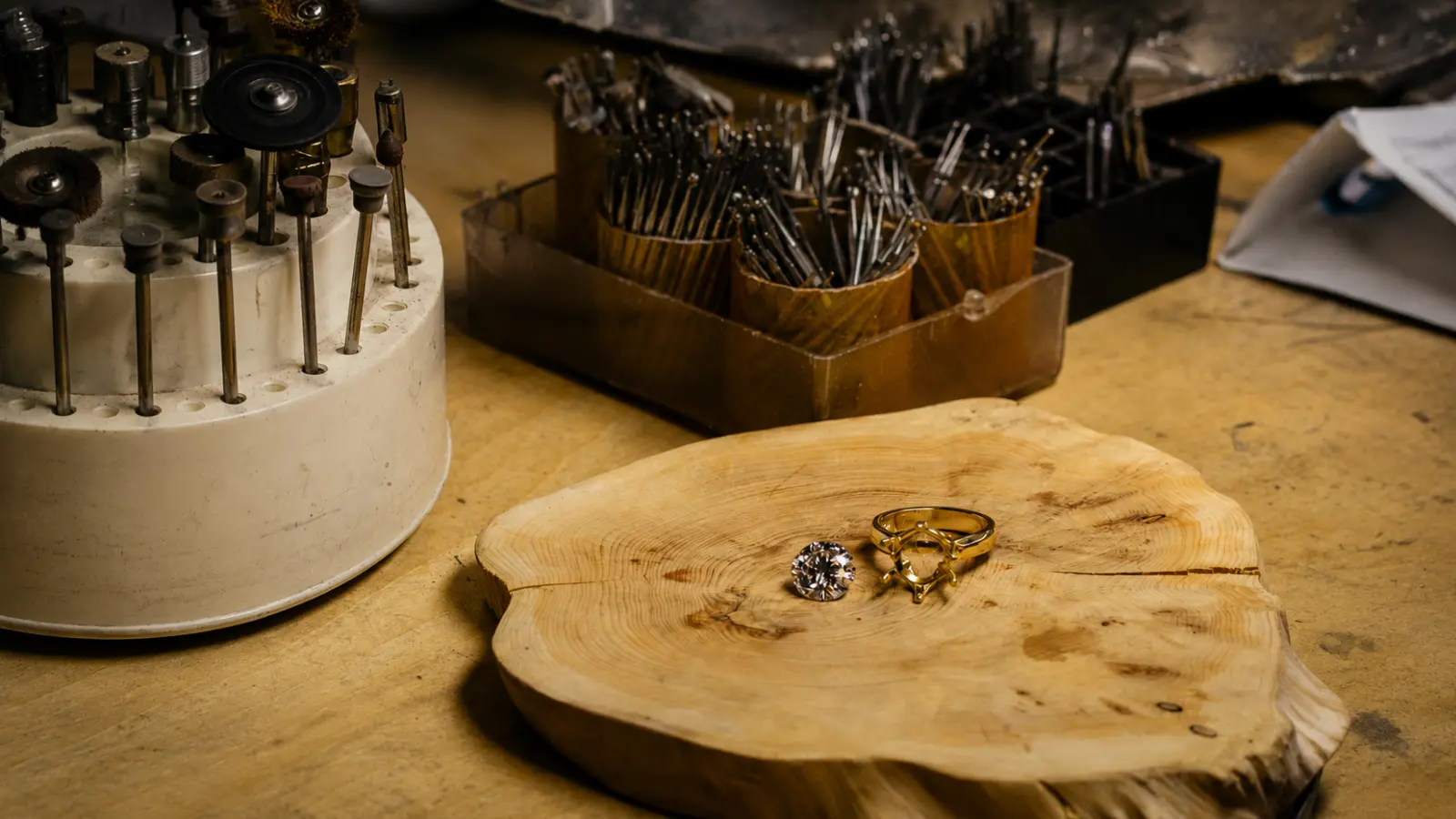
Custom wedding ring pricing tends to be structured differently than ready-made ring pricing, which can make direct comparisons confusing. Understanding the components of custom pricing helps clarify what’s actually being paid for, and where a couple has room to manage costs without compromising the design they care most about.
The Components of Custom Ring Pricing
Materials. The cost of the metal and any stones. This portion is often comparable to what the same materials would cost in a ready-made ring, since metal and stone costs are largely market-driven regardless of whether the final piece is custom.
Labor. The cost of actually making the ring: casting, setting, finishing, polishing. This can be similar to ready-made labor costs for straightforward designs, or higher for designs involving unusual techniques, multiple stone settings, or hand-fabrication.
Design fee. This is the cost that’s specific to custom work, covering the consultation time, CAD design work, and revisions. Design fees often range from a few hundred dollars to over $1,000 depending on the jeweler, the complexity of the design process, and how many revision rounds are included.
What Tends to Drive Cost Up
Beyond the base structure, a few factors consistently push custom ring costs higher: designs requiring multiple small stones set individually, since each setting point adds labor; unusual or hard-to-source metals; intricate hand engraving; designs that require more revision rounds than the base fee includes; and rush timelines that compress the production schedule.
A Practical Way to Think About Budget
For many couples, a useful framing is to think of custom pricing as what a comparable ready-made ring would cost, plus the design fee for the value of it being exactly right. If that framing produces a number that feels reasonable, custom work is likely to feel worth it. If the design fee alone feels disproportionate to what’s actually changing about the ring, a couple of tweaks to a fairly standard band, for instance, it’s worth asking directly whether a ready-made ring with minor customization, such as resizing or simple engraving, might achieve a similar result for less.
Getting an itemized quote, with materials, labor, and design fee broken out separately, before committing helps avoid the experience of an initial number growing significantly once revisions or stone sourcing come into play. A jeweler who can break down pricing clearly at the consultation stage is generally a good sign for how the rest of the process will go.
Custom Ring Design Mistakes
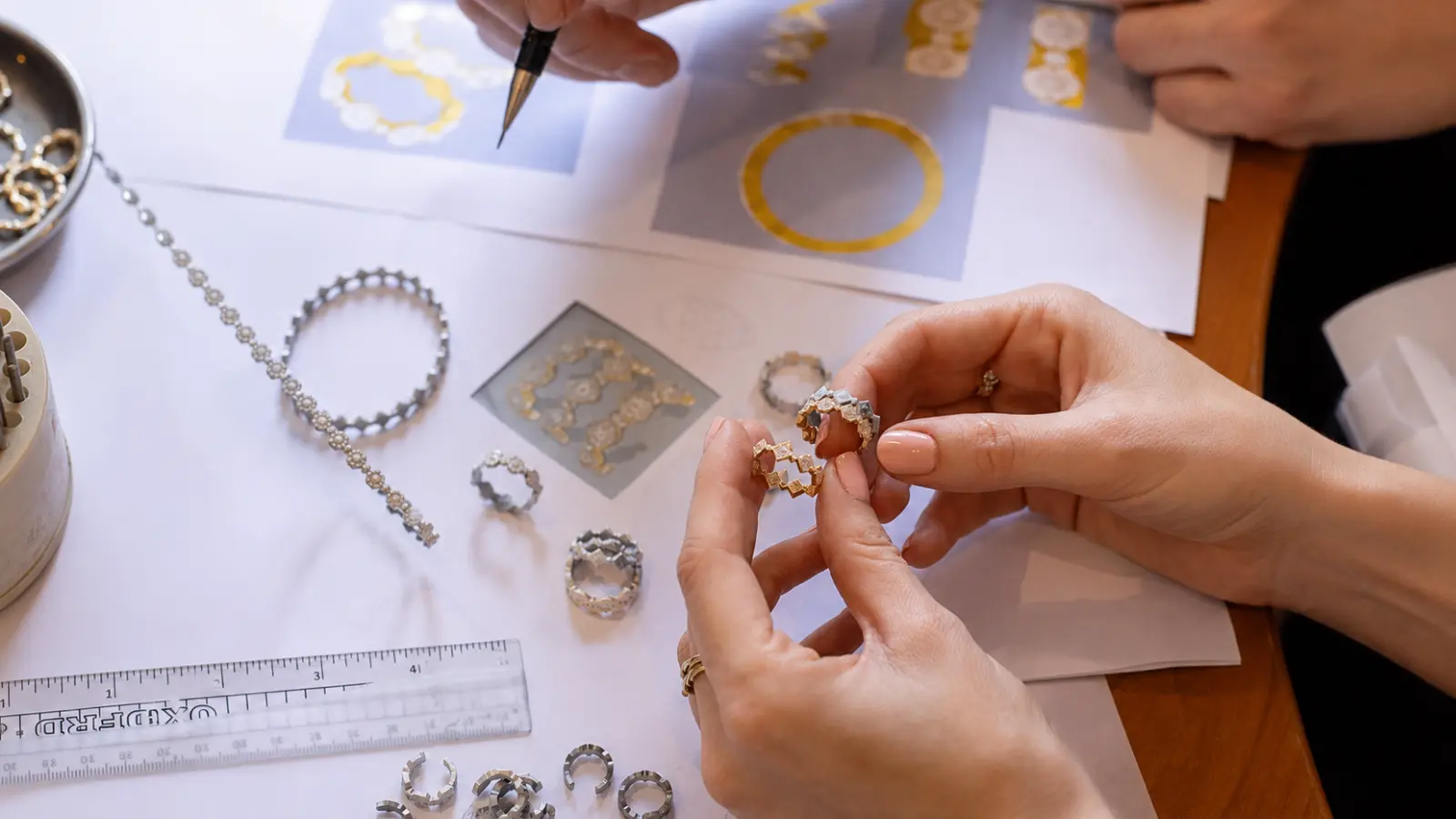
The custom design process gives couples more creative control than a ready-made ring, which is exactly why it also creates more opportunities for choices that feel right in the design phase and less right once the ring has been worn for a few years. Most of these mistakes share a common root: optimizing for how exciting the design feels during the process, rather than how it will feel as a ring worn every day for decades.
Overdesigning
This is the most common issue, and it tends to happen gradually rather than all at once. Each individual addition during the design process, a bit more detail here, an extra stone there, a slightly more elaborate profile, can feel like a small, reasonable enhancement in isolation. The cumulative effect, though, can be a ring where several design elements are competing for attention rather than working together. A ring with one well-chosen detail often reads as more considered than a ring with five competing ones, even though each individual addition felt justified at the time.
A useful check during the design process: for each detail being added, ask whether it would still feel necessary if it were the only detail on the ring. If a feature only makes sense in combination with several others, that’s often a sign the overall design is accumulating complexity rather than building toward something cohesive.
Designing Around a Trend Rather Than a Preference
Trends in ring design, certain stone shapes, certain settings, certain metal finishes, cycle through popularity over years. A custom ring designed specifically because a particular look is current can end up feeling tied to that period once the trend moves on, in a way that classic wedding rings often do not. This doesn’t mean avoiding anything contemporary; it means being honest about whether a design choice reflects a lasting personal preference or a current aesthetic moment, since those two things can feel identical in the room with a jeweler but age very differently.
Underestimating How a CAD Rendering Translates to Metal
CAD renderings are extremely useful for proportions and layout, but they can sometimes make certain details, very fine engraving, subtle texture, thin bands, look more substantial on screen than they end up feeling in person. A detail that reads clearly in a rendering can be nearly invisible at actual scale, or a band that looks substantial in a rendering can feel thinner than expected on the hand. Asking a jeweler directly about how a specific rendered detail will translate to the finished scale, and looking at examples of similar finished work rather than just renderings, helps calibrate expectations.
Not Considering How the Ring Will Be Worn Alongside Other Rings
For wedding bands specifically, it’s worth considering how the custom design will sit next to an engagement ring or, over time, additional bands. A wedding band designed in isolation can end up with proportions or details that don’t sit comfortably against a ring it’s meant to be worn with daily. Bringing the engagement ring, or a clear description of it, to the design consultation helps the jeweler design with that context in mind. The how to wear wedding rings covers more on how rings interact when worn together.
Skipping the Catalog Test
One informal but genuinely useful check: at the end of the design process, before approving final production, ask whether the design, if it existed as a ready-made option in a catalog, would still be the one chosen over other options. If the answer is yes, the custom process has likely produced something that earns its uniqueness on its own merits. If the honest answer is closer to “I like it because we made it,” that’s not necessarily a problem, since there’s real value in a ring with a personal story, but it’s worth being clear-eyed about which kind of value the ring is providing.
Custom Wedding Bands for Men
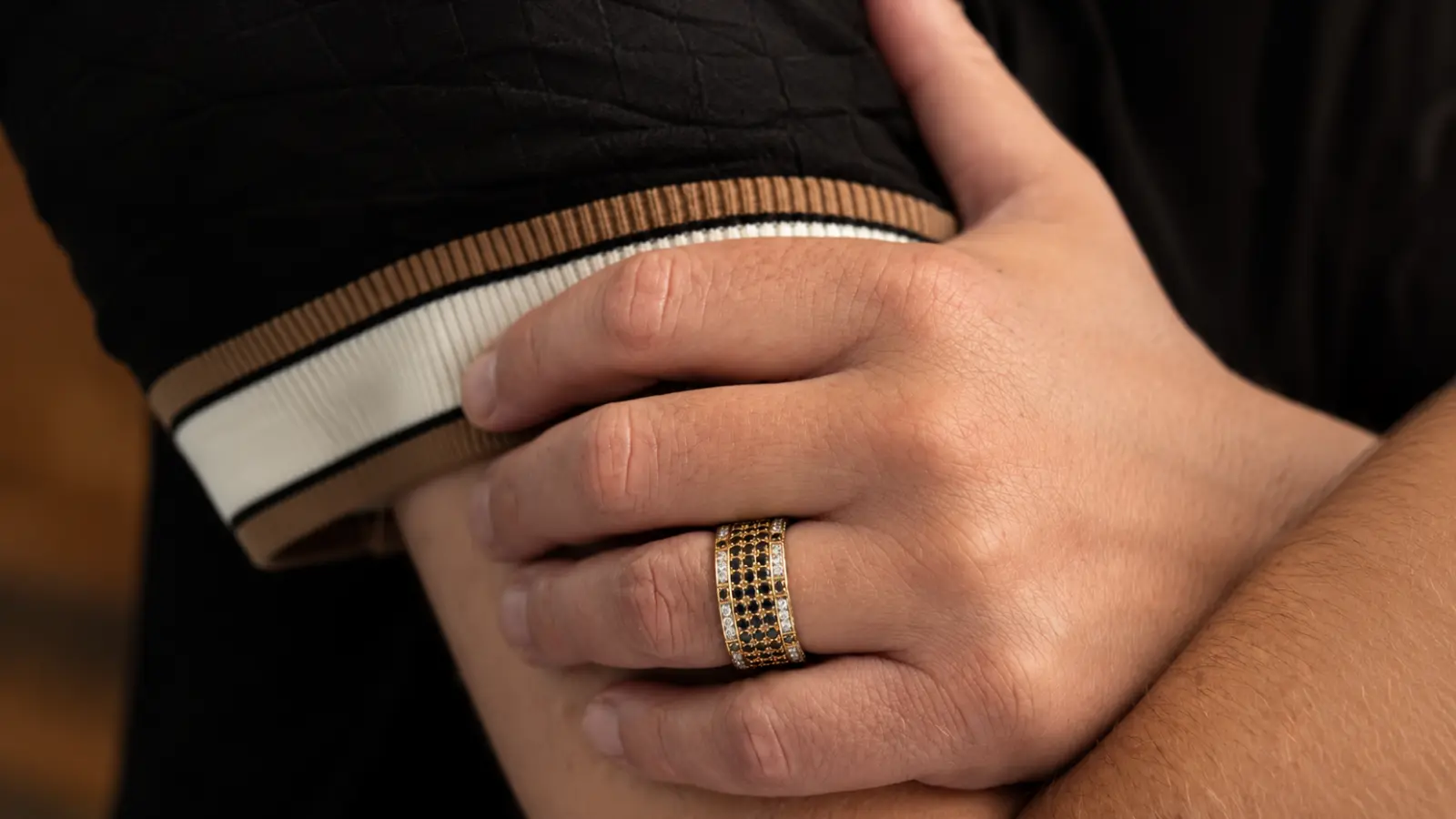
Custom design has become an increasingly common path for men’s wedding bands specifically, often for reasons that differ somewhat from what drives custom engagement ring or women’s band design. Where custom engagement rings are frequently built around a specific stone or a distinctive design vision, custom men’s bands more often start from a practical or material consideration that ready-made options don’t quite address.
Common Starting Points for Custom Men’s Bands
Combining materials in a specific way. Mixed-metal bands, such as a wood or carbon fiber inlay within a metal band, or a two-tone combination in a specific ratio, are sometimes easier to get exactly right through custom work than through ready-made options, which tend to offer a more limited set of pre-configured combinations.
Incorporating a meaningful material. Some men want a band that incorporates something specific, such as metal from a family ring, a meaningful stone, or a material connected to a hobby or profession. This is one of the clearer cases where custom work solves something a catalog genuinely can’t.
Getting proportions exactly right. Band width, profile (flat, rounded, beveled), and finish are all areas where ready-made options offer a range, but a custom approach allows for precise control, useful for men who have tried on rings and found that nothing quite matches what they pictured, even when individual elements were each available separately.
What Tends to Work Well for Custom Men’s Bands
Simpler custom projects, adjusting proportions, combining two metals, adding a single meaningful detail, such as one of several wedding ring engraving ideas or a small inset stone, tend to be more straightforward and less expensive than highly complex designs, and they’re also the kind of changes that tend to age well. A band that’s the right width and finish for this person, with one detail that means something, is a description that holds up over time better than a description built around multiple coordinated design elements.
For more on the range of materials and styles available for men’s bands, including where custom work might or might not be necessary to achieve a particular look, see the men’s wedding bands.
Custom Rings vs. Ready-Made Rings
Neither custom nor ready-made is inherently the better choice. They suit different situations, and being clear about which situation applies tends to lead to a better outcome than defaulting to one or the other based on assumptions about which is more special.
| Factor | Custom | Ready-Made |
|---|---|---|
| Timeline | 4–8 weeks typically | Often available immediately or within 1–2 weeks for sizing |
| Cost | Materials and labor similar to ready-made, plus a design fee | Often more predictable; no design fee |
| Best for | A specific vision, incorporating meaningful materials, proportions not available ready-made | Liking a design as-is or with minor modifications |
| Risk profile | Higher; design might not match expectations exactly, and revisions take time | Lower; what’s seen is generally what’s received |
| Uniqueness | High; designed specifically for the wearer | Lower, though many ready-made designs aren’t mass-produced at huge scale either |
A middle path that some couples don’t initially consider: many jewelers offer meaningful modification of existing designs, changing a band width, swapping a stone, adjusting a setting, without a full custom design process. This can capture much of what makes a ring feel personal without the longer timeline and design fee of a fully custom piece. For couples who like a design they’ve seen but want one or two things different, asking about modification rather than full custom work is worth raising before assuming a complete redesign is necessary.
Questions to Ask Your Jeweler
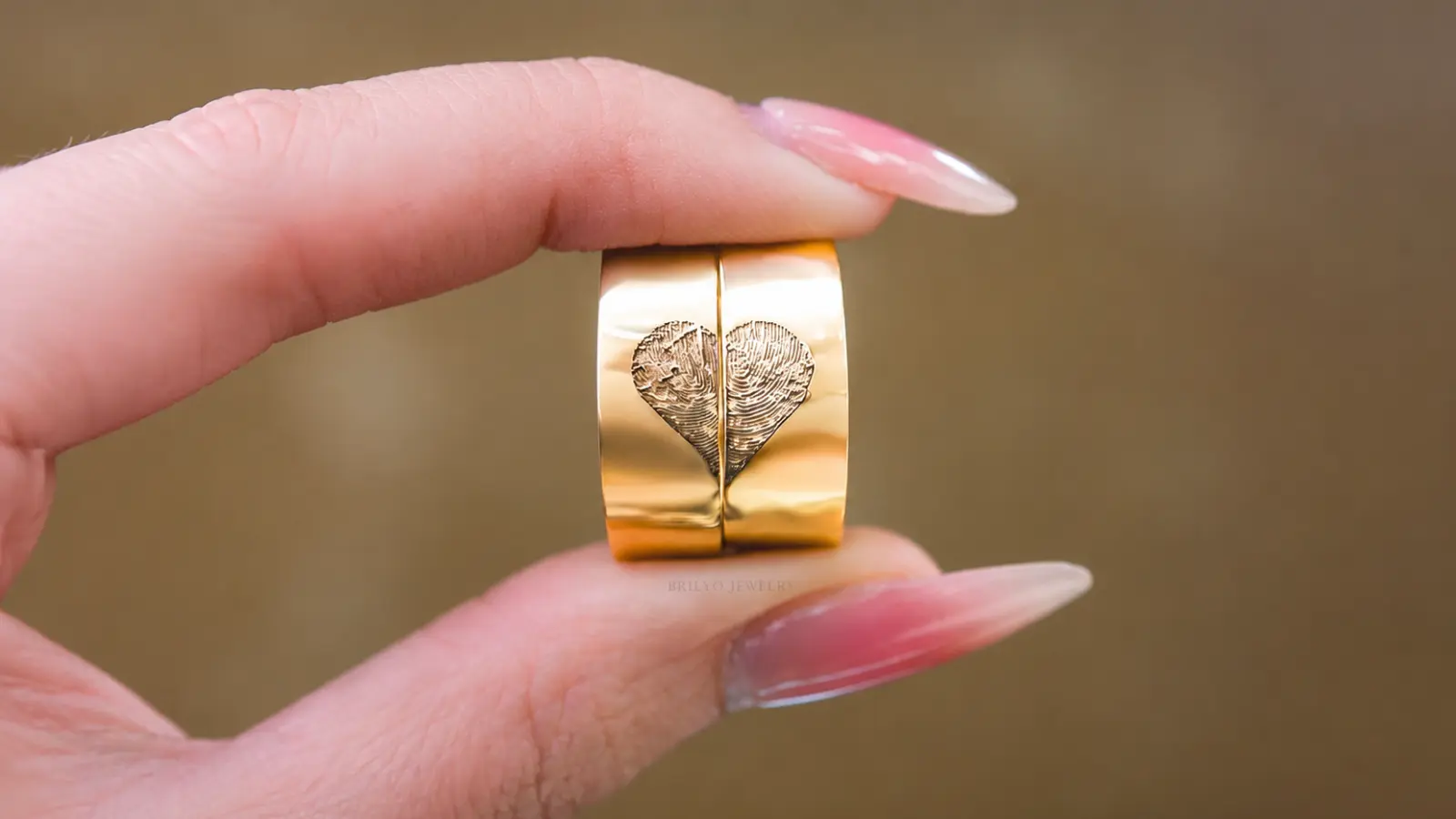
Going into a custom ring consultation with a short list of questions tends to surface useful information early, both about the design process itself and about whether a particular jeweler is a good fit for the project.
- How many design revisions are included, and what happens beyond that? Understanding where the line is between included revisions and additional charges helps avoid surprises if the design takes more rounds than expected.
- What does the timeline look like, and what tends to cause delays? A jeweler who can speak specifically to common delay points is likely drawing on real experience rather than giving an optimistic best-case estimate.
- Can I see a CAD rendering before production begins, and what won’t the rendering show me? This surfaces both the design itself and helps calibrate expectations about the gap between rendering and finished piece.
- Is the design fee separate from materials and labor, and can I get an itemized quote? A clear breakdown makes it easier to understand where costs are coming from and where there might be room to adjust.
- What’s the policy if the finished ring doesn’t fit properly? Understanding the resizing process and whether it’s included matters, especially for designs where resizing might be more complex due to stone placement.
- Can I see examples of your past custom work, particularly anything similar to what I’m describing? Past work is often more informative than a portfolio of renderings, since it shows how designs actually translate to finished pieces.
- What happens if I want to make a significant change after seeing the first rendering? This helps set expectations about how flexible the process is at different stages, and what it costs to change direction partway through.
A jeweler who answers these questions specifically and without hesitation is usually one who has been through the process enough times to know exactly where things tend to go right and wrong.
Custom Wedding Ring Inspiration
Custom wedding rings can include meaningful details, unique materials, personal symbols, and design choices created specifically for your story. Explore our inspiration board for custom bands, hidden details, mixed metals, engraving ideas, gemstone designs, and timeless personalized rings.
Creating a Custom Wedding Ring That Lasts
The best custom wedding ring is not the one with the most details, the most unusual design, or the most complicated story behind it. It is the ring where every choice feels intentional — from the metal and shape to the smallest personal detail hidden within the design.
Whether you create something completely new, redesign a meaningful piece, or add a subtle custom element to a classic style, the goal is not only to make a ring nobody else has. It is to create a ring that still feels like yours through every season of life that follows.
Frequently asked questions (FAQ)
Are custom wedding rings worth it?
Custom wedding rings can be worth it when you want something that cannot easily be found in a ready-made design. They are especially valuable for incorporating family stones, meaningful details, unusual proportions, or a specific idea you already have. However, custom is not automatically better — if you already love an existing design, a ready-made ring may be simpler, faster, and sometimes more practical.
How does the custom wedding ring process work?
The custom wedding ring process usually begins with a consultation where you discuss your ideas, budget, materials, and lifestyle with a jeweler. The design is then developed through sketches or CAD renderings, followed by revisions before production begins. Once the design is approved, the ring is created, finished, and adjusted for the final fit.
How long does it take to make a custom wedding ring?
Most custom wedding rings take several weeks to a few months, depending on the complexity of the design, the jeweler’s schedule, and how many revisions are needed. Simple custom bands may move faster, while detailed designs involving special stones, hand engraving, or complex settings often require more time. Starting early allows room for adjustments without rushing the final decision.
How much do custom wedding rings cost?
The cost of a custom wedding ring depends on the metal, gemstones, design complexity, labor, and whether additional design work is required. Many custom rings include the normal cost of materials and craftsmanship plus a design fee for creating something specific. Asking for a detailed quote before production helps avoid unexpected changes in budget.
What mistakes should you avoid when designing a custom wedding ring?
The biggest mistake is adding details only because customization makes them possible. Too many competing elements can make a ring feel less timeless over time. Other common mistakes include designing around a short-term trend, ignoring comfort, overlooking how the ring pairs with other jewelry, or approving a design without understanding how it will look at real size.
What should you ask a jeweler before making a custom ring?
Before making a custom ring, ask about the timeline, total cost, design revisions, CAD previews, resizing options, and what happens if the finished ring needs adjustments. You should also ask to see examples of previous custom work, especially pieces similar to your idea. A strong custom process depends as much on communication as on the final design.