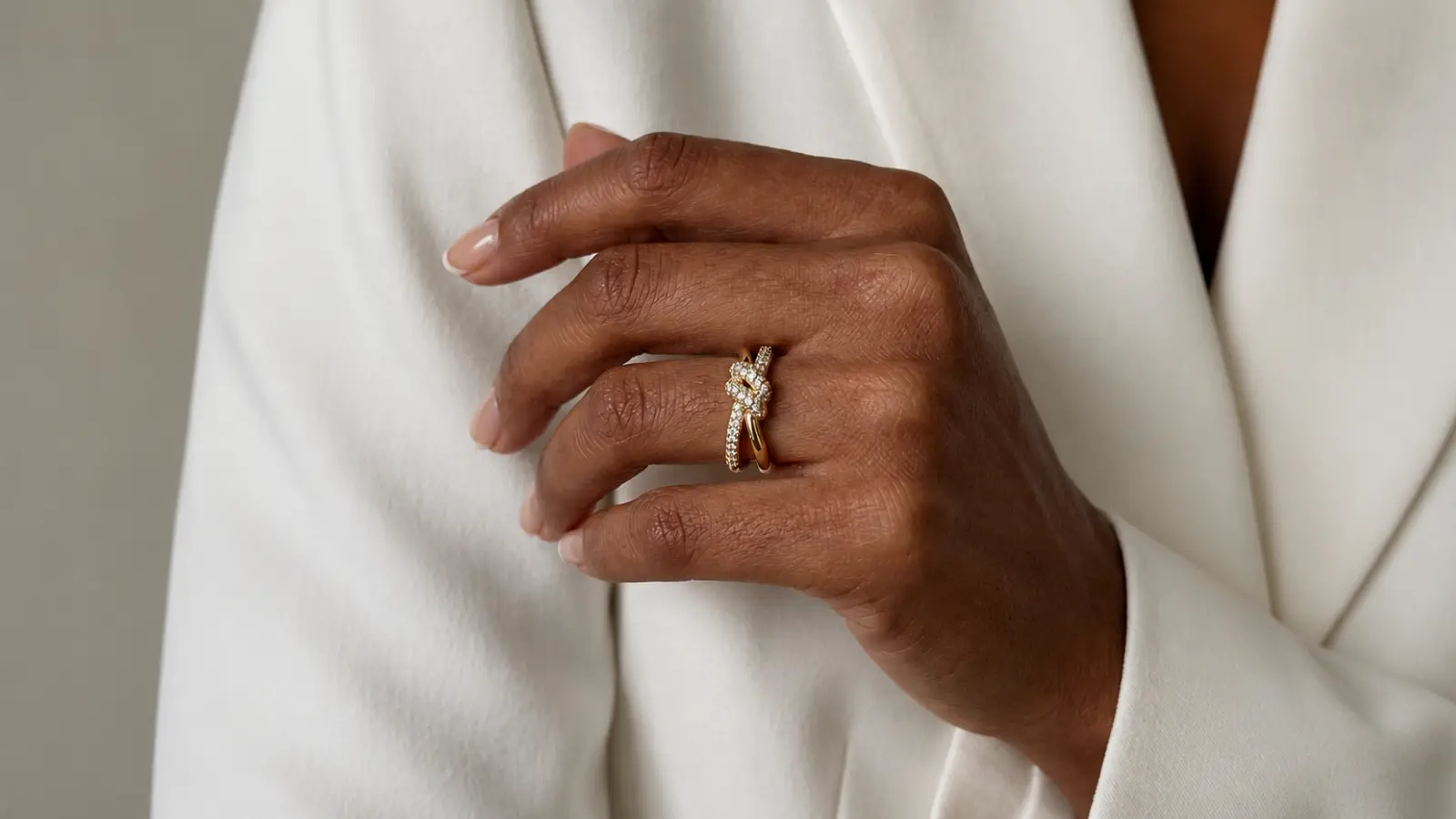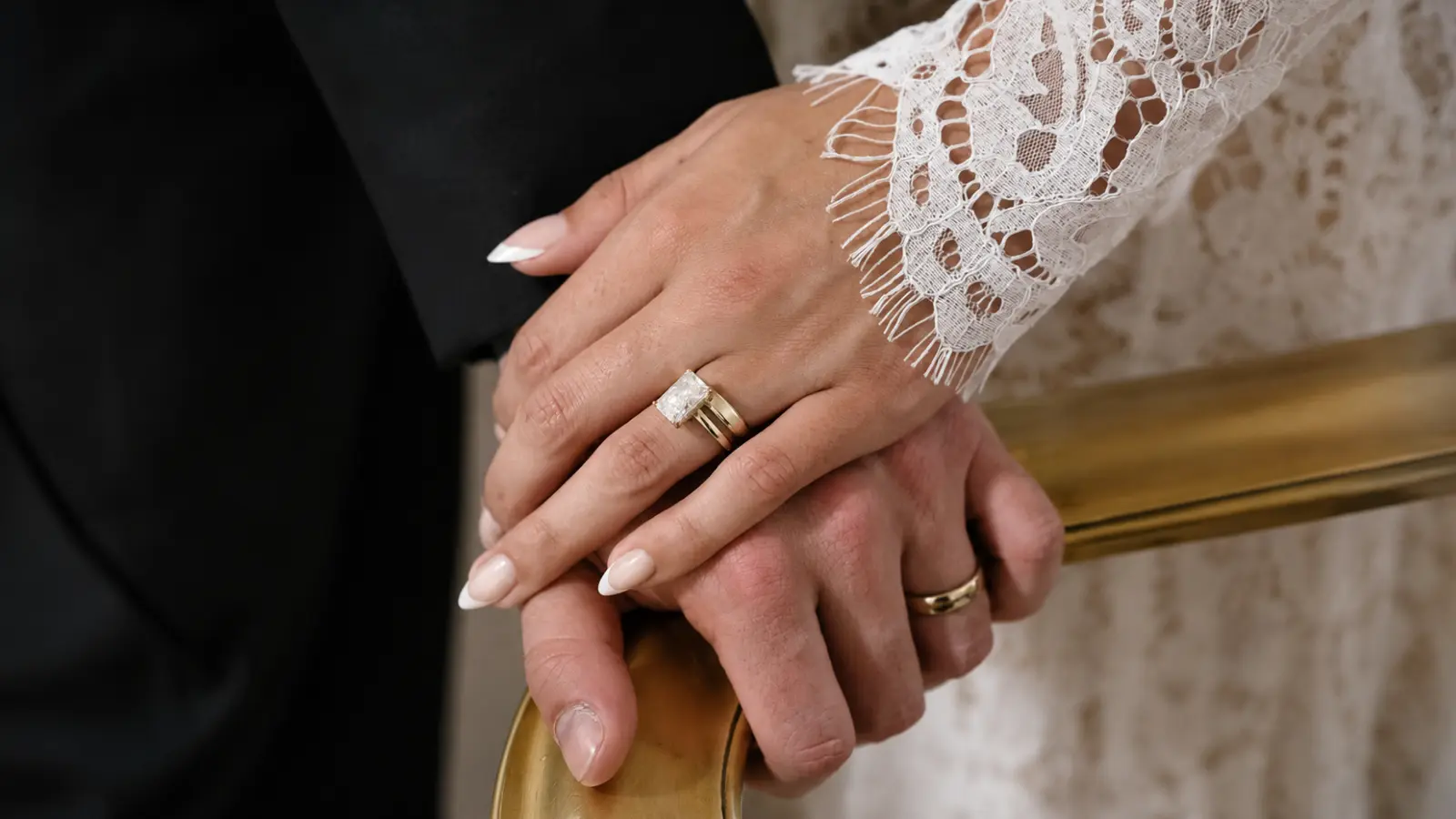
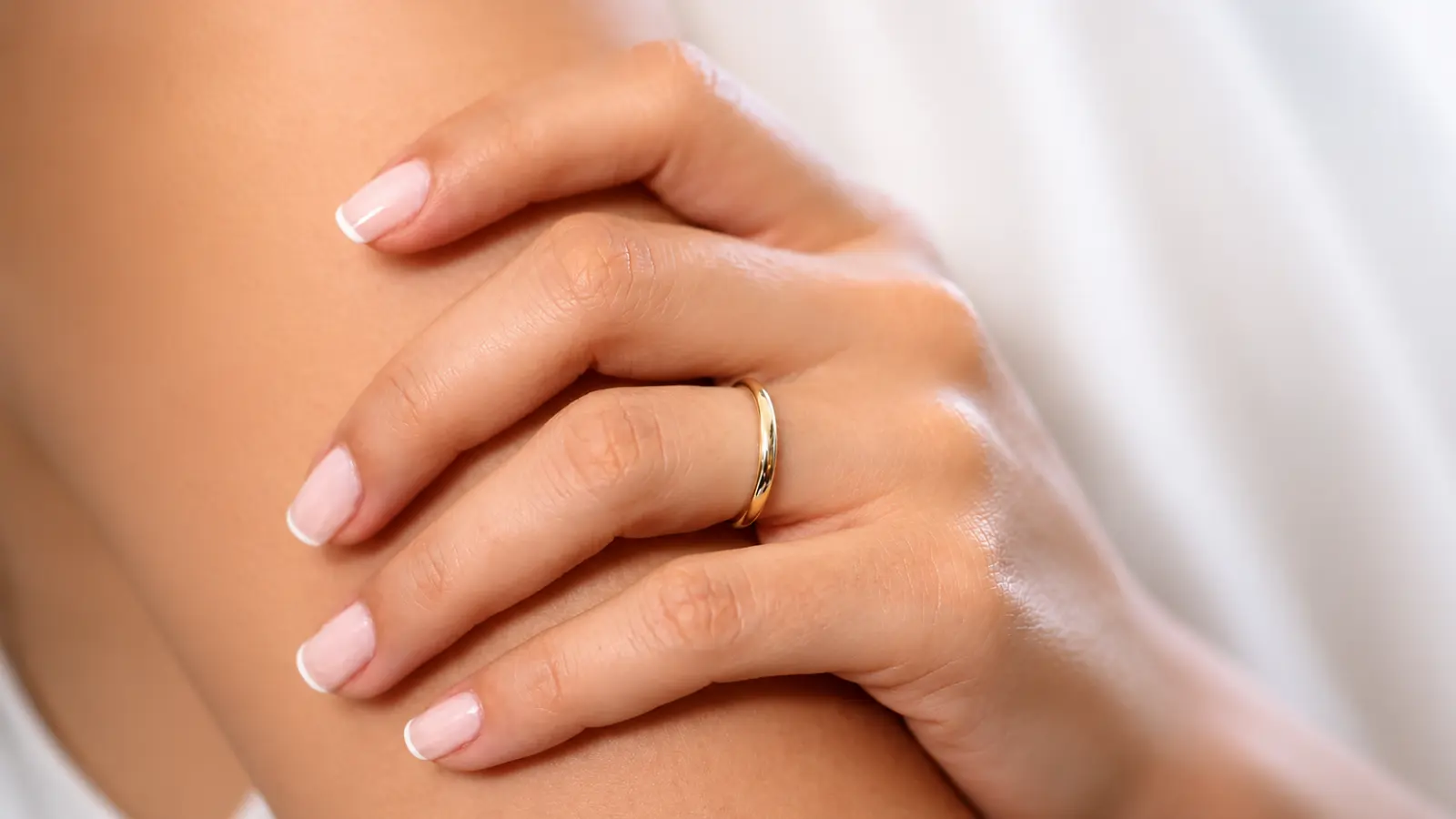
Classic wedding rings are wedding rings designed around timeless shapes, traditional metals, simple details, and styles that remain elegant beyond changing jewelry trends. From plain gold bands to platinum rings and simple diamond wedding bands, classic designs focus on balance, comfort, durability, and everyday wear.
Choosing a classic wedding ring does not mean choosing something ordinary. The most enduring rings often last because they avoid temporary trends and focus on proportions, materials, and details that continue to feel meaningful through different stages of life.
This guide explains classic wedding rings for women and men, including plain bands, gold and platinum options, traditional diamond bands, what makes a ring timeless, and how classic designs fit within different wedding rings and wedding bands.
What Makes a Wedding Ring Classic?
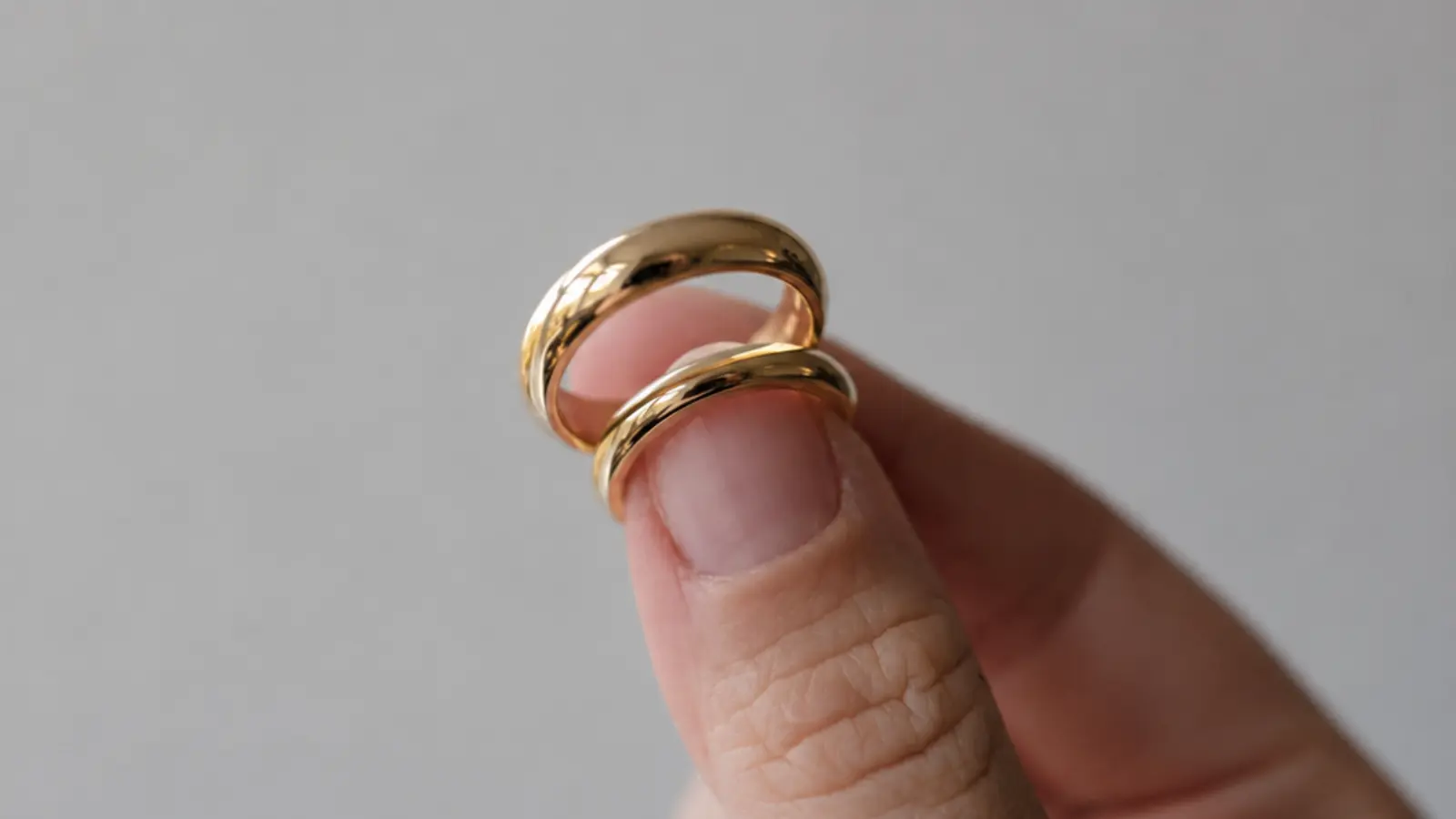
“Classic” gets used loosely enough in jewelry marketing that it’s worth pinning down what actually earns a design that label, as opposed to simply being plain or old-fashioned.
A classic wedding ring is defined less by what it includes and more by what it doesn’t depend on. It doesn’t rely on a stone shape that’s currently fashionable, a mixed-metal combination that reflects a particular design moment, or an asymmetrical silhouette that signals “this was made recently.” Instead, it relies on proportion, simplicity, and design elements, such as a round brilliant diamond, a smooth dome profile, or a single continuous band of metal, that have remained visually appropriate across many decades because they were never tied to any one of those decades in the first place.
Classic vs. Boring
This is different from “boring,” even though the two get conflated. A well-made plain band in a beautiful metal, with thoughtful proportions and a comfortable profile, isn’t a ring with nothing going on. It’s a ring where everything that’s there is doing real work, without any element that exists primarily to signal “this is fashionable right now.” That’s the quality that allows a classic ring to be looked at in a photograph from any decade and simply look like a wedding ring, rather than like a wedding ring from a specific year.
Not the Only Right Choice
It’s also worth noting that classic doesn’t mean the only correct choice, or that more contemporary designs are a mistake. Plenty of people love rings that clearly reflect a particular design moment, and there’s nothing wrong with that. What classic styles offer is a specific kind of low-regret quality. For anyone uncertain about committing to a more distinctive design for a ring they’ll wear every day for the rest of their life, a classic style removes that particular source of uncertainty entirely.
Classic Wedding Rings for Women
For women, classic wedding ring styles tend to cluster around a few recognizable forms, each of which has remained essentially unchanged in its core design for generations.
The Plain Band
The plain band, a smooth, continuous circle of metal with no stones, is the foundation of the category. Within “plain,” there’s still room for the profile to vary: a flat profile with straight sides gives a slightly more architectural look, while a court or comfort-fit profile, rounded on both the inside and outside, gives a softer appearance and tends to feel smoother against the skin during long days of wear. Both profiles work beautifully for simple wedding rings for women; the choice between them is more about feel and personal preference than tradition.
The Single Row of Diamonds
A single row of diamonds across the band, channel-set or shared-prong, is the other foundational classic style for women. This design has remained recognizable as “a diamond wedding band” for so long that it doesn’t read as belonging to any particular era; it simply reads as a diamond wedding band, the way it always has. Variations in stone size, band width, and metal allow for meaningful personalization without moving outside classic territory.
A subtle detail that distinguishes classic from merely simple: comfort-fit profiles and channel settings, both common in classic designs, also happen to be among the most practical choices for daily wear, since neither has raised elements that catch on things. The same qualities that make these styles visually enduring also make them easy to live with, which is part of why they’ve remained popular for so long in the first place. For a closer look at how these and other band styles compare, see our guide to women’s wedding band styles.
Classic Wedding Bands for Men
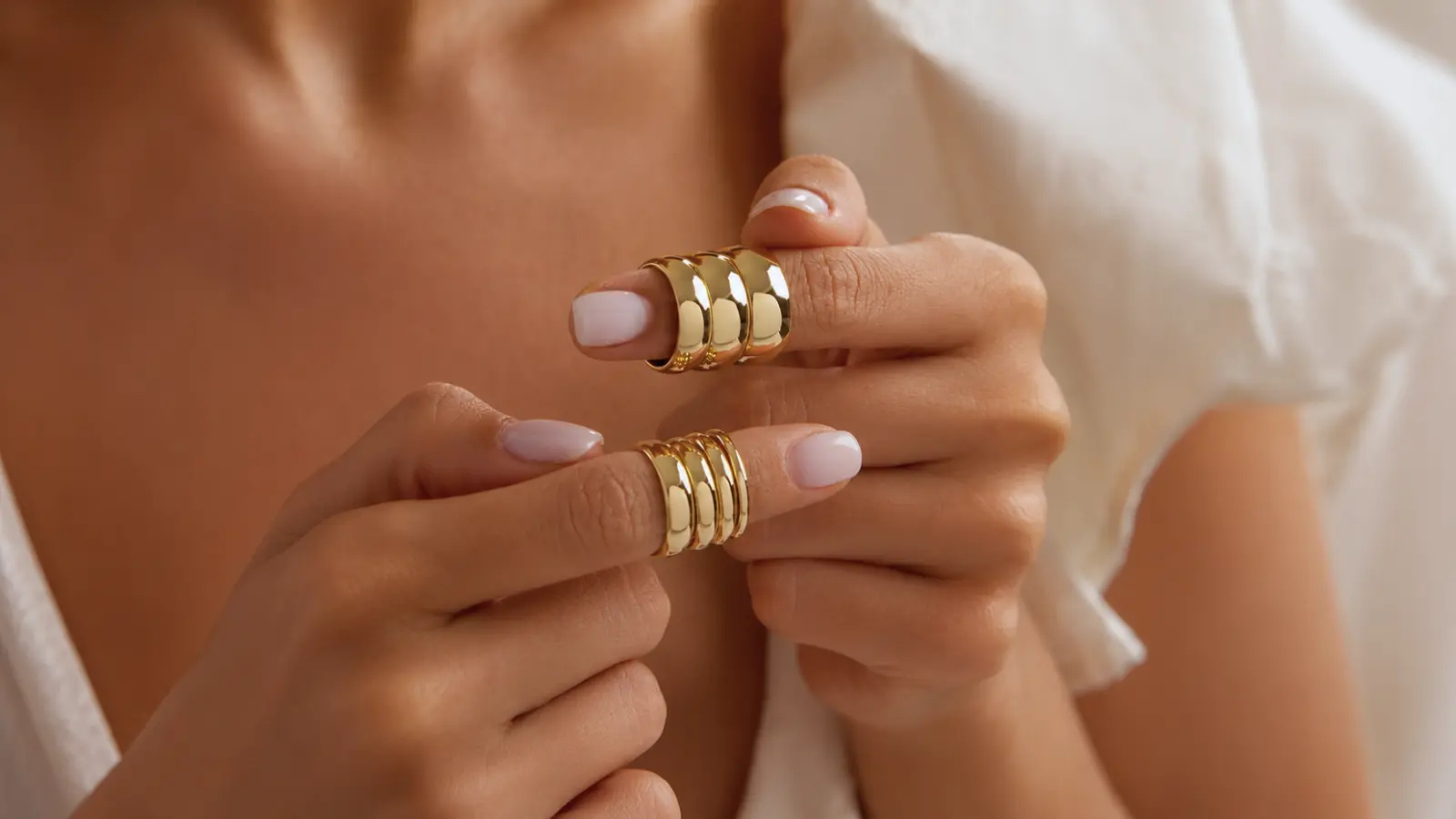
Classic men’s wedding bands follow a similar logic to women’s classic styles, namely simplicity, traditional proportions, and design choices that don’t depend on a particular design moment, though the specific forms differ somewhat. This is largely because men’s wedding bands have historically had less design variation overall, which paradoxically means the classic category covers a larger share of what’s available.
Plain Metal Bands
A plain metal band, typically wider than a comparable women’s band and often in the 4mm to 8mm range, is the most enduring style for men. Within this category, finish matters more than it might initially seem: a high-polish finish gives a traditional, formal look, while a brushed or matte finish has become an extremely common choice precisely because it reads as understated and pairs easily with daily activities without showing fingerprints or minor surface marks as visibly.
Comfort-Fit Profiles
Comfort-fit profiles are particularly relevant for men’s bands, since men’s bands are often worn at slightly larger sizes and wider widths, both of which make the interior profile more noticeable in daily wear. A wider band with a flat interior profile can feel substantially different, and for some men, less comfortable, than the same width with a rounded comfort-fit interior, especially over a full day of wear.
Metal Choice for Men’s Bands
Metal choice for men’s classic bands tends to favor durability considerations slightly more than for women’s bands, simply because men’s bands are statistically less likely to be removed during daily activities. Platinum and 14k gold are both classic choices that hold up well to continuous wear, and brushed platinum in particular has become one of the more popular “quietly substantial” choices: classic in form, but with a finish that feels current without feeling trend-driven.
Plain Gold Wedding Rings
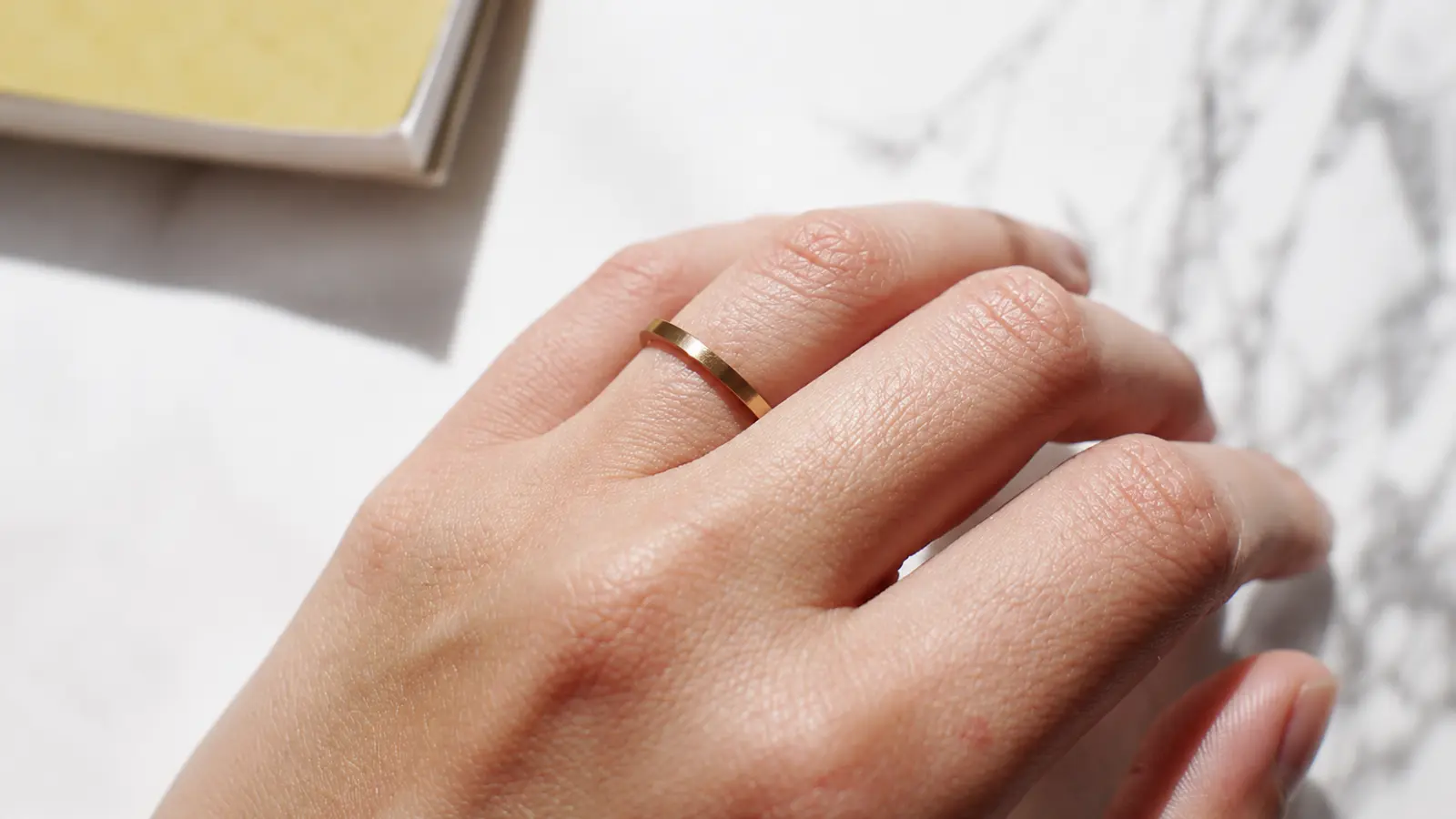
Of every style covered in this guide, the plain gold band has arguably the longest continuous history as a wedding ring, and understanding why it has remained a default choice for so long says something about what “classic” actually means in practice.
A plain gold band requires no design decisions beyond metal, width, and finish, which sounds like a limitation but functions as the opposite. Because there’s nothing else to evaluate, a plain gold band rarely has to be reconsidered later the way a more elaborate design might be. It doesn’t need to “still go with” an engagement ring that might change over the years, doesn’t include any stones that need periodic checking, and doesn’t include any design elements that could, in hindsight, feel specific to the period in which it was chosen.
Karat and Color Choices
Within gold wedding rings, the most meaningful choices are karat and color. 18k gold has a richer, warmer color due to its higher pure gold content, but is slightly softer and more prone to surface marks over time. 14k gold is more durable for daily wear, with a slightly less intense color. Yellow remains the most traditional choice, but rose gold has been worn as a classic metal for long enough, over a century, in various periods, that it’s reasonable to consider it part of the classic category rather than a modern departure from it. White gold, while visually similar to platinum, requires periodic rhodium replating to maintain its color, which is the one practical consideration that distinguishes it slightly from the other classic gold options.
For couples specifically looking for the lowest-regret option in the entire category, the choice least likely to be reconsidered, replaced, or second-guessed years later, a plain gold band in 14k, with a comfort-fit profile, is about as close to that as a wedding ring gets. It’s not the most distinctive option, but distinctiveness was never really the point.
Traditional Diamond Wedding Bands
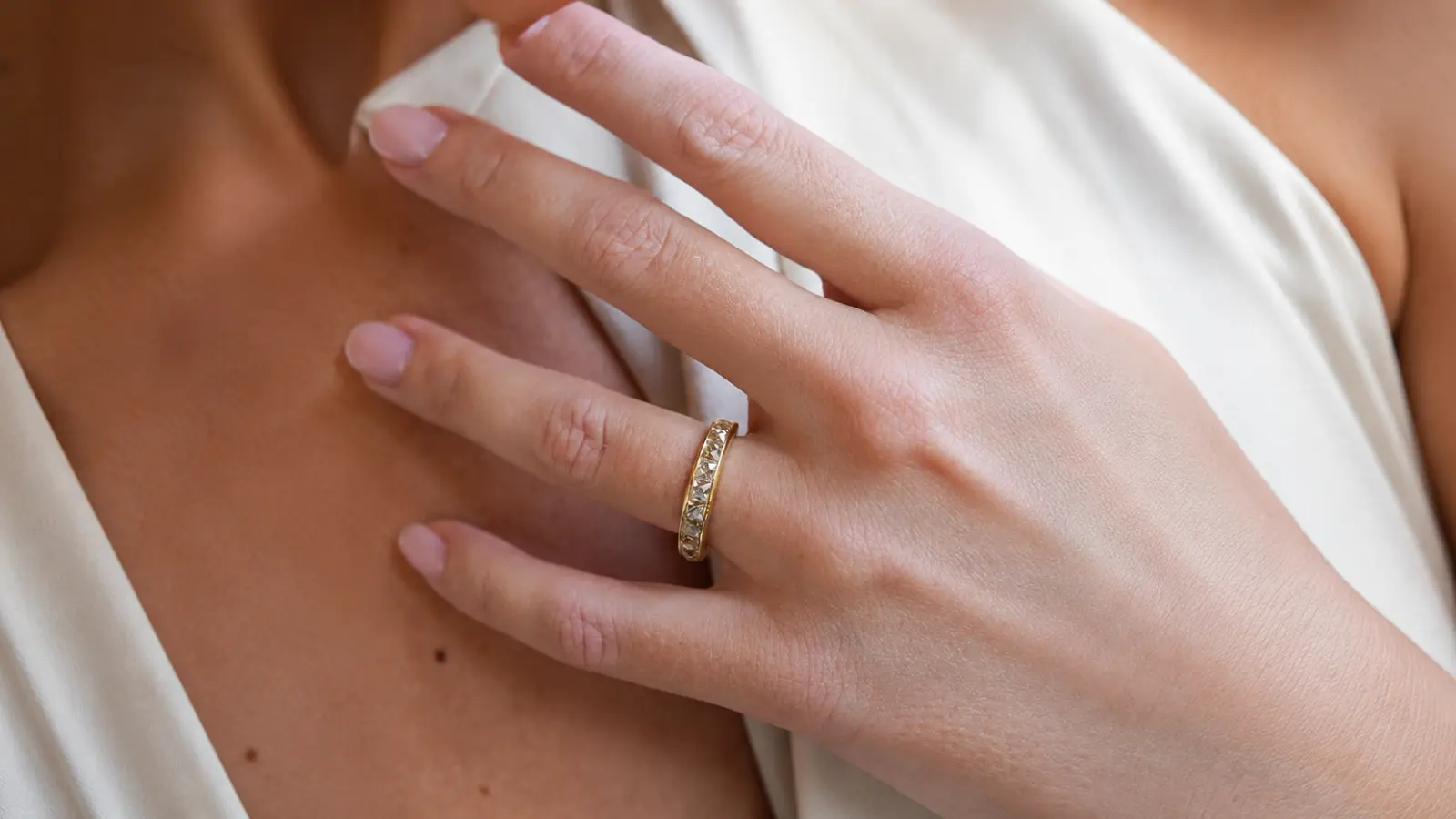
A traditional diamond wedding band follows a formula that has remained essentially unchanged since long before “trends” in the modern sense existed: a single row of round brilliant cut diamonds, evenly spaced, running across the front of the band.
Setting Style
The setting style is what allows for the most meaningful variation within this traditional form. Shared-prong setting, where adjacent diamonds share prongs rather than each having its own complete set, keeps the look traditional while showing slightly more of each stone, which tends to produce more visible sparkle. Channel setting recesses the stones between two walls of metal with no visible prongs at all, producing a smoother, slightly more understated version of the same basic design. Both are traditional; the difference is primarily about how much the diamonds visually project versus sit flush with the band.
Diamond Cut
Round brilliant cut is, by a significant margin, the most traditional diamond shape for this style, and it’s traditional for a reason that goes beyond aesthetics. The round brilliant cut was specifically engineered to maximize light return, which is part of why a row of round brilliants reads as “sparkle” in a way that other cuts, however beautiful, read slightly differently. Other cuts, such as princess or baguette, can be used in a similar single-row arrangement, but they shift the look toward something more architectural or vintage-specific, which moves the design slightly outside strictly traditional territory, even if it remains classic in spirit.
One detail worth knowing: a traditional diamond band doesn’t require large stones to look complete. A row of smaller, well-matched diamonds in a traditional setting often reads as more cohesive, and more clearly “a diamond wedding band” in the traditional sense, than a row of larger stones spaced more widely apart. For more detail on how diamond settings compare in terms of sparkle, durability, and daily wear, see our guide to diamond wedding rings for women.
Why Classic Rings Age Well
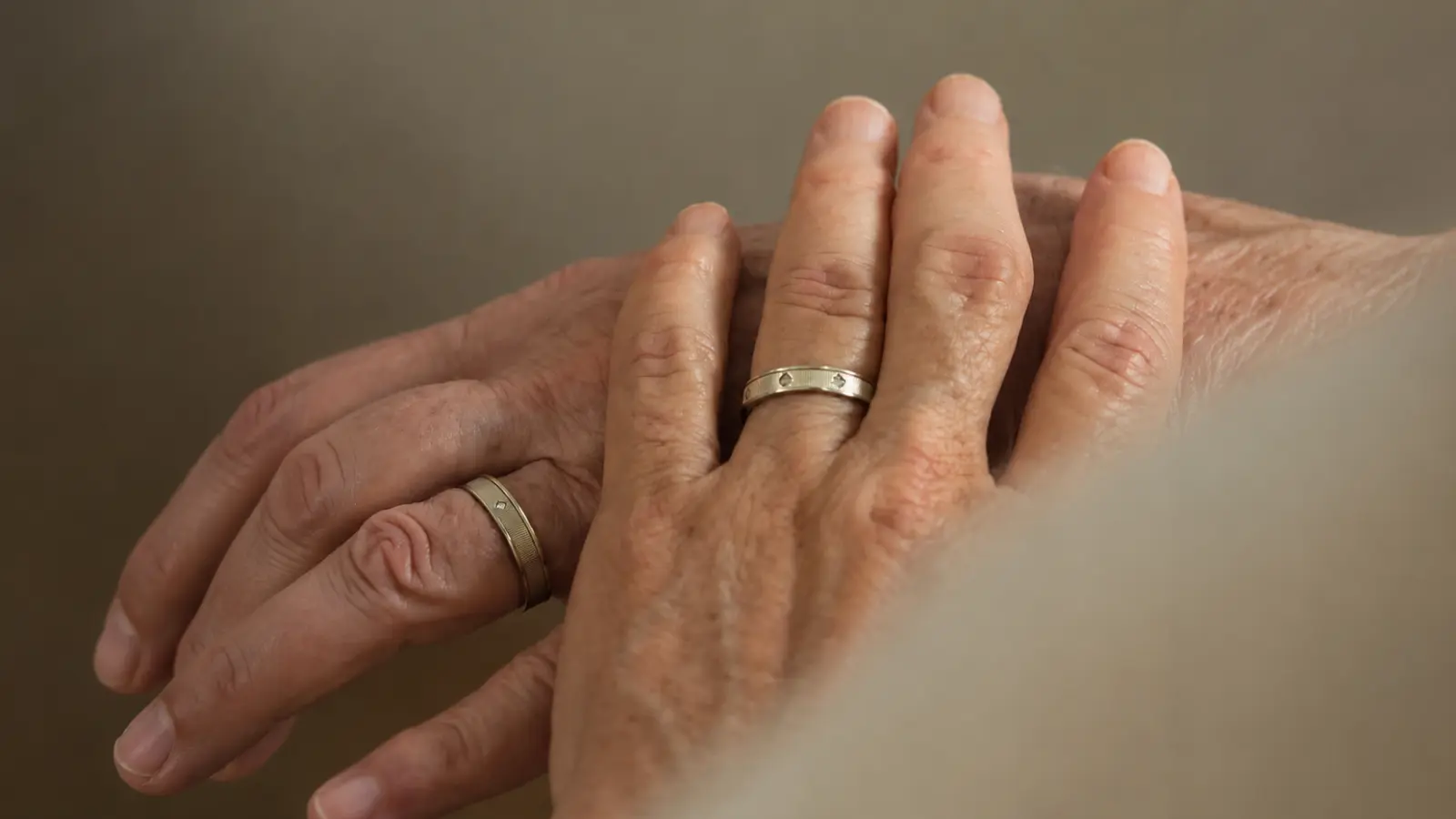
The phrase “ages well” gets used about all kinds of things, but with wedding rings it has two genuinely distinct meanings, visual and physical, and classic styles tend to perform well on both, which is not a coincidence.
The Visual Side of Aging Well
A classic ring ages well visually because it was never anchored to a specific moment in design history. Looking at a plain gold band or a traditional diamond band in a photograph from decades ago, there’s nothing that immediately dates the ring the way certain stone shapes, metal combinations, or silhouettes from specific eras tend to. This isn’t about classic styles being inherently superior; different wedding ring styles can be beautiful precisely because they reflect different aesthetics and eras. It’s simply that classic styles were designed not to do that, and so they don’t.
The Physical Side of Aging Well
Classic styles also tend to age well physically, because the same design choices that make them visually restrained also tend to make them structurally simple: fewer settings to maintain, fewer raised elements to catch or wear down, and profiles that distribute everyday wear more evenly. A plain band has nothing to loosen. A channel-set traditional diamond band has no exposed prongs to wear down. A comfort-fit profile distributes pressure evenly around the finger rather than concentrating it at certain points. None of this is incidental; simplicity in design tends to produce simplicity in maintenance, almost as a byproduct.
The Patina Effect
There’s a third sense in which classic rings age well that’s harder to quantify but worth mentioning: the way a ring looks after years of actual wear. A high-polish band develops fine surface scratches over time that, on a classic design, tend to read as a natural patina, evidence of a ring that’s been worn and lived with, rather than as damage to a more elaborate design where the same wear might disrupt a more intricate visual effect. This is part of why so many classic rings, decades into a marriage, still look entirely appropriate: the wear itself becomes part of the ring’s story rather than something working against its design.
None of this means a classic ring is the “safe” choice in a way that implies settling. It’s simply the choice that asks the least of the future: no design element that might feel dated, no maintenance schedule that might lapse, no visual effect that depends on the ring staying pristine. For a ring meant to be worn every day for the rest of a marriage, that’s not a small thing.
Classic Wedding Ring Inspiration
Classic wedding rings prove that simple designs can still feel personal, elegant, and meaningful. Explore our inspiration board for plain gold bands, platinum wedding rings, simple diamond bands, traditional styles, and timeless wedding ring ideas for women and men.
Choosing a Classic Wedding Ring That Lasts
Classic wedding rings do not remain meaningful because they are the loudest designs or the ones that follow a specific moment in jewelry. They last because their beauty comes from proportion, comfort, craftsmanship, and the ability to become part of everyday life without needing to be replaced by something new.
Whether you choose a plain gold band, a platinum wedding ring, or a simple diamond design, the right classic ring is the one that continues to feel natural years later. A wedding ring does not need to make the biggest statement to become one of the most important pieces you ever wear.
Frequently asked questions (FAQ)
What is the most timeless wedding ring style?
The most timeless wedding ring styles are simple designs that have remained popular across generations, such as plain gold bands, platinum bands, and classic diamond bands. These rings avoid details connected to a specific trend, which helps them continue feeling elegant as styles change. A timeless wedding ring is usually defined by balance, proportion, and long-term wearability rather than decoration.
Is a simple wedding ring too plain?
No. A simple wedding ring is not incomplete or less meaningful because it has fewer details. Many classic rings remain popular specifically because their simplicity makes them easy to wear every day and difficult to date. A plain band allows the focus to stay on the meaning of the ring, the quality of the material, and how naturally it fits into everyday life.
What metal is best for a classic wedding ring?
Gold and platinum are the most traditional choices for classic wedding rings. Gold offers warmth, history, and different color options, while platinum provides a naturally white appearance and excellent durability. The best metal depends on your style, budget, maintenance preferences, and how you want the ring to age over time.
Are classic wedding rings better for everyday wear?
Classic wedding rings are often excellent for everyday wear because they usually have simpler structures, smooth profiles, and fewer delicate details. Plain bands and low-profile diamond bands have fewer areas that can catch, loosen, or require frequent repair. This practicality is one reason many classic designs have remained popular for generations.
How do you make a classic wedding ring feel personal?
A classic wedding ring can feel personal through small choices rather than dramatic design changes. Metal color, band width, finish, shape, engraving, and how the ring pairs with other jewelry can completely change its personality. Classic does not mean identical — it means starting with a timeless foundation and adapting the details to the wearer.
Will a classic wedding ring ever go out of style?
A well-chosen classic wedding ring is unlikely to feel outdated because it is not based on a temporary trend. Styles like plain bands and traditional diamond bands have already remained relevant through many changes in fashion. While personal preferences can change, classic designs are chosen specifically because they are designed to age quietly rather than represent one particular era.