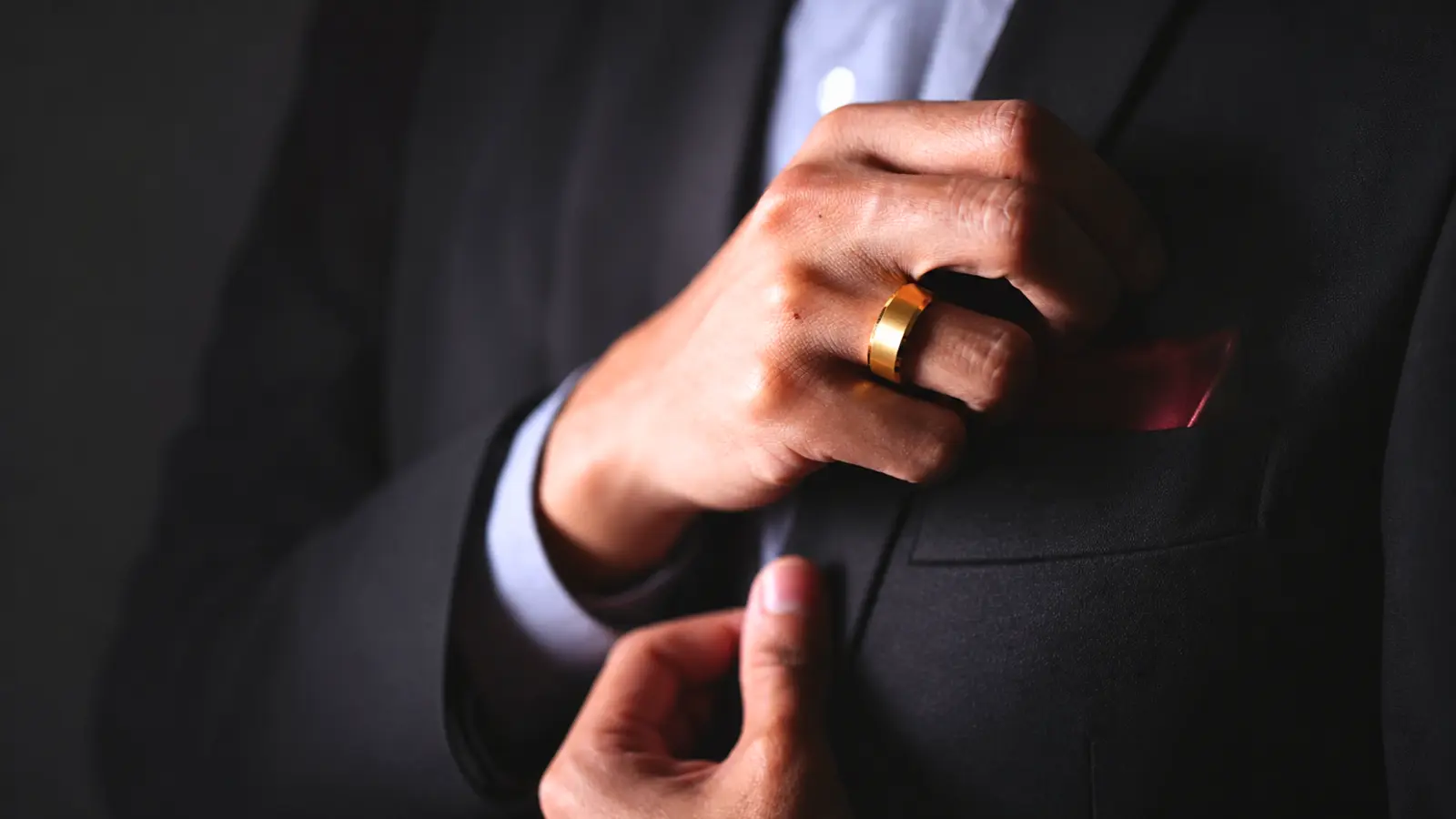
Tungsten wedding rings are wedding rings made from tungsten carbide, an extremely hard compound known for its exceptional scratch resistance, modern appearance, and ability to maintain its finish through years of daily wear. Unlike traditional metals such as gold or platinum, tungsten offers impressive durability at a more affordable price but comes with important limitations.
The appeal of tungsten comes from its balance of strength, style, and practicality. It is especially popular for men’s wedding bands and active lifestyles because it resists the everyday scratches that softer metals develop. However, tungsten cannot be resized, has a heavier feel, and reacts differently to impact than precious metals.
This guide explains tungsten wedding rings, including what tungsten carbide is, pros and cons, tungsten vs titanium, black tungsten bands, resizing limitations, safety, durability, and how tungsten compares with other wedding rings and wedding bands.
What Is Tungsten Carbide?
Tungsten wedding rings are almost always made from tungsten carbide — a compound of tungsten and carbon that is dramatically harder than pure tungsten and is the actual material used in jewelry. When jewelers and retailers refer to “tungsten rings,” they mean tungsten carbide rings. That distinction matters because tungsten carbide’s properties — its hardness, its weight, its brittleness — are what define the experience of wearing one.
On the Mohs scale, where diamond sits at 10, tungsten carbide rates between 8.5 and 9.5. A steel file rates around 6.5; most gold alloys used in jewelry rate between 2.5 and 4. The practical implication is that almost nothing encountered in daily life will scratch a tungsten carbide ring. Keys will not scratch it. Tools will not. Concrete and most metal surfaces will not leave visible marks. Diamond and a few other materials rated above tungsten can scratch it, but these are not objects most people regularly encounter with their ring hand.
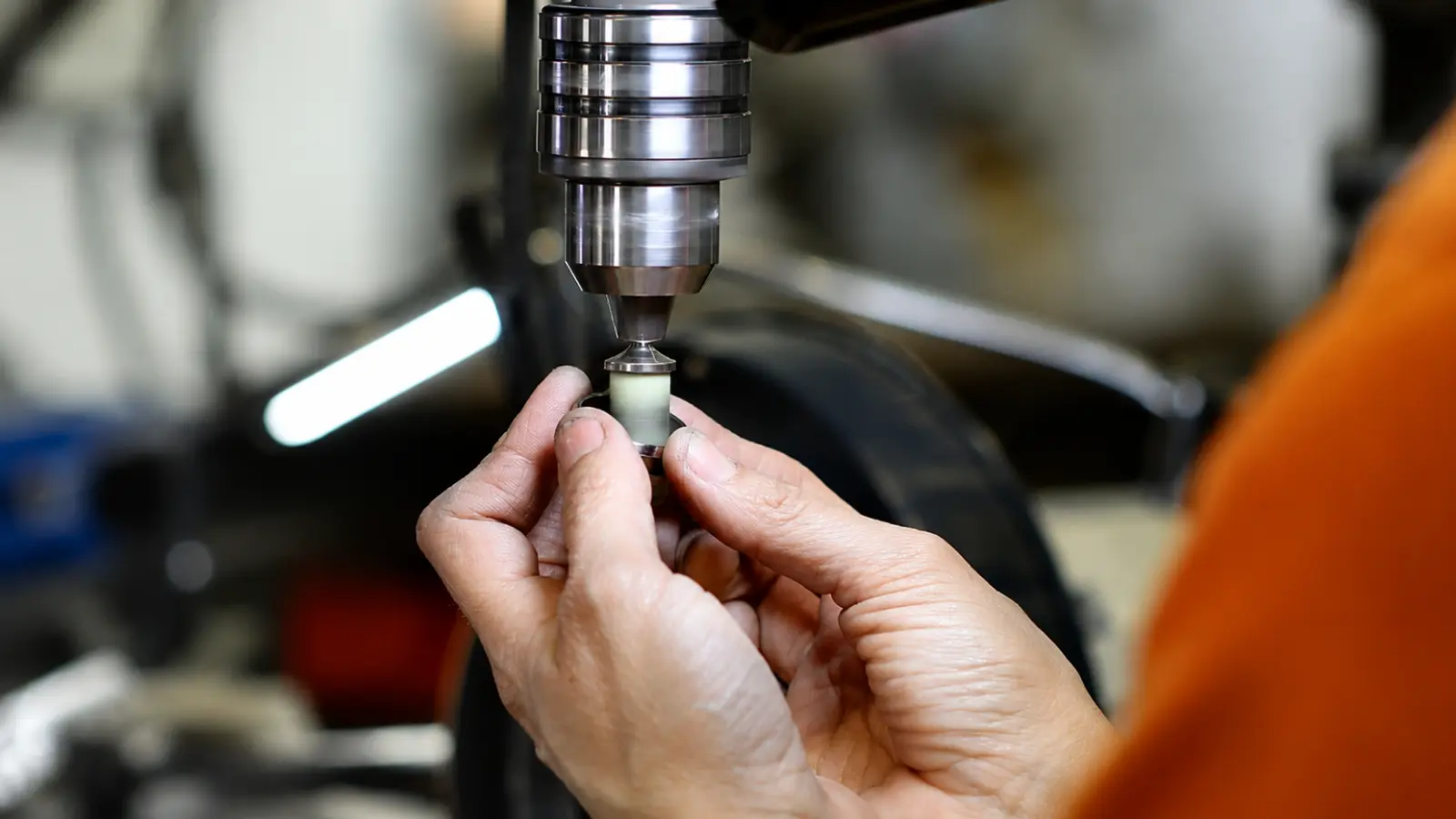
Tungsten carbide rings are manufactured through a process called sintering — the powdered compound is compressed under extreme pressure and heat into a solid form — rather than cast or shaped like gold or platinum. This creates exceptional uniformity and hardness, but it also means the material cannot be reworked once formed. What comes out of the sintering process is the final product. No cutting, bending, or soldering is possible after the fact.
One detail worth knowing before you shop: the binder material used in sintering matters. Most quality tungsten carbide rings use a nickel binder, which is skin-safe and stable over time. Less expensive rings sometimes use a cobalt binder, which can react with skin oils and cause discoloration or irritation over time. Nickel-bound tungsten carbide is the industry standard recommended by most jewelry professionals. When buying a tungsten ring, it takes only a quick question to confirm — and it is worth asking.
Tungsten Wedding Rings: Pros and Cons
Every material has trade-offs, and tungsten’s are worth laying out honestly before you decide. The case for it is strong — but so are the reasons it might not be the right fit.
The Advantages
Scratch resistance is where tungsten starts and largely wins the conversation. No other material commonly used in wedding rings approaches tungsten carbide’s ability to hold a polished finish through years of active daily wear. A tungsten ring purchased today and worn every day for a decade will look, in terms of surface condition, nearly identical to the day it was bought. For people who want their ring to look as sharp at year ten as it did at year one, tungsten is genuinely difficult to beat at any price.
Price is an equally unambiguous advantage. Quality tungsten carbide bands are available in a range of roughly $50 to $300, and rings at the lower end from established jewelers are genuinely well-made — not compromised versions of more expensive alternatives. Tungsten is affordable to manufacture in ring form, and the price reflects the material rather than indicating lower quality relative to gold. For budget-conscious couples who want a real metal ring with real durability, that combination is hard to argue with. You can explore more alternative wedding rings if you are comparing across materials.
Low maintenance rounds out the case. A tungsten ring does not tarnish, does not require polishing, and does not lose its surface finish under normal daily conditions. For most wearers, it essentially takes care of itself.
The Limitations
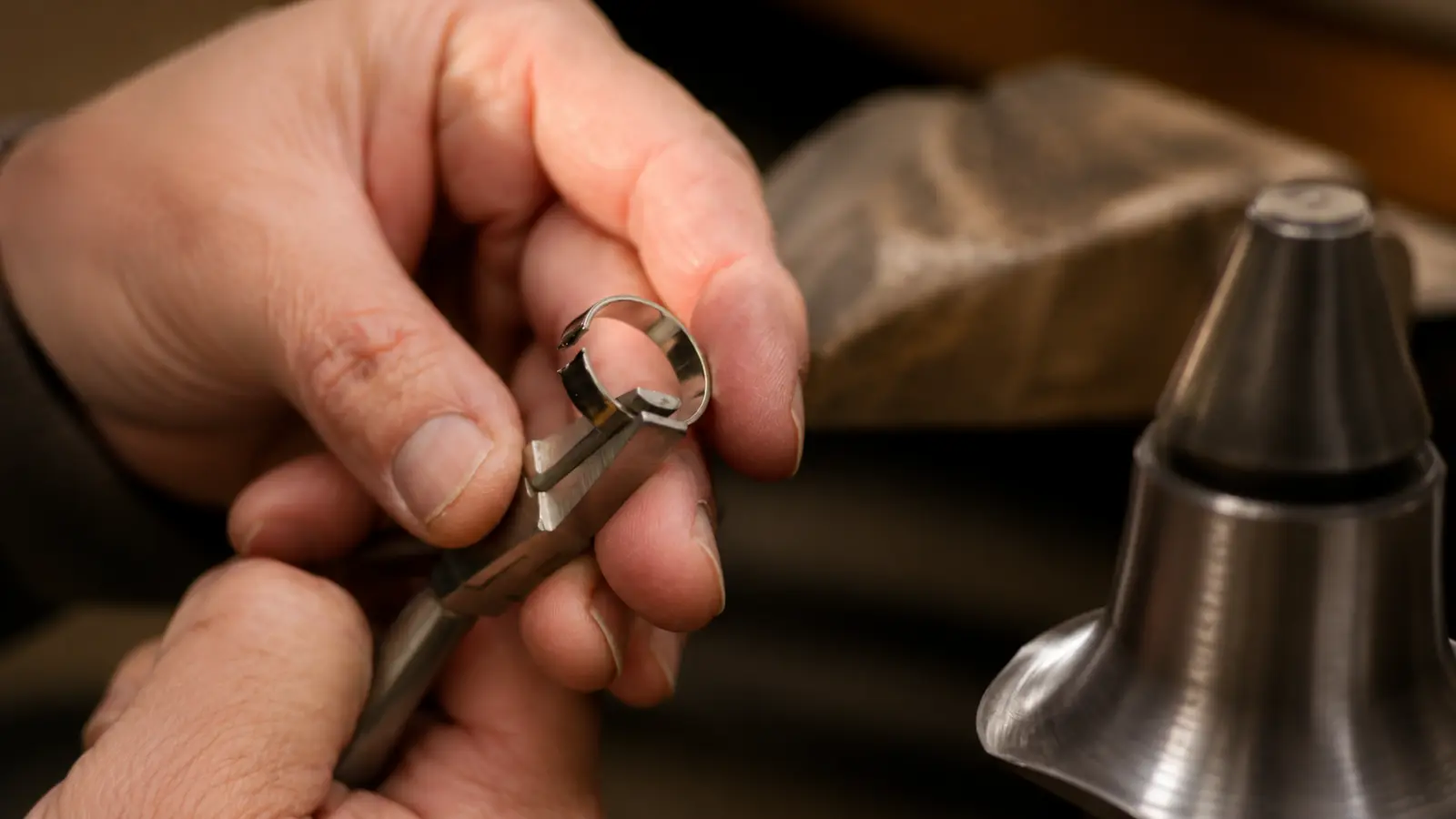
The central limitation is resizability — or the complete absence of it. A tungsten carbide ring cannot be resized by any standard jewelry technique. If the ring no longer fits due to weight change, pregnancy, aging, or a simple measurement error at purchase, the ring must be replaced. Many jewelers who sell tungsten offer a lifetime size exchange program for exactly this reason, allowing customers to swap a ring that no longer fits for a new size when needed. If the jeweler you buy from does not offer this, the inability to resize carries more financial risk over the life of the marriage.
Tungsten is also brittle. This surprises people — a material this hard feels like it should be indestructible — but hardness and toughness are different properties in materials science. Tungsten carbide resists surface scratching almost completely, but it does not flex or deform under sudden sharp impact. A hard, direct strike against a concrete surface or having something heavy dropped directly onto the ring can crack or shatter it. This rarely happens in ordinary daily life, but it does happen, and the ring cannot be repaired. Only replaced.
Finally, the weight. A tungsten ring is substantially heavier than gold, titanium, or silver of the same dimensions. Some wearers find this satisfying and solid; others find it tiring after a full day, particularly in wider bands. Experiencing it firsthand — rather than reading about it — is the only reliable way to know how you will feel about it long-term.
Tungsten vs. Titanium: Which Should You Choose?
Tungsten and titanium wedding rings are the two most popular alternative metals in men’s wedding bands, and they are frequently compared because they occupy similar price ranges and serve similar aesthetics. They are not interchangeable, though — the differences between them are meaningful enough to influence the choice for most buyers.
| Feature | Tungsten | Titanium |
|---|---|---|
| Scratch Resistance | Excellent (Mohs 8.5–9.5) | Good (Mohs ~6) |
| Weight | Heavy | Very light |
| Resizable | No | Rarely, with limitations |
| Emergency Removal | Cracked with pliers | Cut with ring cutters |
| Price Range | $50–$300 | $50–$400 |
| Maintenance | Minimal | Minimal |
Scratch resistance is where tungsten wins clearly. Titanium rates around 6 on the Mohs scale compared to tungsten’s 8.5 to 9.5 — a gap that shows up in real wear over months of active daily use. A titanium ring will develop surface scratches in a way a tungsten ring simply will not.
Weight favors titanium for anyone who prefers something lighter. Titanium is one of the lightest metals used in jewelry, and it feels almost featherweight compared to tungsten. Neither is objectively superior here — it comes down to what feels right on your specific hand, and trying both in person before deciding is worth the effort.
Resizability gives titanium a narrow but real advantage. While titanium is also difficult to resize, some wedding ring resizing may be possible with an experienced metalworker for minor adjustments. Tungsten cannot be resized under any circumstances. For couples uncertain about long-term size stability, that distinction has practical value.
Emergency removal works differently for each material, though both can be safely handled by trained responders. Titanium can be cut with heavy-duty ring cutters. Tungsten cannot be cut but shatters under locking pliers — and its brittleness actually makes it quicker to remove in a true emergency than titanium. Both materials are manageable; the methods are just different.
In practice, the choice usually comes down to weight preference and how much scratch resistance matters to you. If you want the most scratch-resistant ring available and you are comfortable with a heavier feel, tungsten is the call. If you prefer something lighter or want any possibility of future resizing, titanium is the more flexible path.
Can Tungsten Rings Be Resized?
No — and this deserves its own direct treatment because it is the single most important practical limitation of tungsten as a wedding ring material. It affects the purchase decision, the long-term ownership experience, and what you should look for in a retailer before buying.
Tungsten carbide cannot be cut, bent, filed, or soldered with any conventional jewelry tool. The sintering process that creates the ring produces a finished object that cannot be reworked. A jeweler who tells you they can resize a tungsten ring is either mistaken or describing a different process entirely — and in practice, no reputable jeweler attempts it. The ring is what it is at the moment of purchase.
Fingers change size over a lifetime — more than most people anticipate on their wedding day. Pregnancy, significant weight change, aging, and even seasonal temperature variation all affect ring fit. A tungsten ring that fits perfectly at 28 may not fit the same finger at 48. That is not a hypothetical; it is a common experience, and tungsten owners face it without the option of a quick jeweler visit.
How to Protect Yourself Before Buying
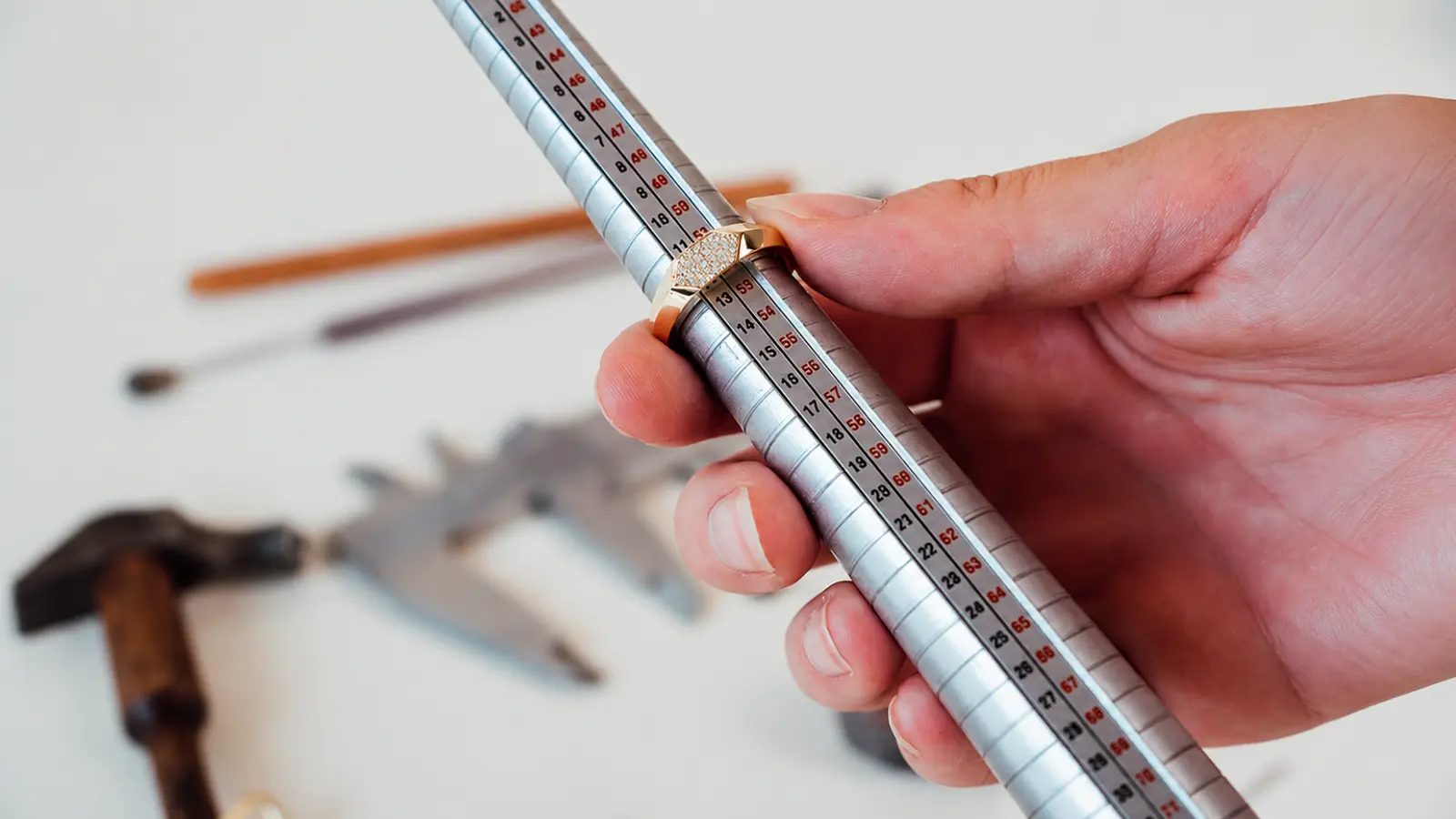
Two steps make a meaningful difference here. First, check your size with our ring size calculator and measure carefully at different times of day, since fingers tend to be slightly larger in the afternoon than in the morning. A professional sizing at a jeweler, rather than relying on an online chart alone, meaningfully reduces the risk of a poor initial fit.
Second, buy from a jeweler who offers a lifetime size exchange program. These programs allow customers to trade in a tungsten ring that no longer fits for the same style in a new size — typically for a small processing fee. The existence of this program at your specific retailer is worth confirming before purchase, not after. It turns a significant limitation into a manageable one, provided the retailer honors it long-term.
Men’s Tungsten Wedding Bands: Styles and Options
Tungsten has become the dominant alternative metal in men’s wedding bands, and the range of styles available reflects that position. The market has expanded well beyond a simple polished band — today’s tungsten rings cover a wide spectrum of finishes, widths, and design details that suit most men’s preferences and personalities.
Width and Finish
The most popular widths for men’s tungsten bands run from 6mm to 10mm, with 8mm being the most commonly chosen. Wider bands read bolder and suit men who want their ring to make a statement. Narrower widths in the 4mm to 6mm range work well for men who prefer something more understated, or who want the ring to sit comfortably alongside a watch. Finishes range from high polish and brushed satin to grooved and hammered textures — and each holds up well in tungsten, since the surface resists the normal wear that gradually dulls softer metals over time.
Black Tungsten
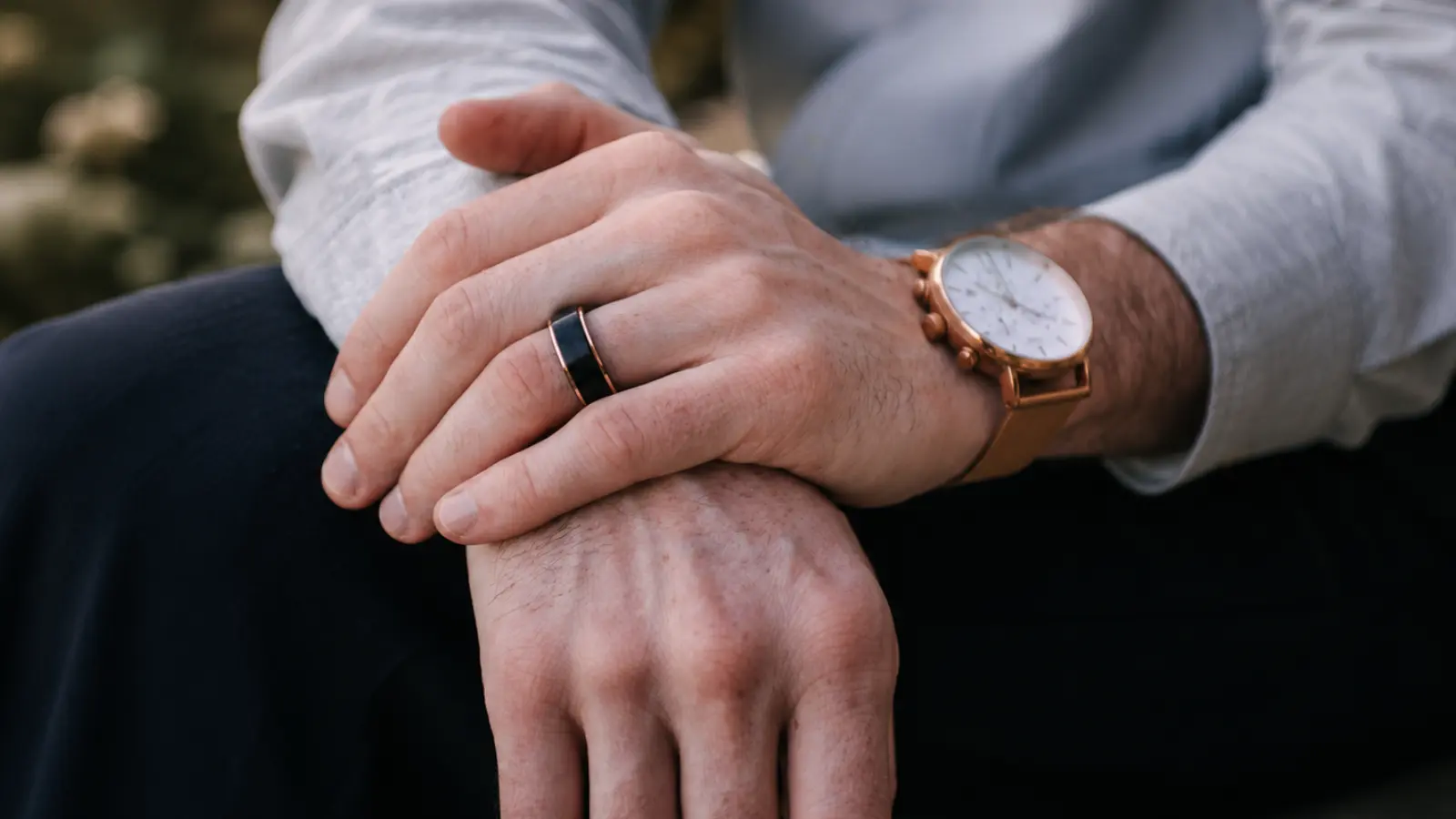
Black tungsten has become one of the most searched styles in men’s wedding rings, and it deserves a candid explanation. Black tungsten is not a separate metal — it is tungsten carbide that has been given a surface treatment through physical vapor deposition (PVD) coating or ion plating. The underlying ring is standard tungsten carbide; the black color is a layer applied after the ring is finished. The full range of styles in this look is covered in our black wedding rings.
The coating is durable, but it is a surface layer rather than the color of the metal itself. In areas of high friction — particularly the inner surface of the ring — it can wear through over years of daily use, revealing the silver-gray tungsten beneath. Recoating is possible through some jewelers, but adds a maintenance step that a standard tungsten ring does not require. For men who love the black look and are willing to accept that trade-off, black tungsten is a strong choice. For men who want a ring that looks identical at year ten without any intervention, a standard polished or brushed finish is more consistent over the long haul.
Inlay Styles
Rings with strips of wood, antler, carbon fiber, or meteorite set into a tungsten band have grown in popularity as a way to give an otherwise industrial material something more personal and distinctive. These create genuinely unique wedding rings for men who want something that does not look like every other ring. One honest note: the inlay material, being softer and more porous than the tungsten itself, will show wear differently than the surrounding band and may require periodic care. Wood inlays in particular benefit from occasional conditioning oil to prevent cracking or drying over time.
Across all these styles, tungsten remains one of the few materials where the ring you pick on your wedding day still looks like that ring years later — and that consistency is a real part of its appeal.
Who Should Choose Tungsten?
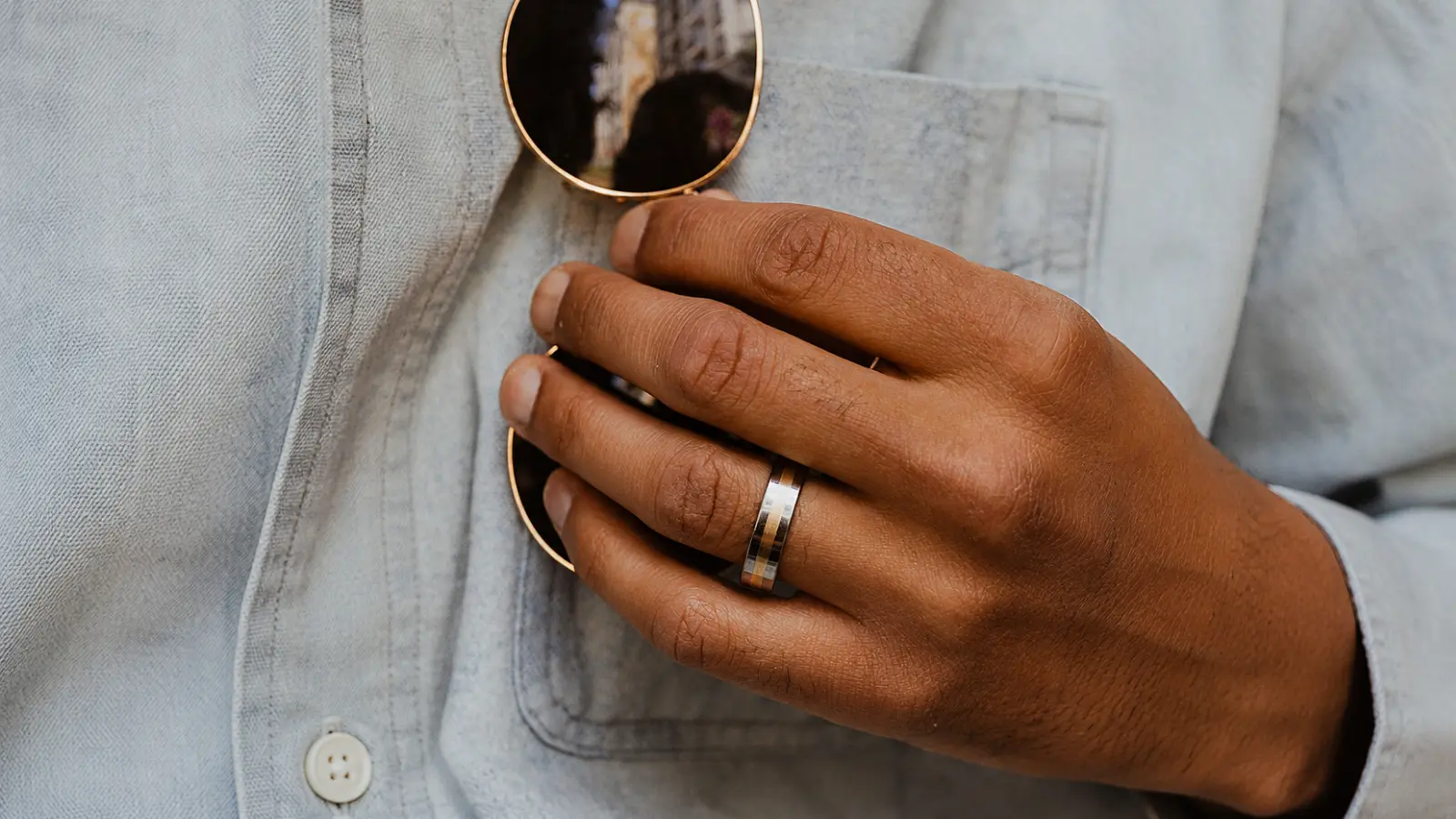
Tungsten makes the most compelling case for a specific kind of wearer. Understanding who that is — and who it is not — is the most useful thing this article can offer before you decide.
Tungsten Is a Strong Fit If You…
- Work with your hands. Men in trades — construction, mechanics, carpentry, electrical work — will find tungsten holds up through the wear patterns of physical labor in a way that gold, silver, or even titanium does not. The ring will not scratch against tools or rough surfaces, and it will not deform under the pressures of daily physical work.
- Live an active lifestyle. Tungsten survives environments — rock climbing, gym work, trail running — where a softer metal shows the evidence immediately. The weight is worth considering in high-movement contexts, but for most active wearers, tungsten keeps pace with the lifestyle without complaint.
- Want a low-maintenance ring. Tungsten requires essentially no upkeep to maintain its appearance. It does not tarnish, does not need polishing, and holds its finish through ordinary daily life without any intervention from you.
- Are working with a tighter budget. For couples who want a real metal ring with genuine durability, tungsten delivers quality that competes with — and often outlasts — rings at much higher price points. Our affordable wedding rings covers more options across different materials in this range.
If several of these describe you, tungsten is worth prioritizing in your search over other alternatives at the same price point.
Tungsten May Not Be the Right Fit If You…
- Anticipate significant size changes. Anyone expecting substantial weight change, a partner who is pregnant or planning to be, or someone with a history of significant finger size variation takes on real risk with a non-resizable ring. Size exchange programs help, but they require maintaining a long-term relationship with the original retailer.
- Want to modify or personalize the ring over time. Laser engraving on tungsten is possible, but traditional hand engraving is not. Resizing, resetting stones, or any structural modification is off the table. The ring it is at purchase is essentially the ring it will always be.
- Work around heavy machinery with avulsion risk. In environments where a ring catching on equipment is a genuine safety hazard, most safety guidelines recommend removing rings entirely or substituting a silicone band — regardless of material. This applies to all wedding rings in those specific environments, not just tungsten.
Being honest with yourself about which category you fall into is worth more than any detail about the material itself. Tungsten is a genuinely excellent ring for the right person — and a source of ongoing frustration for the wrong one.
Tungsten Wedding Ring Inspiration
Tungsten wedding rings can range from simple polished bands to bold black designs and textured modern styles. Explore our inspiration board for black tungsten bands, brushed finishes, wood inlays, carbon fiber details, and durable wedding ring ideas for everyday wear.
Choosing a Tungsten Wedding Ring That Fits Your Lifestyle
A tungsten wedding ring is not about choosing the most traditional metal — it is about choosing a ring that matches the way you actually live. Its scratch resistance, modern appearance, and low maintenance make it a strong choice for people who want durability without constant care.
Whether you choose a simple tungsten band, a black tungsten design, or another wedding ring material entirely, the best choice is the one that balances comfort, meaning, and everyday practicality for the years ahead.
Frequently asked questions (FAQ)
What is the biggest downside of a tungsten wedding ring?
The biggest downside of a tungsten wedding ring is that it cannot be resized. Unlike gold or platinum, tungsten carbide cannot be cut, stretched, or reshaped by a jeweler. If your ring size changes over time, the ring usually needs to be replaced. For this reason, choosing the correct size and buying from a jeweler with a size exchange policy is especially important.
Do tungsten wedding rings really not scratch?
Tungsten wedding rings are extremely scratch-resistant, but they are not completely impossible to scratch. Tungsten carbide is much harder than traditional wedding ring metals, so everyday items like keys, tools, and most surfaces usually will not leave marks. However, very hard materials such as diamonds can still scratch tungsten.
Why do some tungsten rings break instead of bend?
Tungsten carbide is extremely hard, but hardness is different from flexibility. Softer metals like gold can bend under pressure, while tungsten holds its shape until enough force causes it to crack. This is rare during normal wear, but it is why tungsten is described as scratch-resistant rather than indestructible.
Are tungsten wedding rings good for people who work with their hands?
Yes. Tungsten is one of the most popular wedding ring materials for people with active lifestyles because it resists scratches and keeps its appearance with very little maintenance. However, people working around certain heavy machinery may choose a silicone ring during work for safety reasons.
Why are tungsten wedding rings so affordable?
Tungsten rings are more affordable because tungsten carbide does not have the same precious metal value as gold or platinum. The lower price does not mean the ring is weak or low quality. Tungsten’s value comes from its durability, scratch resistance, and modern appearance rather than from rare metal content.
What should you know before choosing a tungsten wedding ring?
Before choosing tungsten, understand that the ring you buy is essentially the ring you keep. It will resist scratches extremely well and require little maintenance, but it cannot be resized or significantly altered later. Tungsten is best for someone who values durability and consistency more than future customization.