
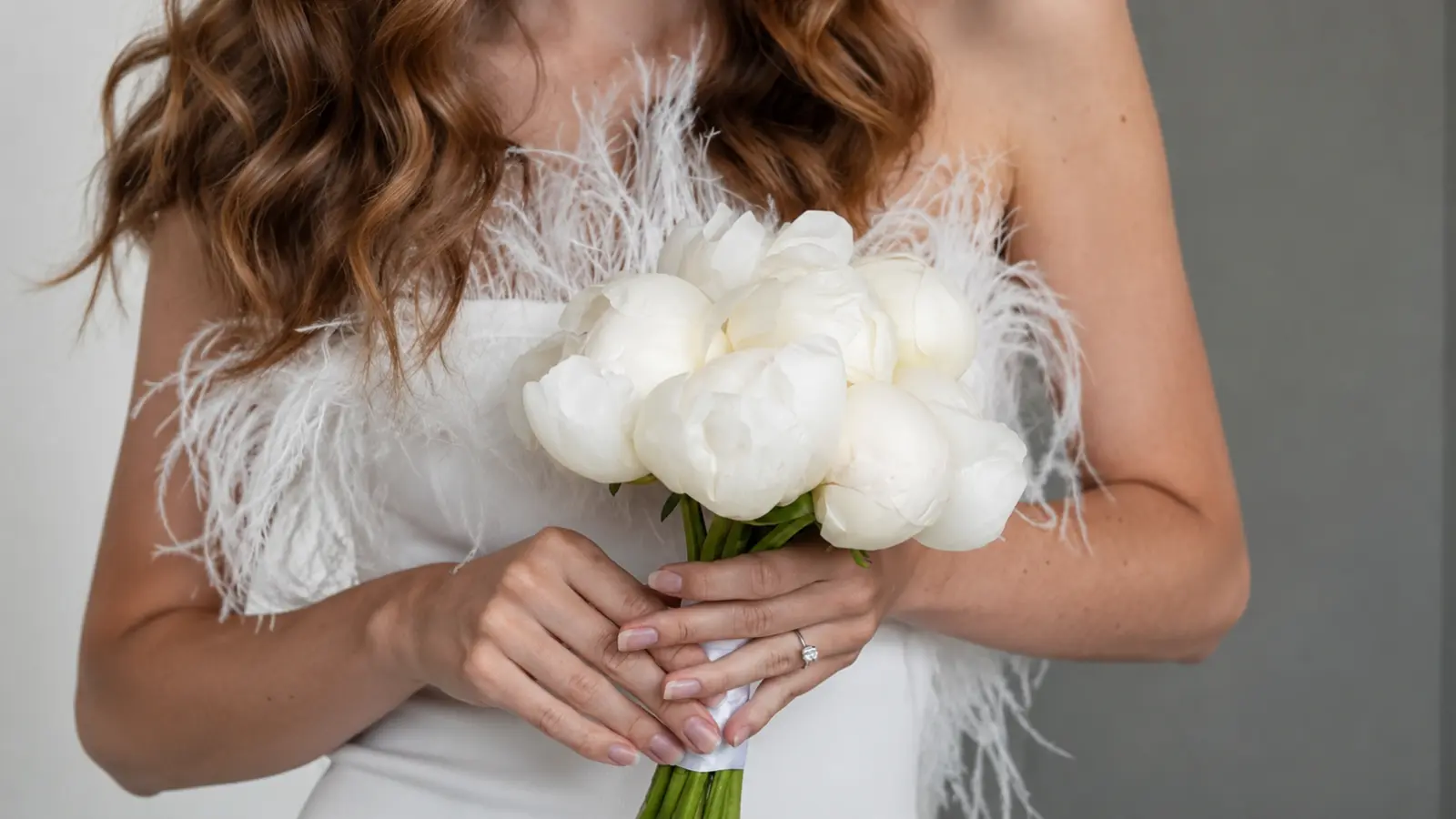
Choosing between fresh vs. artificial wedding bouquets is one of the biggest floral decisions brides make. Both options can be beautiful, but they offer very different advantages depending on your budget, wedding location, season, travel plans, and whether you want to keep your bouquet after the celebration. There isn’t one universally better choice—only the option that best fits your wedding.
Fresh flowers offer natural fragrance, organic texture, and the timeless beauty of living blooms. Artificial bouquets, especially high-quality silk or real-touch designs, provide unmatched durability, flexibility, and the convenience of creating or purchasing your bouquet long before the wedding day. Understanding the strengths and limitations of each helps you make a confident decision instead of relying on common myths or assumptions.
This guide compares fresh and artificial options within the broader world of wedding bouquets, including appearance, cost, durability, photography, allergies, travel, keepsakes, and practical advice for choosing what suits your celebration best.
Direct Comparison: Fresh vs. Artificial
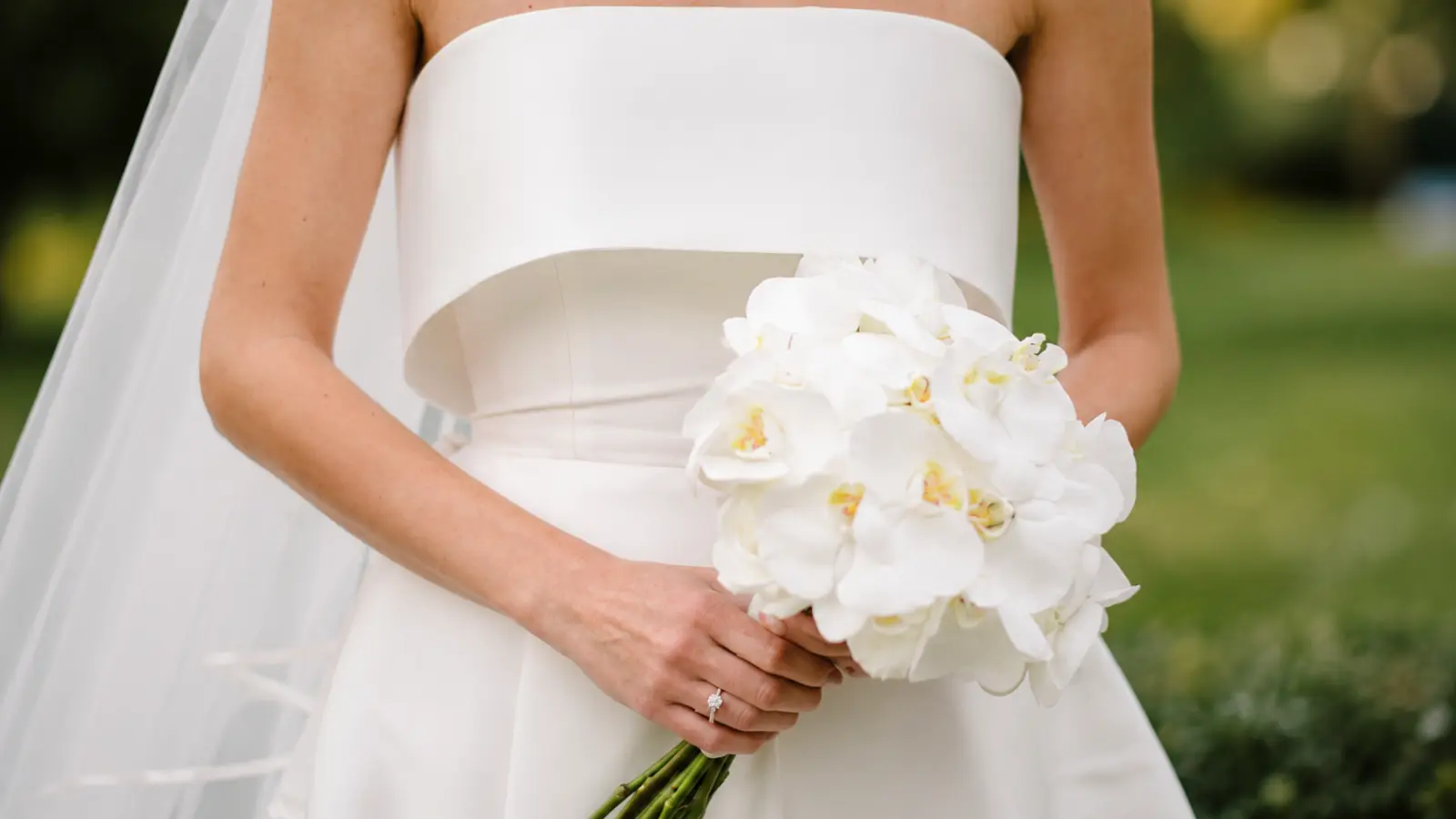
Before getting into specific situations, here is the honest side-by-side. These are the criteria that actually matter when making the decision — not the ones that make either option sound obviously better than the other.
| Criteria | Fresh Flowers | Artificial / Silk Flowers |
|---|---|---|
| Appearance | Natural variation, soft texture, imperfect in a beautiful way | Consistent and controlled; quality varies significantly by price point |
| Fragrance | Present in scented varieties (garden roses, peonies, gardenias) | None — fragrance oils can be added but rarely read as natural |
| Durability | 3–5 hours without water in typical conditions; less in heat or sun | Indefinite — unaffected by temperature, humidity, or time |
| Cost | Typically $150–$500+ depending on flowers and florist | Wide range: budget options start low; artisan silk can match fresh costs |
| Assembly timing | Day-of or the evening before — no earlier | Weeks or months in advance |
| Availability | Seasonal — some flowers cost more or unavailable out of season | Any flower, any color, any time of year |
| Photos | Natural texture reads well at every distance | High-quality silk photographs convincingly; low-quality doesn’t |
| After the wedding | Requires preservation effort (drying, pressing, freeze-drying) | Already a permanent keepsake; no additional steps needed |
| Handling risk | Can bruise, wilt, or drop petals during a long day | Unaffected by handling, heat, or movement |
| Allergy risk | Pollen from some flowers can be a real issue | Zero pollen — safe for all allergy profiles |
A few things worth noting about that table. The cost comparison for artificial is genuinely wide — a mass-produced silk bouquet from a craft store and a handmade artisan silk bouquet priced like fine floristry are not the same product. If you’re choosing artificial specifically for quality, the difference in wedding bouquet cost compared with fresh flowers may be smaller than expected. And on durability: “indefinite” sounds like an obvious win, but it only matters if your day has conditions that would stress fresh flowers — which many don’t.
When Fresh Flowers Make More Sense
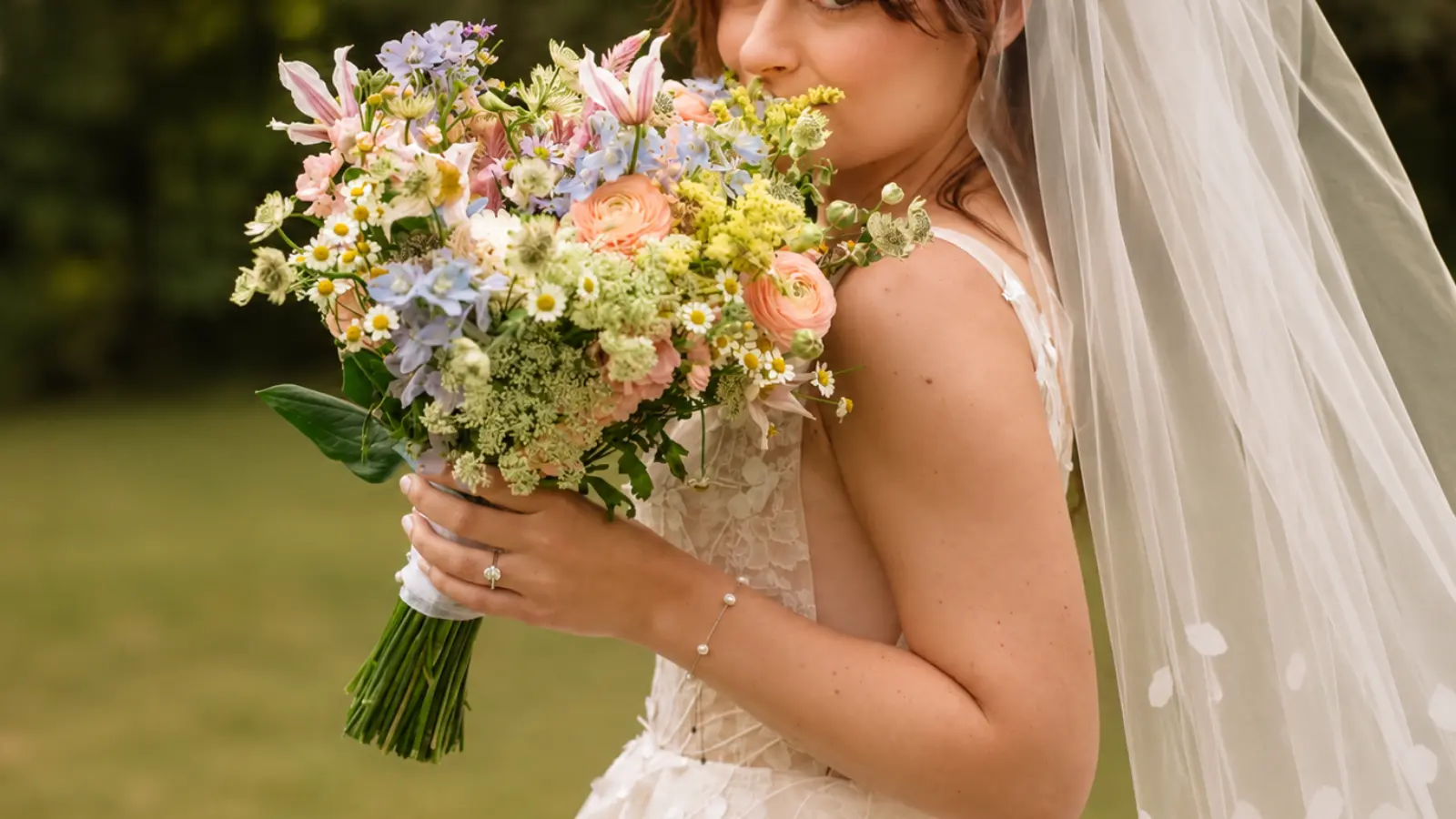
For most weddings, fresh wedding bouquets remain a strong choice because typical conditions do not stress the flowers significantly and their sensory quality is genuinely difficult to replace.
Fragrance is part of the experience. This is the one thing artificial flowers cannot deliver. Gardenias, garden roses, lily of the valley, sweet peas, and peonies all carry a fragrance that affects how a wedding feels, not just how it looks. If walking down the aisle holding flowers that smell like flowers is part of what you want from that moment, fresh is the only path.
You have an established florist relationship. A florist who knows your vision, your venue, and your color story is a meaningful asset. Fresh-flower florists are building the entire floral story of the wedding — bouquet, ceremony flowers, reception arrangements — as an integrated project. If you’re already working with someone you trust on the full scope, the bouquet naturally stays in that ecosystem.
The wedding is indoors or in mild, temperate conditions. A fall indoor ceremony, a spring garden wedding with moderate temperatures, a morning outdoor ceremony before the heat peaks — these are conditions where well-conditioned fresh flowers hold beautifully without stress. The durability concern with fresh is real but context-dependent; in favorable conditions, it’s largely a non-issue.
The specific flowers you want are seasonal and available. Late-spring peonies in their natural peak are a different product than peonies sourced out of season at a premium. When what you want is in season, fresh delivers it at its best.
When Artificial Flowers Make More Sense
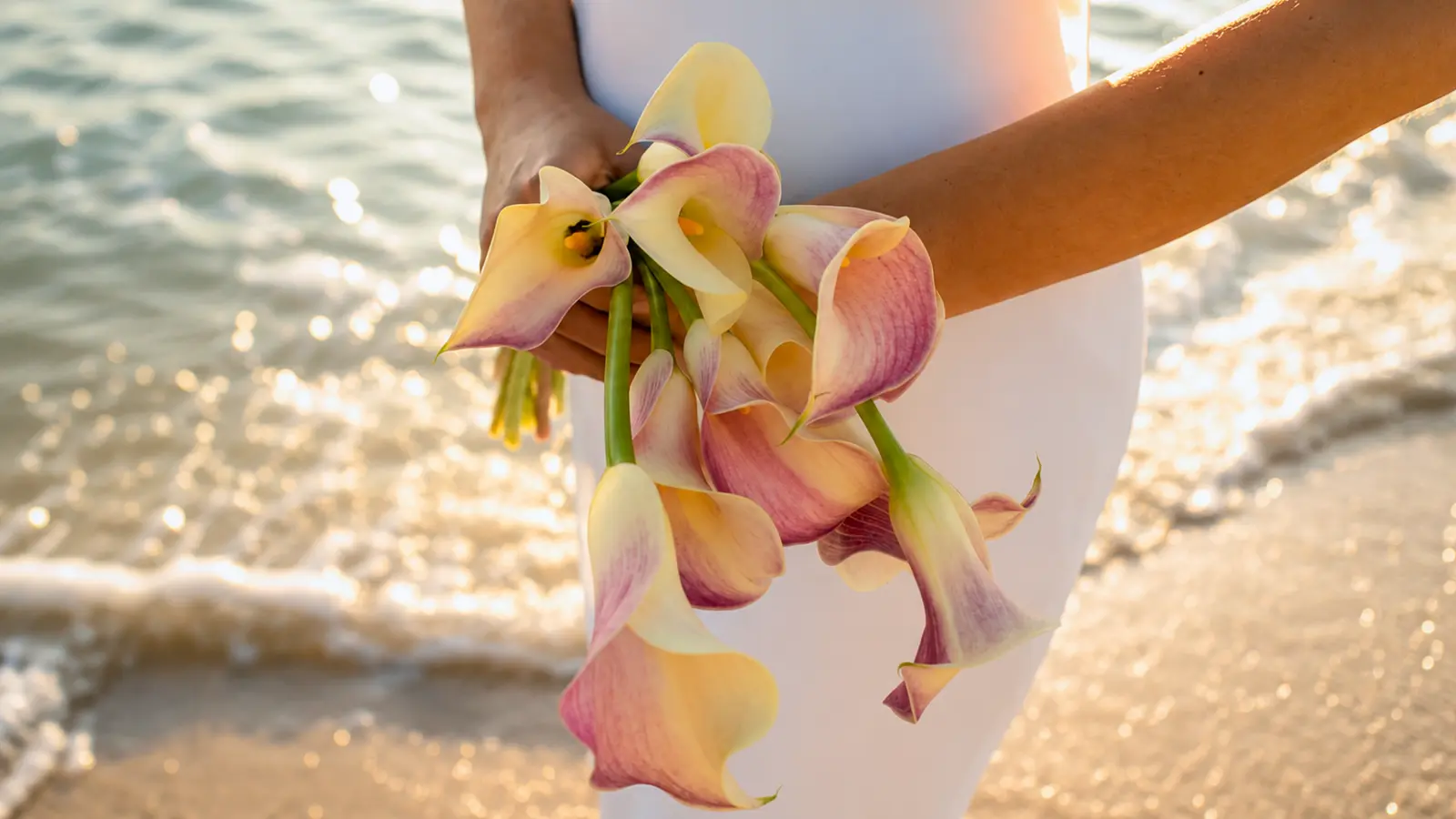
In specific situations, artificial wedding bouquets are not merely acceptable but genuinely the more practical choice. The honest version of this section isn’t “artificial is fine if you’re on a budget” — it’s that certain wedding conditions make fresh flowers a logistical problem that artificial flowers simply don’t have.
Destination or travel-heavy weddings. Flying with a fresh bouquet is not practical. Sourcing a bouquet from an unfamiliar local florist in another country, city, or destination venue introduces supply uncertainty that most brides don’t want on their wedding day. A high-quality artificial bouquet can be assembled at home, packed carefully, and arrive at the destination in exactly the condition it left in.
Outdoor summer weddings in heat. A July outdoor ceremony in the South, a beachside wedding in Florida or Hawaii, a vineyard reception in August heat — these are conditions that stress fresh flowers in ways that are difficult to fully mitigate. Even well-conditioned, hardy blooms will show visible wilting within one to two hours in direct sun and high heat. If your ceremony and portrait time are both outdoors in summer, the “durability” column in the comparison table above becomes a decisive factor rather than a minor consideration.
Flower allergies in the wedding party or immediate family. Pollen from fresh flowers — particularly from lilies, daisies, and some roses — can trigger real allergic reactions. If the bride, groom, or anyone in close proximity during a long ceremony has a known allergy, artificial flowers remove the risk entirely without requiring a floral redesign.
Keeping the bouquet is the priority. If you know from the start that you want to keep your bouquet as a permanent object — displayed in a case, kept on a shelf — an artificial bouquet is already that object the moment you receive it. A fresh bouquet requires successful preservation (which is not guaranteed and has real costs), while an artificial one needs nothing. This is worth factoring in before deciding, not after.
Planning a DIY bouquet well in advance. Making your own fresh bouquet requires assembling it the morning of the wedding — which is a specific kind of pressure most brides don’t want on that day. A DIY artificial bouquet can be made weeks or months earlier, refined, practiced on, and set aside until needed.
Dried Flowers: The Third Option
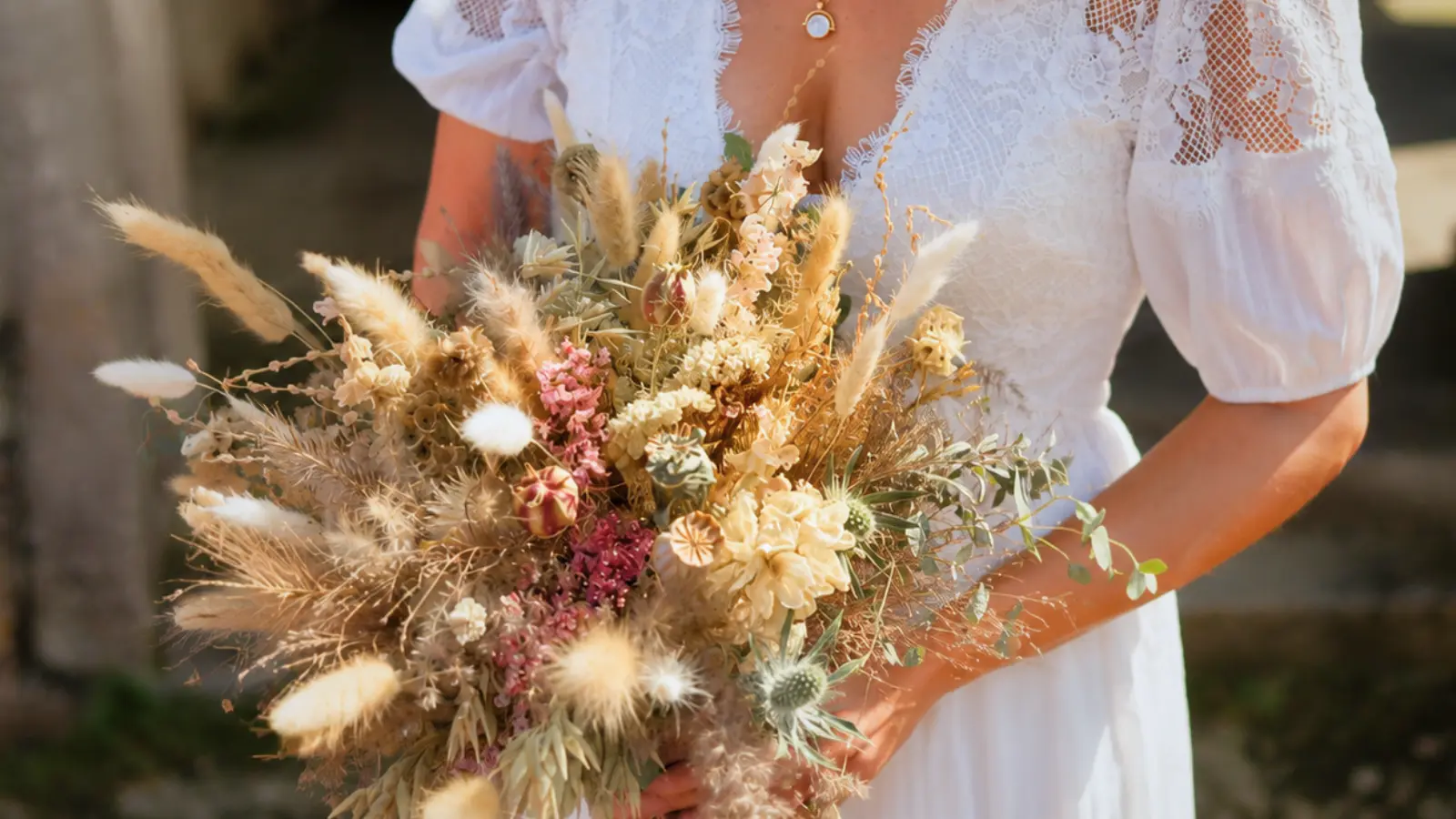
Dried flower bouquets occupy genuinely different territory from both fresh and artificial — they’re not a budget substitute for either, and they’re not interchangeable with silk. They’re real flowers that have been preserved through drying methods, which means they carry natural color variation, texture, and material character that manufactured alternatives can’t replicate.
The aesthetic is distinctly its own: warm, earthy, slightly undone in a way that reads as intentional rather than unfinished. Pampas grass, dried roses, preserved lunaria, wheat, and dried citrus are common elements — and the palette tends to run naturally toward warm neutrals, dusty tones, and caramels. If that aesthetic fits your wedding, dried flowers provide a ready-made keepsake, unlike fresh arrangements that require you to decide how to preserve a wedding bouquet after the celebration.
The practical tradeoffs are real: dried flowers are more fragile than artificial and can shed if handled roughly; the color palette is narrower than what fresh or silk can offer; and the aesthetic — however beautiful — is specific enough that it doesn’t work for every wedding style. For a full comparison of dried flower bouquets and what works well in them, the dried flower bouquets guide covers the options in detail.
What Artificial Bouquets Actually Look Like Now
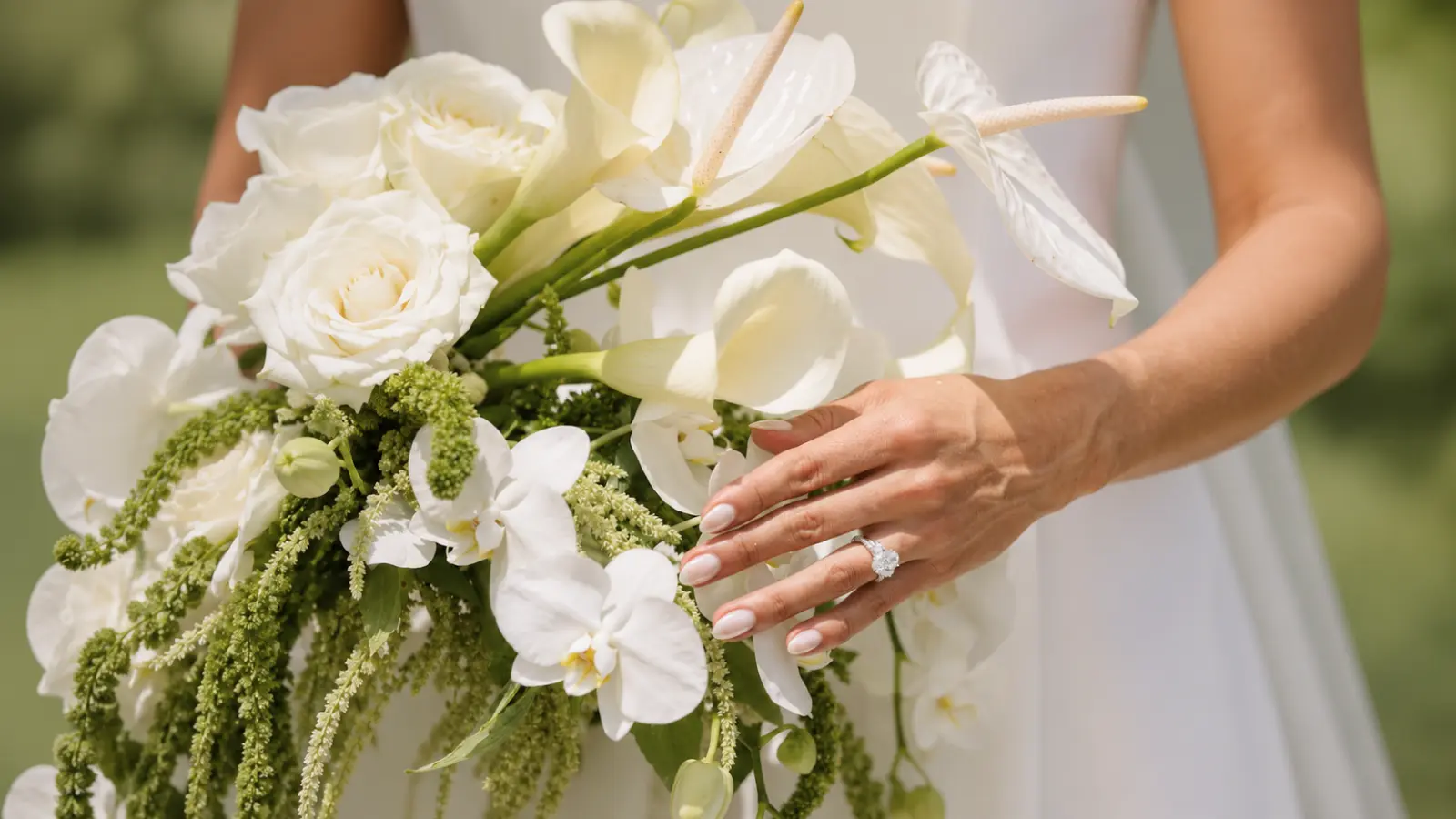
The perception of artificial wedding flowers has lagged behind the reality by about a decade. The mental image many brides carry — stiff plastic stems, obviously synthetic petals, the kind of thing sold near the seasonal decorations at a craft store — describes the low end of what’s available, not the category as a whole.
High-quality silk bouquets, particularly those made by artisan florists who specialize in the medium, are genuinely difficult to distinguish from fresh flowers in professional wedding photography. Individual petals are constructed with color gradients, veining, and edge variation that match real flowers closely. Stems are weighted and flexible. The materials respond to light in ways that cheaper versions don’t.
The gap between budget and quality artificial flowers is wider than the equivalent gap in fresh floristry. A fresh bouquet assembled by a competent florist from mid-range flowers will still read as fresh and real. A budget artificial bouquet assembled from craft-store silk flowers will read as artificial regardless of the arrangement. If you’re choosing artificial for quality reasons — because you want something that looks convincing in photos, holds throughout a long day, and becomes a lasting keepsake — the price point matters more than in almost any other floral decision.
One practical note: some florists who work primarily in fresh flowers don’t offer artificial options or aren’t experienced enough with them to produce a convincing result. Seeking out a florist or maker who specifically works in high-quality silk is worth the extra search time if this is the direction you choose.
Mixing Fresh and Artificial
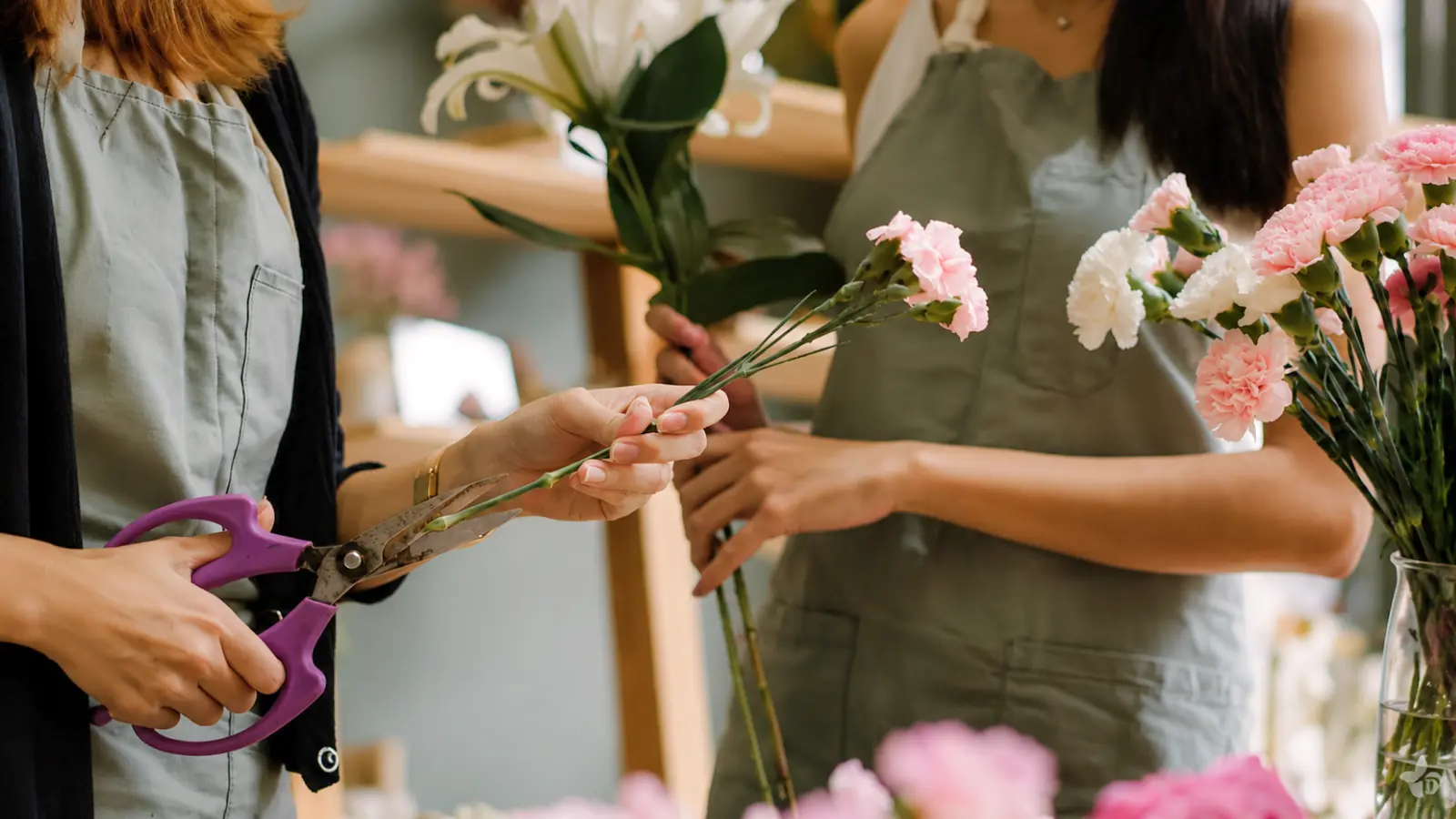
A less-discussed option that solves specific problems well: using both in the same bouquet. The most common hybrid combines silk focal blooms with the natural texture associated with greenery wedding bouquets, using fresh foliage and filler flowers as supporting elements.
This approach has a few distinct advantages. The focal blooms hold their shape and color through a long, hot day while the supporting fresh elements add the natural variation and occasional fragrance that all-artificial arrangements lack. For DIY brides learning how to make a wedding bouquet, silk focal flowers simplify assembly because they can be repositioned before fresh elements are added on the wedding morning.
The main requirement is quality alignment. High-quality silk focal flowers next to fresh greenery reads as intentional and cohesive. High-quality silk next to obviously synthetic filler defeats the purpose. If you’re mixing, the artificial elements need to hold up at the same visual standard as the fresh components around them — not just up close, but in the full-length portraits where the bouquet is a minor element rather than the main subject.
Common Mistakes with Both Options
The most avoidable problems with both fresh and artificial bouquets come from the same source: not thinking through the specific conditions of your wedding day before making the decision.
Underestimating the heat. This applies to fresh flowers specifically. Brides planning outdoor summer weddings frequently underestimate how quickly heat and direct sun will affect fresh flowers. “It should be fine” is a plan that works until it doesn’t — and discovering that your bouquet is visibly wilted before portraits are done is a fixable problem only if you knew to plan for it in advance. If your ceremony or portrait window involves significant outdoor time in warm or hot conditions, this factor deserves more weight in the decision than it typically gets.
Assuming artificial is always budget-friendly. Low-end artificial is inexpensive. High-quality artisan silk is not. The mistake is choosing artificial expecting significant cost savings, then discovering that the quality level needed to look convincing in photos brings the cost close to a fresh arrangement. If budget is the primary driver, fresh flowers from a well-sourced florist using accessible, seasonal blooms will often deliver better value than a high-quality artificial alternative.
Not accounting for travel with fresh flowers. For destination weddings or any situation involving significant travel time between the venue and the ceremony location, fresh bouquets require careful planning: a water source during transport, temperature management, stem wrapping. Brides who skip this step sometimes arrive with flowers in significantly worse condition than expected. It’s solvable — but it needs to be part of the plan, not an afterthought.
Sourcing artificial flowers without seeing them in person first. Online photos of artificial bouquets, particularly on lower-cost retail platforms, can look quite different from the actual product. If you’re sourcing artificial flowers for a wedding bouquet, ordering a sample stem or a small test arrangement before committing to the full order is worth the time and small upfront cost. Quality is genuinely variable, and what looks convincing in a product photo doesn’t always match what arrives.
Fresh vs. Artificial Wedding Bouquet Inspiration
Compare fresh and artificial wedding bouquets with side-by-side inspiration, silk flower ideas, real flower arrangements, bouquet comparisons, and expert tips for choosing the best option.
The Best Bouquet Is the One That Fits Your Wedding
Fresh and artificial wedding bouquets each solve different problems, and neither option is universally better than the other. Fresh flowers offer unmatched fragrance, natural movement, and seasonal beauty, while high-quality artificial bouquets provide consistency, durability, and the freedom to plan months in advance. The right choice depends less on tradition and more on the realities of your wedding day.
Instead of asking which bouquet is objectively better, ask which one supports your priorities. Consider your venue, climate, travel plans, budget, desired keepsake, and the overall experience you want. When those factors guide your decision, you’ll choose a bouquet that not only looks beautiful but also works perfectly for your celebration from the first photo to the final dance.
Frequently asked questions (FAQ)
Which is better: fresh or artificial wedding bouquets?
Neither option is universally better. Fresh flowers offer natural fragrance, texture, and seasonal beauty, while artificial bouquets provide unmatched durability, flexibility, and the ability to keep the arrangement forever without preservation. The best choice depends on your wedding location, weather, travel plans, budget, allergies, and whether you want a lasting keepsake after the celebration.
Do artificial wedding bouquets look real in photos?
Yes — high-quality artificial bouquets can look remarkably realistic in professional wedding photography. Premium silk and real-touch flowers with natural color variation and soft textures are often difficult to distinguish from fresh flowers in full-length and standard portrait images. The biggest difference usually appears only in very close-up photographs, where petal texture becomes easier to notice.
How long can a fresh wedding bouquet go without water?
A properly conditioned fresh bouquet typically stays beautiful for three to five hours under normal indoor conditions, which is enough for most ceremonies and portraits. Heat, direct sunlight, and dry air shorten that window considerably, and delicate flowers may begin to wilt much sooner. Keeping the stems hydrated until shortly before the ceremony helps maximize freshness throughout the day.
Can you mix fresh and artificial flowers in the same bouquet?
Absolutely. Many florists combine premium artificial focal flowers with fresh greenery or filler blooms. This approach provides the realistic texture and fragrance of fresh flowers while allowing the larger statement blooms to remain perfect throughout the wedding day. The key is using artificial flowers that match the quality of the fresh elements around them.
Are artificial wedding bouquets always less expensive?
No. Budget artificial bouquets are inexpensive, but professionally designed silk or real-touch bouquets often cost as much as—or even more than—fresh arrangements. The final price depends far more on craftsmanship, flower quality, and design complexity than on whether the flowers are fresh or artificial.
Should you choose fresh or artificial flowers for a destination wedding?
Artificial bouquets are often the more practical choice for destination weddings because they travel easily, aren’t affected by transportation delays or weather, and arrive looking exactly as they did when packed. Fresh bouquets can certainly work, but they require careful coordination with a local florist and tighter delivery timing to ensure the flowers remain in excellent condition.