
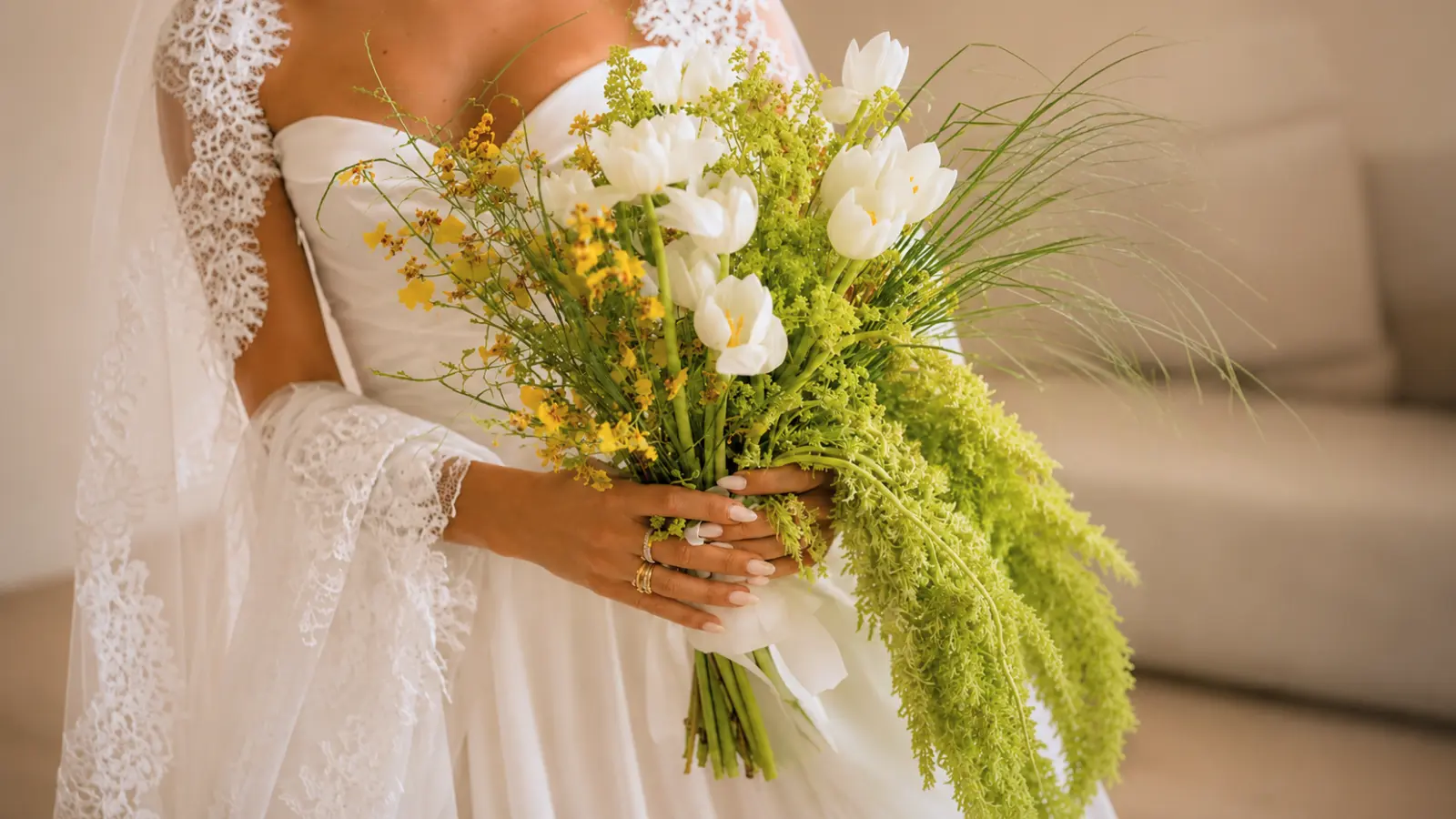
Fresh wedding bouquets remain the most popular choice for brides because they offer natural fragrance, delicate texture, vibrant color, and a beauty that only real flowers can provide. Whether you’re planning a classic church ceremony, an outdoor garden celebration, or a modern wedding, fresh flowers bring a level of softness and authenticity that no artificial alternative can fully replicate.
Choosing fresh flowers, however, also means planning around their natural life cycle. Flower selection, seasonal availability, delivery timing, temperature, and proper care all influence how your bouquet will look throughout the ceremony, photographs, and reception. Understanding those details helps you enjoy all the beauty of fresh flowers while avoiding unnecessary stress on your wedding day.
This guide explores how wedding bouquets made with fresh flowers perform throughout the wedding day, including flower selection, comparisons with artificial bouquets, delivery timing, bouquet care, and practical planning tips.
What Are Fresh Wedding Bouquets?
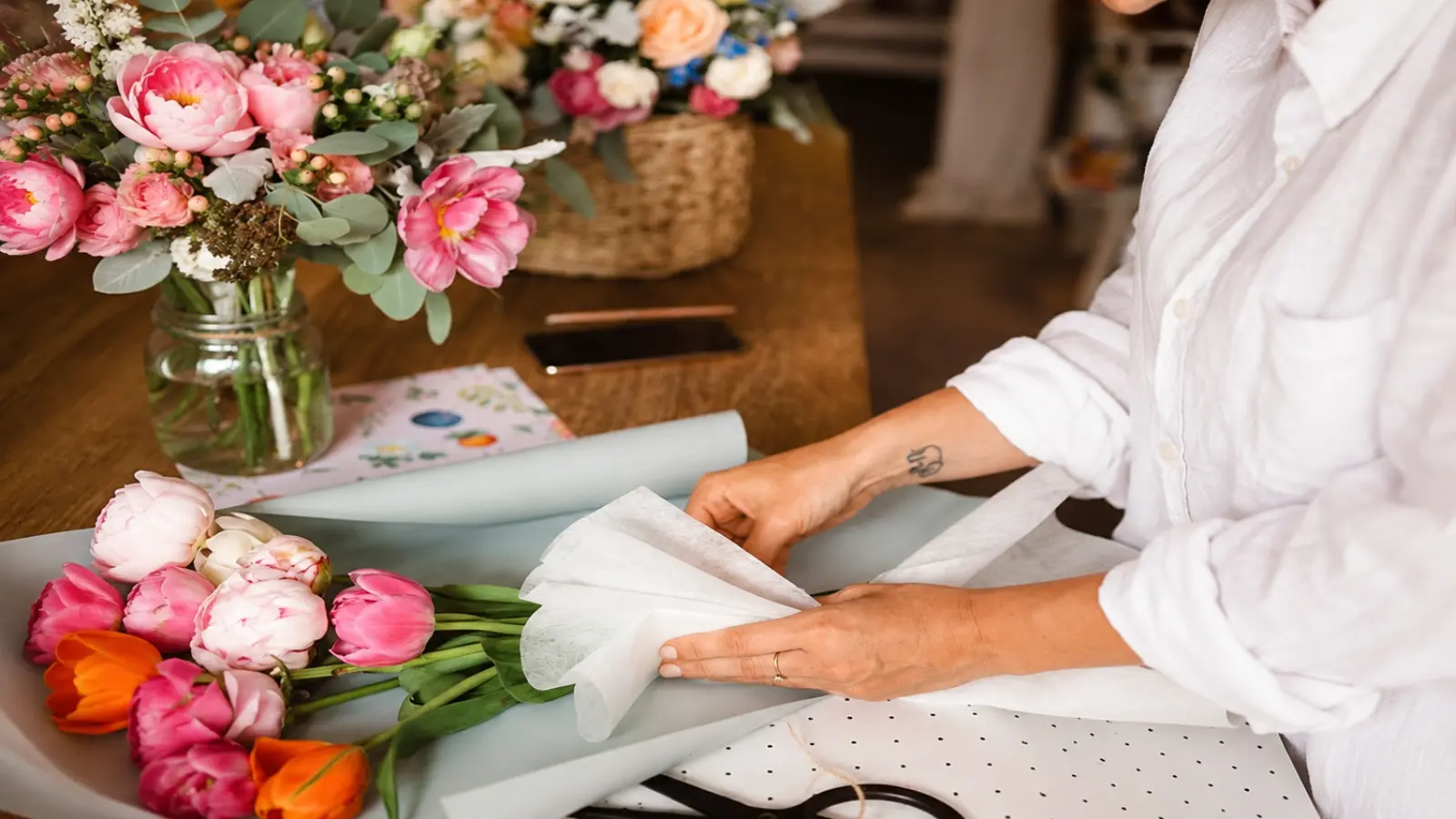
A fresh wedding bouquet is exactly what it sounds like — live, cut flowers, conditioned and assembled close to the wedding date so they’re at their best when you’re actually carrying them. The flowers are typically purchased and conditioned a few days ahead, then built into the final bouquet within 24 to 48 hours of the ceremony, either by a florist or by the bride herself.
That short window between assembly and ceremony is the defining feature of fresh bouquets, and it’s the thing every other category — artificial, dried, preserved — exists to remove. It’s also exactly what gives fresh flowers their particular quality: a softness and slight irregularity in petal shape and color that comes from the flower still being alive when you hold it. No other material fully replicates that, even the best real-touch artificial flowers.
Within “fresh,” the range of styles is essentially unlimited. Popular bridal bouquet styles include round, cascade, hand-tied, nosegay, and loose garden-style designs, all built from fresh flowers, from the same category of living material — the differences come down to flower choice, structure, and how the stems are finished, not the freshness itself.
Fresh vs. Artificial Wedding Bouquets
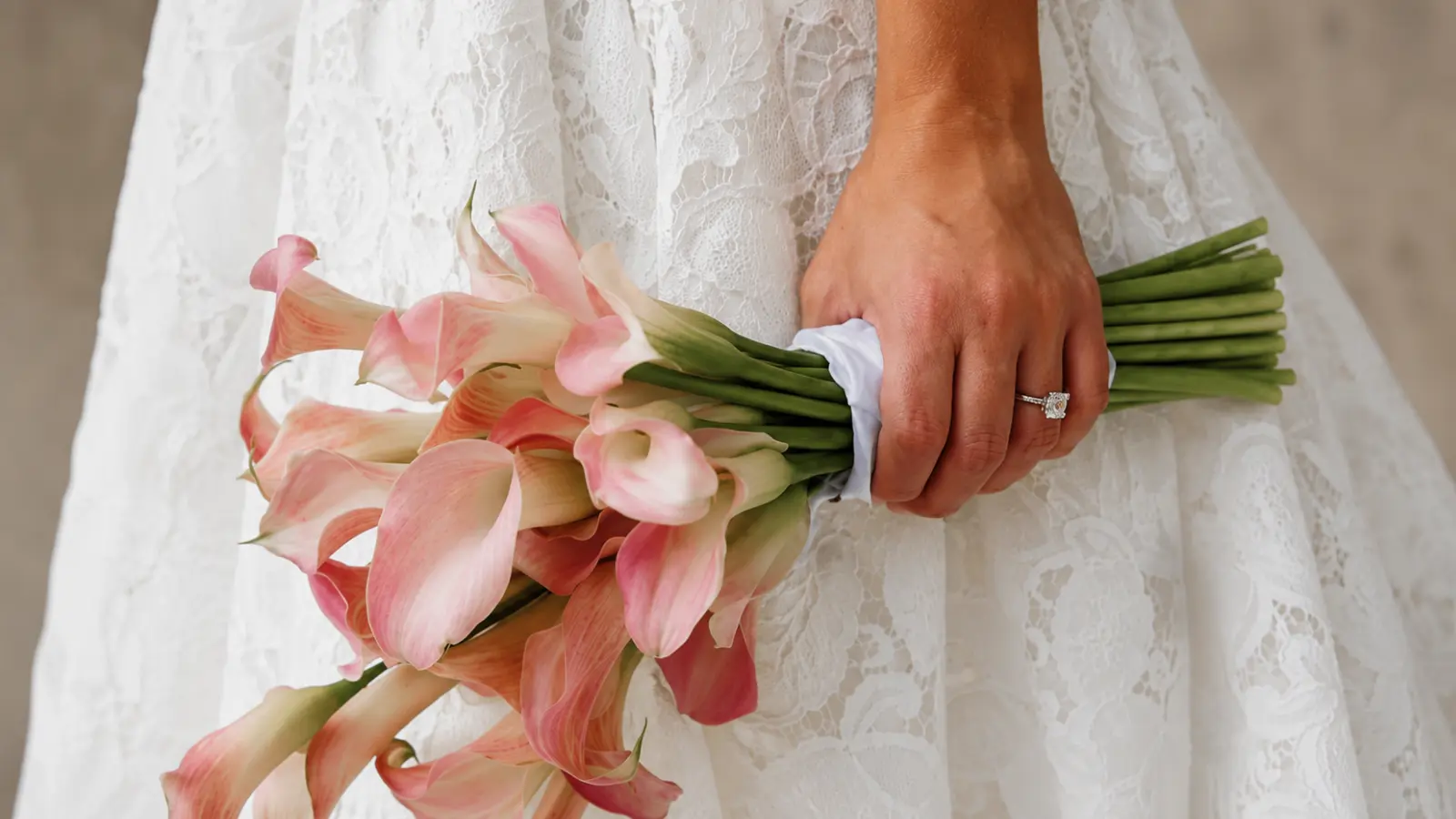
The comparison between fresh and artificial isn’t about which one is objectively better — it’s about which set of tradeoffs you’re more willing to manage. Fresh flowers ask for more attention around timing and heat; artificial flowers ask you to give up fragrance and some degree of natural texture in exchange for removing that pressure entirely.
| Factor | Fresh Bouquet | Artificial Bouquet |
|---|---|---|
| Fragrance | Present, depending on flower choice | None |
| Texture and color | Natural, slightly irregular | Convincing with real-touch, uniform with budget silk |
| Timing pressure | High — built within 24–48 hours of the ceremony | None — built weeks or months ahead |
| Heat tolerance | Varies by flower; some wilt quickly | Unaffected by heat |
| Seasonal flexibility | Limited to what’s in season or imported | Any flower, any time of year |
If fragrance and natural texture genuinely matter to you, fresh is hard to substitute for — that’s the trade artificial bouquets ask you to accept, not a flaw in artificial flowers themselves. If your priority is removing timing pressure or designing months in advance without worrying about wilting, that conversation is worth having with your florist early, since it shapes the entire planning timeline. For a deeper look at the full comparison, including cost and keepsake potential, the dedicated guide on fresh versus artificial bouquets covers it in more detail.
Best Flowers for Fresh Bridal Bouquets
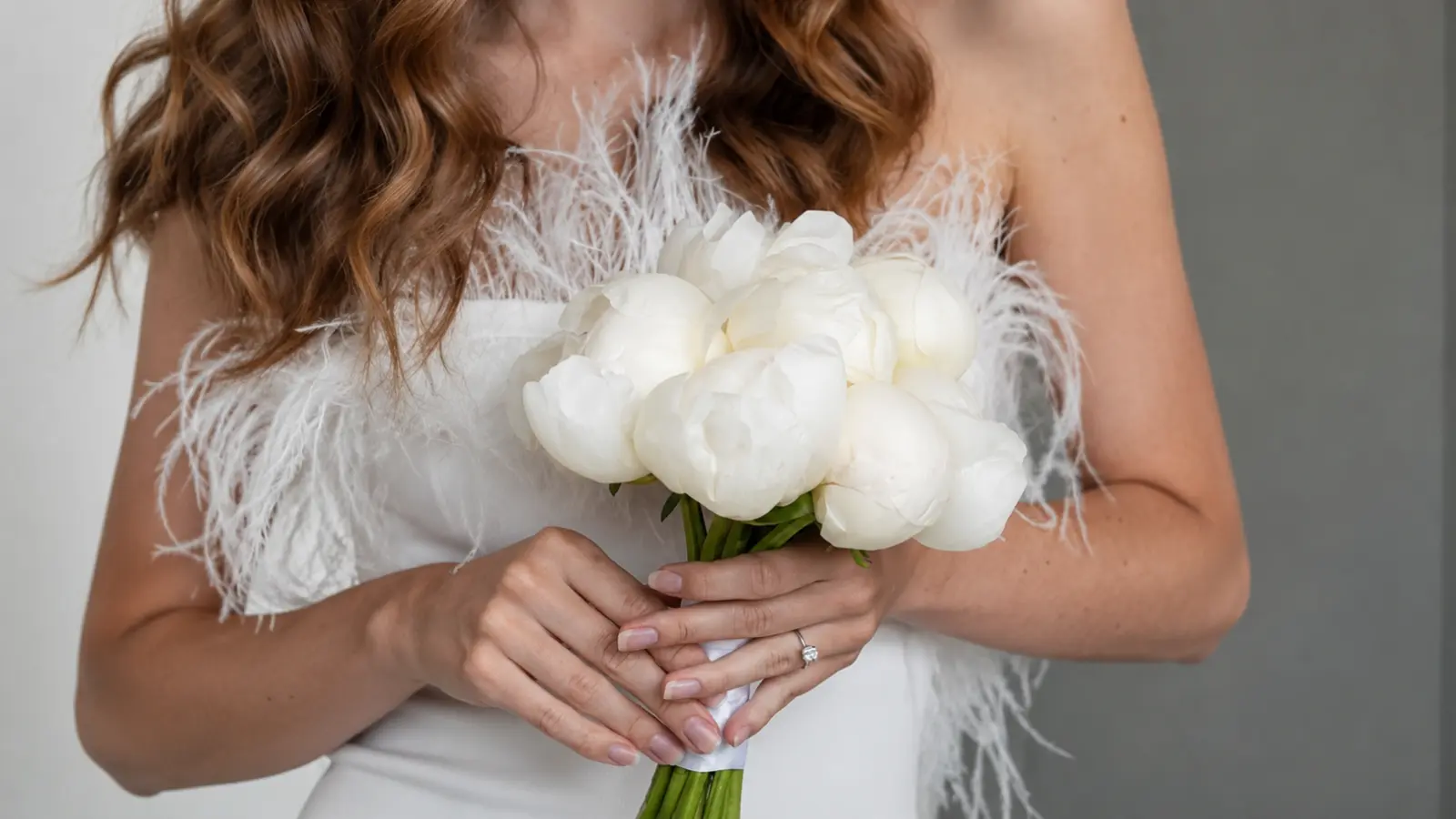
Some fresh flowers are simply more cooperative than others — they hold their shape, tolerate handling, and stay looking good for longer stretches without water. Knowing which ones fall into that category helps, especially if your ceremony involves any meaningful stretch of time outdoors or in heat.
- Roses and garden roses are dependable across nearly every condition, with a sturdy structure that holds up well through a full day of handling.
- Ranunculus offers a similar resilience with a more delicate, layered look.
- Dahlias hold their shape and color well, even with some heat exposure, which makes them a strong choice for outdoor ceremonies.
- Most greenery, eucalyptus, ferns, dusty miller, tolerates heat and handling better than flowers do, which is part of why it’s used so heavily as filler and structure.
- On the more delicate end, peonies and hydrangeas are gorgeous but soft, with high moisture content that makes them wilt faster in heat and bruise more easily under handling.
- Sweet peas and other thin-petaled blooms fall into the same category. This is especially true for delicate flowers often featured in peony wedding bouquets, which require extra care in warm outdoor conditions, and asking your florist how they’d handle that specific flower if your wedding is outdoors in warm weather.
How to Keep Fresh Bouquets From Wilting
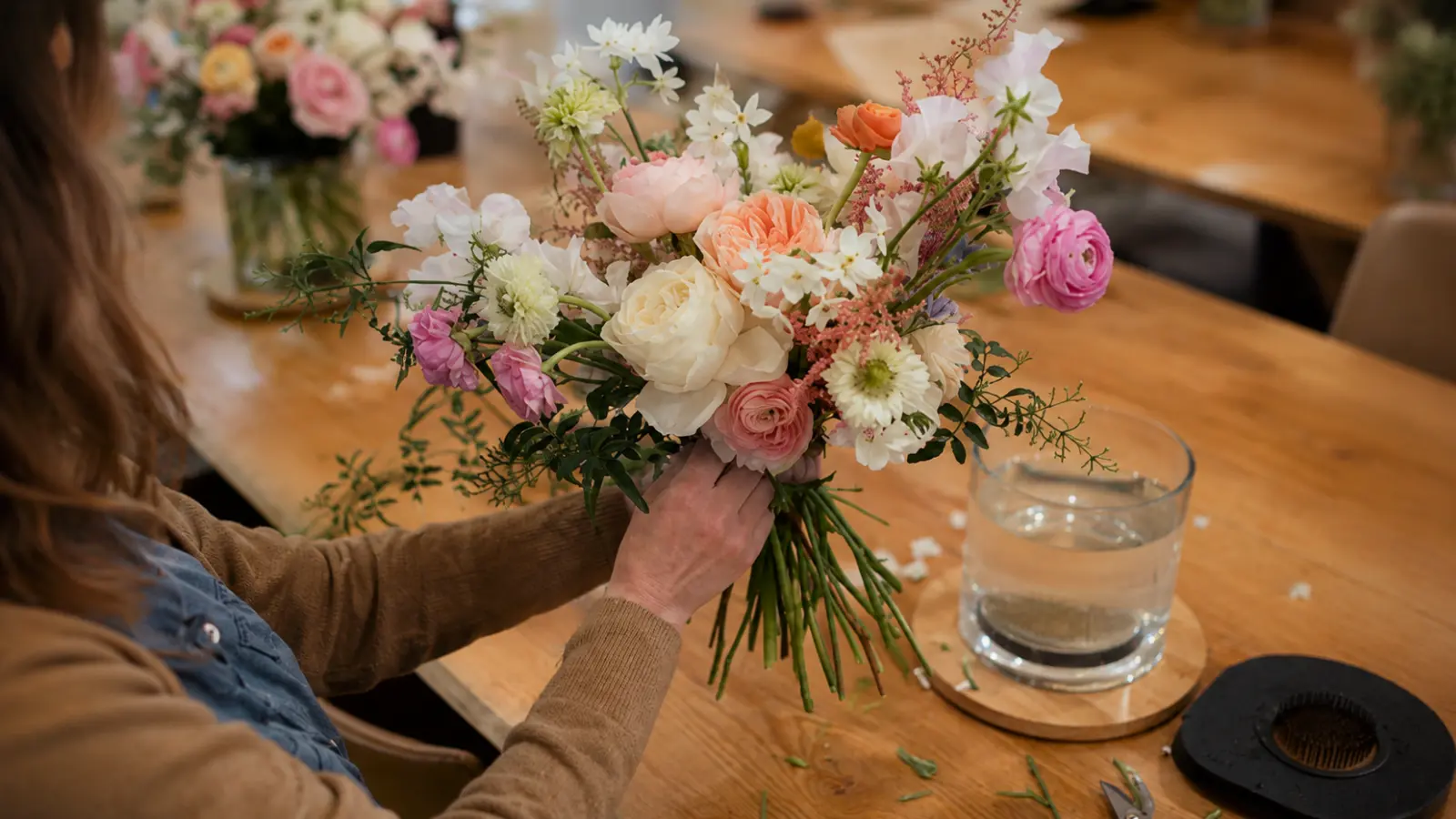
Most wilting problems on a wedding day come down to the same handful of avoidable conditions: too much time out of water, too much heat, or too much direct sun. None of these require complicated intervention — just some advance planning around timing and storage.
- Keep it in water until the last possible moment. Whether it’s a vase during getting-ready photos or a damp wrap during transport, the bouquet should be out of water for the shortest stretch your schedule allows.
- Avoid direct sunlight and heat sources. A bouquet sitting in a sunny window or near a heat vent will wilt noticeably faster than one kept in a shaded, climate-controlled space.
- Never leave it in a hot car. Even a short stretch in a parked car on a warm day can do more damage to a fresh bouquet than hours of normal handling.
- Ask about a mid-day refresh. If there’s a gap of several hours between getting-ready photos and the ceremony, a quick stem trim and fresh water can meaningfully extend how the bouquet looks for the actual vows.
- Choose heat-tolerant flowers if you’re outdoors in summer. Roses, dahlias, and ranunculus are simply more forgiving than peonies or hydrangeas if your ceremony involves any real heat exposure.
None of these steps demand much effort on the day itself — the bigger lever is having the conversation with your florist ahead of time about your specific venue and schedule, so the bouquet is built with your actual conditions in mind rather than a generic timeline.
When Should Wedding Bouquets Be Delivered?
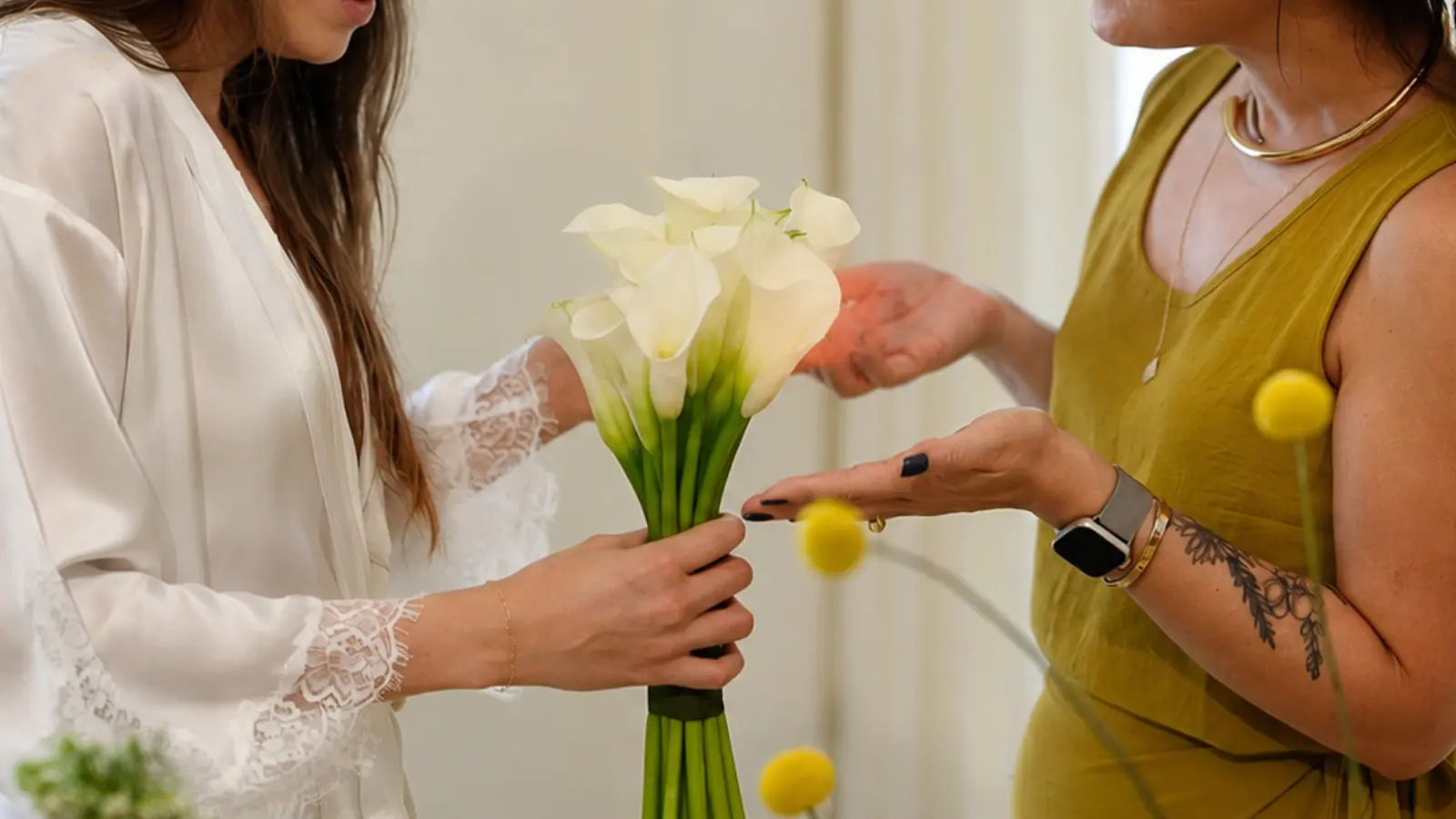
Delivery timing matters more than most brides expect, mainly because it sits at the intersection of two competing needs: getting the bouquet to you early enough for photos, and not pulling the flowers out of water any earlier than necessary.
Most florists deliver the bridal bouquet two to four hours before the ceremony, timed around when getting-ready photos typically happen. This window gives enough buffer to handle any last-minute issues — a missing stem, a ribbon that needs adjusting — without leaving the flowers sitting out of water for a long stretch beforehand. Bridesmaid bouquets and other personal flowers are usually delivered in the same window, often as part of one coordinated drop-off.
It’s worth confirming a specific delivery window with your florist about a week or two before the wedding, rather than assuming “morning of” is specific enough. Ask who the delivery contact will be on the day, what happens if the venue access is delayed, and whether there’s a backup plan if timing shifts unexpectedly. Coordinating this detail with your wedding planner or a designated point person — rather than leaving it to whoever happens to be available that morning — avoids the kind of last-minute scramble that’s entirely preventable with one clear conversation in advance.
Are Fresh Bouquets Worth It?
For most brides, the answer is genuinely yes — fresh flowers remain the default choice in weddings for reasons that go beyond tradition. Fragrance, natural texture, and an essentially unlimited color and flower range are real advantages that no substitute fully matches, and the logistics and the overall wedding bouquet cost are usually manageable with a competent florist and thoughtful planning.
Where it’s worth pausing to reconsider is in a few specific situations: destination weddings where sourcing and transporting fresh flowers becomes genuinely complicated, outdoor summer ceremonies in extreme heat where even heat-tolerant flowers face real risk, or very long engagement timelines where a bride wants to lock in her exact bouquet design many months in advance. In those cases, the conversation isn’t about fresh flowers being a worse choice — it’s about whether the specific circumstances of your wedding make the timing and heat tradeoffs harder to manage than they need to be.
Fresh Wedding Bouquet Inspiration
Discover fresh wedding bouquets featuring beautiful seasonal flowers, elegant bridal arrangements, romantic roses, garden-inspired bouquets, timeless floral designs, and inspiration for every wedding style.
Fresh Flowers Remain the Timeless Choice
Fresh wedding bouquets continue to be the most popular option because they offer something that can’t be fully recreated: the fragrance, texture, movement, and natural beauty of living flowers. While they require thoughtful planning around timing, temperature, and care, those considerations are usually small compared with the experience of carrying fresh blooms on your wedding day.
The most beautiful fresh bouquet isn’t simply the one with the most expensive flowers—it’s the one designed around the season, your venue, and the conditions of your celebration. By working with your florist, choosing flowers that suit your wedding environment, and following a few simple care guidelines, you’ll enjoy a bouquet that looks beautiful throughout the day and becomes one of the most memorable details of your celebration.
Frequently asked questions (FAQ)
Are fresh wedding bouquets worth it?
For most brides, absolutely. Fresh flowers offer natural fragrance, soft texture, subtle color variation, and a sense of movement that artificial and dried bouquets cannot fully replicate. While they require more planning around timing and weather, they remain the preferred choice for couples who want the most authentic floral experience on their wedding day.
What is a fresh wedding bouquet?
A fresh wedding bouquet is created with live, cut flowers that are conditioned before the wedding and arranged shortly before the ceremony, usually within 24 to 48 hours. Unlike artificial or dried bouquets, fresh flowers continue to change naturally over time, making proper handling, hydration, and delivery timing essential to keeping the bouquet at its best.
How do you keep a fresh wedding bouquet from wilting?
Keep the bouquet in water or a damp wrap until just before the ceremony, store it in a cool location away from direct sunlight, and never leave it inside a hot vehicle. If your schedule includes several hours between getting-ready photos and the ceremony, ask your florist whether the bouquet can be refreshed with fresh water and trimmed stems before you walk down the aisle.
What flowers hold up best in heat for a wedding bouquet?
Garden roses, standard roses, ranunculus, dahlias, orchids, and most greenery tolerate warm weather better than delicate flowers such as hydrangeas, peonies, and sweet peas. For outdoor summer weddings, choosing flowers with naturally stronger stems and petals significantly improves how the bouquet looks throughout the day.
When should a wedding bouquet be delivered?
Most florists deliver fresh bouquets approximately two to four hours before the ceremony so the flowers remain hydrated while still being available for getting-ready photographs. Confirming a specific delivery window, venue access instructions, and a designated contact person before the wedding helps avoid unnecessary stress on the day itself.
Can you preserve a fresh wedding bouquet after the wedding?
Yes. Fresh bouquets can be preserved through air drying, silica drying, pressing, freeze drying, or resin preservation, depending on the flowers and the final keepsake you want. If preservation is important, speak with a preservation specialist before the wedding so the bouquet can be processed while the flowers are still in their best condition.