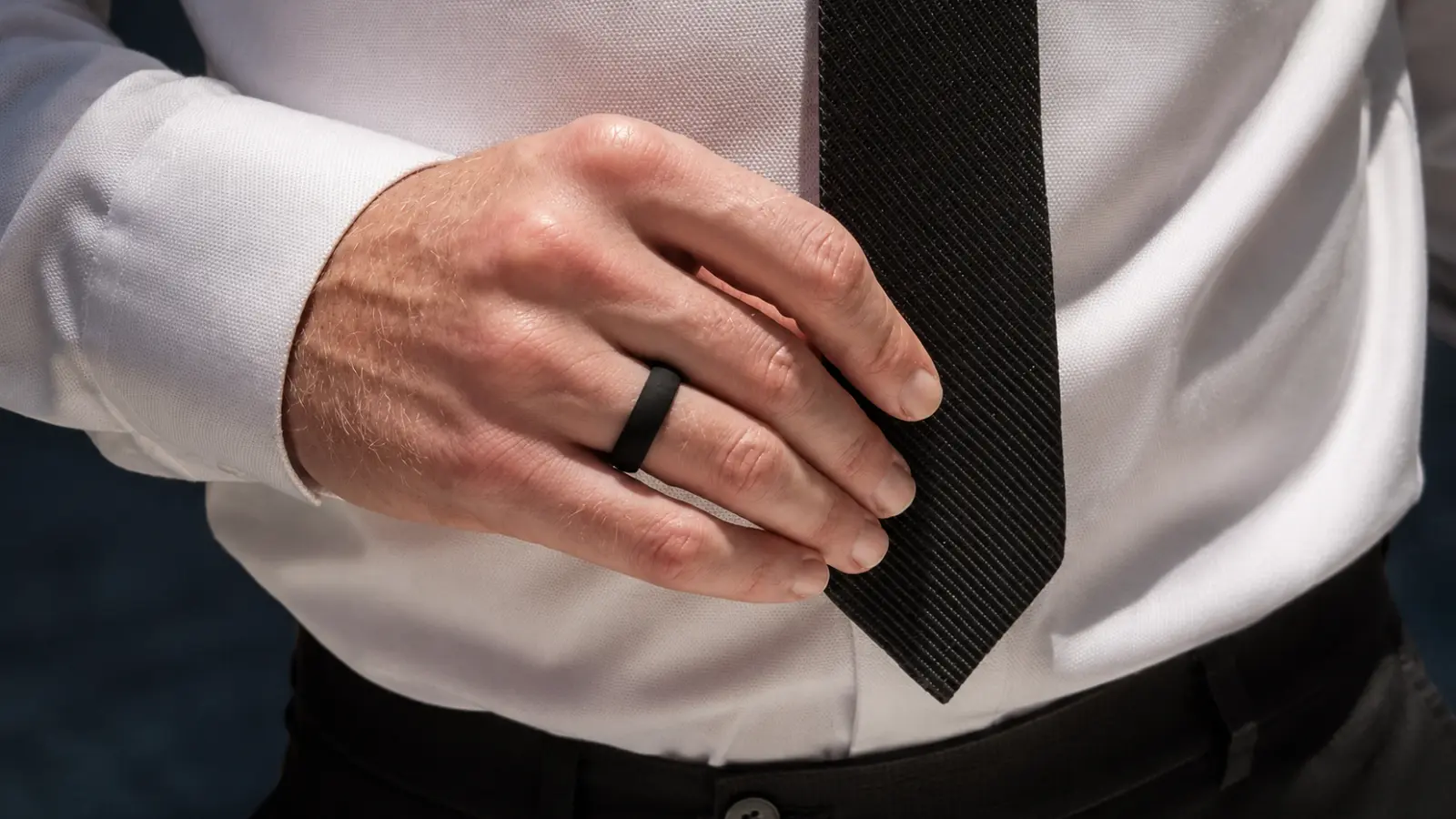
Men’s silicone wedding bands are flexible wedding rings made from silicone and designed as a lightweight, practical alternative to traditional metal bands. They are commonly used for work, workouts, travel, and situations where wearing gold, platinum, or other metal rings may be uncomfortable or unsafe.
For many men, a silicone wedding band is not about replacing the meaning of a traditional ring — it is about having a wedding ring that fits different parts of everyday life. A silicone band can provide comfort, flexibility, and peace of mind during activities where a metal ring is not the best option.
This guide explains men’s silicone wedding bands, including when they make sense, silicone vs rubber differences, gym and work uses, safety considerations, durability, and whether a silicone ring can replace a metal wedding band.
What Are Silicone Wedding Bands?
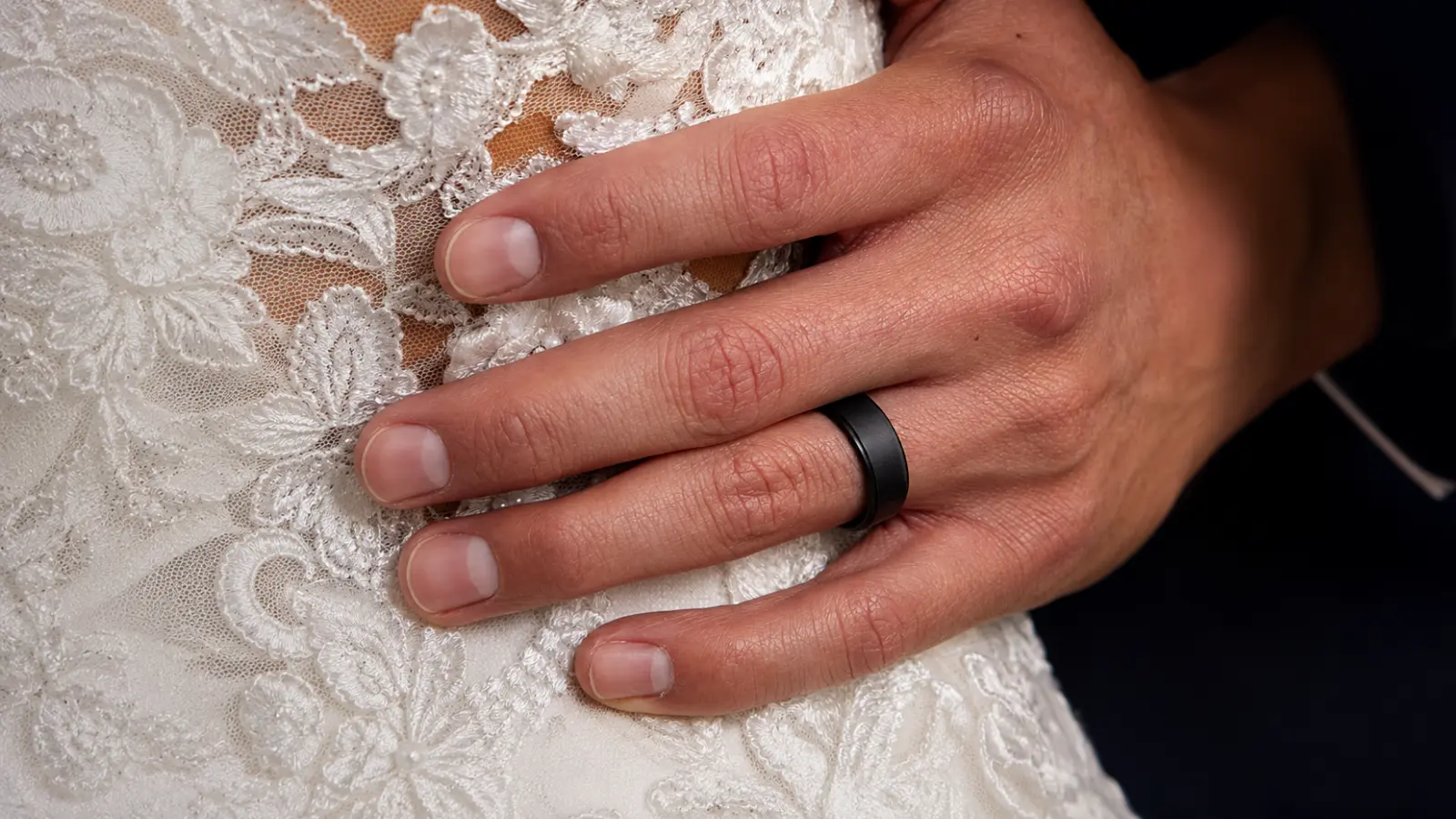
A silicone wedding band is a ring made from silicone rubber — a synthetic material valued for being flexible, lightweight, heat-resistant, and non-conductive — shaped and finished to resemble a simple metal band. Most are solid in color (black and gray are the most common for men’s styles), with a rounded or beveled profile that mimics the silhouette of a traditional ring.
The defining quality of silicone as a ring material is that it behaves nothing like metal under stress. A metal ring caught on something will not give — the finger absorbs the force, which is how ring-related injuries happen. A silicone band, by contrast, stretches, and many are specifically designed to tear or slip off before that force reaches the finger. This single property is the foundation for almost every reason silicone bands exist as a category.
Common Features Across Silicone Wedding Bands
Silicone bands vary quite a bit in design, but a few features come up consistently across the category and are worth understanding before buying:
- Breakaway or stretch design. Many bands marketed for active use include a designed weak point or overall stretch capacity intended to let the band release under enough pressure, rather than constrict around the finger.
- Textured or faceted finishes. While early silicone bands were often plain and rounded, many current designs include brushed-look textures, faceted edges, or two-tone combinations that more closely resemble brushed metal or carbon fiber from a short distance.
- Breathable or perforated designs. Some bands include small ventilation channels or a slightly more open structure, intended to reduce moisture buildup during extended wear — relevant for gym use or hot environments.
- Forgiving sizing. Silicone bands are generally sized similarly to metal rings, though the material’s flexibility means sizing is somewhat more forgiving — a band one size off will often still fit comfortably, which is part of why multi-packs across a couple of sizes are common.
For how silicone fits into the broader landscape of men’s wedding ring materials — including metals like titanium and tungsten that are sometimes chosen for similar practical reasons — the men’s wedding bands guide covers the full range.
Who Should Wear a Silicone Wedding Band?
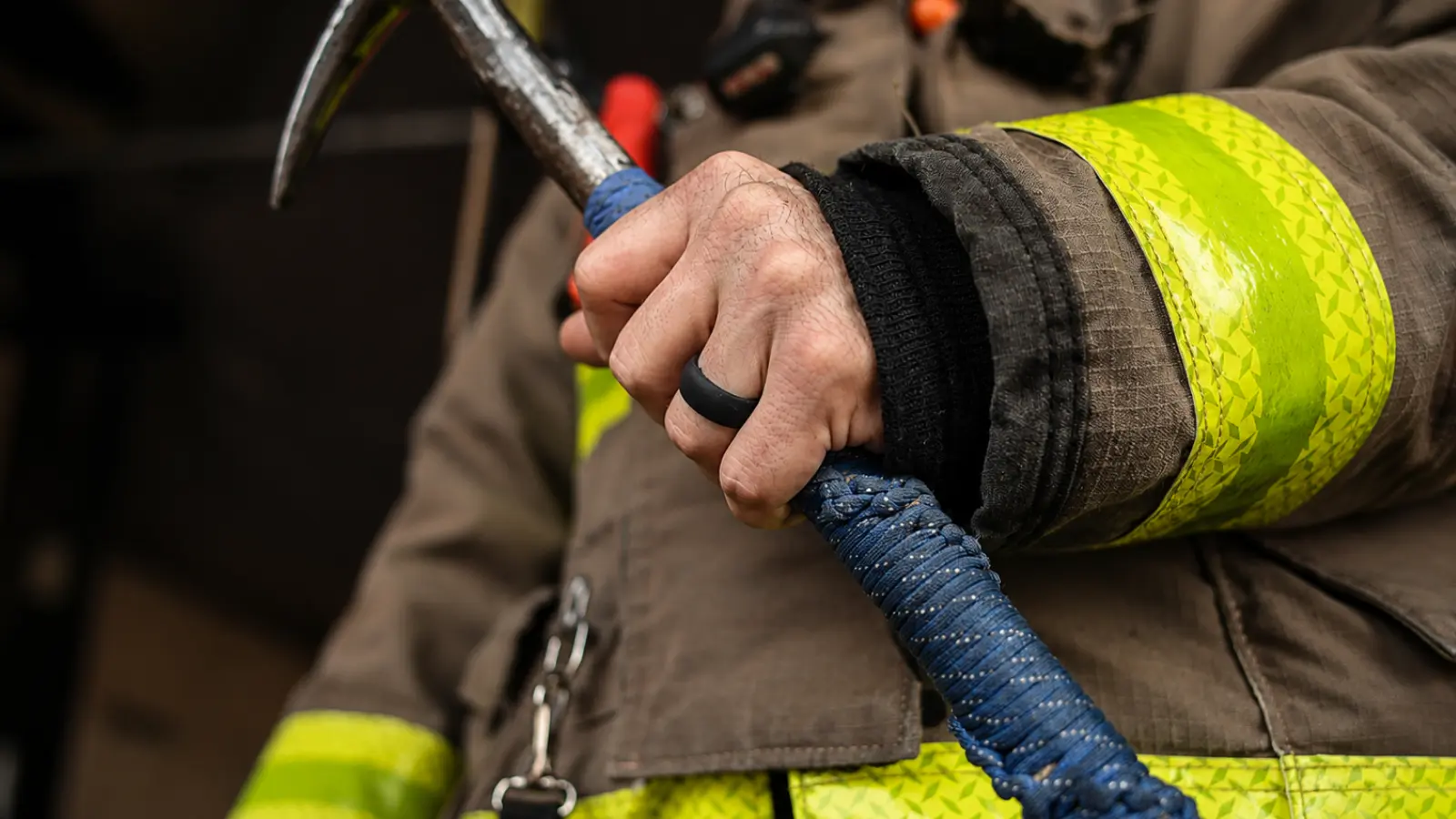
The honest framing for this question is less “who should” and more “who tends to find one genuinely useful” — because a silicone band is not an upgrade or a downgrade from a metal ring, it’s a different tool for different circumstances. The people who get the most value from silicone bands tend to share one thing: an activity or environment where a metal ring introduces real risk or impracticality that a silicone band removes.
Occupations Where Silicone Bands Are Commonly Used
Certain work environments make a metal ring a legitimate safety concern rather than just an inconvenience. These are the occupations where silicone bands show up most consistently:
- Electrical work. Metal rings conduct electricity, and a ring in contact with a live circuit can cause severe burns or worse. Electricians and others who regularly work around electrical systems are among the groups for whom a non-conductive ring is a meaningful safety consideration, not just a preference.
- Mechanical and industrial trades. Mechanics, machinists, and others who work with moving machinery face a different risk: a metal ring can catch on equipment, and the force involved in industrial machinery is significant enough that ring avulsion injuries — where a caught ring degloaves or severs a finger — are a documented occupational hazard. A silicone band that releases under far less force reduces this risk considerably.
- Healthcare. Many healthcare workers remove jewelry before scrubbing in for procedures or during certain patient-care tasks, both for infection control and practical reasons. A silicone band offers a way to wear something on the hand during a shift without the concerns that come with a metal ring in a clinical setting.
- Food service and handling. Similar to healthcare, many food service environments have policies around hand jewelry for hygiene reasons. Silicone bands are often permitted where metal rings are restricted, since food-grade silicone is designed with this kind of use in mind.
Lifestyle Situations Where Silicone Bands Tend to Fit Naturally
Beyond work settings, a few recurring lifestyle scenarios push people toward a silicone band even if their job doesn’t require one:
- Frequent gym-goers and athletes. Weightlifting in particular puts unusual pressure on fingers — a ring under a barbell, or caught on a pull-up bar, can cause real injury. A silicone band removes that specific risk while still letting someone wear something that represents their wedding ring during a workout.
- Outdoor and adventure activities. Hiking, climbing, and water sports often involve grip-intensive movement and exposure to water, mud, or rough surfaces — conditions where a metal ring can be uncomfortable, damaged, or genuinely lost if it slips off.
- Frequent travelers. Some people prefer not to travel with a valuable metal ring, particularly when heading somewhere that involves swimming, physical activity, or simply a preference for fewer valuable items to track. A silicone band keeps the habit of wearing a ring intact without the associated concern.
- Temporary fit changes. Weight fluctuations, pregnancy-related swelling, or post-surgical swelling can make a metal band uncomfortable or impossible to wear for a period. Silicone’s flexibility accommodates a wider range of finger sizes than a fixed metal band would.
The common thread across all of these is that the silicone band isn’t replacing the meaning of the metal ring — it’s stepping in for the moments when the metal ring simply doesn’t fit the moment.
Silicone vs. Rubber Wedding Rings
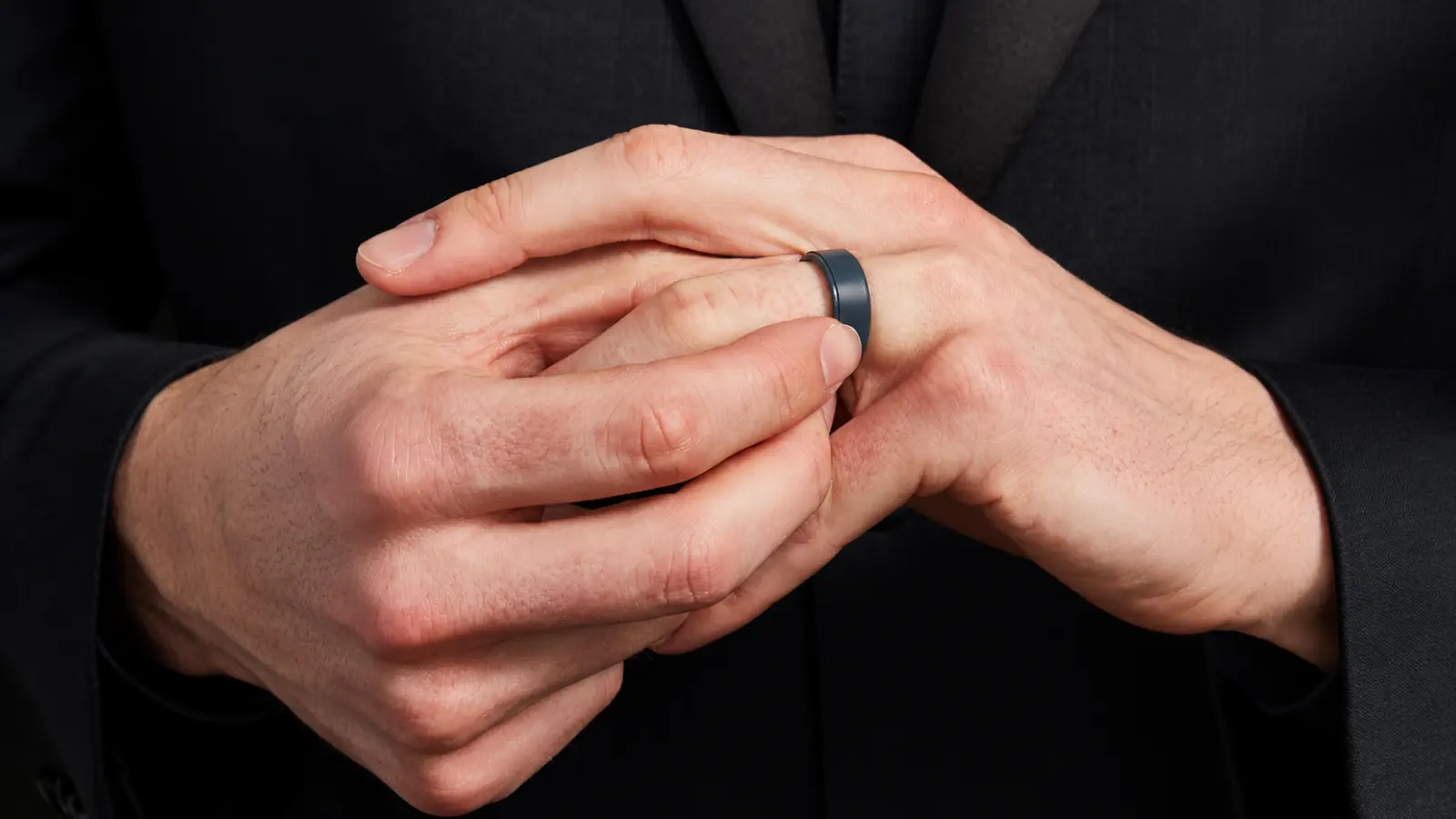
“Silicone” and “rubber” are sometimes used interchangeably in casual conversation, but they’re different materials with meaningfully different performance — and the difference matters more for a ring worn daily and exposed to sweat, sunlight, and friction than it might for other products.
What Sets Silicone Apart
Silicone is a synthetic polymer built around a silicon-oxygen backbone, which gives it notable resistance to heat, UV exposure, and chemical breakdown compared to natural or synthetic rubber. In practical terms, a silicone band tends to hold its shape, color, and surface texture longer under the kind of repeated exposure a wedding band experiences: sweat during workouts, sun during outdoor work, and regular contact with soaps, sanitizers, and cleaning products.
Silicone is also generally hypoallergenic and is the material used in many medical and food-contact applications precisely because it doesn’t react with skin or break down into substances that could cause irritation. This is part of why it’s become the default material for this category of ring, even when products are colloquially called “rubber wedding bands.”
Where Rubber Falls Short by Comparison
Rubber — particularly latex-based rubber — has two issues that matter for a ring worn continuously. First, it degrades faster under UV and heat exposure, becoming brittle or tacky over time in ways that silicone resists better. Second, latex is a known allergen for a meaningful portion of the population, and a ring in constant skin contact is exactly the kind of exposure that can trigger a reaction.
Most products sold specifically as “silicone wedding rings” are genuinely silicone — the terminology has become fairly standardized in this product category. But because “rubber” sometimes appears as a looser descriptive term, it’s worth checking the actual material listed in a product description, particularly for anyone with latex sensitivities or anyone planning to wear the band in conditions where material degradation would matter.
| Factor | Silicone | Rubber (incl. latex-based) |
|---|---|---|
| Heat resistance | High — holds shape under heat exposure | Lower — can soften or distort with repeated heat exposure |
| UV / sunlight durability | Generally resistant to UV degradation | Can become brittle or discolored with sun exposure over time |
| Allergy considerations | Generally hypoallergenic | Latex-based rubber is a known allergen for some wearers |
| Chemical exposure (sweat, sanitizer, soap) | Holds up well to repeated exposure | Can degrade faster with frequent chemical contact |
| Typical use in this product category | The standard material for most “silicone wedding bands” | Less common; worth confirming material specs if labeled loosely |
If durability and skin safety are priorities — which they tend to be for a ring worn daily — silicone is the more reliable choice. The table above makes the differences concrete, but the short version is: if a product doesn’t confirm it’s silicone, it may not offer the same longevity or allergy profile.
Best Uses for Silicone Wedding Bands
Beyond the broad categories of who tends to wear silicone bands, it helps to look at the specific situations where they’re most commonly chosen — because these scenarios recur across very different lifestyles, and recognizing them can clarify whether a silicone band would solve a real problem or just sit in a drawer.
Manual Work with Machinery or Tools
Any task that involves gripping, operating, or working near moving machinery — power tools, manufacturing equipment, vehicle maintenance — creates a scenario where a metal ring can catch. The combination of a rigid metal band and moving machinery is the classic setup for the kind of ring-related injuries that occupational safety guidance specifically addresses. A silicone band that releases under pressure removes this specific risk during these tasks.
Gym Sessions, Especially Weightlifting
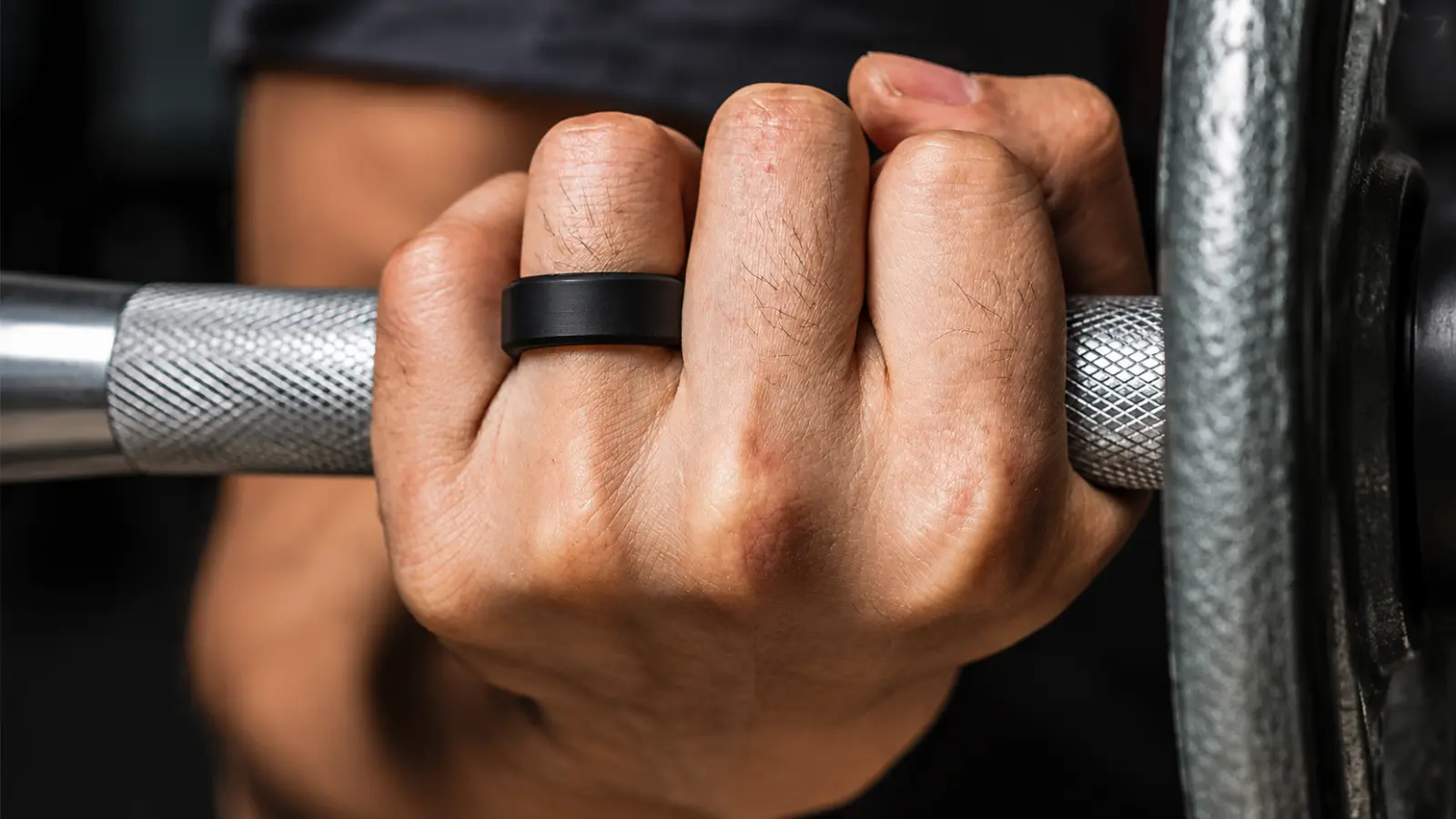
This is one of the most commonly cited reasons for owning a silicone band even among men who otherwise wear a metal ring full-time. Barbell work, pull-ups, and similar exercises put direct pressure on the fingers in ways that everyday activities don’t, and a metal ring can be uncomfortable at best and injurious at worst under that kind of load. Many men keep a silicone band specifically for the gym and switch back to their metal ring afterward — a small habit that becomes automatic within a few weeks.
Swimming and Water Sports
A metal ring can slip off in cold water — fingers contract, and a ring that fits perfectly on dry land can come loose enough to be lost in a pool, lake, or ocean. A silicone band’s grip and flexibility make it far less likely to slip off, and if it does come off, the cost of replacing it is negligible compared to losing a metal ring.
Travel
For travel specifically, the appeal of a silicone band isn’t really about activity — it’s about risk tolerance for the item itself. Some people simply prefer not to have a valuable ring on their hand in unfamiliar environments, during airport security, or while doing the kind of physical activities that often happen on trips. A silicone band can work as a practical travel wedding ring throughout a trip without that low-level concern in the background.
Temporary Situations
Pregnancy-related swelling, post-surgical swelling, weight changes, or any other temporary change in ring size can make a metal ring uncomfortable or impossible to wear for a period. Rather than going without a ring entirely, many people use a silicone band — sized slightly larger, or simply more forgiving due to its flexibility — as a placeholder until the metal ring fits again.
Can Silicone Replace a Metal Wedding Band?
This is the question that tends to carry the most weight emotionally, because for many people, a wedding ring is one of the most symbolically loaded objects they own — and the idea of that symbol being made of silicone instead of gold can feel like it changes something. It’s worth separating the practical question from the symbolic one, because they have different answers.
The Practical Answer
Practically, yes — a silicone band can function as someone’s only wedding ring indefinitely. There’s no functional requirement that a wedding ring be made of metal, cost a certain amount, or last a certain number of years. Some people wear a silicone band full-time by choice: their work or lifestyle makes a metal ring impractical often enough that they’ve decided not to bother with two rings, and the silicone band is simply their wedding ring, full stop.
The Symbolic Answer
Symbolically, the answer depends entirely on what the wearer associates the symbolism with. If the meaning of a wedding ring comes from the act of wearing something that represents the marriage — regardless of material — then a silicone band carries exactly the same weight as a platinum one. If part of the meaning is tied to the permanence of metal, the weight of a “real” ring, or the tradition of an object that could be passed down, then silicone is unlikely to fully satisfy that, and it tends to work better as a situational tool alongside a metal ring that carries that symbolic weight.
Neither position is more correct than the other — they reflect genuinely different relationships to what a wedding ring is for. The practical recommendation is to be honest about which camp you’re in before deciding whether silicone is a replacement or a supplement, because expecting a silicone band to serve as a meaningful heirloom tends to produce disappointment that has nothing to do with the band itself.
What Most People Actually Land On
In practice, a large portion of silicone band owners use them as a supplement rather than a replacement — a second band kept specifically for situations where the metal ring doesn’t make sense, while the metal ring remains the primary ring for daily life. This middle path tends to satisfy both the practical need and the symbolic attachment without requiring a choice between them. The cost of a silicone band is low enough that owning one as a backup, even if it’s rarely used, isn’t a meaningful expense.
When to Wear Silicone Instead of Metal
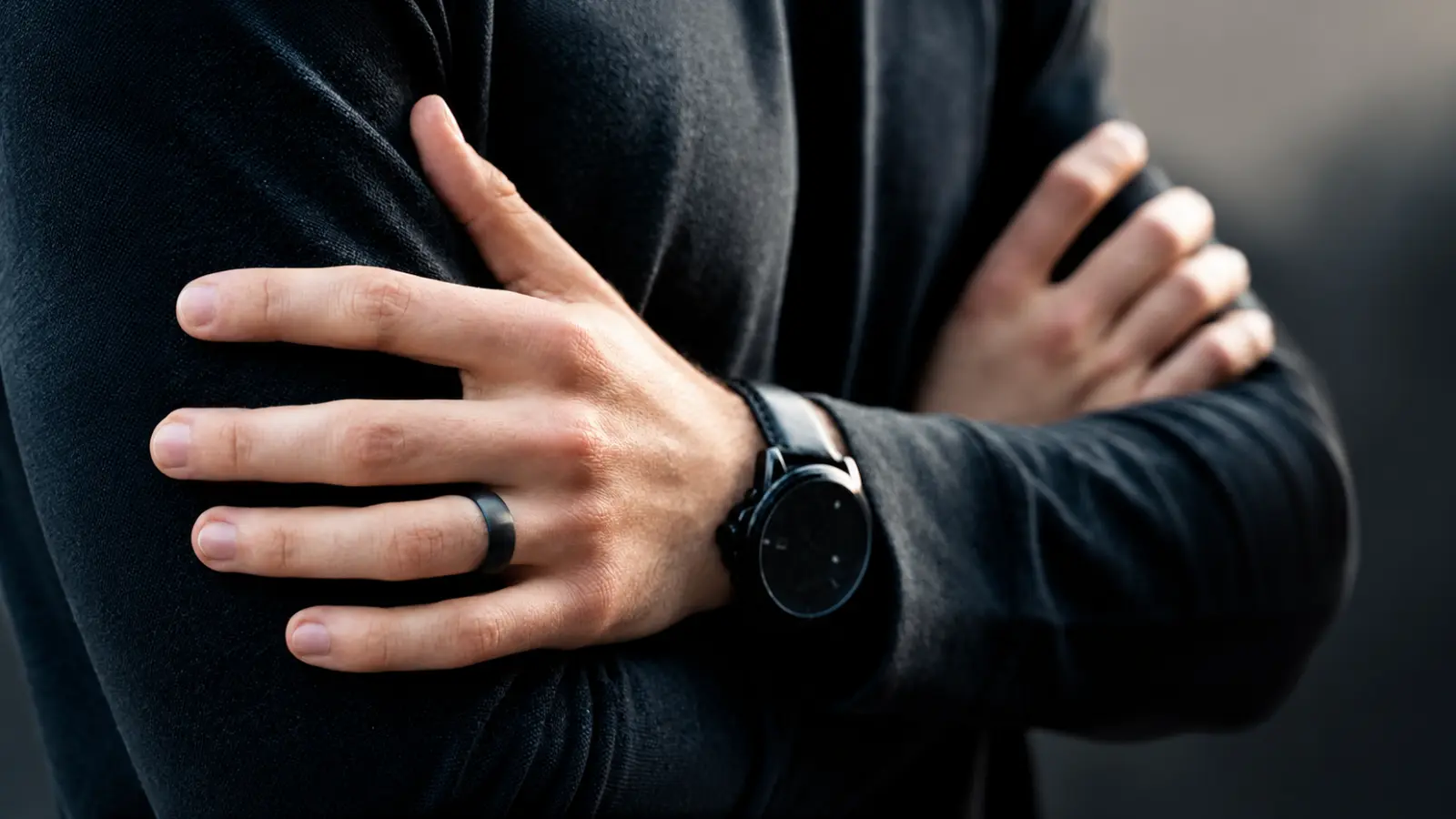
For people who keep both a metal band and a silicone one, the question becomes practical: when does the switch actually happen? A few patterns tend to cover most of the situations that come up.
| Situation | Why Silicone Tends to Make Sense Here |
|---|---|
| Working with electrical systems | Non-conductive material removes a real shock and burn risk that metal introduces |
| Operating machinery or power tools | A band designed to release under pressure reduces the risk of catching and ring avulsion injury |
| Weightlifting or grip-intensive workouts | Removes direct pressure risk to the finger under load; comfortable enough not to think about |
| Swimming or water sports | Far less likely to slip off in cold water; low replacement cost if it does |
| Travel involving physical activity | Removes the background concern of losing or damaging a valuable item |
| Healthcare or food handling shifts | Complies with hand-jewelry policies that often restrict metal but allow silicone |
| Temporary swelling or fit changes | More forgiving fit accommodates short-term size changes without needing a resize |
Outside of these situations — ordinary daily life, office work, social occasions — most people who own both simply wear their metal band, with the silicone one staying in a gym bag, toiletry kit, or car console until one of the above scenarios comes up. The switch tends to become automatic quickly: the same way someone might grab a different jacket for the gym without thinking about it, swapping to a silicone band before a workout or a work shift becomes part of the routine rather than a decision made each time.
One detail worth planning for: if the metal band comes off for these situations, it needs a consistent place to go. The most common failure mode with silicone bands isn’t the band itself — it’s a metal wedding ring left in a gym locker, a tool pouch, or a hotel bathroom because there was no established habit for where it goes when it’s not on the hand. A small dish by the door, a zippered pocket in a gym bag, or any consistent spot solves this more reliably than trying to remember case by case.
Men’s Silicone Wedding Band Inspiration
Men’s silicone wedding bands are designed for active lifestyles, practical routines, and situations where a traditional metal ring may not be the best fit. Explore our inspiration board for black silicone bands, gym-friendly rings, work wedding bands, and simple everyday styles.
Choosing a Wedding Band That Fits Your Life
A silicone wedding band is not about replacing the value of a traditional ring — it is about choosing the right ring for the right moment. Work, exercise, travel, and everyday routines can all create situations where comfort and practicality matter.
Whether a silicone band becomes your everyday wedding ring or simply the one you wear when a metal band does not make sense, the most important part remains the same: choosing something that represents your marriage and fits the life you actually live.
Frequently asked questions (FAQ)
What are the best silicone wedding bands for men?
The best silicone wedding bands for men are comfortable, flexible, durable, and designed for the situations where a metal ring may not be practical. Many men choose silicone bands for work, exercise, travel, or active lifestyles. The right option depends on fit, thickness, flexibility, design, and how often the band will replace a traditional metal wedding ring.
Are silicone wedding bands worth it?
Yes, silicone wedding bands can be worth it for people who need a safer or more practical alternative to a metal ring. They are especially useful for workouts, manual jobs, outdoor activities, and situations where damaging or losing a valuable ring is a concern. Their value comes from convenience and safety rather than luxury materials.
Who should wear a silicone wedding band?
Silicone wedding bands are especially useful for people whose jobs, hobbies, or daily routines make metal rings uncomfortable or risky. They are commonly chosen by people who work with tools, machinery, electrical equipment, healthcare settings, fitness activities, or frequent travel.
Can a silicone wedding band replace a metal wedding ring?
Yes. Some people wear a silicone wedding band as their only wedding ring, while others use it as a backup for specific situations. The meaning of a wedding ring comes from what it represents, not the material itself. However, people who value the tradition, weight, or long-term durability of metal may prefer silicone as a secondary ring.
Is silicone better than metal for a wedding band?
Silicone is not better than metal in every situation — it solves different problems. Silicone bands are lightweight, flexible, and practical for certain activities, while metal bands offer durability, tradition, and a more permanent jewelry feel. Many people own both and switch depending on the situation.
Are silicone wedding bands good for the gym?
Yes. Silicone wedding bands are popular for gym use because they are flexible, lightweight, and more comfortable during activities like weightlifting. A silicone band can reduce concerns about scratching a metal ring or having a rigid ring pressed against equipment.