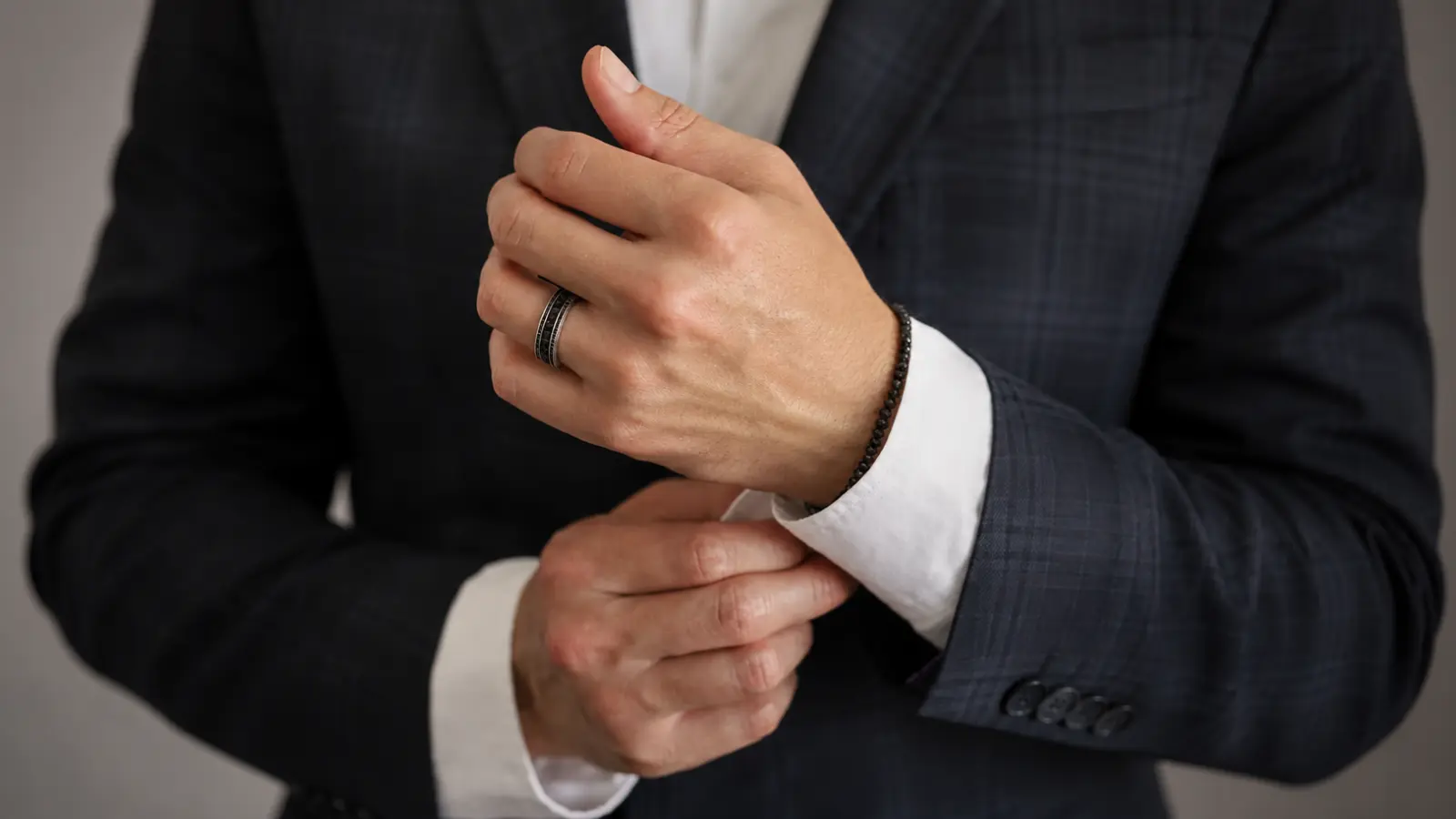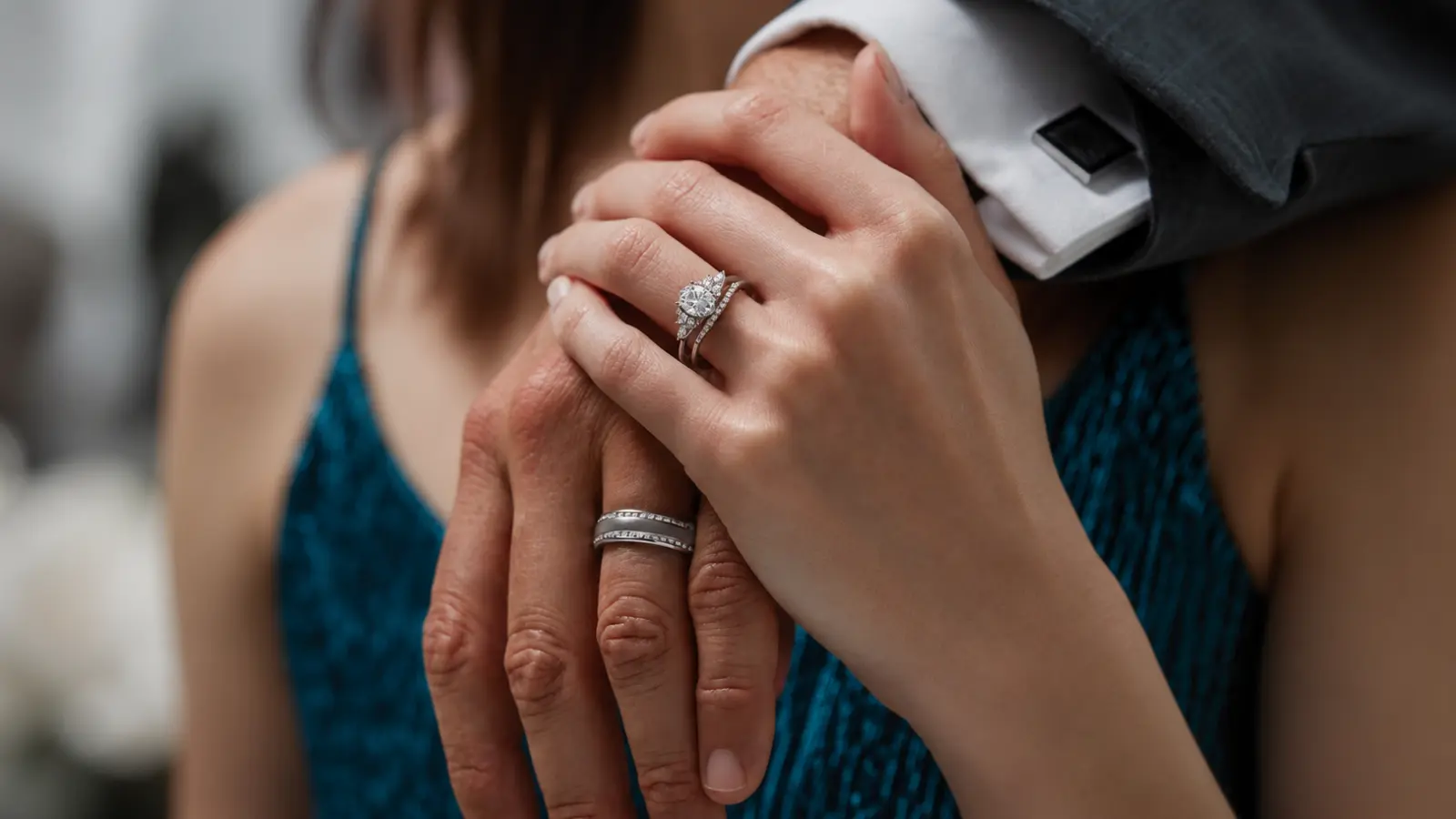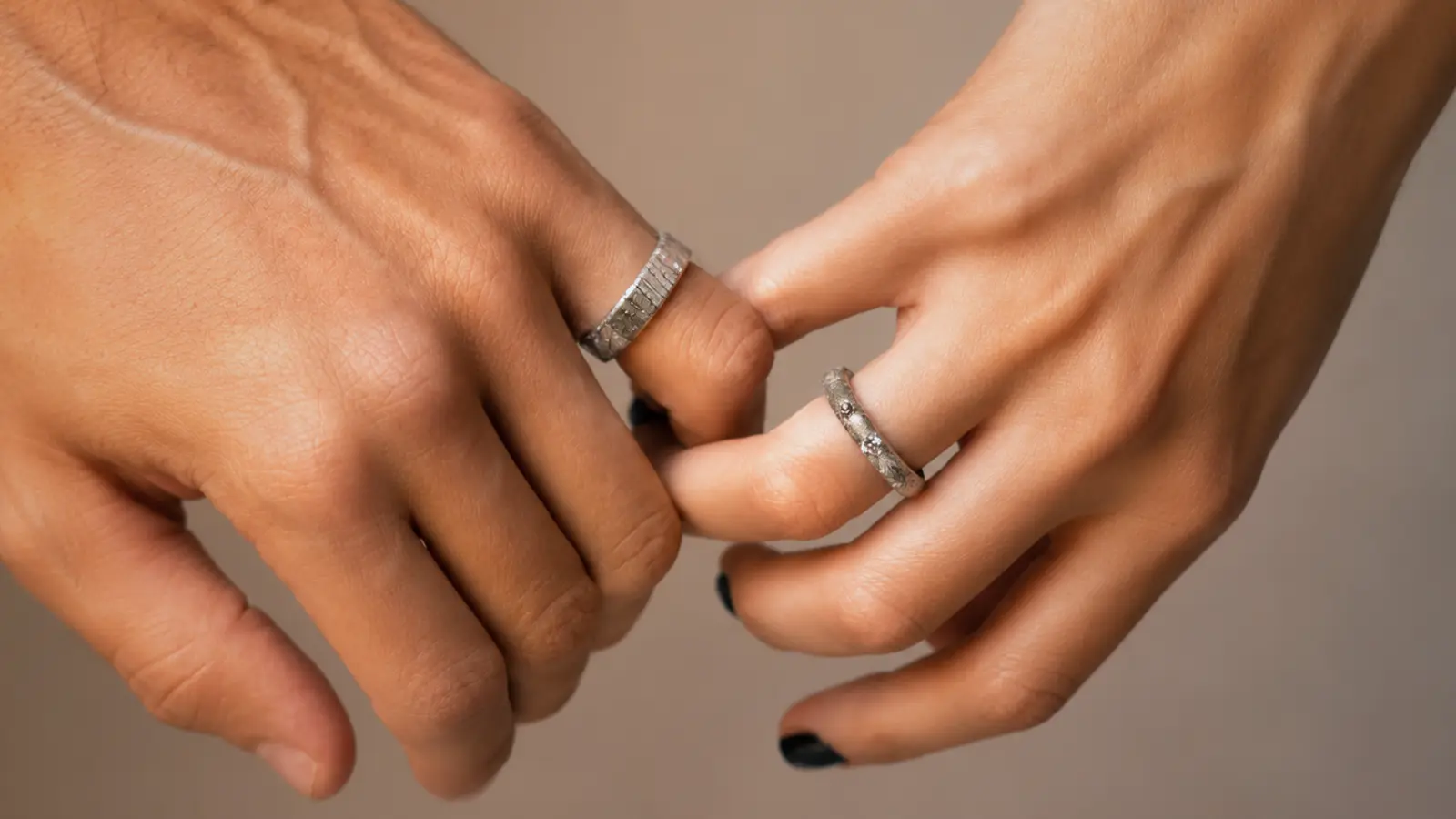
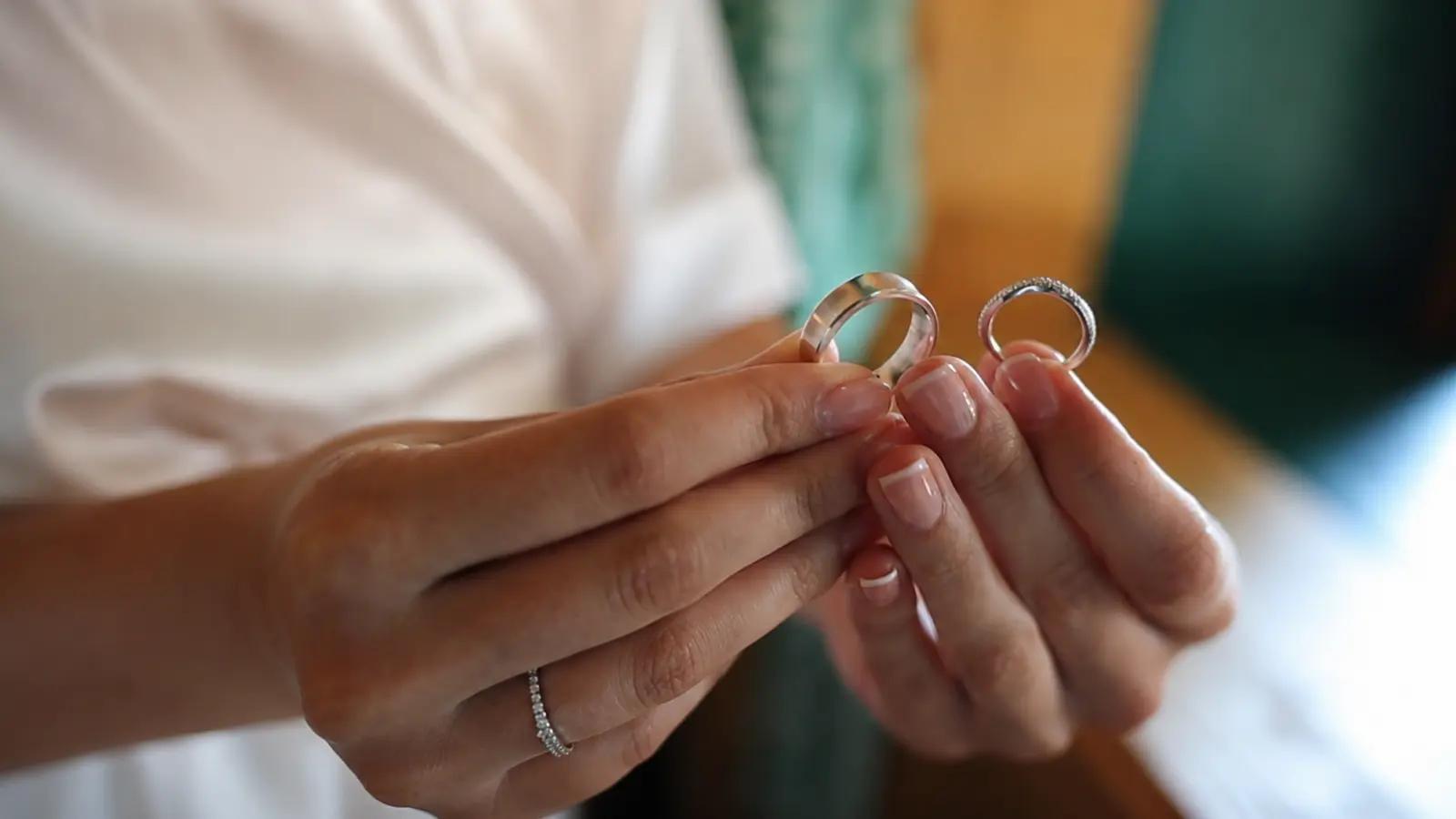
Silver wedding rings are wedding rings typically made from sterling silver, a jewelry alloy containing 92.5% silver and 7.5% other metals that creates a brighter and more wearable version of pure silver. Known for their cool color, affordability, and classic appearance, silver rings offer a beautiful option — but they also require more care than many other wedding ring metals.
Silver attracts many couples because it offers the look and feel of a real precious metal at a much lower price than gold or platinum. The important difference is understanding how silver behaves over time, including scratches, tarnish, maintenance, and whether it matches the way you plan to wear your ring every day.
This guide explains silver wedding rings, including sterling silver, durability, tarnishing, silver vs white gold, pros and cons, care tips, options for women and men, and how silver compares with other wedding rings and wedding bands.
Are Silver Wedding Rings a Good Idea?
The honest answer is: it depends on how you plan to wear the ring and what you expect from it over time. Silver is a genuinely lovely metal — bright, cool-white, and polished in ways that look intentional on the hand. For couples who want the look and feel of a real metal wedding ring without spending several hundred dollars, silver is the most affordable real option available.
The trade-off is durability. Silver is a soft metal that scratches in the course of ordinary daily wear — from keys in a pocket, from surfaces at a desk, from the small physical contact that hands experience throughout any ordinary day. Over months and years, those scratches accumulate into a surface texture that either reads as character or as neglect, depending on the person wearing it.
Silver also tarnishes: the copper in the alloy reacts with oxygen and sulfur compounds in the air and develops a darkened layer on the surface. Tarnish is not permanent — it polishes off — but it requires attention. A sterling silver ring worn daily without cleaning will lose its brightness noticeably within weeks.
The clearest way to frame it: couples who understand and accept that maintenance is part of owning a silver ring will generally be satisfied with it. Couples who want a ring they can put on and essentially forget about for years at a time are more likely to be disappointed. That distinction drives most of the decision here.
Sterling Silver vs. White Gold Wedding Rings
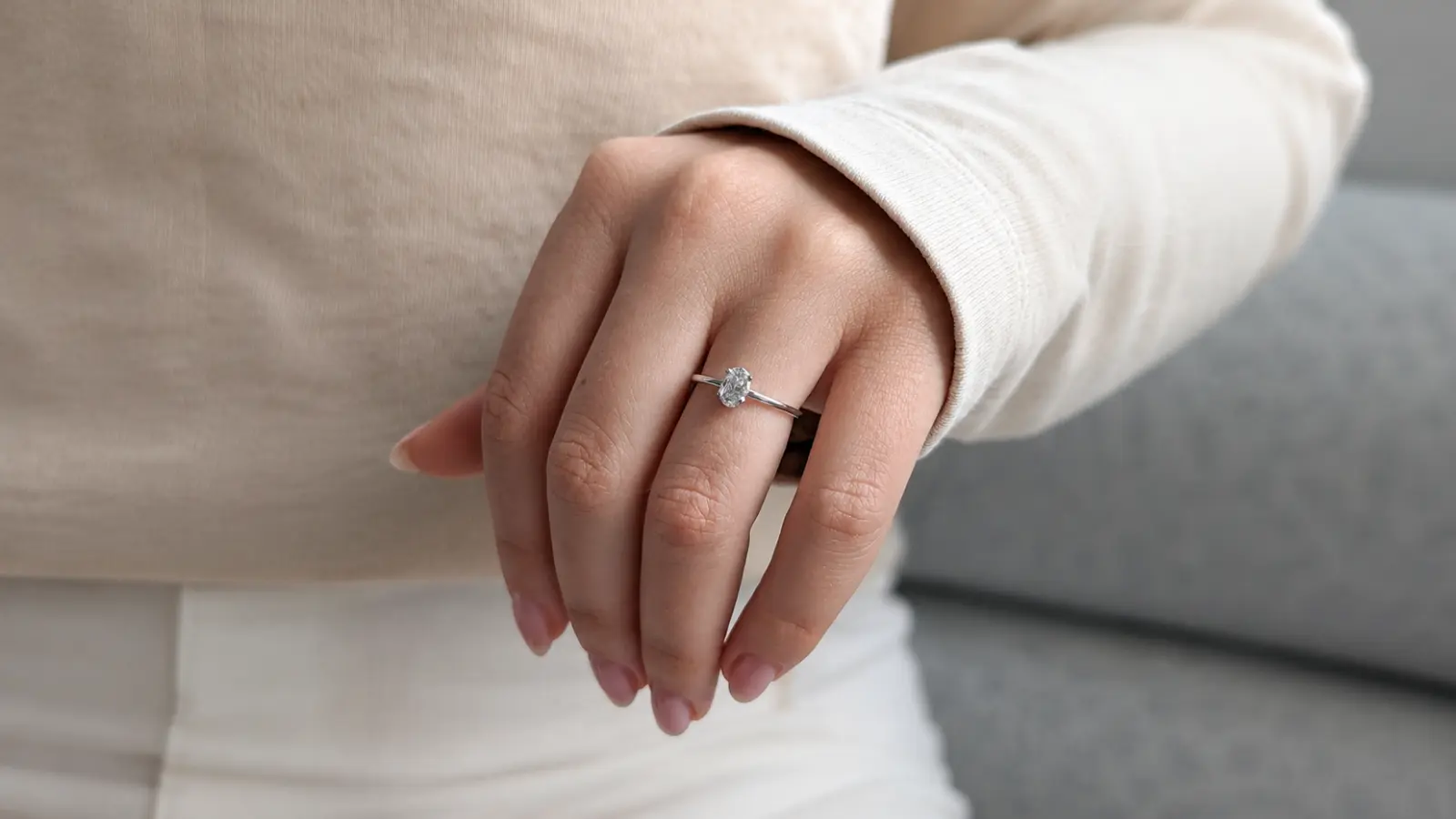
Silver and white gold look strikingly similar in photographs and, at a glance, on the hand. Both have a bright silver-white color and are available in plain band styles. The resemblance is close enough that some couples assume they are essentially the same thing at different price points. They are not — and the differences matter for daily wear over a lifetime.
| Factor | Sterling Silver | White Gold (14k) |
|---|---|---|
| Composition | 92.5% silver, 7.5% copper — stamped 925 | 58.3% gold alloyed with nickel or palladium, rhodium-plated |
| Color | Bright silver-white — natural, no plating needed | Bright silver-white via rhodium plating — warms slightly as plating wears |
| Durability | Softer — scratches and dents more readily under daily wear | Significantly harder — more scratch-resistant over decades |
| Tarnish | Yes — copper content reacts with air and skin chemistry | No — gold alloy does not tarnish |
| Maintenance | Polish every 1–2 weeks to maintain brightness; airtight storage helps | Rhodium replating every 1–3 years ($30–$75); minimal cleaning otherwise |
| Hypoallergenic | Not guaranteed — copper can cause skin reactions in some people | Depends on alloy — nickel-based versions can cause reactions; palladium versions are safer |
| Resizability | Yes — workable by most jewelers; choose an experienced silversmith | Yes — straightforward at most jewelry shops |
| Cost | $30–$200 for a plain band — the most affordable real-metal option | $200–$800+ for a comparable plain band — 3–6x more than silver |
For a ring intended for daily wear over decades, most experienced jewelers lean toward white gold. The gap in durability and tarnish resistance is real and accumulates noticeably over time. That said, the visual similarity means silver can serve its purpose well as a first ring, a budget choice, or a placeholder before upgrading. For a deeper look at how white gold performs over time, see our white gold wedding rings.
Pros and Cons of Silver Wedding Rings
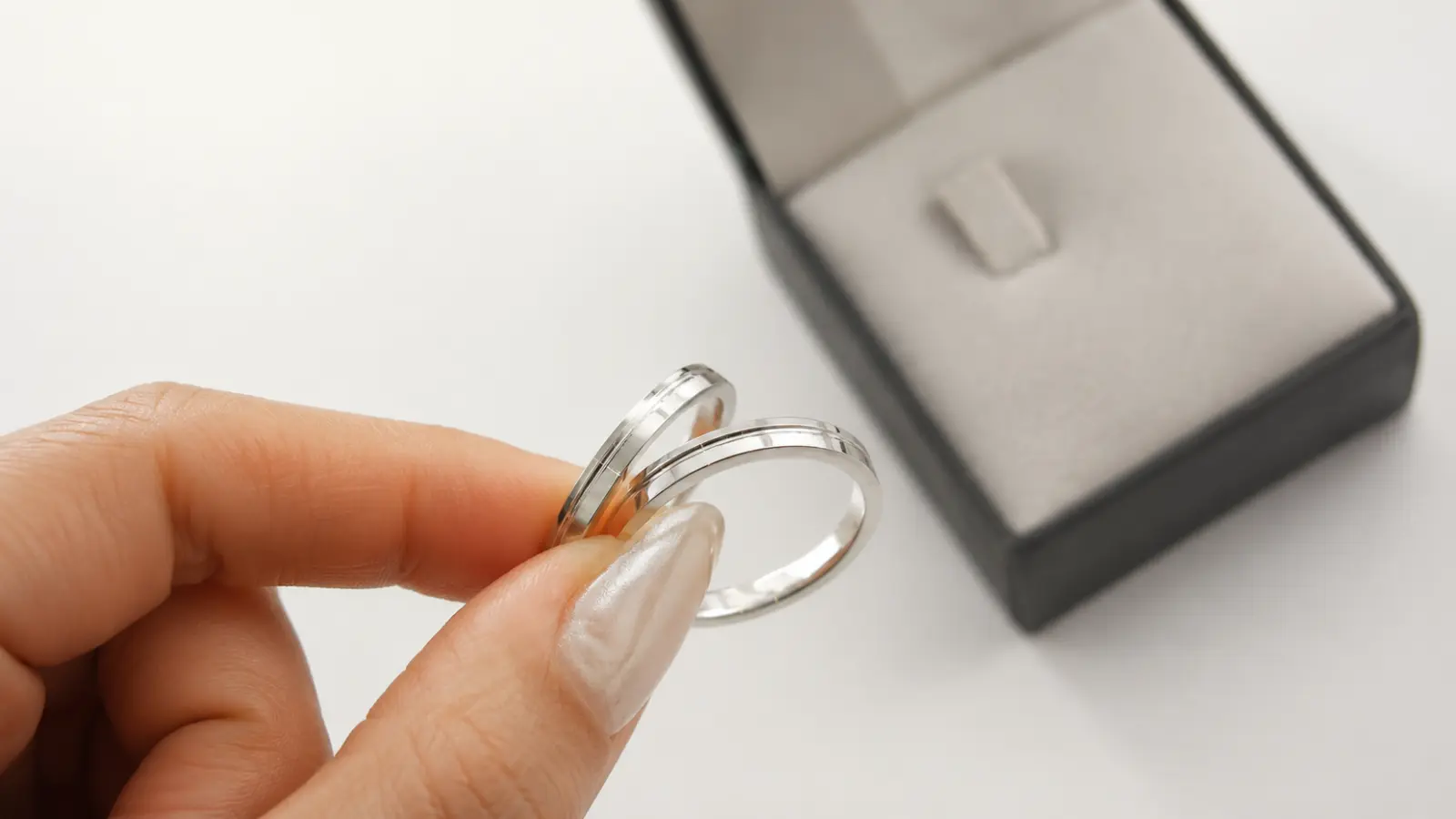
Most of the conversation around silver wedding rings comes back to the same practical tension: it is the most accessible real-metal option, and it is the most demanding real-metal option. Both things are true at once — which is why being specific about the advantages and limitations matters more here than with most other wedding ring choices.
What Silver Does Well
- Genuinely affordable. At $30 to $200 for a plain band, sterling silver delivers real metal quality at a price no other precious metal can match. For couples working within a tight budget, this is not a consolation prize — it is a real answer.
- Wide range of styles. Silver works in minimalist, bohemian, vintage, and artisan contexts better than harder metals like tungsten or titanium, which carry a more industrial quality. Skilled silversmiths use it for expressive, handmade, one-of-a-kind pieces that are harder to produce in stiffer metals.
- Workable and engravable. Silver can be engraved, shaped, and detailed in ways that some harder metals cannot. If a custom or personalized ring is part of the plan, silver is a cooperative material for independent jewelers and artisan makers.
- Naturally cool-white tone. Silver’s color photographs well, suits a range of skin tones, and pairs naturally with alternative stones like moonstone, labradorite, and turquoise — metals that complement non-diamond choices particularly well.
Where Silver Requires Honest Consideration
- It scratches under daily wear. Silver is a soft metal, and everyday contact with surfaces, keys, and objects leaves marks. Over months and years, the ring develops a surface texture that reads either as patina or as wear, depending on the wearer’s perspective and care habits.
- It tarnishes and needs regular cleaning. The copper in sterling silver reacts with air and skin chemistry to form a darkened surface layer. Tarnish polishes off, but the maintenance requirement is real — a ring worn daily without cleaning loses its brightness within weeks.
- Possible skin discoloration for some people. The copper content can cause a harmless green tinge on the skin beneath the ring, particularly in warm conditions or during exercise. Not everyone experiences this, but it is worth knowing before committing.
- Not ideal for hands-on work. People who work in trades, construction, food service, or other physically demanding environments will find silver shows wear significantly faster than titanium, tungsten, or cobalt chrome.
The most common mistake couples make with silver is buying it without thinking through daily wear honestly. Silver purchased as a deliberate choice — with clear expectations about maintenance — tends to satisfy. Silver purchased without understanding the tarnish and scratch reality tends to disappoint within the first year.
How to Care for a Silver Wedding Ring
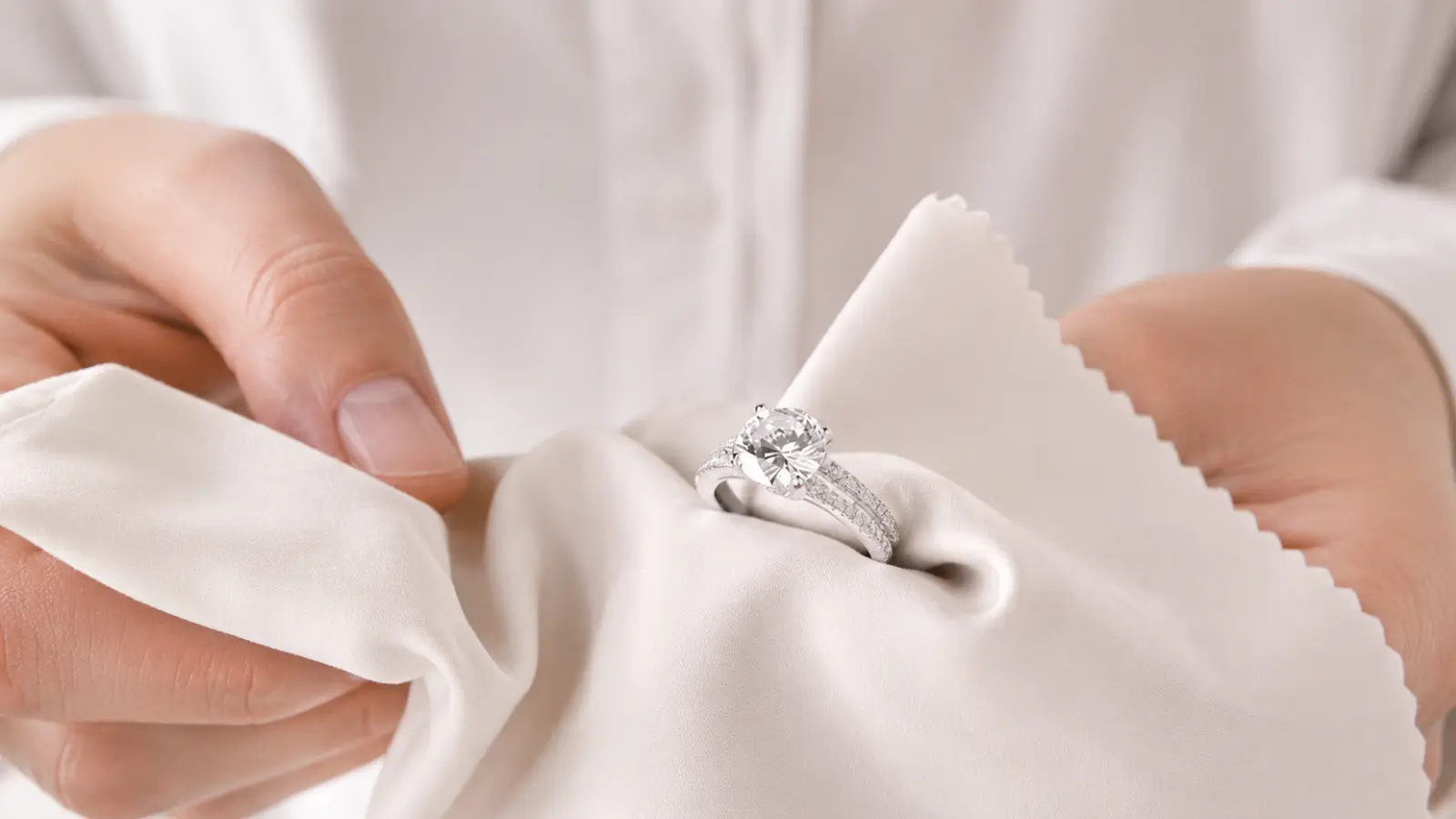
The good news about caring for a sterling silver wedding ring is that the routine is straightforward. It requires consistency more than expertise — and a few good habits at the beginning make an enormous difference in how the ring looks over time.
Regular Cleaning Methods
The foundation of silver care is a polishing cloth — a treated fabric available at any jewelry supply store or online. Used every week or two, it removes surface tarnish and restores brightness in minutes without liquids or chemicals. It is gentle enough for stones and fine details, and it is the method most jewelers recommend for routine maintenance.
For more accumulated tarnish or general buildup, you can clean a wedding ring at home with mild dish soap, warm water, and a soft toothbrush. Rinse thoroughly and dry with a soft cloth — water left in crevices or around stone settings can accelerate tarnish. This level of cleaning every month or so is usually enough for a ring worn daily.
Liquid silver dips are available and work quickly, but they should be used with care. They are chemically aggressive and can strip intentional oxidation from rings with darkened details, and they are not appropriate for rings with porous gemstones like turquoise, opal, or pearls. For a plain sterling silver band with no stones, an occasional dip is fine — for a detailed or stone-set piece, stick with a cloth and warm soapy water.
Storage and Daily Habits
Storage matters more with silver than with most other metals. When the ring is off, keeping it in an airtight bag — even a small zip-lock — or a lined jewelry box significantly slows tarnish by reducing air exposure. This simple habit alone can extend the time between cleanings noticeably.
Removal habits also make a meaningful difference. Taking the ring off before swimming, showering, exercising, and applying lotion or perfume reduces the maintenance burden substantially. Chlorine and saltwater accelerate tarnish. Soap residue and hard water minerals accumulate quickly. Sweat and friction take their toll over time. Silver worn selectively — rather than constantly — stays brighter longer and requires far less intervention to maintain.
Silver Wedding Rings for Men and Women
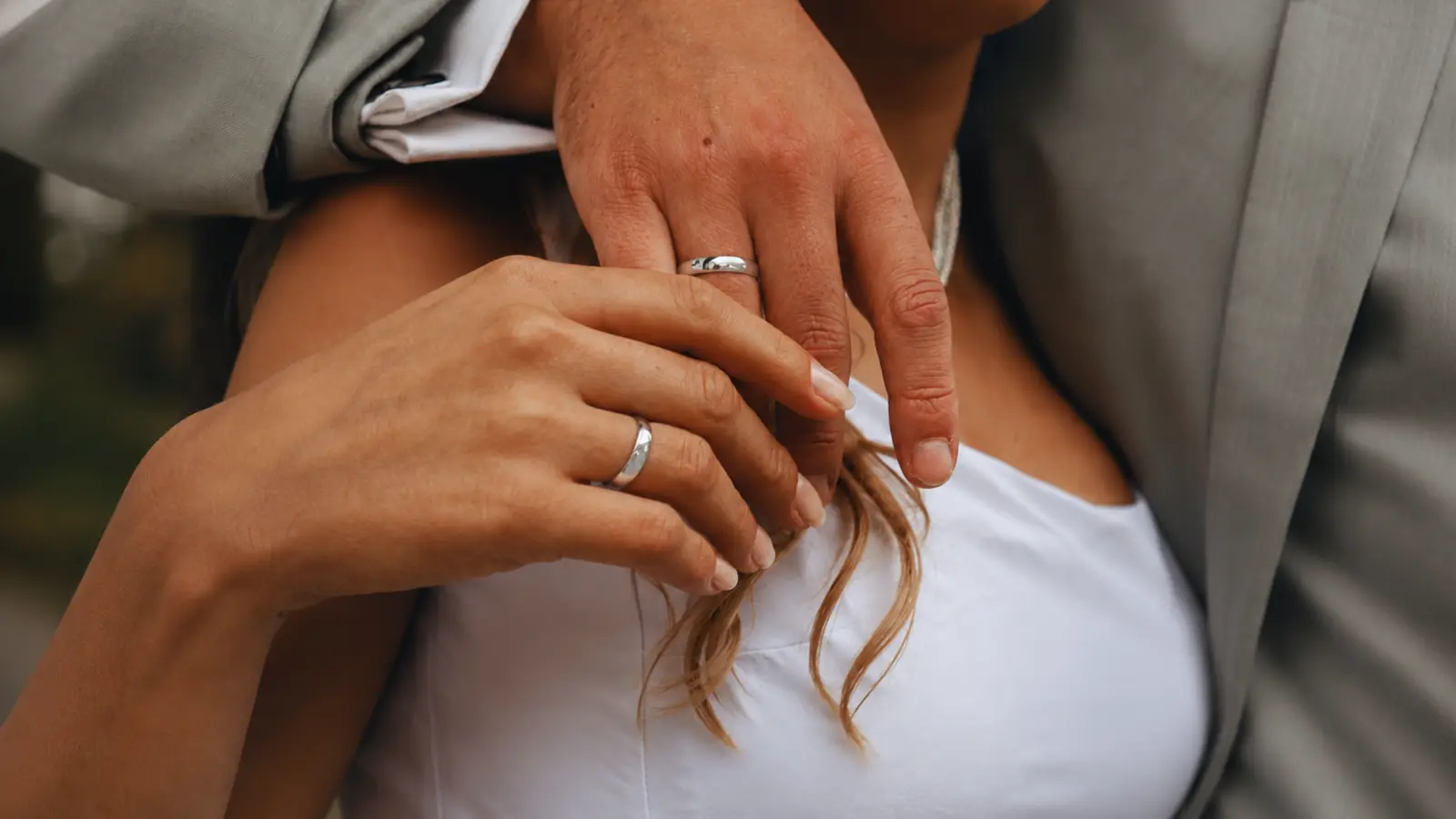
Sterling silver wedding rings are produced in styles for both partners, and the aesthetic case for silver is equally valid across genders. The cooler, brighter tone suits many skin tones well, and the range of styles available — from plain high-polished bands to hammered finishes, carved patterns, and stone-set designs — covers a broad range of personal preferences.
Women’s Silver Wedding Rings
For women, silver options include everything from thin stacking bands to wider statement pieces with engraved or textured surfaces. It is also a common choice for gemstone wedding rings featuring birthstones, labradorite, moonstone, and other colored stones that look particularly at home in a silver setting. Bohemian, artisan, and vintage-inspired styles tend to feel especially natural in sterling silver, and independent makers often work in this metal for their most expressive designs.
For women pairing a silver band with a more traditional engagement ring, the metal difference in color can be a consideration. A silver band alongside a yellow gold or rose gold engagement ring will create a visible contrast — whether that reads as intentional or mismatched depends on the specific rings together and the wearer’s preference. Seeing both rings side by side before committing is worth the extra step.
For the full range of women’s ring styles across all metals, see our wedding rings for women.
Men’s Silver Wedding Rings
For men, plain bands remain the most popular silver choice. Silver’s cooler tone reads as understated and clean in simple band form, available in a range of widths and finishes. Men who prefer a ring that does not draw attention often find a brushed or matte silver band suits that preference well and stays looking neat with less polishing than a high-shine finish.
One practical consideration that applies particularly to men’s rings: men who work with their hands in trades, construction, food service, or other physical work will find that silver shows wear faster than harder alternatives. For people in physically demanding jobs, titanium wedding rings, tungsten, and cobalt chrome are significantly more scratch-resistant options worth considering before committing to silver.
For the full range of men’s wedding band options across all metals, see our men’s wedding bands.
Who Should Choose Silver?
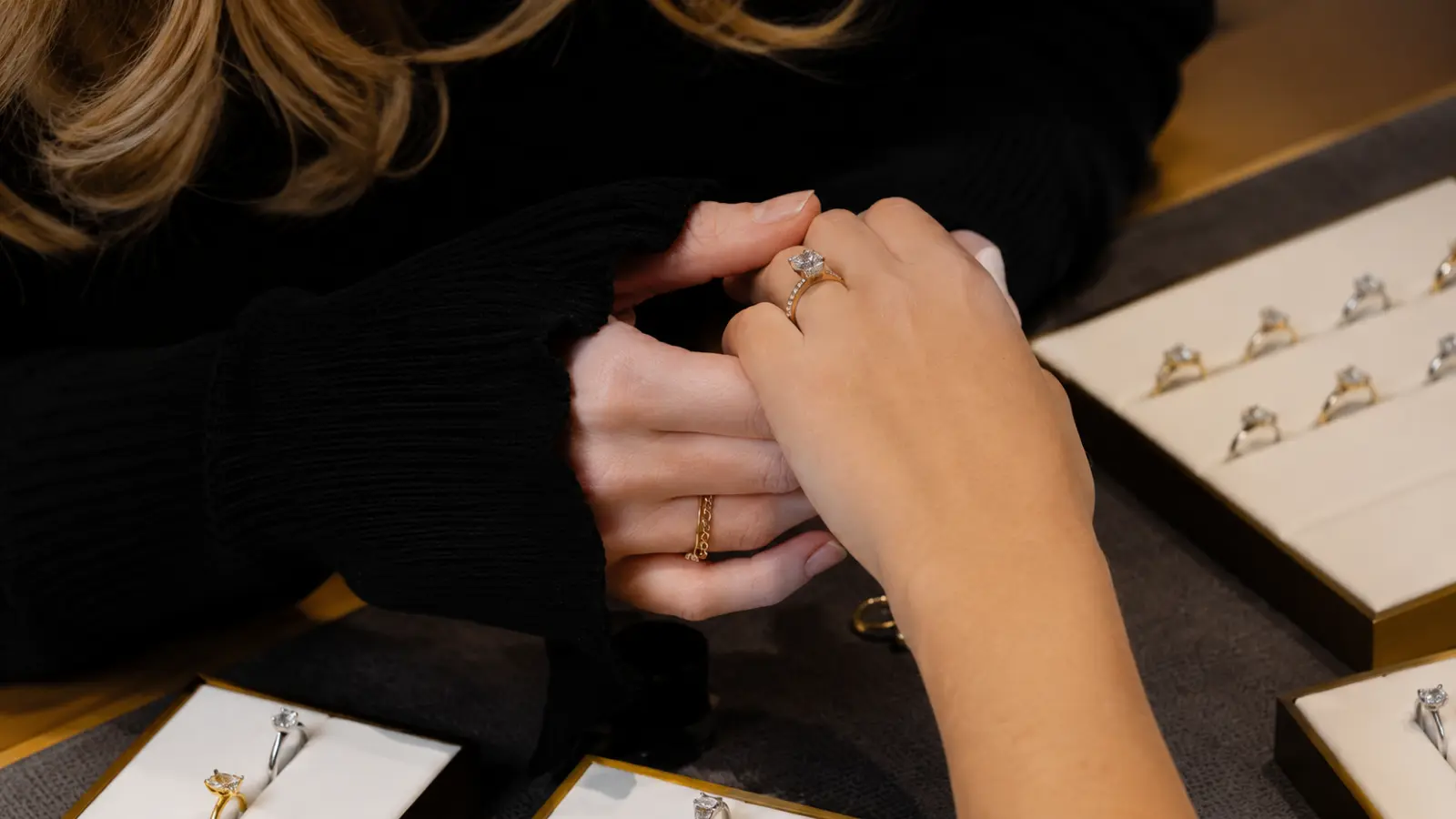
Silver makes the most sense in specific circumstances — and recognizing whether your situation fits those circumstances is the most useful guide to whether it is the right wedding ring choice. The couples who are happiest with silver are almost always the ones who chose it knowing what they were getting into.
Silver tends to work well for:
- Couples working within a tight budget who want a real metal ring rather than a silicone band or a plated fashion ring. At $30 to $200 for a plain band, sterling silver delivers genuine metal quality at the most accessible price point in the wedding ring market.
- Couples planning to upgrade later. Silver serves effectively as a first ring — worn with meaning for a few years before being replaced with a gold or platinum band at a later anniversary. This is a common and sensible approach.
- People who do not wear their ring every day. Some people take their wedding ring off routinely for work, exercise, or household tasks and wear it primarily in social and ceremonial contexts. For that pattern, silver’s durability limitations matter far less — a ring that sees occasional rather than daily wear stays brighter longer and shows far less scratching over time.
- People who enjoy the upkeep and evolving character of silver. The maintenance that frustrates some people is, for others, part of the relationship with a cherished object. If polishing the ring, watching it develop patina in the details of an engraving, and caring for it over time sounds appealing rather than burdensome, silver can be a deeply satisfying choice.
Silver is a less obvious fit for people who work with their hands physically, spend significant time in water, have known metal sensitivities, or want a ring that requires no ongoing thought about maintenance. For those situations, white gold, platinum, titanium, or tungsten are generally stronger long-term answers — and making the comparison honestly now prevents regret later.
Silver Wedding Ring Inspiration
Silver wedding rings can range from simple classic bands to vintage, handmade, and detailed designs. Explore our inspiration board for sterling silver bands, engraved rings, textured finishes, gemstone styles, and timeless silver wedding ring ideas.
Choosing a Silver Wedding Ring With Confidence
A silver wedding ring is not about choosing the most expensive or traditional option — it is about understanding what matters most to you. Its beauty, accessibility, and character can make it meaningful, as long as its care and maintenance fit naturally into your life.
Whether silver becomes your forever wedding ring or the first ring in a story that changes over time, the best choice is the one made with clear expectations. A wedding ring’s value comes not only from the metal itself, but from the life and memories built around it.
Frequently asked questions (FAQ)
Do silver wedding rings last long enough for marriage?
A sterling silver wedding ring can last for many years or even a lifetime with proper care, but it will not age the same way as harder metals like gold or platinum. Silver naturally develops scratches, surface changes, and tarnish with regular wear. For some people, that aging adds character; for others, the extra maintenance makes a more durable metal a better long-term choice.
Why are silver wedding rings so much cheaper?
Silver wedding rings cost less mainly because silver is more abundant and less expensive than precious metals like gold and platinum. The lower price does not mean the ring is fake — sterling silver is a real precious metal. The trade-off is that silver is softer and requires more care, which is why price should not be the only factor when choosing it for a wedding ring.
Can you wear a sterling silver wedding ring every day?
Yes, you can wear a sterling silver wedding ring every day, but daily wear requires realistic expectations. Silver can scratch, tarnish, and react more noticeably to water, chemicals, and physical activity. People who remove their rings during certain activities and clean them regularly usually have a better long-term experience with silver.
Will a silver wedding ring turn black or change color?
Sterling silver can darken over time because of tarnish, a natural reaction between the metal and elements in the environment. This color change is not permanent damage and can usually be removed with proper cleaning. Unlike plated jewelry, solid sterling silver does not lose a surface layer of color because the silver runs throughout the metal.
Is sterling silver a real wedding ring or just a temporary option?
Sterling silver can absolutely be a real wedding ring. The meaning of a wedding ring comes from the commitment it represents, not the price of the metal. Some couples choose silver permanently because they love the look and affordability, while others use it as a first ring before upgrading later.
What should you know before choosing a silver wedding ring?
Before choosing a silver wedding ring, understand that the biggest difference is maintenance. Silver offers the appearance of a beautiful precious metal at a much lower price, but it needs more cleaning and care than gold, platinum, or many modern metals. It is usually best for someone who values affordability and style and does not mind taking care of the ring over time.