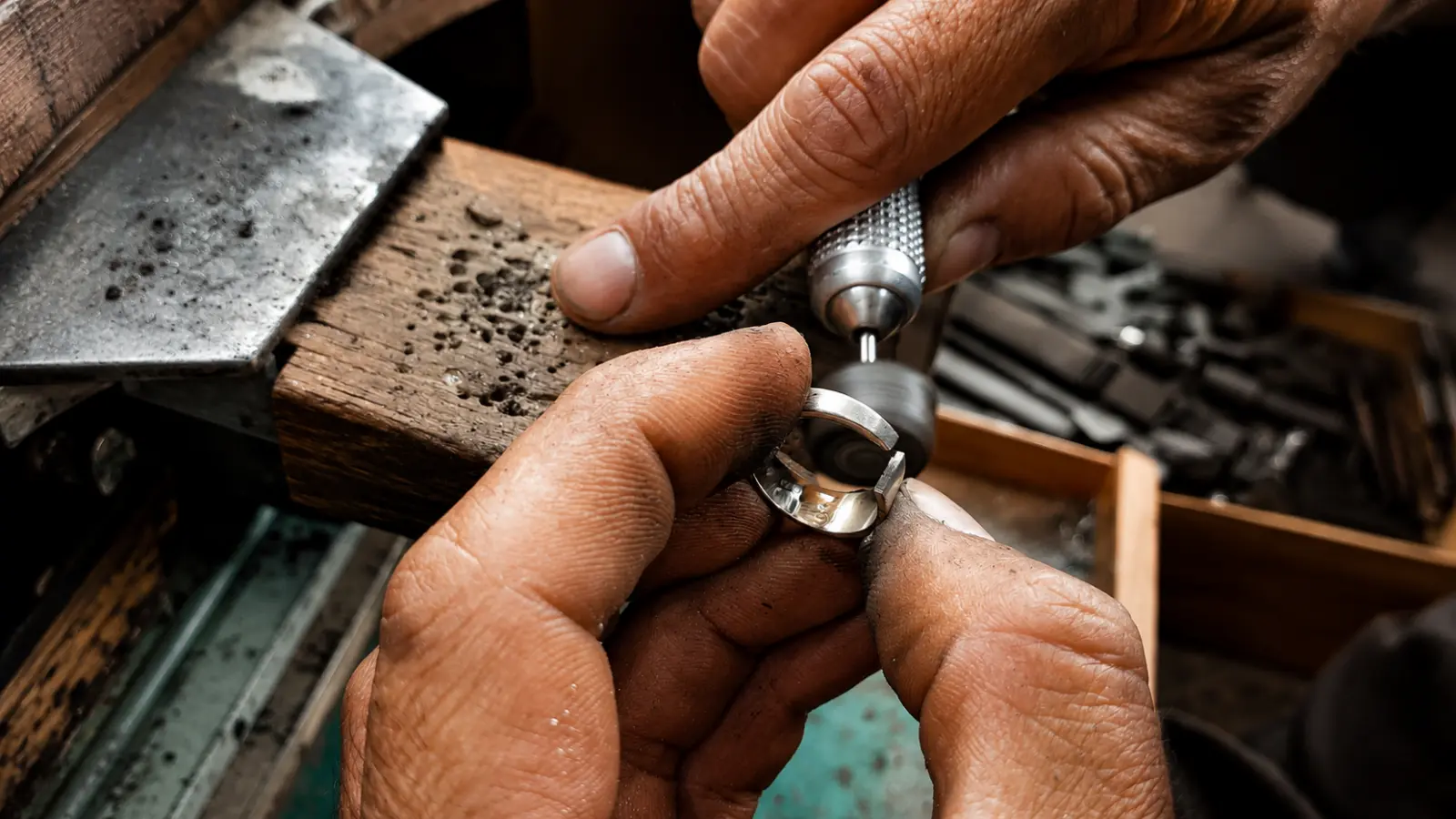
Wedding ring resizing is the process of adjusting a ring’s size to make it fit more comfortably, either by making the band larger or smaller. For many wedding rings, resizing is a common jewelry service, but whether it is possible depends on the ring’s metal, design, stones, and how much the size needs to change.
Some rings, like simple gold or platinum bands, are usually easier to resize, while materials such as tungsten and ceramic cannot typically be adjusted. Detailed designs, eternity bands, engravings, and certain settings can also make resizing more complicated.
This guide explains everything about wedding ring resizing, including which rings can be resized, how the process works, average costs, timelines, resizing limits, materials to watch for, and when remaking a ring may be a better option.
Can Wedding Rings Be Resized?
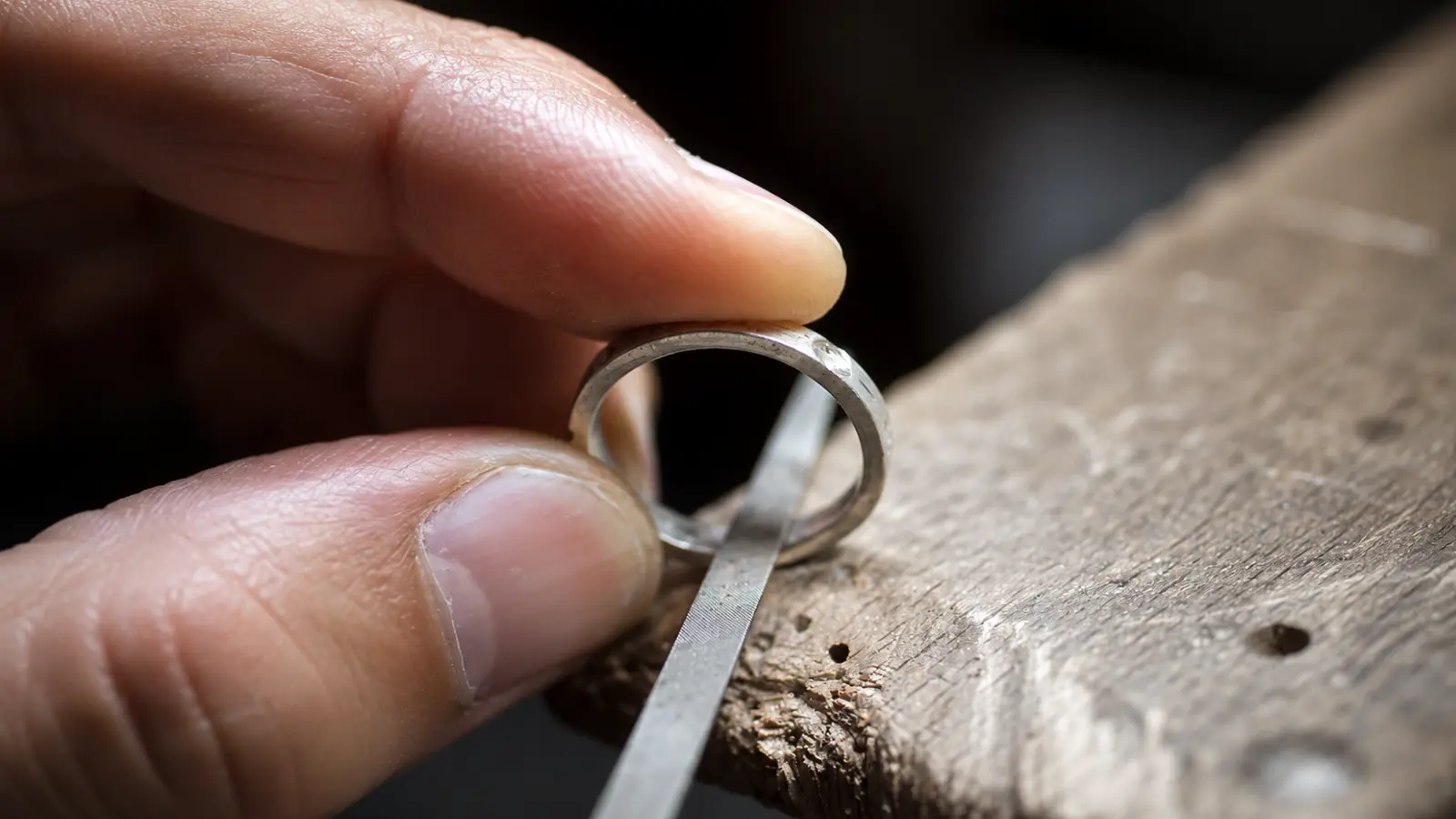
Most wedding rings can be resized, but “most” is doing some work in that sentence. The honest answer depends on three things: the metal, the design, and the direction of the change.
It Starts With the Metal
Traditional precious metals — gold, platinum, silver, and palladium — are malleable enough that a jeweler can cut the band, add or remove material, and reshape it into a new size. This is one of the oldest and most routine jewelry repairs that exists, and most local jewelers can do it without sending the ring anywhere.
Alternative metals tell a different story. Tungsten carbide and ceramic are prized for their hardness and scratch resistance — the same properties that make them nearly impossible to resize. Titanium sits in between: some specialized jewelers can resize titanium wedding rings with the right equipment, but many cannot, and the process is more involved than with gold or platinum.
Design Matters Just as Much
Design also matters independently of metal. A plain band in any resizable metal is the easiest case. A ring with a continuous line of diamonds around the entire circumference — an eternity band — is difficult to resize even in gold or platinum, because cutting the band means cutting through set stones. Engraving, especially if it wraps around the band, can also limit how much a ring can be resized without disrupting the design.
The practical takeaway: before assuming your ring can or cannot be resized, identify both the metal and the design type. Those two factors answer the question more reliably than any general rule.
How Much Can a Ring Be Resized — Up or Down?
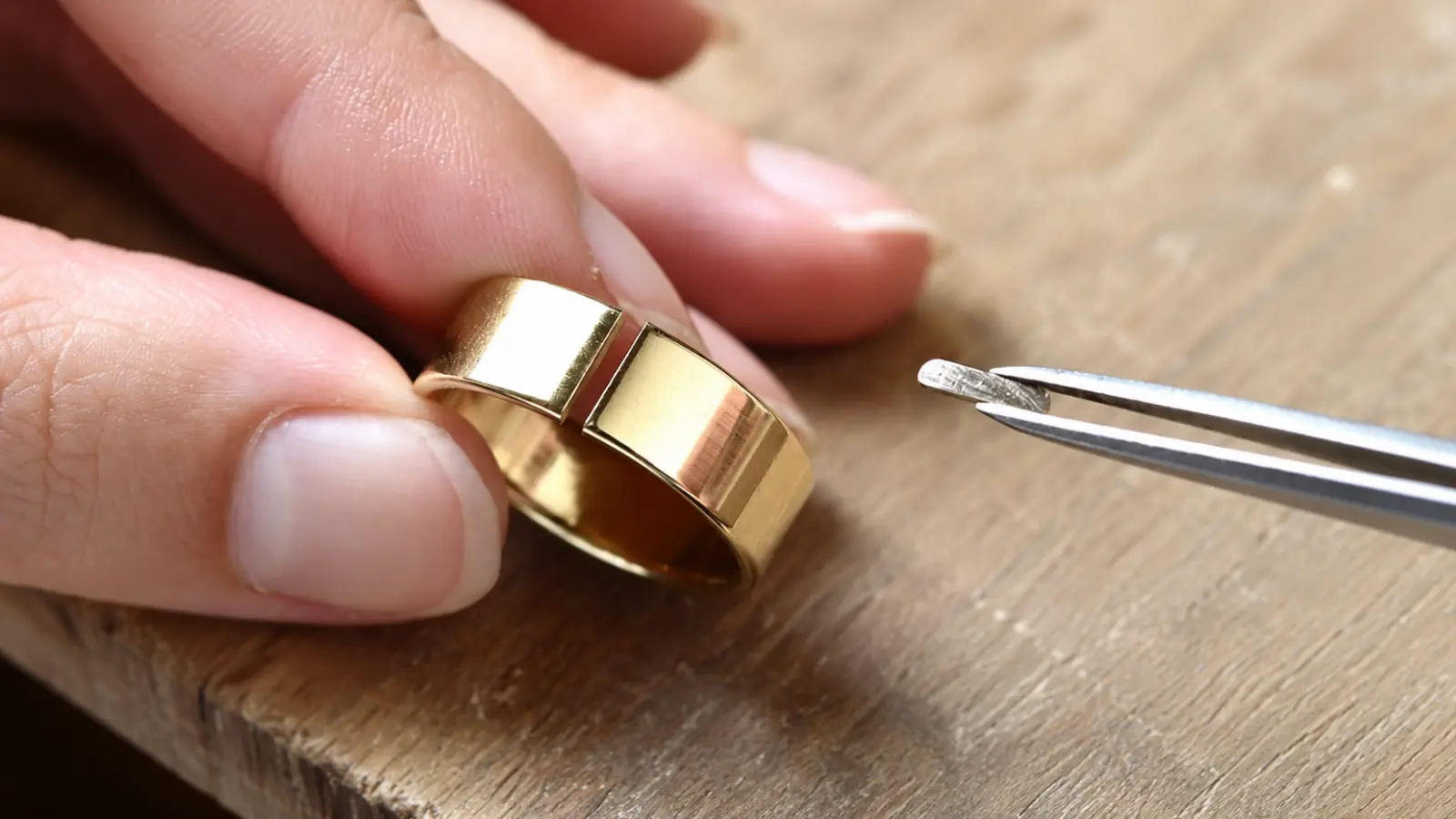
Even when a ring is resizable in principle, there are practical limits to how far it can go. Most jewelers work within a guideline of about two sizes up or down from the original — beyond that, the structural integrity, proportions, or design of the ring can start to suffer.
Sizing Down
Sizing down generally has more flexibility than sizing up, because the jeweler is removing material rather than adding it — there is less risk of weakening the band. That said, sizing down significantly can sometimes affect the look of a ring with a pattern or design that was proportioned for the original size; a design that wrapped elegantly around a size 7 band might look slightly compressed at a size 5.
Sizing Up
Sizing up requires the jeweler to add metal to the band, which means matching the original metal’s color, purity, and finish as closely as possible. For gold rings, this is usually seamless when done by an experienced jeweler. For rings with a particular finish — brushed, hammered, or two-tone — matching the added section to the original texture can be more challenging, and it is worth asking to see examples of the jeweler’s previous work on similar finishes.
What many people don’t realize is that resizing up by more than two sizes can sometimes change the ring’s proportions enough that wedding ring engraving, milgrain edges, or filigree patterns no longer align the way they did originally the design was created for a specific circumference, and stretching it changes that math. If your ring needs a significant size change — more than two sizes in either direction — ask your jeweler directly whether resizing or remaking will produce a better result. Often, remaking is more cost-effective at that point, which is covered in more detail later in this guide.
Which Metals Are Easiest to Resize?
Metal is the single biggest factor in whether resizing is simple, complicated, or impossible. Here is how the most common wedding ring metals compare.
Gold (yellow, white, and rose)
Gold is the easiest metal to resize, and the vast majority of jewelers can do it in-house. Because gold wedding rings are soft and malleable relative to other metals used in jewelry, a jeweler can cut the band, add or remove a small section, and solder it back together with minimal visible seam. White gold and rose gold resize just as easily as yellow gold — the only extra step is that white gold rings are often re-plated with rhodium after resizing to restore the bright white finish, since the resizing process can affect the existing plating.
Platinum
Platinum is also resizable, though the process is slightly more involved than gold because platinum has a higher melting point and requires specialized equipment to work with safely. Most jewelers who regularly work with platinum can resize it without issue, but a jeweler who primarily works with gold may need to send platinum wedding rings to a specialist. The cost is typically a bit higher than gold resizing as a result, though still well within the routine repair range.
Silver and Palladium
Both are resizable using similar techniques to gold. Silver is soft and easy to work with, though silver wedding bands are less common than gold or platinum. Palladium resizes similarly to platinum — straightforward for jewelers equipped to work with it, less so for those who are not.
Titanium
Titanium occupies a middle ground. It is significantly harder than gold or platinum, which means standard jewelry tools and techniques often do not work. Some specialized jewelers have the equipment to resize titanium — typically using methods like adding a sizing bead inside the band or working with specific titanium-compatible tools — but many local jewelers will tell you it cannot be done, simply because they do not have the right setup. If you have a titanium ring that needs resizing, it is worth calling around specifically, rather than assuming the first jeweler’s “no” is universal.
Which Rings Cannot Be Resized?
Some rings cannot be resized at all, regardless of the jeweler’s skill — the limitation is in the material or the construction itself, not in the service available.
Tungsten and Tungsten Carbide
Tungsten is one of the hardest metals used in jewelry, which is exactly why it resists scratching so well — and exactly why it cannot be cut, stretched, or reshaped using standard jewelry tools. A tungsten ring that no longer fits cannot be resized under any circumstances. The only options are to purchase a new ring in the correct size or, in some cases, return or exchange the original if the retailer allows it.
Ceramic
Ceramic wedding bands share tungsten’s resizing limitations for similar reasons — the material is hard and brittle rather than malleable, and attempting to alter its shape typically results in the ring cracking or shattering rather than bending. As with tungsten, a ceramic ring that doesn’t fit needs to be replaced rather than resized.
Eternity Bands and Full-Diamond Bands
An eternity band — a ring with diamonds or other stones set continuously around the entire circumference — presents a unique problem even in resizable metals like gold or platinum. Resizing requires cutting the band at some point, and on a true eternity design, there is no gap between stones to cut through safely. Jewelers can sometimes resize these by a very small amount (often no more than half a size) by carefully working in a small section without stones, but anything beyond that risks damaging the setting or the stones themselves.
Half-eternity bands — where stones cover roughly the front half of the ring and the back half is plain metal — are much easier to resize, because the jeweler has room to work in the unset portion of the band. If you are choosing a ring with this in mind, a half-eternity design offers a meaningful practical advantage over a full eternity band without sacrificing much of the look.
Heavily Engraved or Patterned Bands
A ring with engraving, milgrain detailing, or a repeating pattern that wraps around the entire band can technically be resized in most resizable metals, but the visual result depends heavily on how the pattern is structured. If the pattern has a natural “seam point” — a place where the design could be interrupted without looking obviously broken — resizing is straightforward. If the pattern is continuous with no natural break point, resizing can leave a visible disruption in the design, particularly with larger size changes.
How Much Resizing Costs
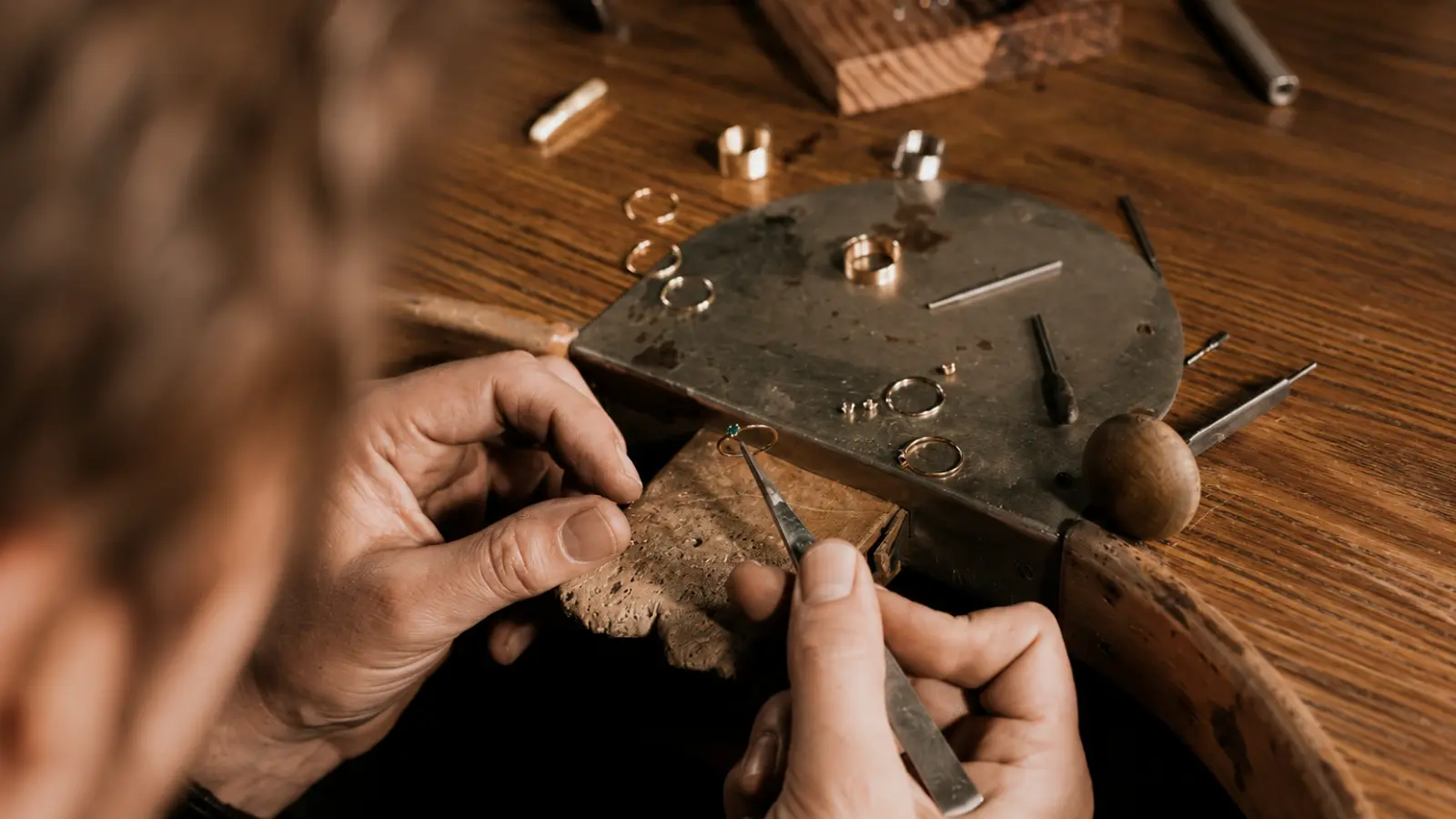
Resizing costs vary based on the metal, the size of the adjustment, and whether the ring includes stones or detailed work. The ranges below reflect typical costs at jewelers across the U.S., though local market rates and the complexity of a specific ring can shift these numbers in either direction.
Simple Band Resizing: $20–$60
A plain gold or silver band, resized by one size in either direction, is one of the most affordable jewelry repairs that exists. Many jewelers price this as a flat fee regardless of whether the ring is being sized up or down, since the labor involved is roughly comparable either way.
Platinum or Palladium Resizing: $50–$120
The higher cost reflects both the specialized equipment required and the higher cost of the metal itself — if material needs to be added during a size-up, platinum and palladium cost significantly more per gram than gold.
Rings With Stones or Detailed Designs: $75–$200+
Resizing a ring with side stones, a halo setting, or engraving adds labor because the jeweler needs to work carefully around the existing design — protecting stones from heat during soldering, for example, or recreating an engraved pattern across the new seam. The exact cost depends heavily on the specific design; a jeweler can typically give you an accurate quote after examining the ring in person.
White Gold Re-Plating: $30–$75 (Often Bundled With Resizing)
If your ring is white gold, factor in the cost of rhodium re-plating, which is often recommended after resizing to restore a uniform finish. Some jewelers include this in their resizing quote automatically; others charge it separately. Ask specifically so the final cost does not come as a surprise.
Titanium Resizing: $50–$150 (When Available)
Because fewer jewelers can perform this work, pricing varies more than with traditional metals, and the cost often reflects the specialized labor involved rather than the material itself.
How Long Resizing Takes
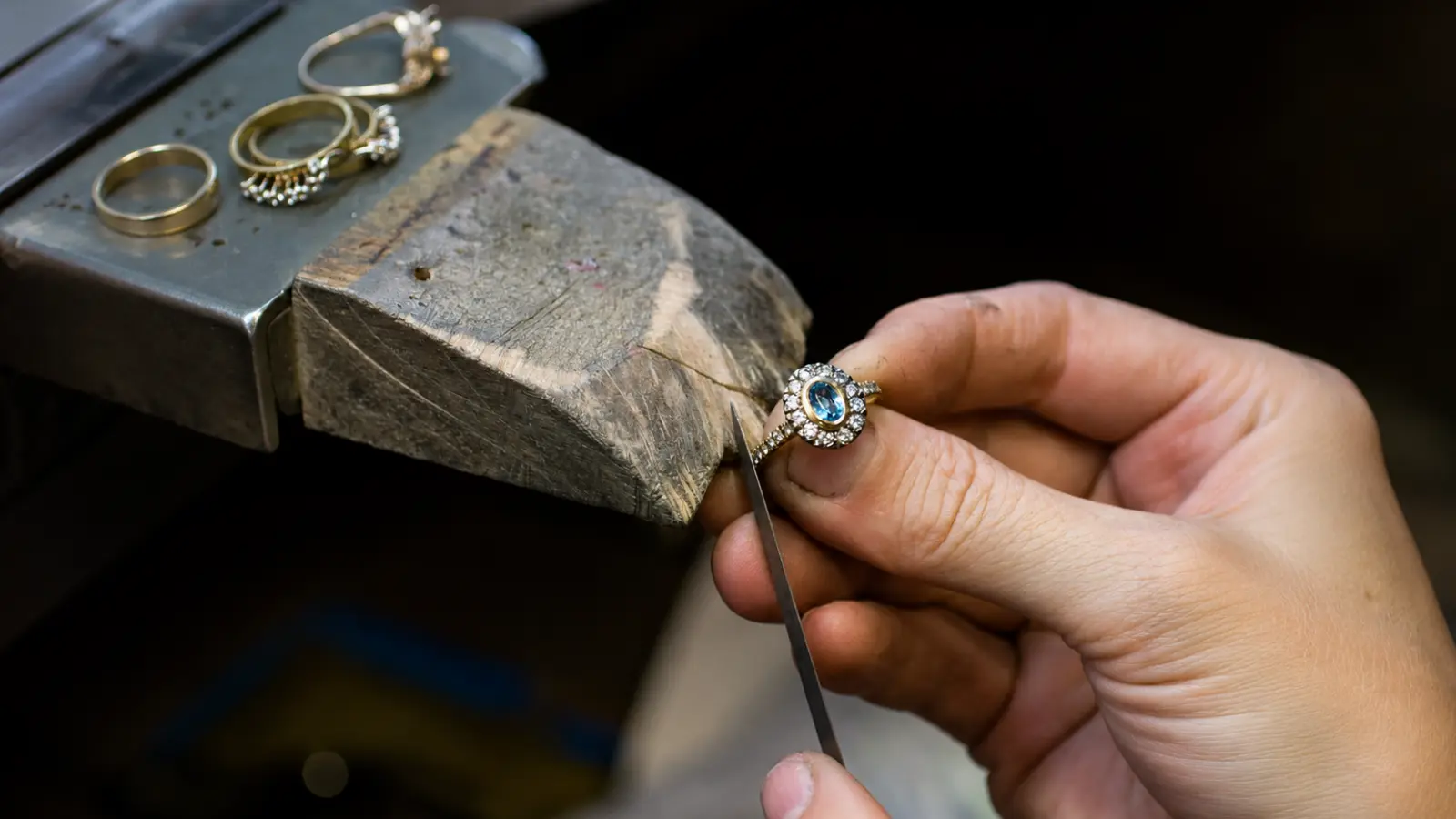
Turnaround time depends on the jeweler’s workflow, the complexity of the resize, and whether the work is done in-house or sent to an outside specialist.
Same-Day to a Few Days: Simple Bands in Common Metals
Many local jewelers can resize a plain gold or silver band the same day or within a day or two, particularly if the size change is one size or less. This is one of the most common repairs they perform and rarely requires sending the ring elsewhere.
A Few Days to a Week: Platinum, Palladium, and Rings With Stones
Platinum resizing takes slightly longer in many cases because of the specialized equipment involved, even when the jeweler can do the work in-house. Rings with stones also take longer because of the extra care required — protecting stones from heat, recreating any engraving, and quality-checking the setting after the resize.
One to Two Weeks (or Longer): Titanium and Specialty Work
If your jeweler does not have in-house titanium capability, the ring may need to be sent to a specialist, which adds shipping time on both ends. The same applies to any particularly unusual repair — a jeweler unfamiliar with a specific technique may need to consult with or send work to someone who specializes in it.
What tends to work well: if you anticipate needing a resize — for example, if you know your ring fits loosely and winter weather makes it worse — addressing it during a season when you can comfortably go without the ring for a week or two is more practical than waiting until you need it resized urgently.
When to Remake Instead of Resize
Resizing is not always the right answer, even when it is technically possible. There are several situations where remaking the ring — essentially recreating it at the new size from scratch, sometimes reusing the original metal or stones — produces a better result.
When the Size Change Is Significant
As mentioned earlier, most jewelers consider two sizes the practical ceiling for resizing before the proportions and structure of the ring start to suffer. If you need a change larger than that — which can happen after significant weight change, or if a ring was purchased without checking a wedding ring size guide — remaking often costs less than attempting an extensive resize, and produces a ring that looks correct rather than stretched or compressed.
When the Design Does Not Allow for a Clean Resize
Full eternity bands, heavily patterned designs without a natural seam point, and rings with structural elements (like a cathedral setting that spans the band) often cannot be resized without compromising the design. In these cases, a jeweler may recommend remaking the ring using the same materials — melting down the original metal and resetting the original stones into a new band built to the correct size from the start.
When the Ring Has Significant Wear or Damage
A ring that has been worn daily for many years may have thinned in places, particularly at the bottom of the band where it experiences the most friction. Resizing a ring that is already structurally thin in places can weaken it further. If a jeweler identifies significant wear during an inspection, remaking — or at minimum, reinforcing the band before resizing — may be the more durable choice.
What “Remaking” Actually Involves
Remaking does not necessarily mean buying an entirely new ring. Many jewelers can melt down the original metal and any reusable components, then craft a new band at the correct size using that same material — meaning the ring retains its original metal, and often its original stones, even though the band itself is newly made. This can feel meaningfully different from “starting over,” particularly for rings with sentimental history. If sentimental continuity matters to you, ask your jeweler specifically whether they can preserve the original metal and stones in a remake.
Resizing Mistakes to Avoid
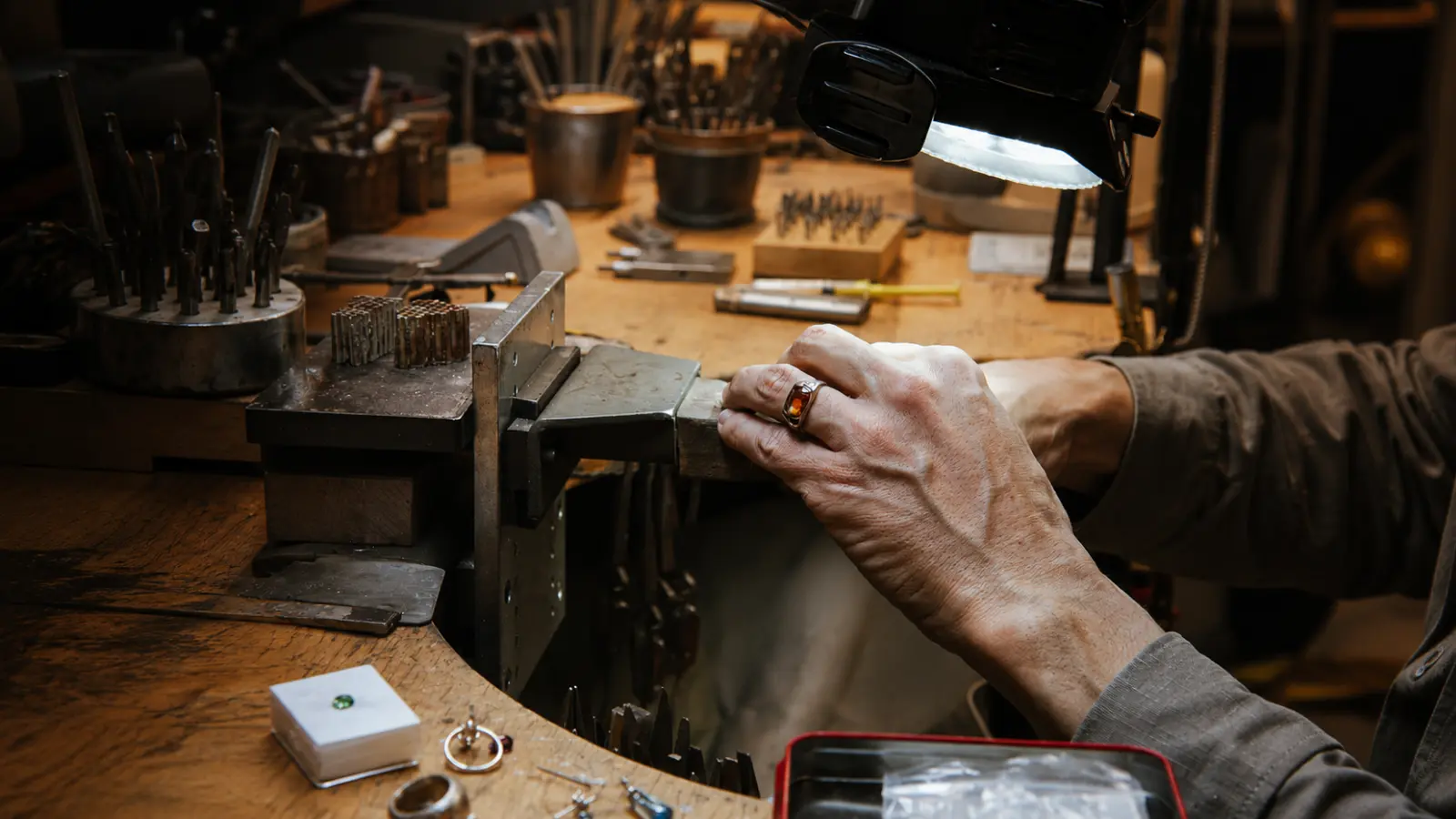
A few avoidable missteps account for most of the resizing problems people run into. Knowing them in advance can save both money and disappointment.
Assuming All Jewelers Can Do All Resizing
Not every jeweler has the equipment or expertise for every metal and design. A jeweler who primarily handles gold and silver may not be equipped for platinum or titanium. Rather than accepting a single “no” as final, it is reasonable to call a few jewelers — particularly ones who specialize in the metal your ring is made from — before concluding that resizing is not possible.
Resizing Right Before an Event
Resizing — especially anything beyond a simple same-day adjustment — should not be scheduled for the week of a major event if it can be avoided. Even routine repairs can occasionally take longer than expected, particularly if a jeweler discovers an issue with the ring once they begin working on it. Building in buffer time avoids the stress of an unexpected delay.
Not Asking About Re-Plating for White Gold
If your ring is white gold and the jeweler does not mention rhodium re-plating, ask about it directly. Skipping this step after a resize can leave a visible difference between the newly worked area and the rest of the band, since the resizing process can wear down the existing plating in that section.
Ignoring a Loose or Worn Band for Too Long
A ring that spins constantly or slides toward the knuckle is at meaningfully higher risk of becoming a lost wedding ring — particularly in situations like washing hands, removing gloves, or any activity involving water. What many people don’t realize is that a ring lost this way is rarely recovered. Addressing a sizing issue when you first notice it, rather than after it has become a daily annoyance, is one of the simplest ways to protect a ring with meaning.
Choosing the Cheapest Option Without Checking the Work
Resizing is routine, but it is not risk-free — a poorly executed resize can leave a visible seam, weaken the band, or, in rings with stones, loosen a setting. Asking to see examples of a jeweler’s previous resizing work, particularly for anything beyond a simple plain band, is a reasonable request and most experienced jewelers will have examples readily available.
Wedding Ring Resizing Guide
Wedding ring resizing depends on your ring’s metal, design, stones, and how much the size needs to change. Explore our guide for resizing tips, materials that can and cannot be resized, cost factors, and what to know before visiting a jeweler.
Knowing When to Resize Your Wedding Ring
The right wedding ring fit is about more than a number. A ring is something you wear through different seasons, routines, and changes in life, which means the way it fits can naturally change over time.
Whether resizing is a simple adjustment or a more complicated decision depends on the ring itself. Understanding your metal, design, and options before making changes helps protect not only the ring’s structure, but also the meaning it has carried with you.
Frequently asked questions (FAQ)
Can all wedding rings be resized?
Not all wedding rings can be resized. Rings made from traditional metals like gold, platinum, silver, and palladium are usually the easiest to adjust because the metal can be cut, reshaped, and joined again. Materials like tungsten and ceramic generally cannot be resized, while titanium and detailed designs may have limitations. Whether resizing is possible depends on both the ring material and the design.
How much does wedding ring resizing cost?
Wedding ring resizing cost depends on the metal, design, stones, and how much the size needs to change. A simple gold or silver band is usually the least expensive to resize, while platinum rings, diamond bands, detailed engravings, or more complicated adjustments typically cost more. A jeweler needs to examine the specific ring to give an accurate estimate.
Does resizing a wedding ring damage it?
A properly resized wedding ring should not be damaged when the work is done by an experienced jeweler. Simple bands usually resize very well, but rings with diamonds, delicate settings, engraving, or complex details require more care. A good jeweler will inspect the ring first and explain any risks before changing the size.
How many times can a wedding ring be resized?
Many wedding rings can be resized more than once, especially simple bands made from gold or platinum. However, repeated resizing can eventually affect the structure of the ring, especially if large adjustments are made each time. The condition of the metal, previous repairs, and the amount of size change determine whether another resize is recommended.
Is it better to resize a wedding ring or replace it?
Resizing is usually the better option when the ring has sentimental value and the adjustment is small enough to preserve the original design. Replacing or remaking the ring may make more sense if the size difference is extreme, the material cannot be resized, or the design would be damaged during the process. A jeweler can help determine which option protects the ring best.
What should you know before resizing a wedding ring?
Before resizing a wedding ring, know what metal it is made from, how much the size needs to change, and whether the design has any limitations. Ask the jeweler about possible changes to engraving, stones, finishes, or warranties. Resizing is common, but the best results come from understanding what your specific ring can handle before work begins.