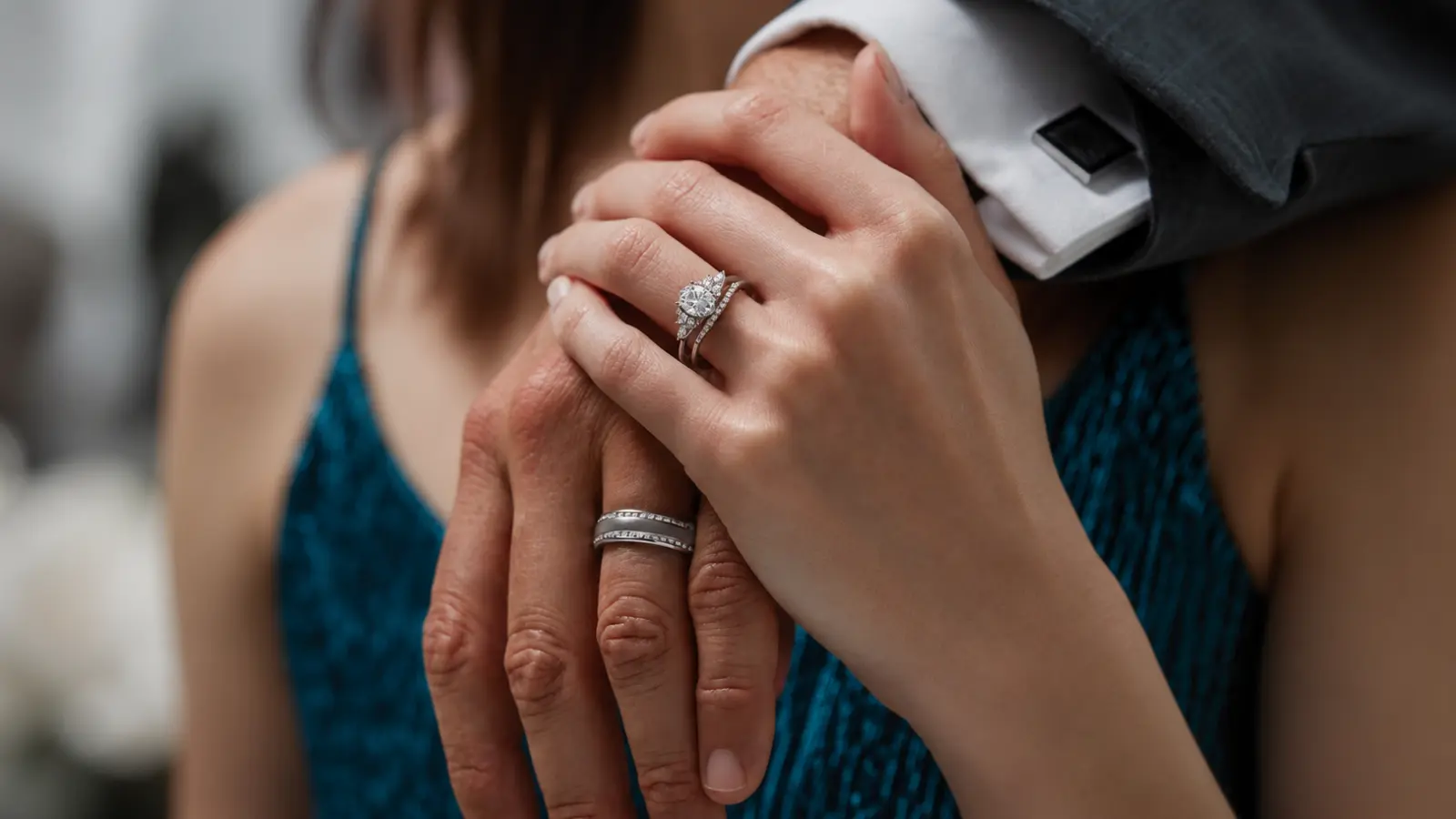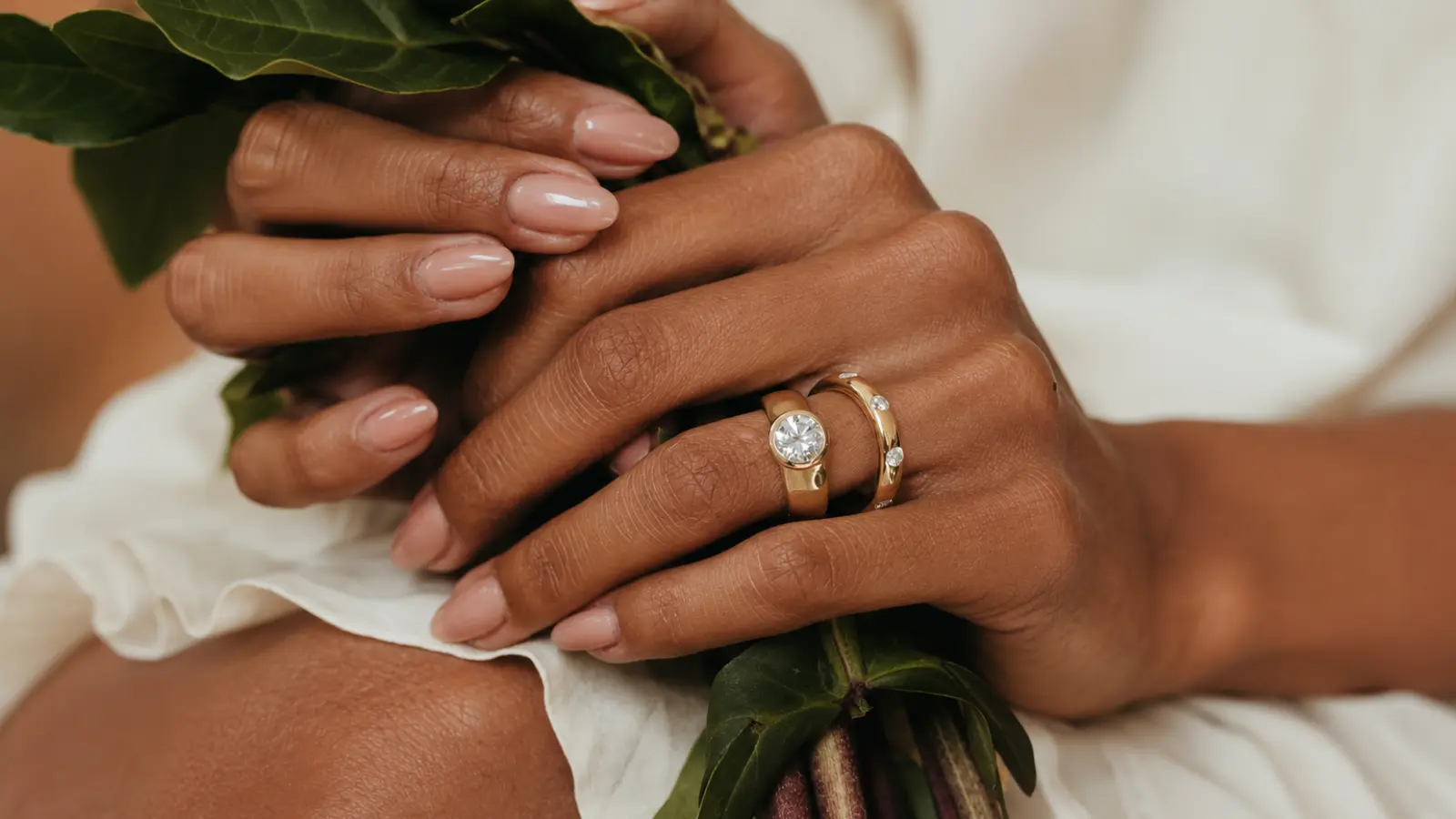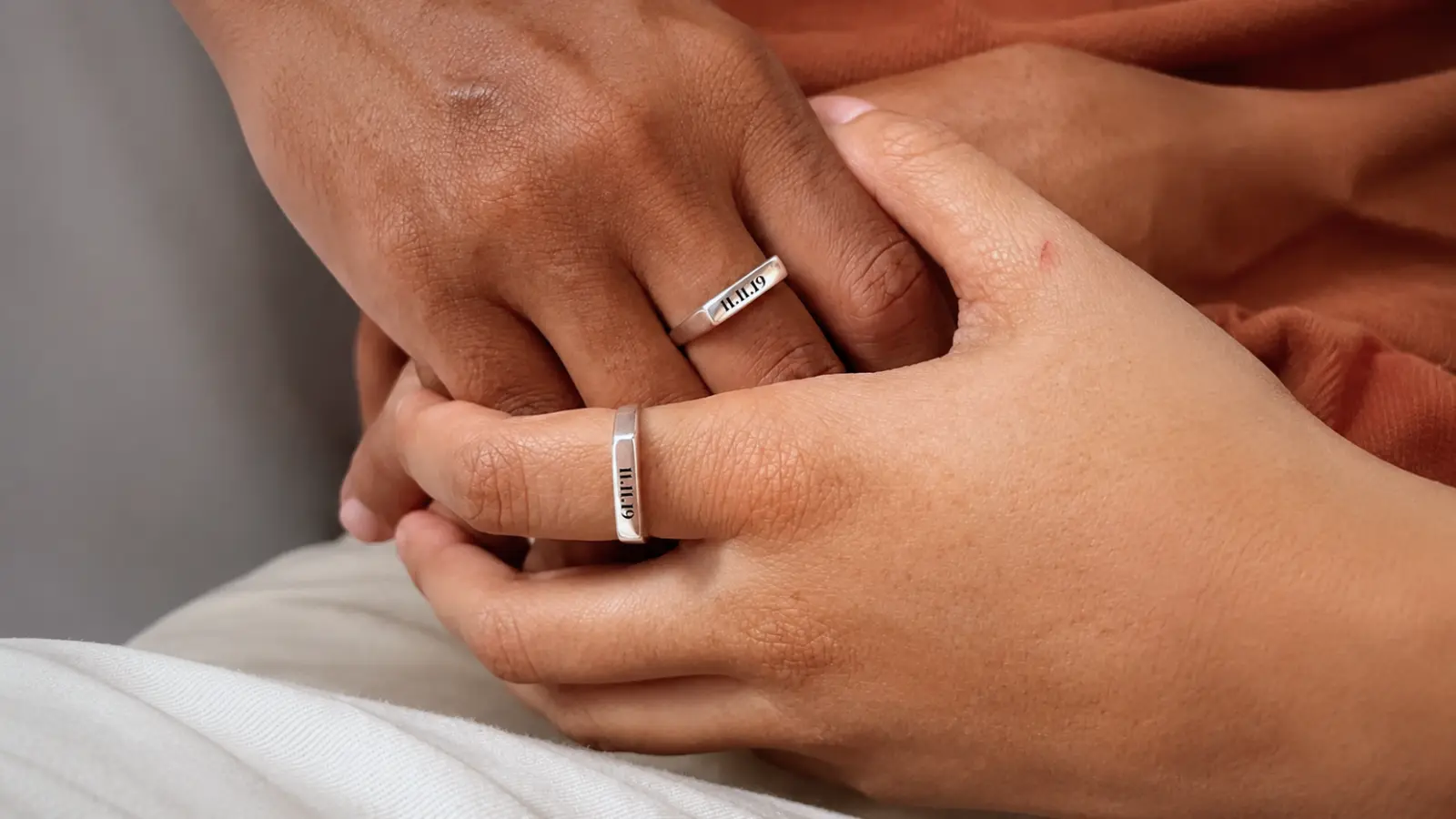
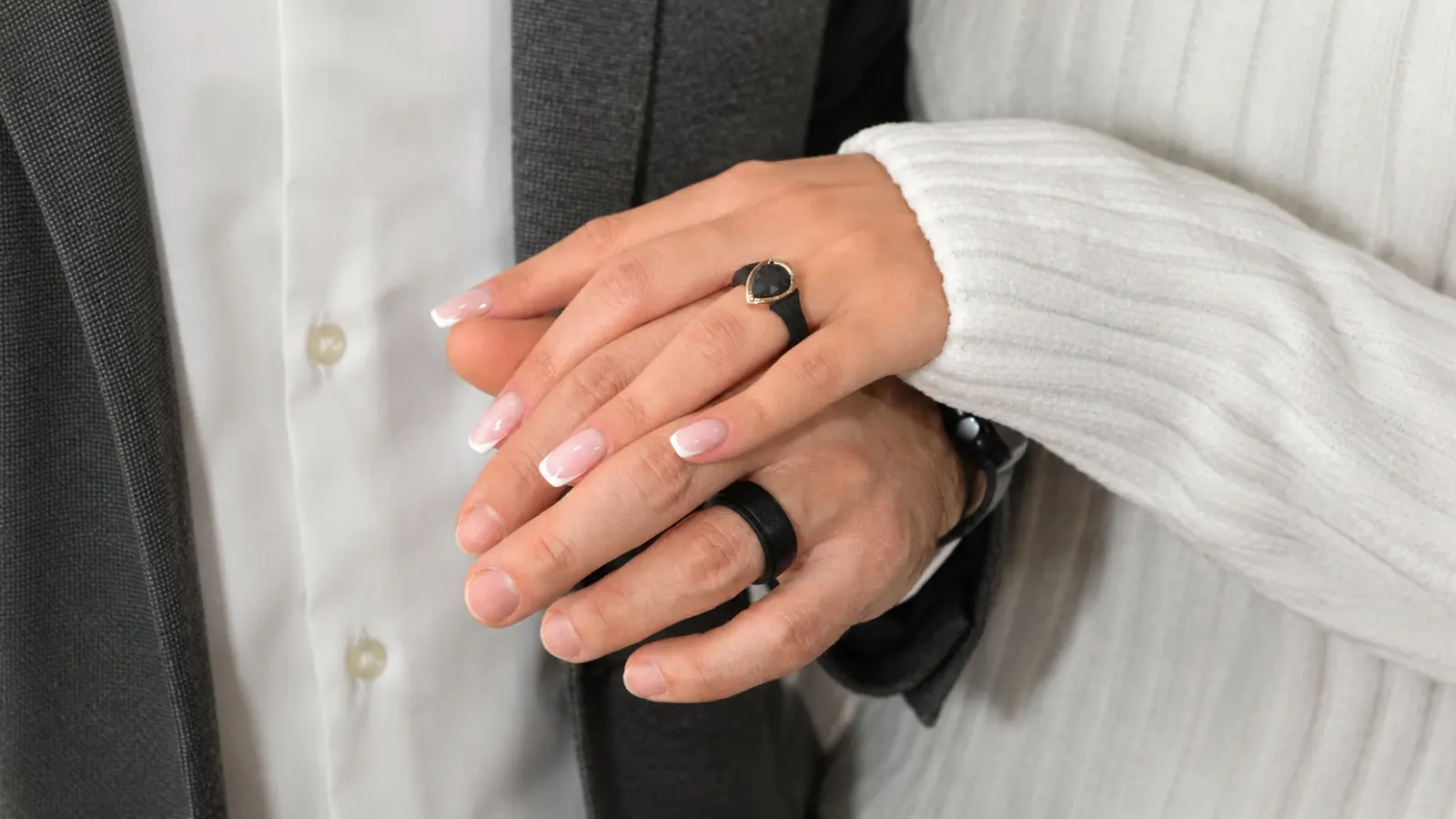
Silicone wedding rings are flexible, non-metal wedding bands made from silicone and designed to be worn when traditional metal rings are uncomfortable, impractical, or unsafe. They are commonly used during work, exercise, travel, pregnancy, and other situations where a gold, platinum, or other metal ring may not be the best option.
A silicone wedding ring is not a wedding ring in the traditional sense. It does not carry the weight of gold, the permanence of platinum, or the history behind a traditional metal band. What it does offer is a practical solution for real moments when wearing a metal ring does not fit everyday life.
This guide explains silicone wedding rings, including when to wear them, silicone vs rubber, safety benefits, options for men and women, pregnancy use, active lifestyles, and how silicone compares with other wedding rings and wedding bands.
What Are Silicone Wedding Rings?
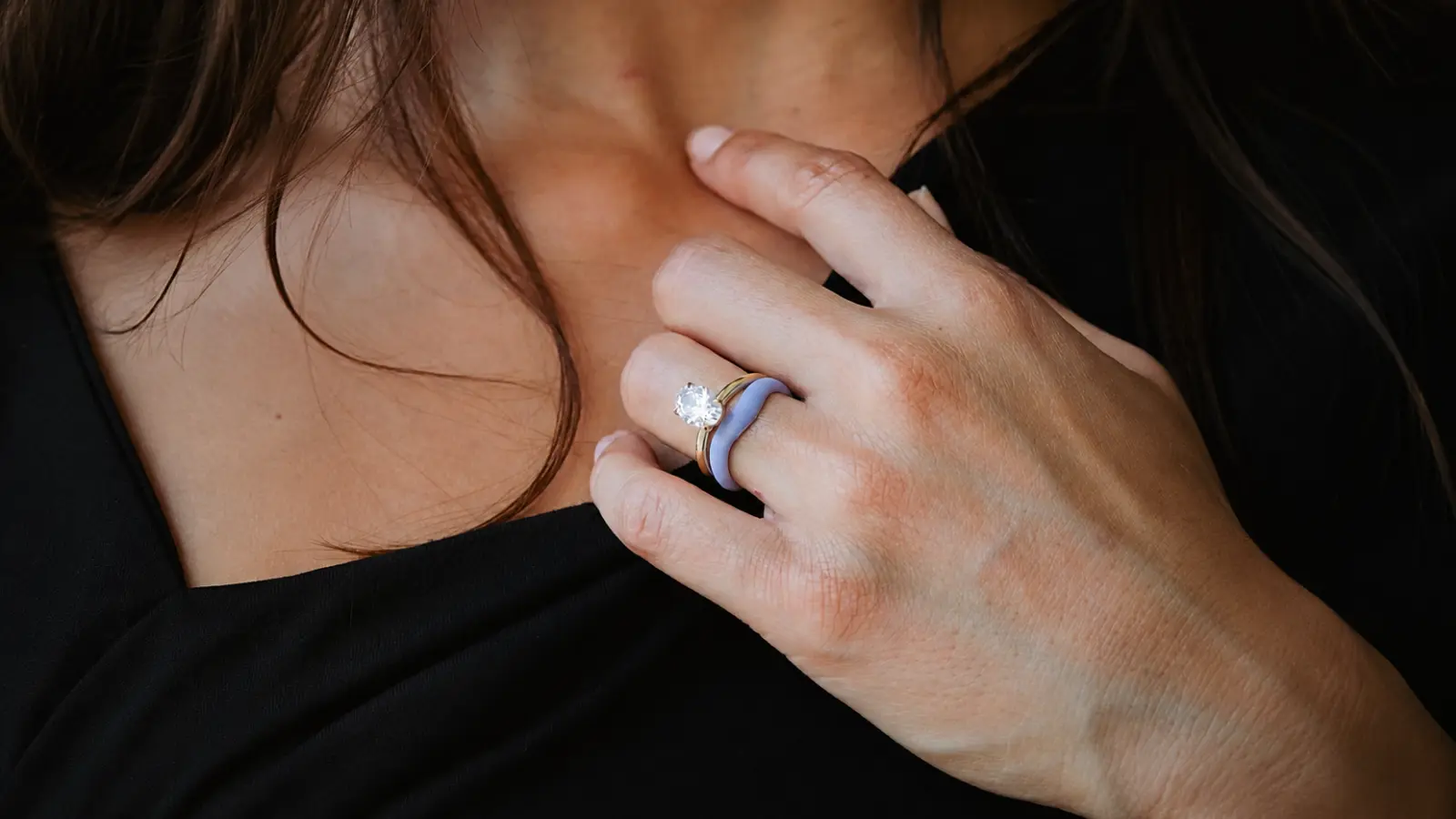
Silicone wedding rings are bands made from silicone, worn by married people who want to keep a ring on in contexts where their metal ring is not an option. The category grew out of a real need: there are environments where a metal ring creates genuine risk or discomfort, and for years, the only answer was to remove the ring entirely. Silicone filled that gap.
The material itself matters more than it might seem at first. Medical-grade silicone — the standard used by reputable ring manufacturers — is a synthetic polymer with a long track record of biocompatibility. It is inert, meaning it does not react with skin, sweat, cleaning products, or most chemicals. It does not degrade from UV exposure the way natural rubber does. It is non-conductive, which is a meaningful safety property for anyone working around electrical systems. And it is flexible enough to be compressed, stretched, and bent continuously without breaking down — until, eventually, repeated stress causes it to wear out, typically over one to three years of active daily use.
The safety design of silicone rings is a feature that often goes undiscussed but is arguably the most important one for certain buyers. Ring avulsion — the injury that occurs when a ring catches on a surface or piece of equipment and pulls suddenly on the finger — is a serious workplace hazard in construction, manufacturing, emergency services, and similar fields. Metal rings do not give; when they catch, the force transfers directly to the finger. Silicone rings are designed to break or stretch under that kind of tension rather than hold, which can prevent severe injury. This is why many workplaces recommend or require silicone over metal in high-risk environments.
As a category, silicone works best as an alternative wedding ring for specific situations rather than a permanent replacement. Most couples who buy one keep their traditional ring for everyday wear and reach for the silicone version in specific situations — at the gym, on a job site, in the water, on a trip. That is the practical design of the category, and the clearest framing for deciding whether one makes sense for you.
Silicone vs. Rubber Wedding Rings
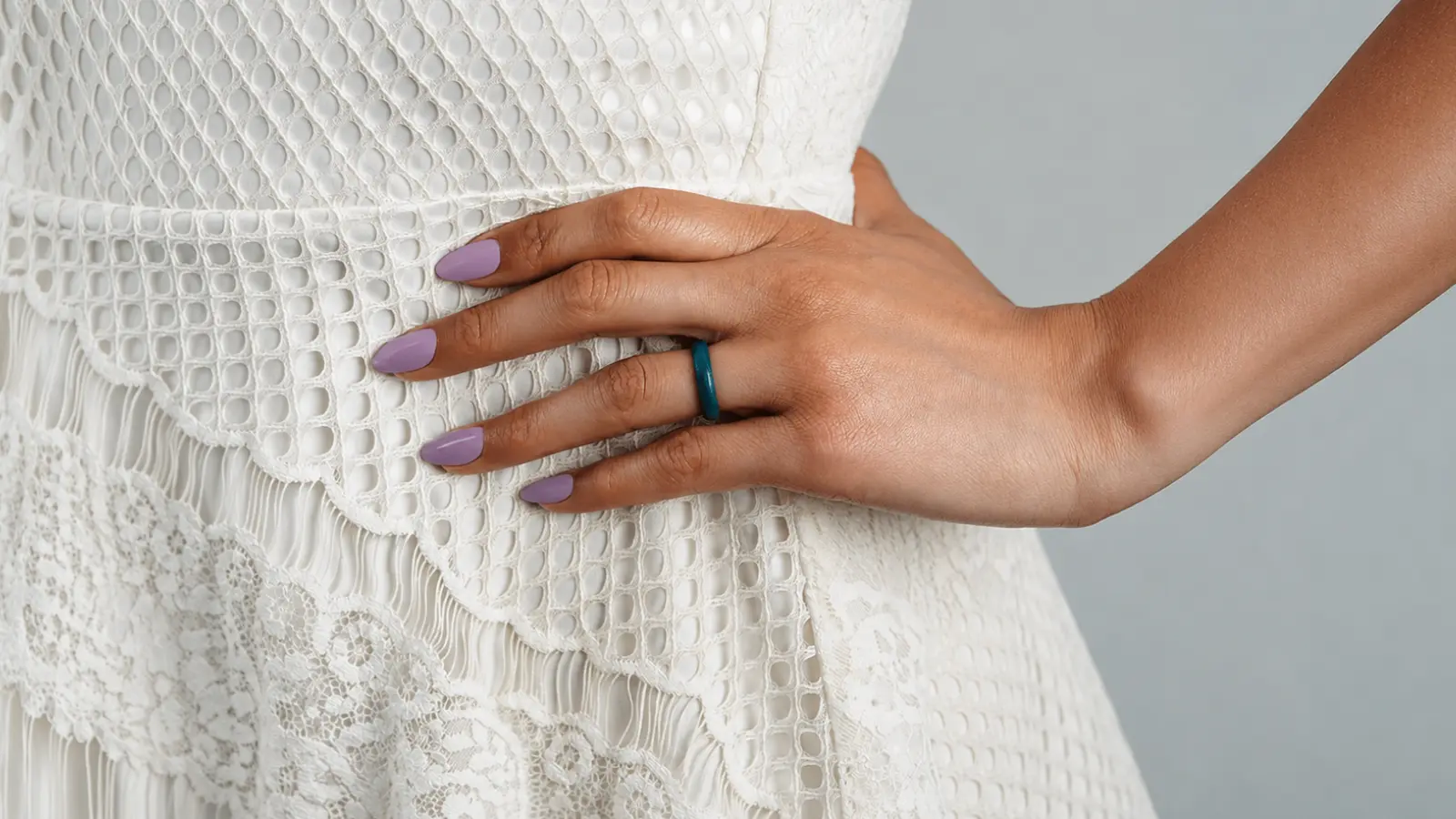
The terms silicone and rubber are often used interchangeably by retailers, but they are not the same material — and the difference matters when the ring will be in direct, extended contact with your skin.
Rubber — whether natural latex or a synthetic compound — has a different chemical profile than silicone. Natural rubber can contain latex proteins, which are a documented allergen. Latex sensitivity is common enough to affect a meaningful portion of the population, with higher rates among healthcare workers who have had repeated latex exposure. Synthetic rubber avoids latex but may include other compounds and plasticizers that are not as thoroughly tested for long-term skin contact as medical-grade silicone is. Rubber also degrades more readily over time, becoming brittle, tacky, or discolored from UV exposure, sweat, and cleaning products.
Medical-grade silicone, by contrast, is specifically validated for long-term skin and tissue contact. It does not contain latex. It does not degrade from sweat, sunscreen, or the cleaning products most people use on their hands. It maintains its flexibility and surface quality over the lifespan of the ring in a way that budget rubber does not. The quality difference shows most clearly after several months of consistent wear.
One category worth knowing: some rings are marketed as silicone but are actually made from thermoplastic elastomer (TPE) or thermoplastic rubber (TPR) — materials that look and feel similar but have different durability and safety profiles. Reputable brands specify their materials; if a listing does not say medical-grade silicone explicitly, it is worth clarifying before you buy, particularly if you have a history of skin reactions to rubber or known latex sensitivity.
In general, established brands with transparent material specifications are the safer choice over very large multi-packs from unfamiliar sources at unusually low prices. The few dollars saved rarely justifies uncertainty about what the ring is actually made from.
Who Should Wear a Silicone Wedding Ring
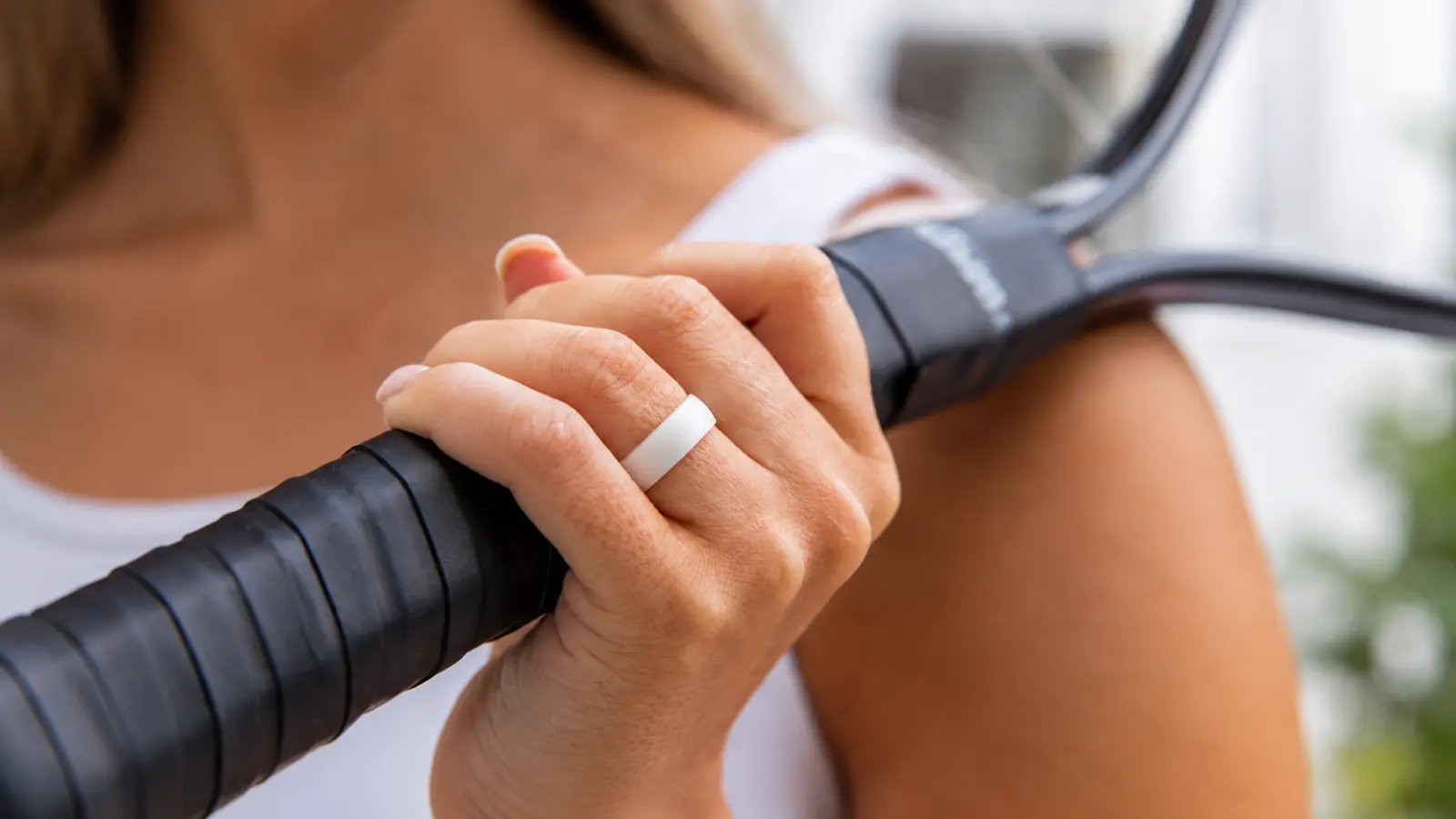
The simplest way to identify who belongs in this category: anyone for whom wearing a metal ring in a given context creates a problem that a silicone ring would solve. That group is larger and more varied than it might initially appear, and breaks into a few consistent profiles.
People in Physically Demanding Jobs
Electricians, construction workers, mechanics, first responders, military personnel, and anyone working around machinery or pinch points benefit from a ring that will release rather than hold under sudden force. The ring avulsion risk in these environments is documented and real, and silicone’s break-away design directly addresses it. Many employers in construction, electrical work, manufacturing, and emergency services actively recommend or require silicone over metal for this reason. In these contexts, choosing silicone is not a compromise — it is the correct tool for the situation.
Athletes and Active Individuals
Lifting weights with a metal ring creates pressure points and potential for bar damage. Many gym-goers remove their ring for workouts entirely, which means going without a ring for a meaningful portion of their waking hours. A silicone ring handles gym sessions, outdoor sports, rock climbing, cycling, and swimming in a way that metal rings cannot or should not. It does not clang against barbells, slip off in the pool, or create friction against gloves and grips. For anyone who is active for several hours a day, a silicone ring during those hours is simply the practical choice.
Travelers
People heading to destinations where valuable jewelry creates security concerns often use silicone as a travel wedding ring for the duration of the trip. The metal ring stays safely at home; the silicone ring fills the visible role on the finger without the financial exposure. As an added convenience, the ring passes through metal detectors without removal — a small benefit that adds up for frequent travelers.
Pregnant Women and Anyone With Temporary Swelling
A metal ring that fits in February may not fit comfortably in the third trimester. Silicone’s flexibility accommodates swelling across a range of finger sizes — it stretches to be comfortable on larger fingers and can be sized slightly snug to stay on smaller ones. Many women buy a silicone ring in the second trimester and wear it until finger size stabilizes postpartum, then return to their metal ring. The same logic applies to anyone managing temporary swelling from medical conditions, heat, or long flights.
Silicone Wedding Rings for Men
Men represent the largest segment of the silicone ring market, and the reasons track closely with the categories above. Men are more frequently employed in the trade and physical occupations where metal rings create safety hazards. Men who are new to wearing jewelry — and for many, a wedding ring is the first piece they have worn consistently — sometimes find a lighter, less obtrusive silicone band easier to adapt to than a metal ring. And men in active sports or fitness routines often want a ring that holds up through training without requiring removal.
The aesthetic range in men’s silicone rings has expanded considerably. Plain matte bands in black, gray, navy, and olive are the core of the category — understated colors that work with most wardrobes and do not draw attention. Textured designs, two-tone bands, and rings with subtle grooves or raised patterns add visual variety without moving into territory that looks out of place. Width typically runs 6mm to 8mm, which aligns with standard men’s band proportions and reads clearly as a ring rather than an accessory.
Black silicone bands are the most popular color in the men’s segment by a significant margin. The color is understated, works in both casual and professional contexts, and fits the broader popularity of black wedding rings in contemporary men’s jewelry. It is also a color that shows dirt and buildup visibly, making cleaning a more obvious periodic need than a lighter color — a minor practical note, since silicone cleans easily with soap and water and dries quickly.
On sizing: silicone is less precise than metal, and deliberately so. The flexibility of the material means a ring that is close to the right size will generally work. Many men buy two sizes — one for when fingers are slightly larger from heat or exercise, one for normal conditions — and rotate between them. This is easier and considerably less expensive than the precision sizing required for metal rings. For a full comparison of styles, fit, and everyday use, the men’s silicone wedding bands covers the category in more detail.
Silicone Wedding Rings for Women
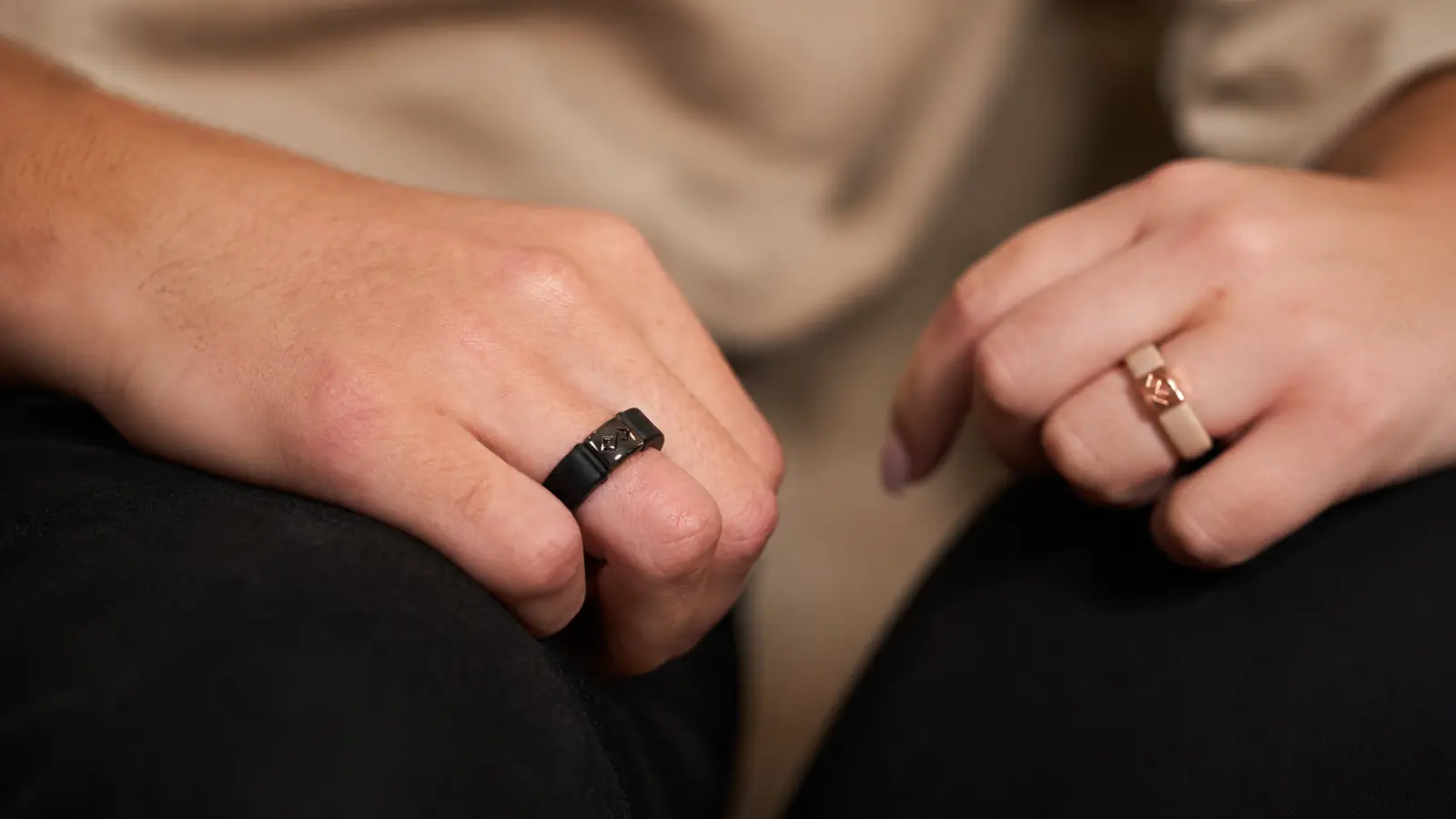
Women’s silicone rings have moved beyond the purely functional into a range of options that reflect genuine aesthetic consideration. While the market remains led by practical use cases — pregnancy, fitness, work, and travel — the available designs now include stacking bands, rings with subtle texturing or pattern detail, and colors beyond the neutral palette that dominates the men’s market.
Stacking silicone bands are popular among women who want to wear multiple thin rings together. Bands in 2mm to 3mm widths can be worn in groups of two or three, creating a layered look that translates reasonably well from metal stacking rings into silicone form. The flexibility of silicone makes stacking comfortable in a way that rigid metal bands often are not during active wear.
The pregnancy use case is particularly prominent in the women’s segment, and the design consideration that follows from it is practical. A ring worn during pregnancy needs to accommodate significant size variation over weeks and months. Sizing up by a full size or more from a normal metal ring size — rather than matching the metal ring exactly — gives the ring room to sit comfortably as swelling progresses. Silicone’s flexibility provides a natural buffer, but starting with a generous fit makes the ring wearable across more days and more stages of the pregnancy.
Women in healthcare, food service, or childcare — environments where jewelry must often be minimized for hygiene or safety reasons — find silicone a practical solution that satisfies both the professional requirement and the personal one. A thin silicone band is less likely to harbor bacteria than a metal ring with stones or complex settings, easier to sanitize, and less likely to snag on equipment or clothing during a busy shift. For more on women’s ring options across styles and materials, the wedding rings for women covers the full picture.
When to Wear Silicone Instead of Metal
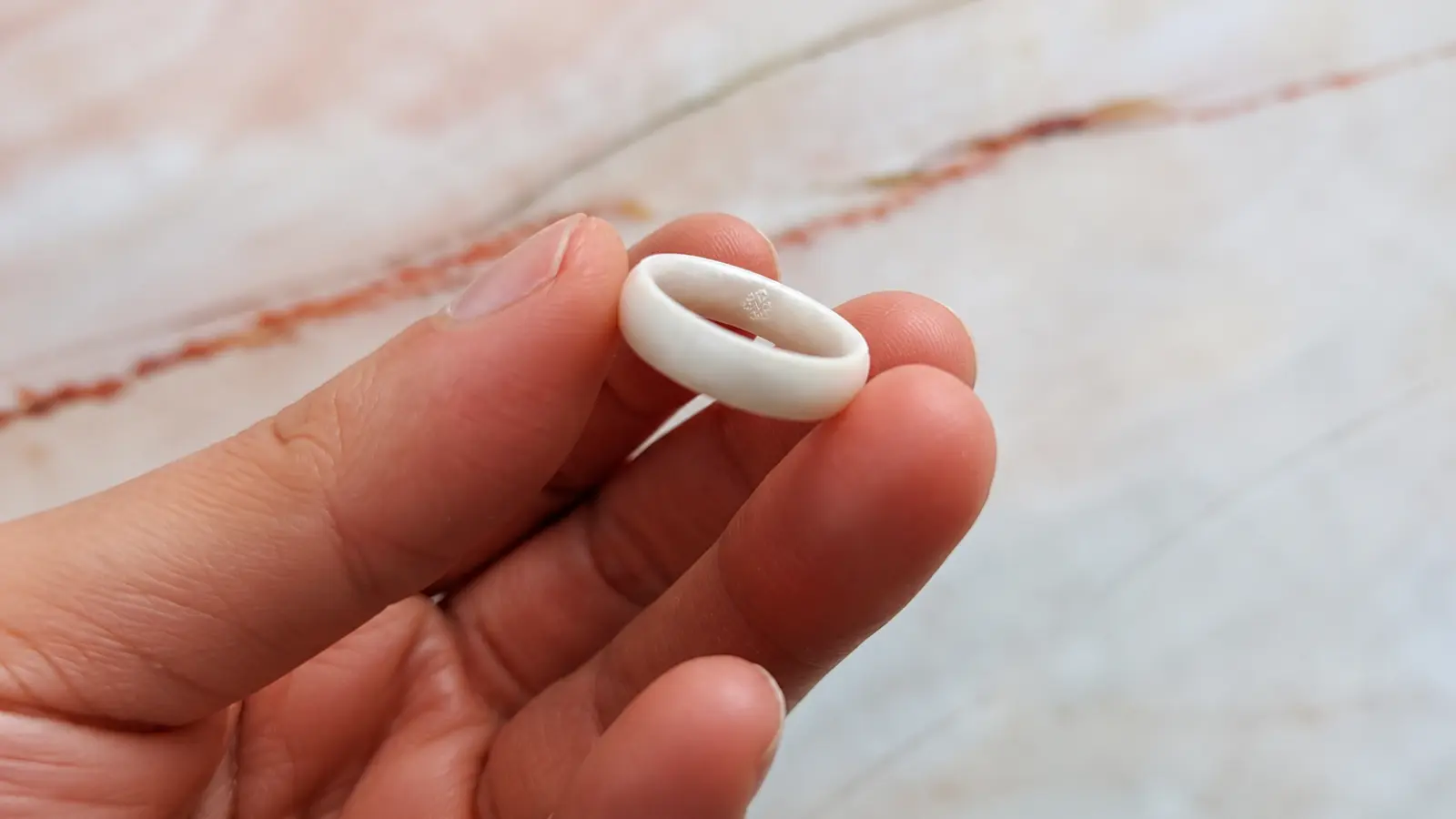
The clearest guide here is a simple question: would wearing your metal ring in this situation create a problem? If the answer is yes, silicone is likely the right call for that context. The situations where the answer lands as yes tend to be fairly consistent across most active people’s lives.
At the Gym and During Physical Training
Metal rings create friction against equipment, can deform or scratch against barbells and pull-up bars, and leave marks on both the ring and the palm. Many gym-goers remove their ring for workouts, which means going bare-handed for a significant portion of the day. A silicone ring during training preserves the wedding ring meaning without any of those friction points. It is particularly useful for Olympic lifting, CrossFit, or gymnastics work where grip quality matters and a metal ring is a genuine equipment issue.
On the Job Site or in a Workshop
In any environment with machinery, pinch points, or heavy equipment, silicone is the correct ring. This is a safety matter, not a preference. Ring avulsion injuries are preventable, and choosing a ring designed to release under sudden force is the step that prevents them. This applies to construction, electrical work, welding, auto mechanics, and any trade where hands are regularly near equipment with potential catch points.
In the Water
Cold water causes fingers to contract, which makes metal rings more likely to slip off in pools or the ocean. Chlorinated and salt water can affect some metal finishes with prolonged exposure. Silicone is unaffected by water at any temperature, does not slip off as fingers contract in cold, and requires no special care after swimming — a rinse and dry when you dry your hands is all it needs.
While Traveling
Carrying a valuable metal ring introduces loss and theft risk in unfamiliar locations. A silicone ring worn in its place keeps the visual signal of the wedding ring without the financial exposure. It passes through metal detectors without removal, which removes a small friction point from security checkpoints. The metal ring stays safely at home; the silicone ring handles the trip.
During Pregnancy and Temporary Swelling
A metal ring that becomes stuck or begins cutting off circulation from swelling should come off — and it should come off before the situation becomes urgent. A silicone ring that expands with the finger can stay on comfortably through those same conditions. For long flights, high heat, or medical situations that cause temporary finger swelling, having a silicone ring available is simply practical preparation.
The situations where silicone is clearly the wrong choice are equally consistent: formal occasions, ceremonies, events where the ring is meant to be seen and to mean something as an object. Those moments belong to the metal ring. Silicone covers the practical hours — and for most people living active lives, those hours add up significantly., the water, the flight — when the metal ring stays safely at home.
Silicone Wedding Ring Inspiration
Silicone wedding rings are designed for everyday situations where comfort, flexibility, and safety matter most. Explore our inspiration board for black silicone bands, thin designs, active lifestyle rings, breathable styles, and practical wedding ring alternatives.
Choosing a Silicone Wedding Ring for Real Life
A silicone wedding ring is not about replacing the meaning of a traditional ring. It is about having an option that fits the parts of life where comfort, safety, and practicality matter most.
Whether you wear silicone at work, during workouts, while traveling, or during a temporary season of life, the right wedding ring is the one that supports the way you actually live. Sometimes the most meaningful choice is simply the one that lets you keep wearing your commitment every day.
Frequently asked questions (FAQ)
Are silicone wedding rings considered real wedding rings?
Yes. A silicone wedding ring can represent marriage the same way a metal ring does because the meaning comes from the commitment, not the material. However, silicone rings serve a different purpose than traditional gold or platinum rings. Many people use silicone as a practical everyday alternative while keeping their original wedding ring for special occasions.
Why do people wear silicone rings instead of metal rings?
People usually choose silicone rings because a metal ring is not practical or safe for certain parts of daily life. Silicone rings are popular for physical jobs, workouts, travel, pregnancy, outdoor activities, and situations where a valuable or rigid metal ring could become uncomfortable, damaged, or unsafe.
Can you wear a silicone wedding ring permanently?
Yes, some people wear silicone wedding rings permanently, but they should understand the trade-offs. Silicone is comfortable, affordable, and practical, but it does not have the lifespan or traditional feel of precious metals. A silicone ring will eventually need replacement, while materials like gold or platinum are designed to last for generations.
Why do silicone wedding rings break?
Silicone wedding rings are designed to stretch or break under certain pressure instead of staying rigid like metal. This is one of their main safety advantages, especially for people working around tools, equipment, or situations where a metal ring could get caught. Breaking is not always a failure — it can be part of the protective design.
Do silicone wedding rings look professional?
Many modern silicone wedding rings are designed to look simple and understated, making them appropriate for everyday situations. Neutral colors, slim profiles, and clean designs can create a more professional appearance. However, they will still look different from traditional metal jewelry, especially at formal events.
What should you know before switching to a silicone wedding ring?
Before switching to silicone, understand that it is designed for comfort and practicality rather than luxury or permanence. Consider how often you need a safer alternative, whether you still want a traditional ring for special moments, and how you feel about replacing the ring periodically as it wears over time.