Learning how to clean a wedding ring safely starts with understanding the ring’s metal, gemstones, and design. For many wedding rings, a simple routine with warm water, mild soap, and a soft brush can remove everyday buildup and restore shine without requiring special products.
However, not every wedding ring should be cleaned the same way. Diamonds, gold, and platinum can usually handle gentle home cleaning, while delicate gemstones like opal, pearl, turquoise, and emerald require extra care to avoid damage from soaking, chemicals, or aggressive methods.
This guide explains how to clean a wedding ring at home, including safe cleaning steps, care tips for different metals and gemstones, what products to avoid, daily habits that protect your ring, and when professional cleaning is the better choice.
How to Clean a Wedding Ring Safely at Home
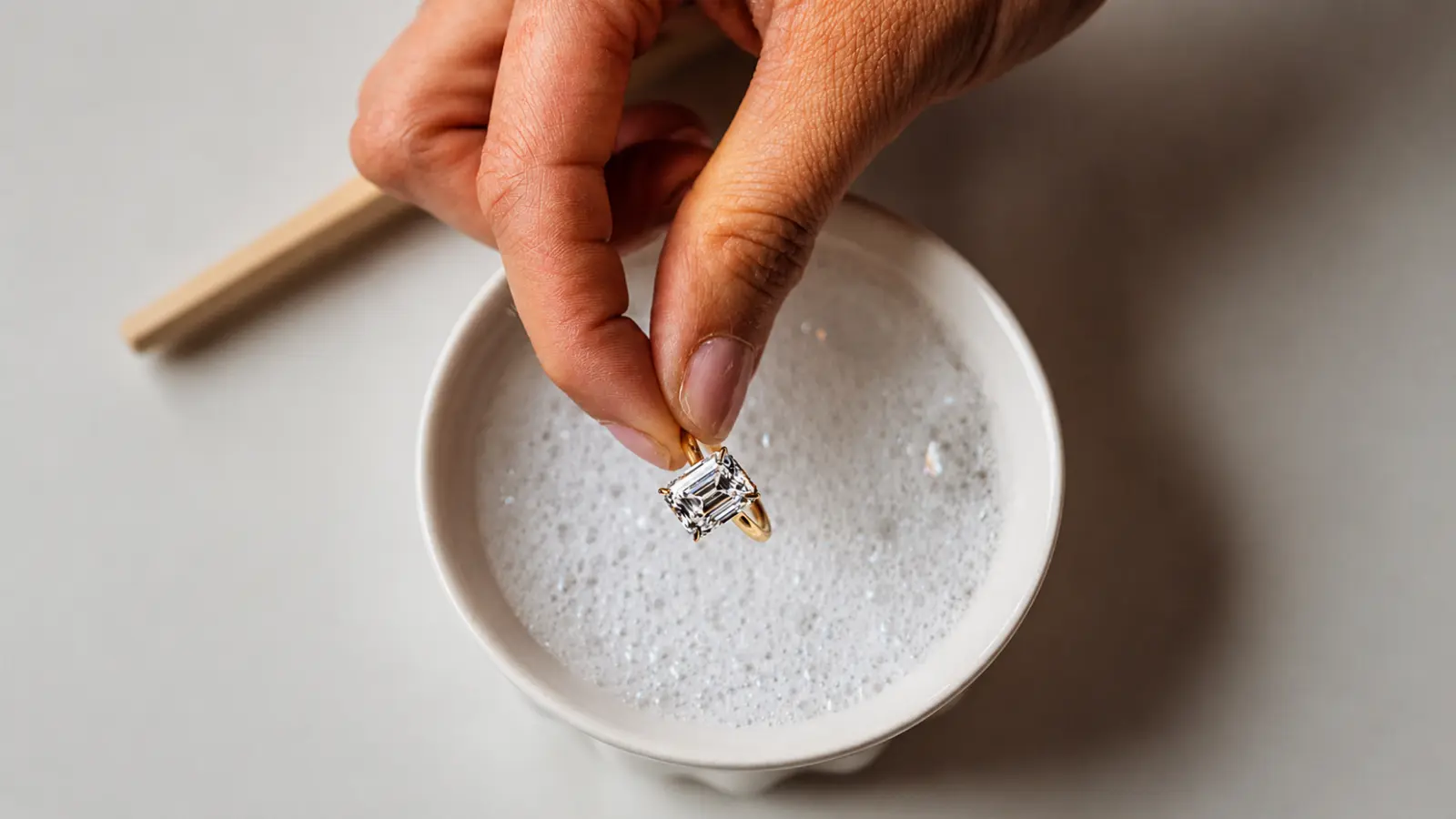
For the vast majority of wedding rings — gold or platinum settings with diamonds or other hard gemstones — the same basic method works well and carries very little risk. The steps below are the foundation; the sections that follow explain when and how to adjust them for specific metals and stones.
Step 1: Prepare a Warm Water and Mild Soap Solution
Fill a small bowl with warm — not hot — water, and add a few drops of a mild, unscented dish soap. Avoid anything with added moisturizers, antibacterial agents, or strong fragrance, as these can leave a residue on the ring. A basic, gentle dish soap is genuinely the best choice; there is no need for a specialty jewelry cleaner for routine maintenance.
Step 2: Soak the Ring
Place the ring in the solution and let it sit for 15 to 30 minutes. This soaking time is enough to loosen the buildup that accumulates from lotion, soap residue, and everyday skin oils — the most common cause of a ring looking dull.
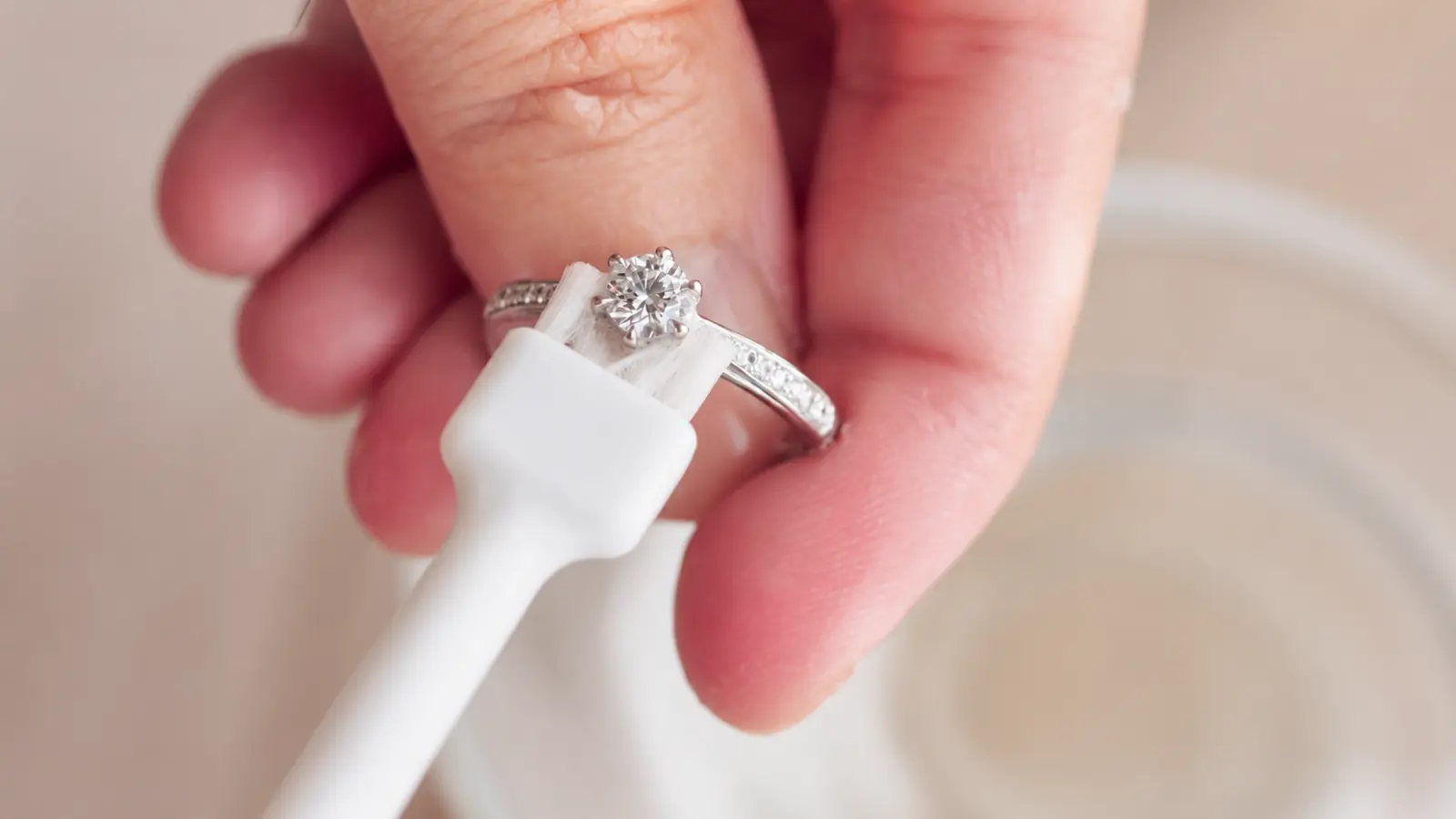
Step 3: Brush Gently
Using a soft-bristled brush — a clean, soft toothbrush is the standard recommendation, and one that has never been used with toothpaste — gently brush the ring, paying particular attention to the underside of the setting and any crevices around stones. This is where buildup accumulates most and where a quick rinse alone will not reach.
Step 4: Rinse Thoroughly
Rinse the ring under warm running water. If your sink has an open drain, place the ring in a cup or use a stopper first — a surprising number of wedding rings are lost to a moment of distraction during this exact step.
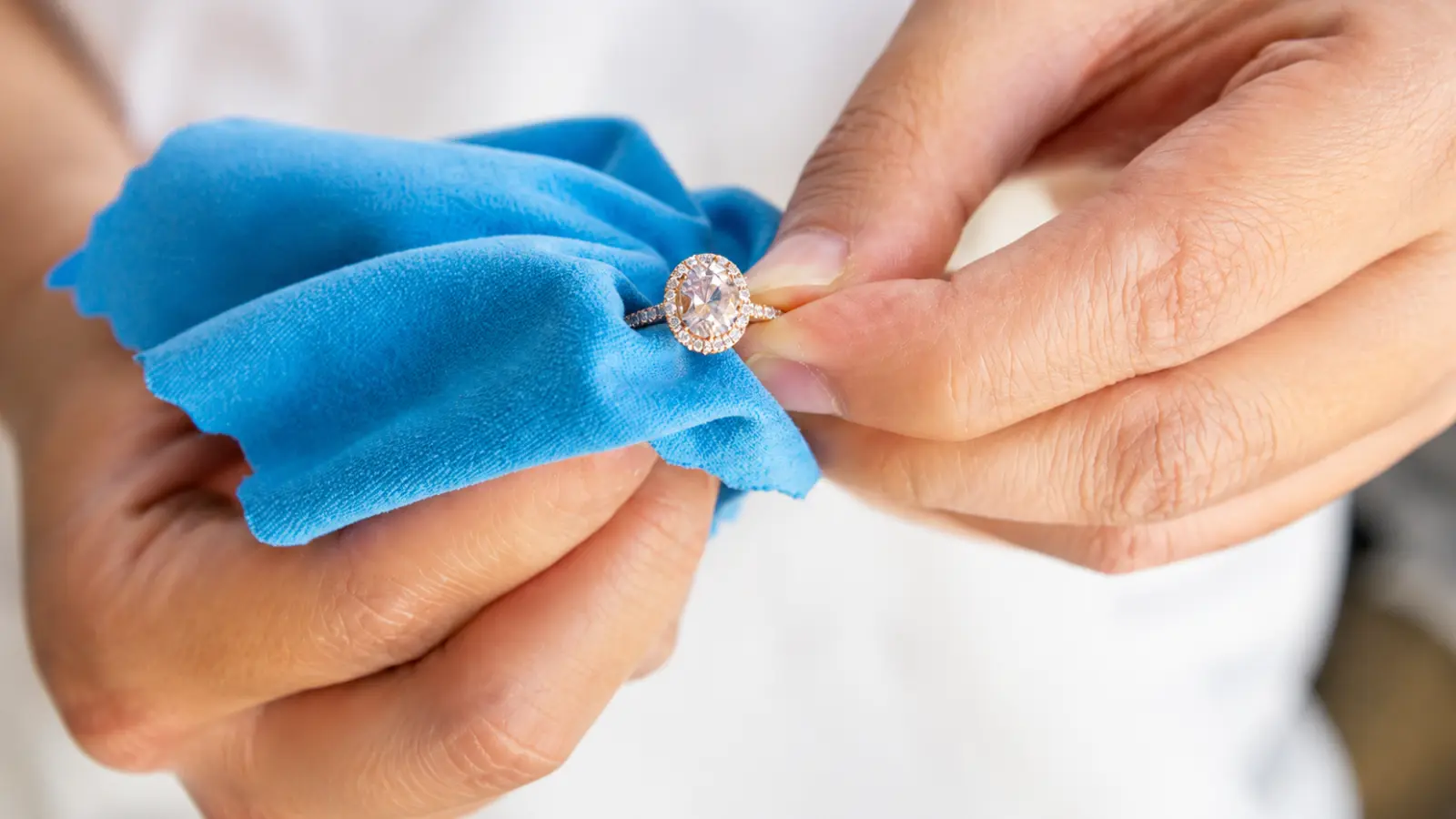
Step 5: Dry With a Soft, Lint-Free Cloth
Pat the ring dry with a soft cloth — a microfiber cloth works well, and many jewelers include one with a purchase for exactly this purpose. Avoid paper towels, which can be slightly abrasive on softer metals over repeated use, and avoid letting the ring air-dry, which can leave water spots on some metals.
Cleaning Gold and Platinum Rings
Gold and platinum are the two most common metals for wedding rings, and both respond well to the basic method described above — with a few metal-specific notes worth knowing.
Yellow and Rose Gold
Yellow and rose gold are relatively soft metals, which is part of why they are so workable for intricate designs — and also why they can pick up fine scratches over time with regular wear. The warm water and mild soap method is gentle enough not to add to this wear. What helps most with gold wedding rings is frequency: cleaning every week or two, even briefly, prevents the kind of heavier buildup that might tempt someone toward a more aggressive scrub later.
White Gold
White gold wedding rings are typically plated with rhodium, a hard, bright white metal that gives white gold its characteristic shine. This plating wears down gradually with normal use — usually over one to two years, depending on how often the ring is worn — and the underlying gold, which has a slightly yellow or grey tone, becomes more visible as it does. This is not something cleaning fixes; it is a normal part of owning a white gold ring, and it is resolved through occasional re-plating by a jeweler, not through home cleaning. The basic cleaning method is still safe for white gold and helps the existing plating look its best for as long as it lasts.
Platinum
Platinum is denser and more durable than gold, and it does not require re-plating the way white gold does. One characteristic worth knowing: platinum wedding rings develop a soft surface texture called a patina with wear — a slightly matte, brushed appearance that many people find attractive in its own right. Cleaning with the basic method will not remove this patina; it simply removes buildup. If you prefer the original high-polish look, a jeweler can polish platinum back to its original shine, though many owners come to appreciate the patina as part of the ring’s character over time.
Cleaning Diamond Wedding Rings
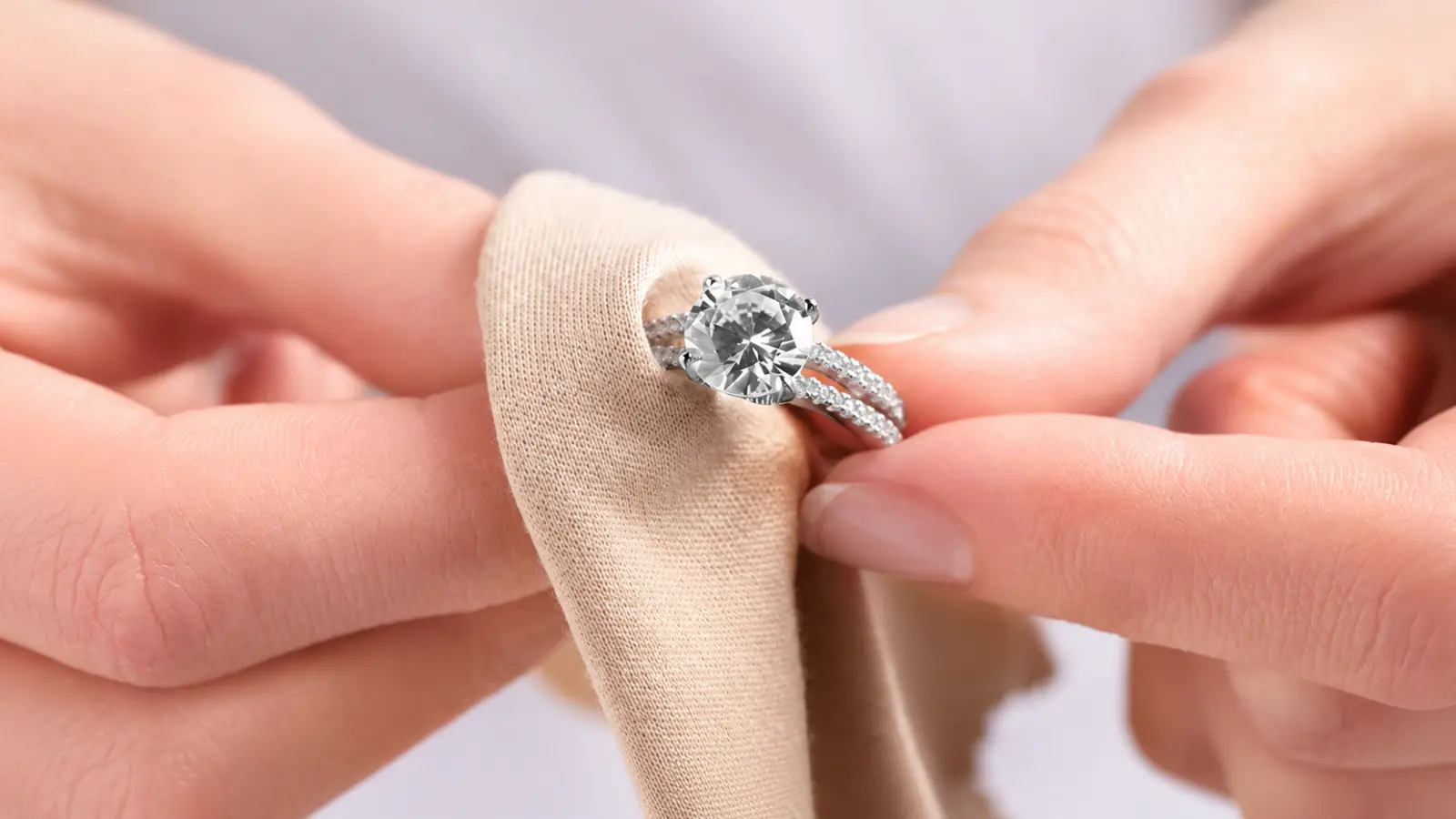
Diamonds are among the hardest natural materials, which makes them genuinely low-maintenance from a cleaning standpoint — the stone itself is essentially immune to damage from soap, water, or a soft brush. The basic method works well for diamond wedding rings, and a slightly more thorough approach can be used without much risk to the stone itself.
Why the Setting Matters More Than the Stone
The part of a diamond ring that actually needs attention is not the diamond — it is the setting underneath it. Diamonds are typically set in a way that allows light to pass through from below, which is part of what gives them their sparkle. Buildup that collects underneath the stone, in the small gap between the diamond and its setting, blocks that light and is the most common reason a diamond ring looks dull even when the visible surface seems clean.
When brushing a diamond ring, focus specifically on the underside of the stone and the setting — gently working the brush at an angle to reach the space beneath the diamond, where light passes through. This is the detail that makes the biggest visible difference, more so than scrubbing the top surface of the stone itself.
Hard Gemstones Paired With Diamonds
For diamonds set with other hard stones — including those found in sapphire wedding rings, ruby designs, and similar gems rated highly on the Mohs hardness scale — the same approach applies. These stones tolerate the basic cleaning method well and do not require the additional caution that softer gemstones do, covered next.
Cleaning Gemstone Rings
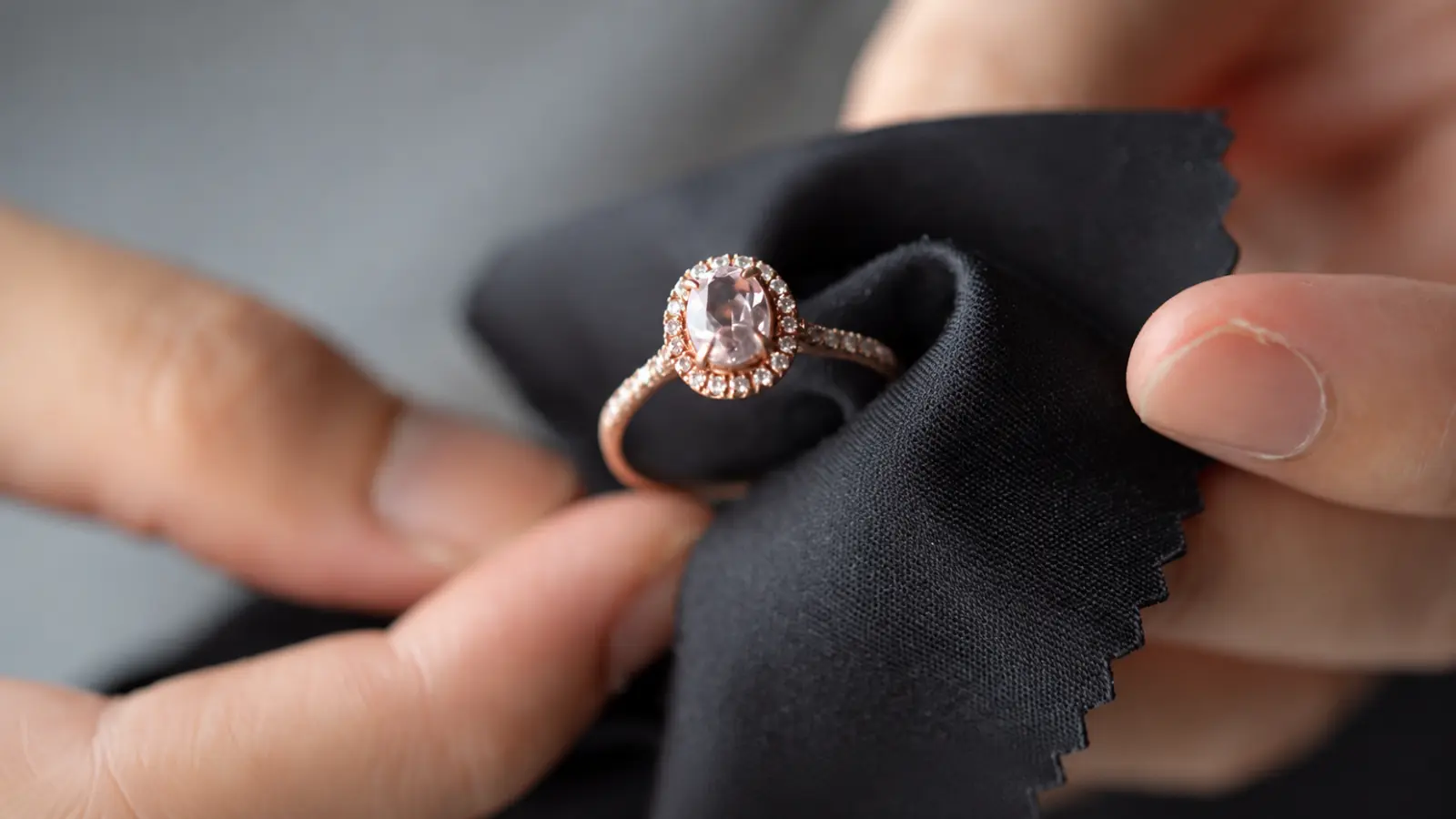
This is the section that matters most if your ring includes anything other than diamond or the harder, more common gemstones. Several popular gemstones are genuinely vulnerable to the basic cleaning method described above — not because the method is harsh, but because these particular stones are sensitive to water, temperature changes, or chemical exposure in ways that diamonds simply are not.
Opal
Opal contains water within its structure, which is part of what gives it its distinctive play of color — but it also means opal can be damaged by prolonged soaking, sudden temperature changes, or drying out too quickly. Soaking opal wedding rings for the standard 15 to 30 minutes is not recommended. Instead, wipe an opal ring gently with a barely damp soft cloth, and avoid any cleaning method that involves submersion.
Emerald
Emeralds are often treated with oil or resin to fill naturally occurring fractures within the stone — a standard and widely accepted industry practice that improves the stone’s clarity. However, this means that soaking an emerald in soapy water, or exposing it to harsh chemicals, can strip this treatment over time, making existing fractures more visible. For emerald wedding rings, a gentle wipe with a soft, slightly damp cloth is the safer choice over soaking.
Pearl
Pearls are organic and notably soft compared to mineral gemstones — they can be scratched, dulled by chemical exposure, or damaged by acidic substances (including some skin products and perfumes). Pearls should never be soaked, and they should be wiped with a soft, dry, or barely damp cloth after each wear, ideally before storing.
Turquoise
Turquoise is porous, which means it can absorb liquids — including soapy water — in ways that can affect its color over time. A dry or barely damp soft cloth is the appropriate cleaning method; soaking is best avoided.
The General Rule for Delicate Gemstones
If your ring includes opal, emerald, pearl, turquoise, or another gemstone you are unsure about, the safest default is a gentle wipe with a soft, slightly damp cloth rather than the soak-and-brush method. When in doubt, a quick search for your specific gemstone’s care requirements — or a question to the jeweler who sold the ring — takes a few minutes and can prevent a genuinely irreversible problem.
What Not to Use
A few household items occasionally get suggested as jewelry-cleaning hacks, and most of them carry meaningfully more risk than benefit for a wedding ring.
Toothpaste
Toothpaste contains mild abrasives designed to clean tooth enamel — which is harder than most metals used in jewelry. Used on a ring, these abrasives can create fine scratches on gold, platinum, and especially softer metals over repeated use. What looks like a quick shine in the moment can contribute to a duller finish over time.
Baking soda
Similarly abrasive to toothpaste, and for the same reason, baking soda is best avoided for routine cleaning — particularly for rings with any softer gemstones, where the abrasion risk is higher.
Chlorine and Bleach
Chlorine can react with gold alloys over time, causing pitting or discoloration — this is part of why many jewelers recommend removing rings before swimming in a pool or using a hot tub, even briefly. Bleach and other harsh household chemicals carry similar risks and should not come into contact with jewelry.
Ultrasonic Cleaners (for Certain Stones)
Ultrasonic cleaners use high-frequency vibrations to dislodge dirt and are genuinely effective for many rings — but they are not appropriate for stones with internal fractures (including treated emeralds), for opals, or for any setting that may already be slightly loose, as the vibrations can worsen an existing problem. If you are considering an ultrasonic cleaner at home, confirm first that your specific ring — both the metal and any stones — is suitable for it.
Alcohol-Based Cleaners
While occasionally suggested for diamonds specifically, alcohol-based solutions can affect certain gemstone treatments and some metal finishes. Given that warm water and mild soap accomplish the same goal with essentially no risk, there is little reason to introduce alcohol into the routine.
Daily Habits That Keep Rings Cleaner Longer
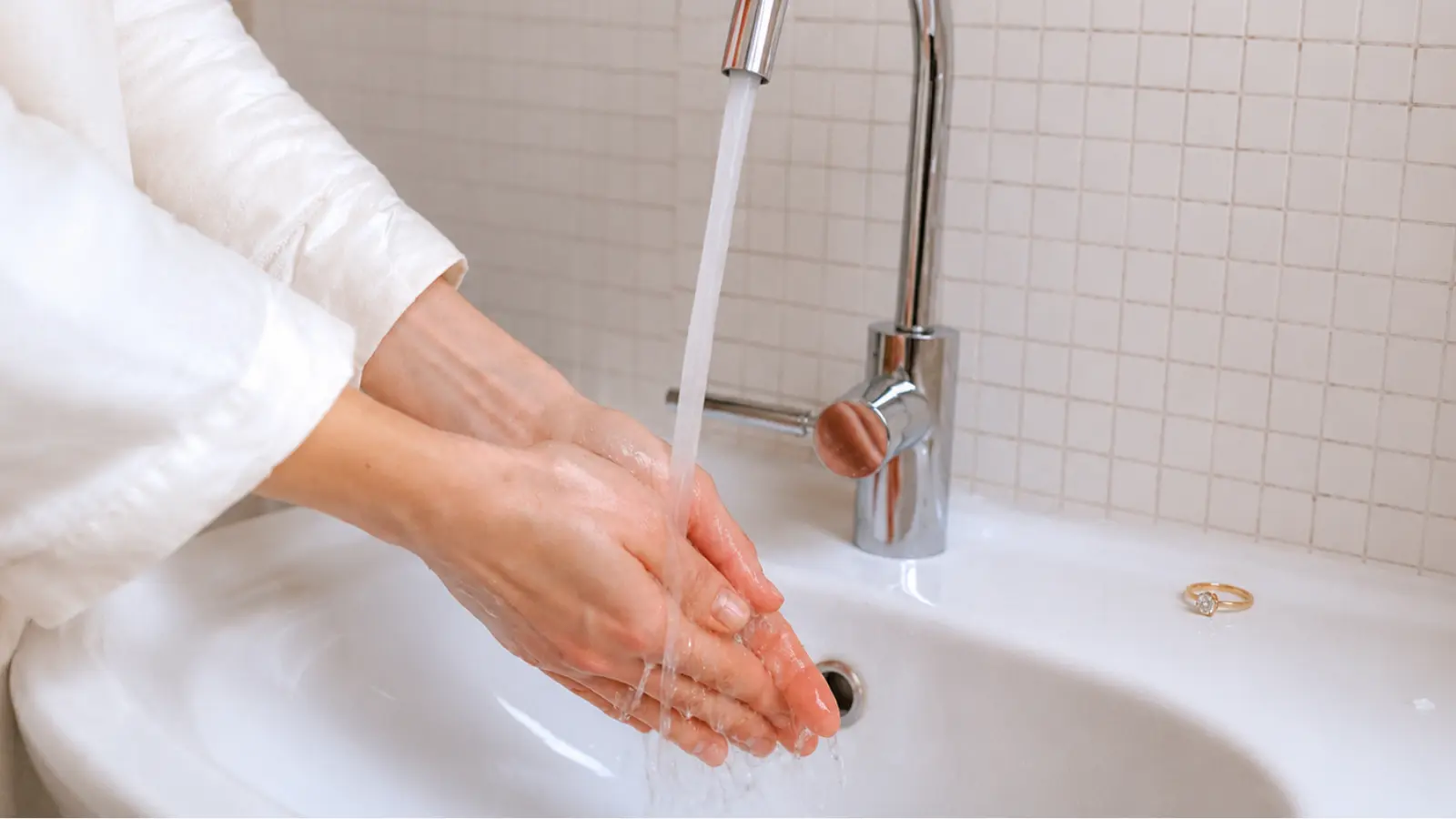
The cleaning method matters less than how often a ring needs it in the first place — and a few simple habits make a meaningful difference in how quickly buildup accumulates:
- Remove rings before applying lotion, sunscreen, or makeup. These products are among the most common sources of the cloudy film that develops on rings, particularly underneath stones. A ring that goes on after these products are fully absorbed stays cleaner for longer.
- Remove rings before activities involving chemicals or heavy soil. Cleaning the house, gardening, and similar activities introduce both physical wear and chemical exposure that a ring does not need. Many people develop the habit of keeping a small dish near the sink or by the door specifically for this — a ring removed and placed somewhere consistent is far less likely to be misplaced than one removed in a hurry and set down somewhere unexpected.
- Dry hands thoroughly after washing. Soap residue trapped against a ring, especially underneath the setting, is one of the most common contributors to the dull look people notice over time. A simple habit of drying hands fully — including under any rings — reduces this buildup significantly.
- Store rings away from other jewelry when not worn. Rings left loose in a drawer with other jewelry can pick up scratches from contact with harder pieces. A soft pouch or a ring dish with separated compartments protects the ring during the hours it is not being worn.
None of these habits take much extra time, but together they do more to keep a ring looking cared for than any cleaning method on its own.
When to See a Jeweler
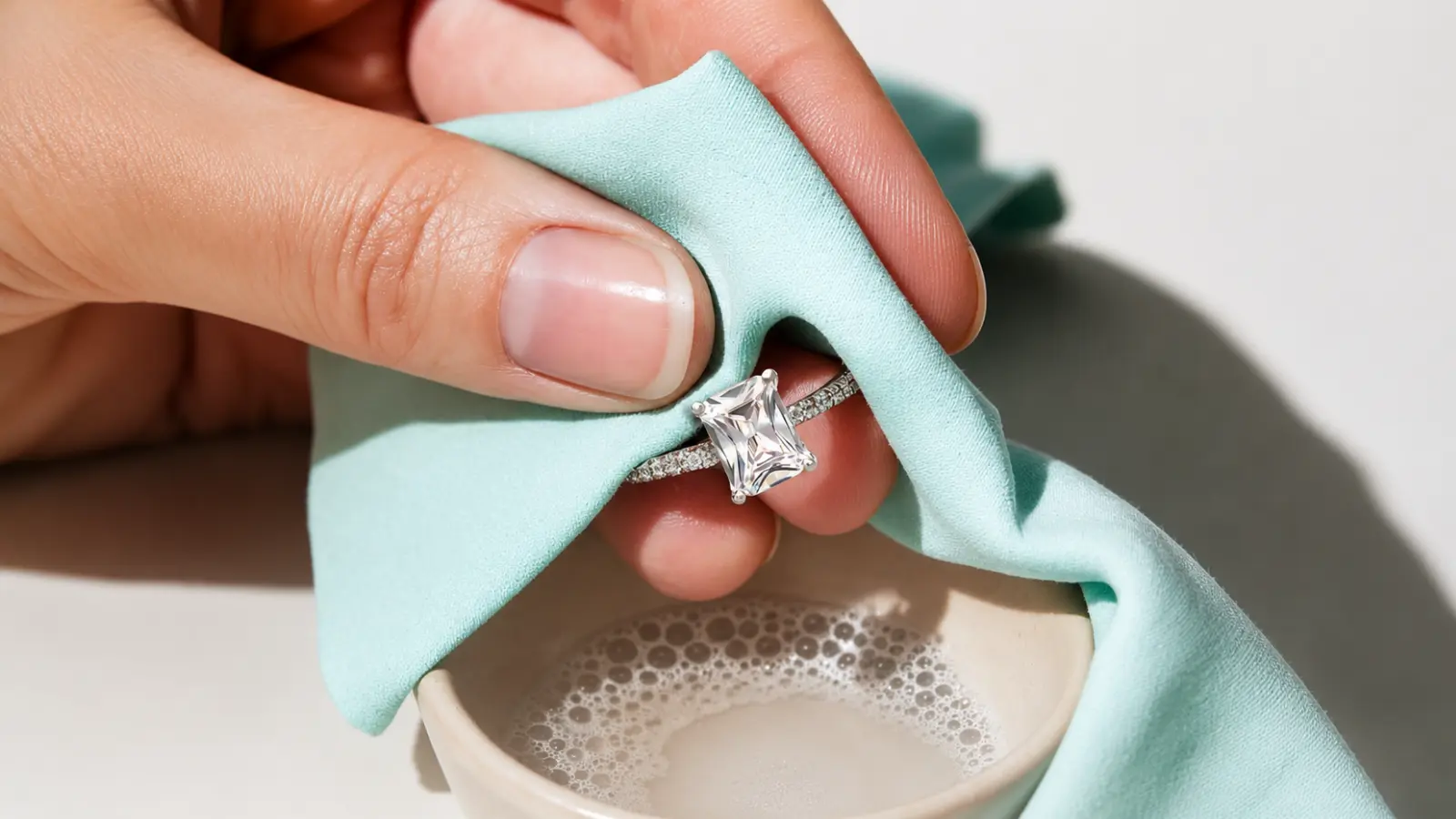
Home cleaning handles routine maintenance well, but certain situations call for professional attention — and recognizing them early generally means a simpler, less costly fix.
A Loose-Feeling Stone
If a stone feels like it shifts slightly, makes a faint clicking sound when tapped gently against a hard surface, or looks like it sits at a slightly different angle than the others, this is worth having checked promptly. A loose stone can be tightened relatively easily by a jeweler; a loose stone that is not addressed can eventually fall out and be lost entirely.
Cleaning That Does Not Restore the Shine
If a ring still looks dull or cloudy after the basic cleaning method — particularly underneath a diamond, where light passes through — a jeweler has access to professional ultrasonic and steam cleaning equipment that can reach buildup the home method cannot. This is also a good opportunity for the jeweler to inspect the setting while cleaning.
Visible Wear on Prongs or the Band
Prongs that look thin, flattened, or slightly bent, and bands that have become noticeably thin in places from years of wear, are both worth a professional look. These are gradual changes that are easy to miss day to day but that a jeweler can identify and address — sometimes with simple prong retipping or a band reinforcement — well before they become a more serious problem.
Routine Professional Cleaning and Inspection
Even without a specific concern, having a ring professionally cleaned and inspected once or twice a year is a reasonable habit for most people. Many jewelers offer this service at low or no cost, particularly for rings purchased from them, as part of an ongoing relationship — and the inspection component often catches small issues, like a slightly loose prong, well before they become noticeable in daily wear.
Caring for a Wedding Ring That Lasts
Keeping a wedding ring beautiful is not about making it look brand new forever. Every ring naturally changes with time, but proper care helps protect the details, materials, and meaning it carries through everyday life.
Whether your ring is a simple gold band, a diamond design, or a piece with delicate gemstones, the right cleaning routine should respect what makes it unique. A wedding ring is not only something you wear — it is something you care for as the years become part of its story.
Frequently asked questions (FAQ)
What is the safest way to clean a wedding ring at home?
The safest way to clean most wedding rings at home is with warm water, a few drops of mild dish soap, and a soft-bristled brush. This method works well for many gold, platinum, diamond, sapphire, and ruby rings because it removes everyday buildup without harsh chemicals. Delicate gemstones like opal, pearl, and some emeralds require a gentler approach and should not be soaked like a diamond ring.
How often should you clean your wedding ring?
Most wedding rings can be cleaned at home every one to two weeks, depending on how often they are worn and exposed to lotion, soap, oils, or daily buildup. Regular gentle cleaning prevents residue from becoming harder to remove. A professional cleaning and inspection once or twice a year can also help identify loose stones or wear before they become bigger problems.
What should you not use to clean a wedding ring?
Avoid cleaning wedding rings with toothpaste, baking soda, bleach, chlorine, or harsh household cleaners. These products can scratch metals, affect finishes, or damage certain gemstones. Stronger cleaning does not always mean better cleaning — using the correct gentle method is usually safer for preserving the ring long term.
How do you make a diamond wedding ring sparkle again?
A diamond wedding ring often loses sparkle because oils and residue collect underneath the stone where light normally passes through. Soaking the ring in warm water and mild soap, then gently brushing around the setting and underside of the diamond, can restore brightness. If the ring still looks cloudy after cleaning, a professional cleaning or inspection may be needed.
Can all gemstones be cleaned the same way?
No. Different gemstones require different cleaning methods. Diamonds, sapphires, and rubies can usually handle gentle soaking and brushing, while softer or more delicate gemstones like opal, pearl, turquoise, and some emeralds need extra care. Before cleaning a gemstone wedding ring, it is important to know what stones are in the ring and how they react to water and cleaning products.
When should you take your wedding ring to a jeweler for cleaning?
You should take your wedding ring to a jeweler if home cleaning does not restore its shine, if a stone feels loose, or if you notice changes in the setting or metal. Professional cleaning is not only about appearance — it also gives a jeweler a chance to inspect prongs, stones, and wear that may not be obvious during everyday use.