
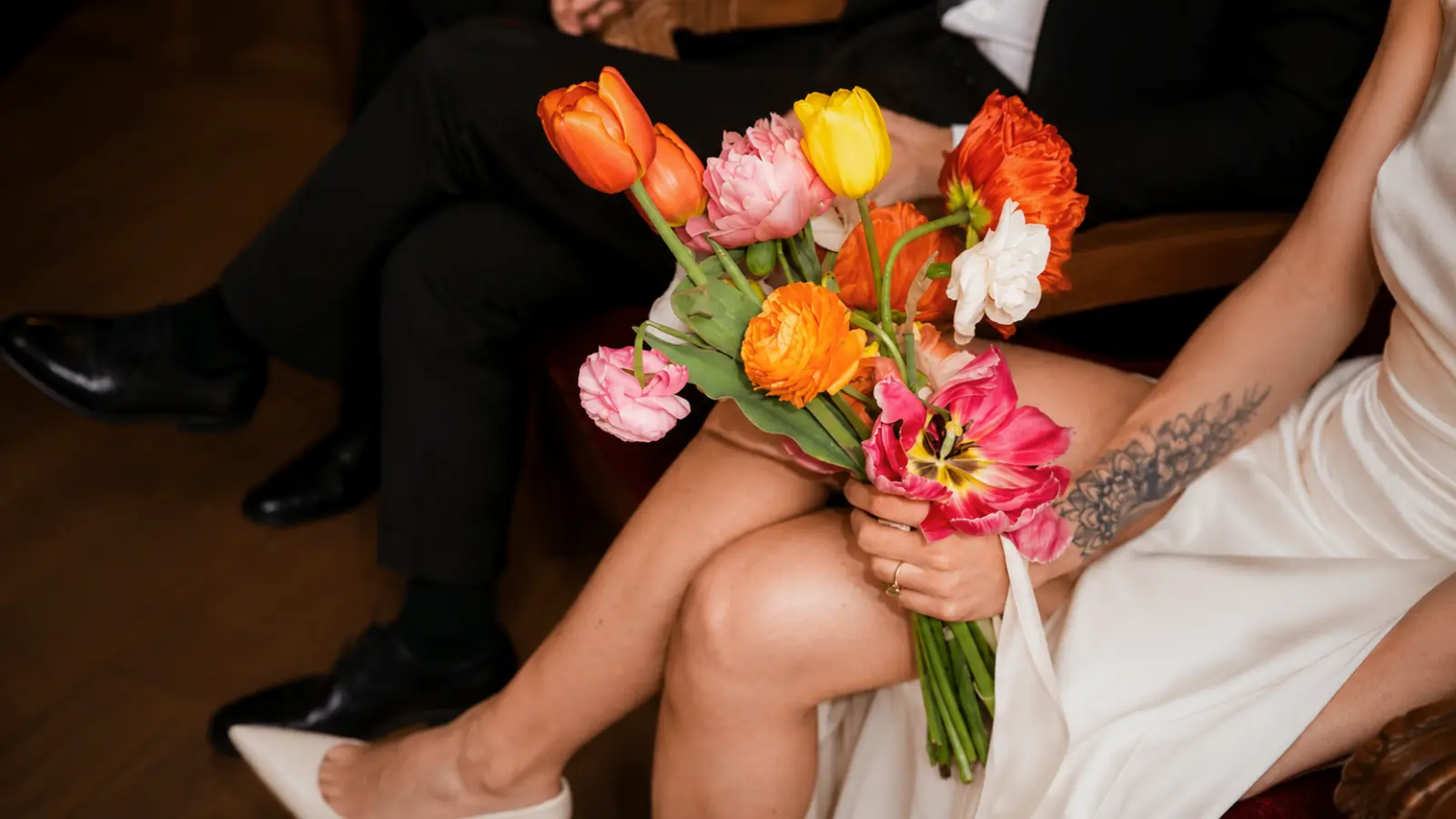
Wedding bouquet flowers are the foundation of every bridal bouquet, influencing not only how the arrangement looks but also how it performs throughout your wedding day. The best flowers depend on far more than appearance—they’re shaped by the season, durability, fragrance, availability, and the overall style you want to create. Choosing the right blooms from the beginning makes every later decision much easier.
Many brides fall in love with flowers they discover online before realizing that bloom availability changes throughout the year. Understanding which flowers are naturally in season, which varieties are available year-round, and which hold up best during long ceremonies or outdoor celebrations helps you create a bouquet that’s both beautiful and practical.
This guide explores how flowers shape wedding bouquets through seasonality, durability, fragrance, greenery, and availability, along with practical advice for choosing blooms that complement your style, colors, and celebration.
Wedding Bouquet Flowers by Season
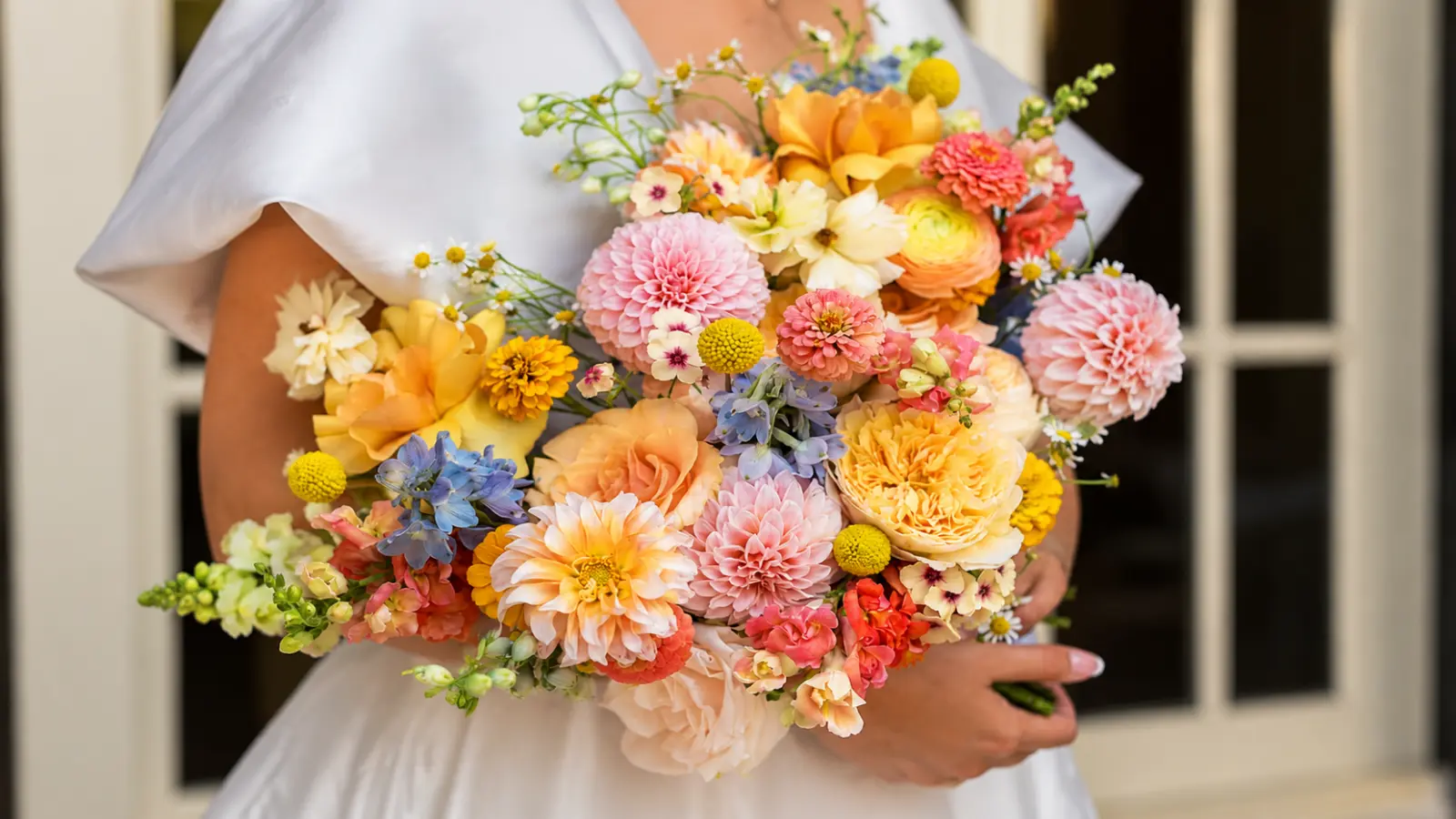
Flowers have a natural growing window, and working with it almost always gets you better quality at a more accessible price. A peony in May looks different from one flown in for a December wedding, and the difference shows up in both the bloom and the bill.
Spring– The natural flower selection for spring wedding bouquets includes peonies, tulips, ranunculus, sweet peas, lilac, and anemones, giving florists a wide range of soft, layered textures. This is also the season where timing matters most — peony season is short, so a spring wedding date that falls just outside the window can mean paying more for less reliable stock.
Summer – The broad flower variety available for summer wedding bouquets includes garden roses, dahlias, hydrangeas, zinnias, sunflowers, and lavender. The tradeoff is heat: summer is also the season where flower durability matters most, since delicate blooms can struggle in direct sun or a long outdoor ceremony.
Fall – Warmer tones and textured materials define many fall wedding bouquets, using dahlias, chrysanthemums, marigolds, cosmos, wheat, pampas grass, and dried lunaria. Café au lait dahlias in particular have become a fall signature for their warm, neutral tone that photographs beautifully against autumn light.
Winter – Sourcing becomes more selective for winter wedding bouquets, when amaryllis, hellebores, anemones, ranunculus, cedar, and pine become important seasonal options. Winter bouquets often lean on year-round anchors like roses and orchids, supplemented with a few true winter blooms and richer greenery for texture.
None of this means you’re locked into a palette dictated by the calendar. It means your florist can build something more cohesive — and usually less expensive — when the flower list starts from what’s actually growing rather than from a wish list assembled without a season in mind.
Flowers Available Year-Round
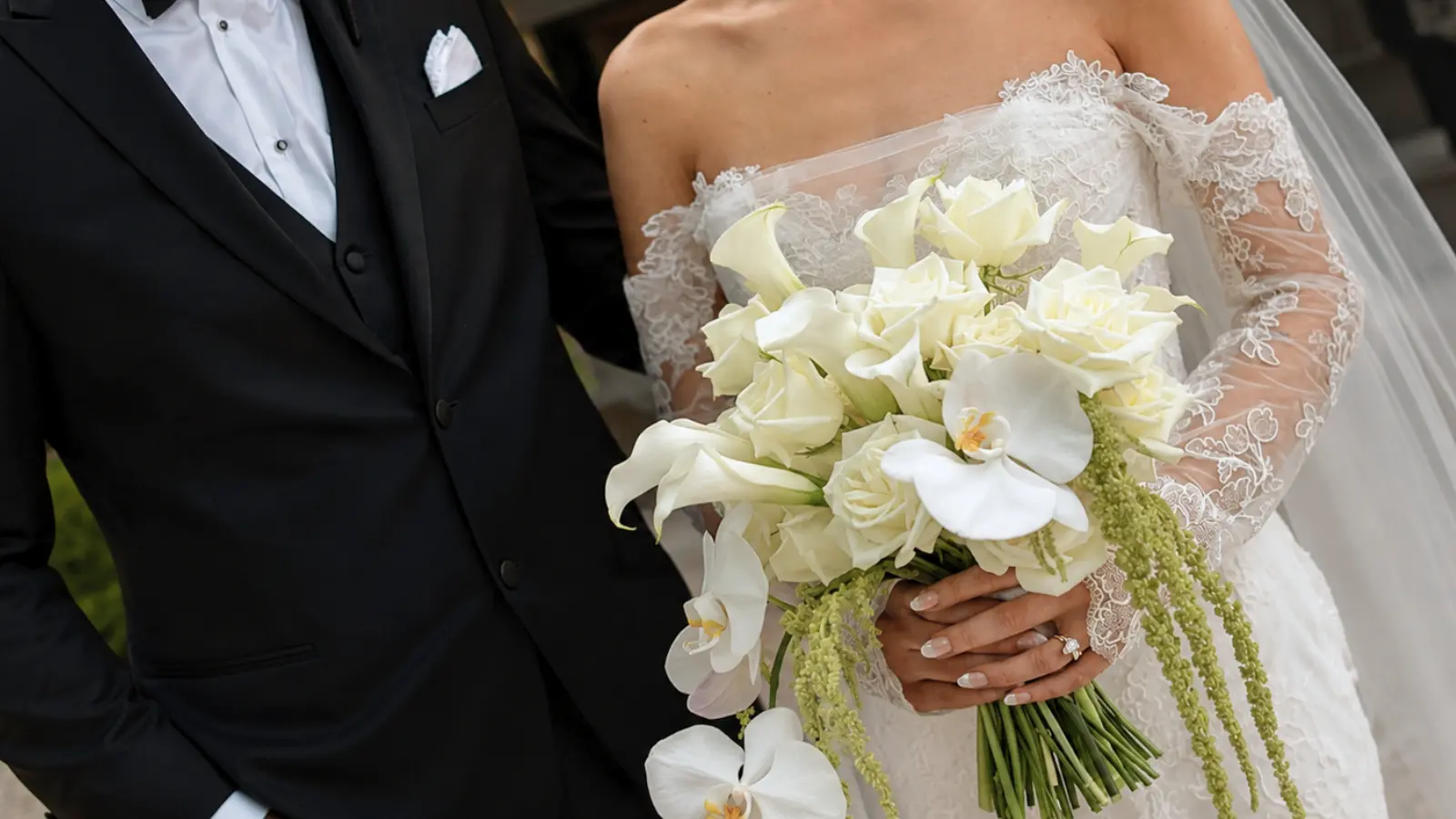
A handful of flowers sidestep the seasonal conversation entirely because they’re grown in greenhouse operations at a scale large enough to keep them in steady supply all year. Knowing this short list is useful even if you’re not building your whole bouquet around them, since they make dependable anchors no matter when your wedding falls.
- Roses and garden roses. The most versatile flower in bridal florals, available in nearly every color and bloom size, with steady greenhouse production keeping supply consistent.
- Orchids. Clean, modern, and long-lasting once cut, orchids hold their shape for hours without wilting — a practical advantage as much as an aesthetic one.
- Calla lilies. Sleek and architectural, calla lilies work especially well in minimalist or single-stem bouquets and are available regardless of the month.
- Carnations. Often underrated, modern carnations come in ruffled, full forms that look far more elevated than their reputation suggests, and they’re one of the more affordable year-round options.
- Baby’s breath. Reliable as a filler or, increasingly, as a featured texture on its own in fuller, cloud-like arrangements.
These flowers are also the ones florists reach for first when a seasonal substitution is needed. If a true seasonal bloom falls through close to the wedding date, a year-round flower in a similar color or shape is usually the fastest, most reliable backup.
Choosing Flowers by Durability
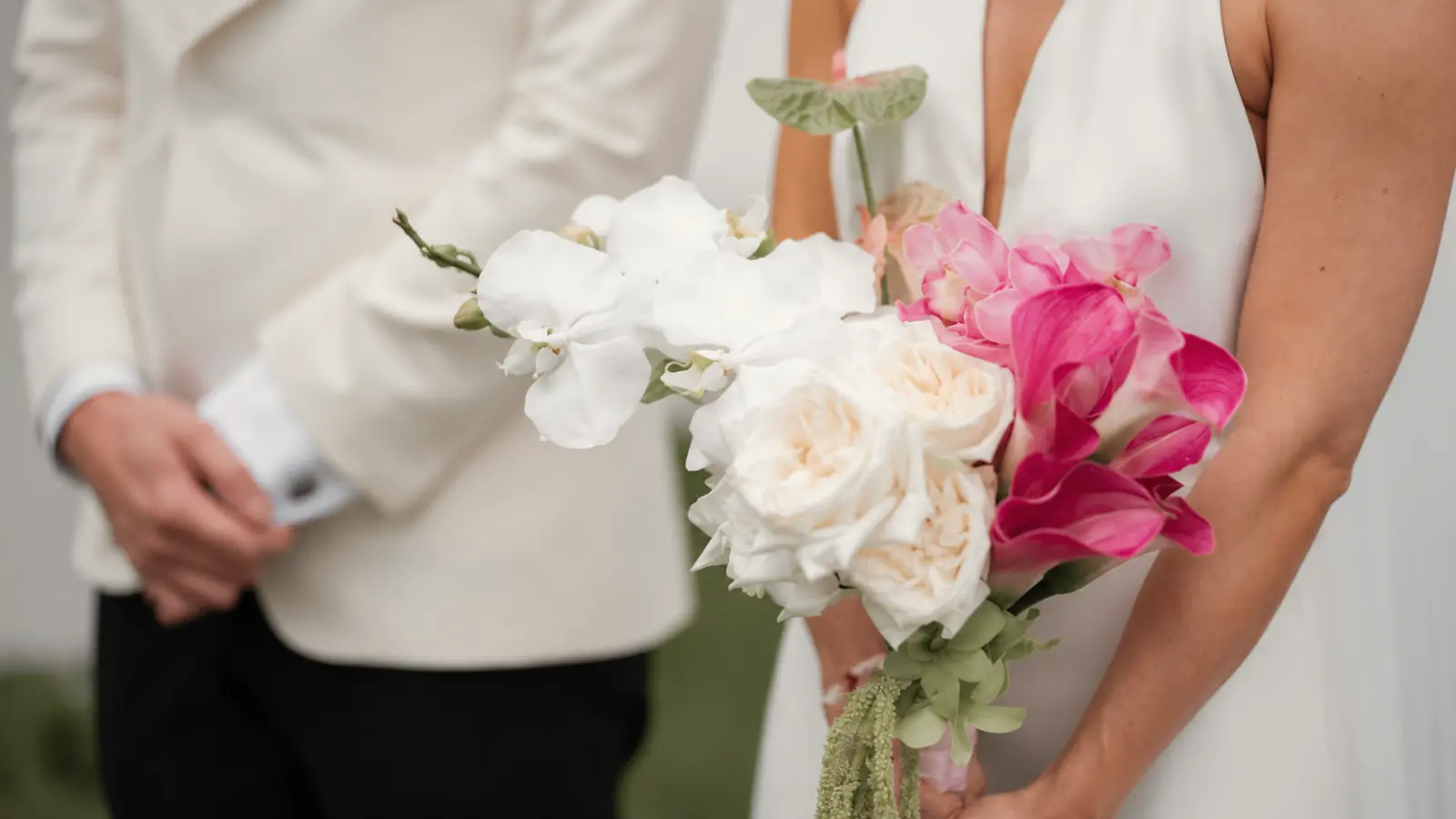
Every flower eventually wilts, but the timeline varies enormously, and that timeline matters more than most brides realize until the day is already underway. A flower that looks perfect at 9 a.m. during getting-ready photos needs to survive a ceremony, a cocktail hour, and a reception — often eight or more hours without fresh water.
Hardier flowers like roses, ranunculus, lisianthus, orchids, and carnations are the most forgiving choices for long wedding days, particularly outdoor ones. They were bred or selected in part for their vase life, and that durability carries over to time spent out of water.
More delicate flowers — sweet peas, lily of the valley, tulips, ranunculus in its fullest open stage, and anemones — bring real charm and texture but need more careful handling. They’re not flowers to avoid; they’re flowers to plan around, with proper conditioning beforehand and a shorter window between final assembly and the ceremony.
For long timelines or outdoor celebrations, fresh wedding bouquets should rely on durable flowers, using delicate blooms as accents rather than as the structural focus. Your florist can also recommend hydration treatments that extend fragile flowers’ life well beyond what they’d manage untreated.
Greenery and Foliage: The Functional Layer
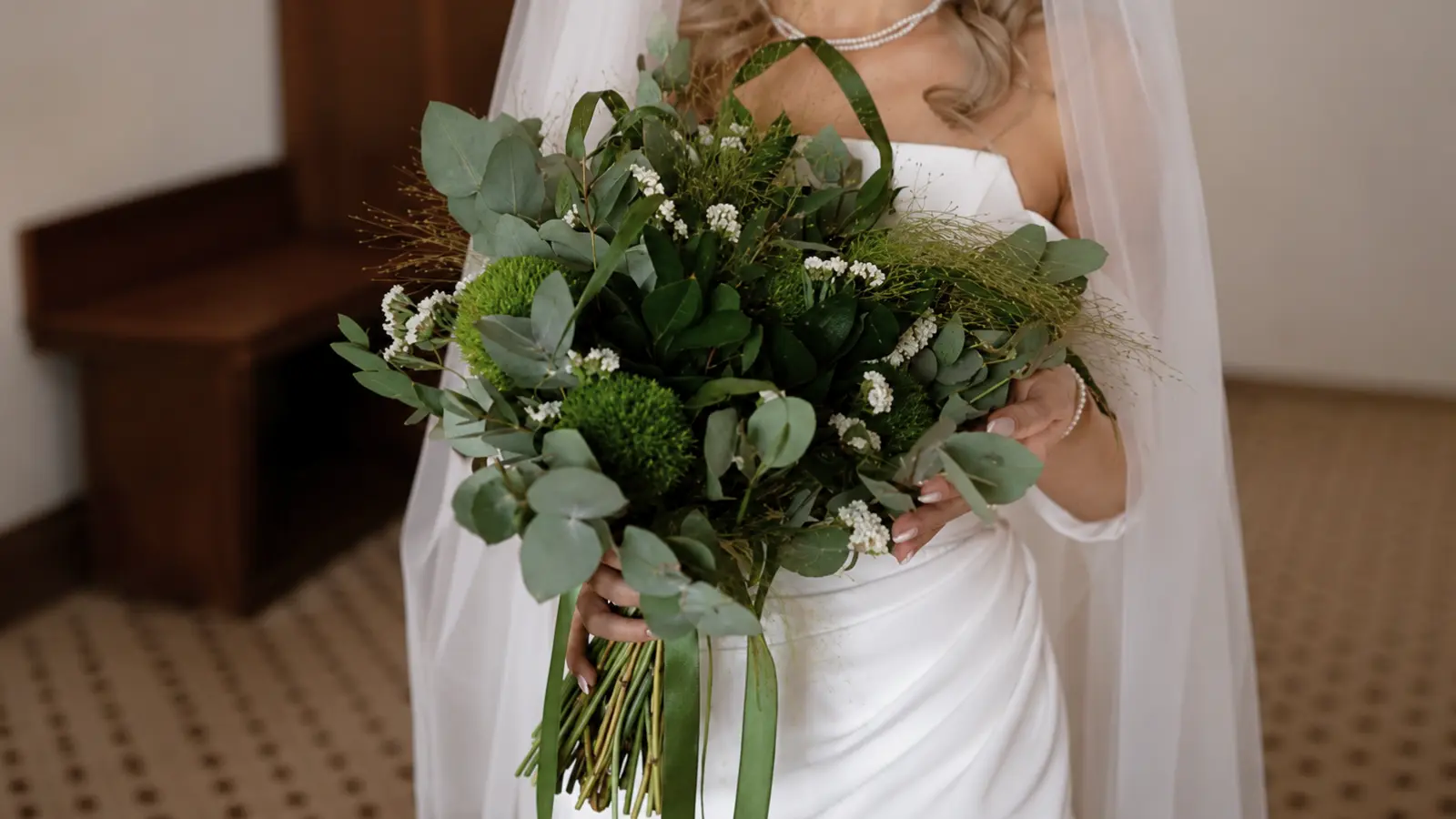
Greenery rarely gets the attention flowers do, but it does real structural work in a bouquet — it’s not just there to fill gaps between blooms. The foliage used in greenery wedding bouquets adds shape, movement, and scale that flowers alone do not always provide.
Eucalyptus, particularly silver dollar or seeded varieties, is the most common choice for its soft, blue-green color and pleasant scent.
Ruscus brings a more structured, glossy texture that holds its shape well, making it a favorite for tighter, rounder bouquets.
Dusty miller contributes a silvery, almost velvet-like tone that bridges warm and cool palettes without pulling attention away from the flowers.
Ferns and trailing ivy add movement to several bridal bouquet styles, especially cascade and hand-tied designs that depend on natural drape.
Greenery also affects how a bouquet reads in photos from a distance. A bouquet built entirely from tightly packed flowers can look dense and a little flat in full-length shots; greenery breaks up that density and gives the eye somewhere to rest. It’s worth treating your foliage choice as a real decision, not a default the florist fills in at the end.
Fragrance: What Smells Strong and What Doesn’t
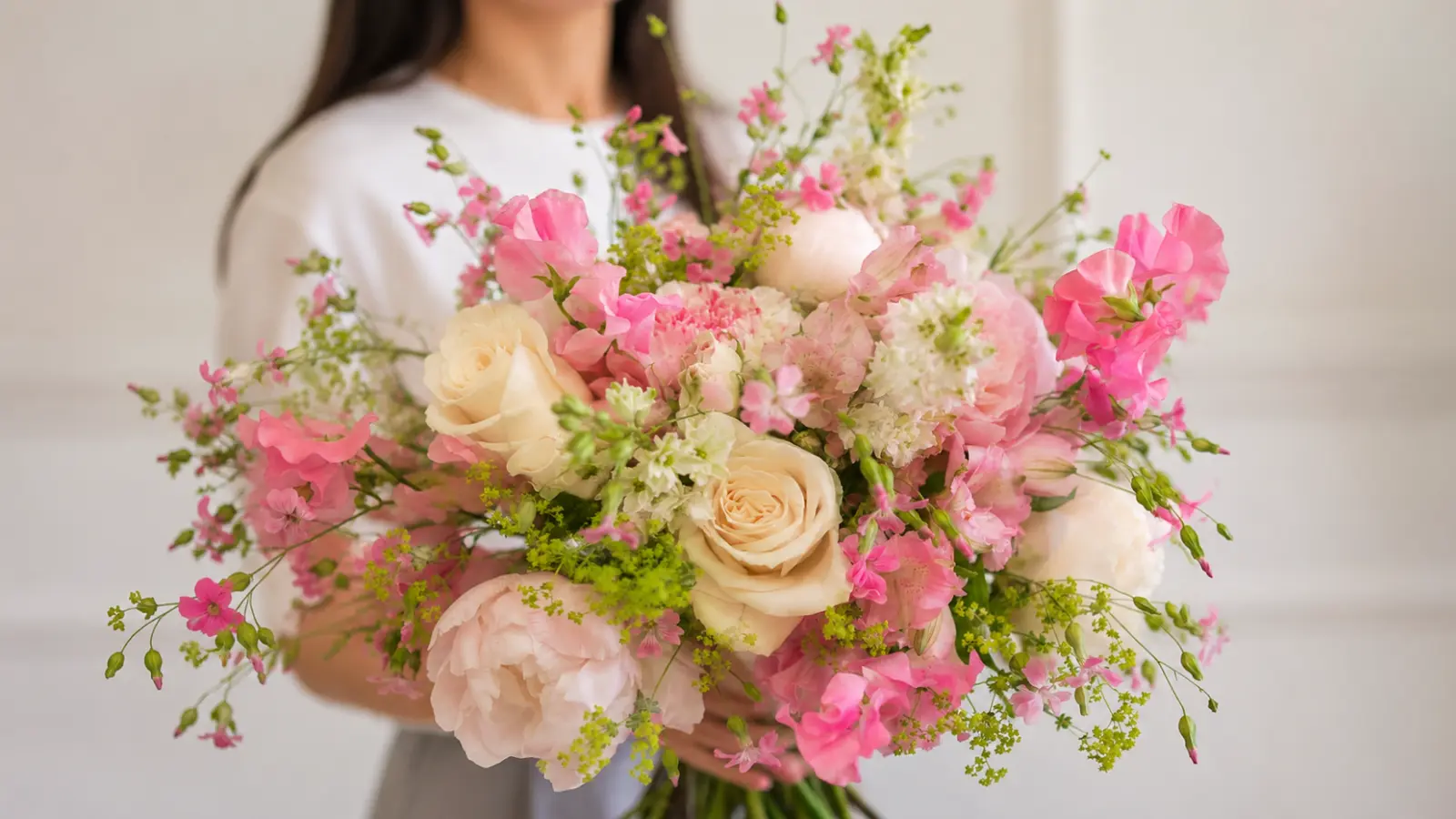
Fragrance is one of the most overlooked factors in bouquet planning, and it cuts both ways — some brides want it specifically, others would rather avoid it, and almost nobody thinks to ask until the flowers are already in the room.
Garden roses, peonies, gardenias, sweet peas, lily of the valley, stephanotis, and stargazer lilies all carry noticeable scent, and for an outdoor ceremony, that fragrance can be a genuinely lovely detail that guests remember. The same flowers in a small, enclosed indoor space — a tight chapel, a low-ceilinged reception tent — can become overwhelming for guests seated near the altar or head table, particularly in warm weather when scent intensifies.
Plenty of popular wedding flowers, including spray roses, most dahlias, ranunculus, and the majority of tropical varieties, have little to no scent at all. That’s not a downside; it simply means fragrance isn’t part of what they bring to the arrangement. If scent matters to you either way, say so directly when you meet your florist rather than assuming the bouquet will or won’t have it.
Asking Your Florist for Seasonal Substitutions
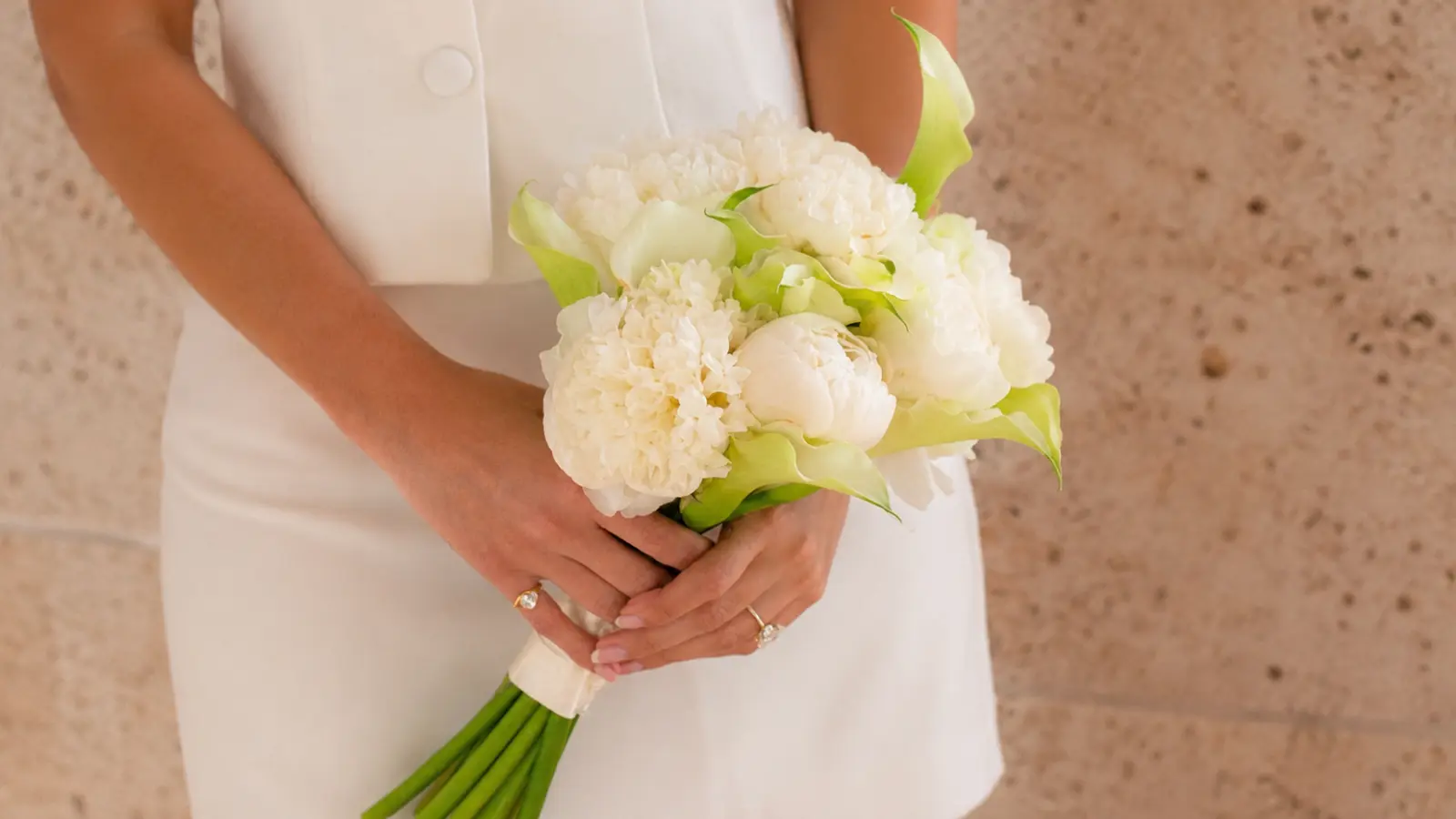
Falling for a flower that’s out of season for your wedding date is one of the most common things that happens during planning, and it’s rarely a real problem — as long as it’s addressed early rather than discovered during a final consultation a few weeks out.
The most useful way to handle this is to share the visual effect you’re after rather than insisting on the exact flower. If you love the lush, layered look of peonies for a fall wedding, tell your florist that specifically. An experienced florist can often recreate the same fullness and softness with garden roses, ranunculus, or a mix of in-season blooms that achieve a similar result without the cost or unpredictability of sourcing peonies outside their window.
It is also worth asking how sourcing an out-of-season flower would affect the overall wedding bouquet cost. Sometimes it’s a modest premium worth paying for a flower that matters to you. Other times the markup is steep enough that a substitution becomes the more sensible choice.
Flower, Season, and Durability at a Glance
Seeing season, availability, and durability side by side makes it easier to spot which flowers are safe bets and which ones need a bit more planning around your specific wedding date and conditions.
| Flower | Peak Season | Durability |
|---|---|---|
| Rose / Garden Rose | Year-round | High |
| Orchid | Year-round | High |
| Calla Lily | Year-round | High |
| Ranunculus | Winter–Spring | Medium–High |
| Peony | Late spring–early summer | Medium |
| Tulip | Spring | Medium |
| Sweet Pea | Spring | Low–Medium |
| Dahlia | Late summer–fall | Medium |
| Hydrangea | Summer | Medium |
| Lisianthus | Summer–Fall | High |
| Amaryllis | Winter | Medium |
| Anemone | Spring–Winter | Medium |
Use this as a starting point for the conversation with your florist, not a final list. Durability ratings assume proper conditioning and reasonable care on the wedding day — even a hardy flower will struggle if it’s left out of water in direct sun for hours, and a delicate one can hold up beautifully with the right handling.
Common Mistakes to Avoid
A handful of avoidable missteps show up again and again in flower planning, and most of them trace back to timing rather than taste.
Falling in love with a flower without checking the calendar. Pinning a bouquet because of one specific flower, then discovering months later it’s out of season for your date, is the single most common flower-related disappointment in wedding planning. Mention your top flower picks to your florist as early as possible.
Ignoring durability for an outdoor summer wedding. Delicate blooms that look gorgeous in a climate-controlled studio can struggle within an hour outdoors in July heat. If your ceremony or portraits involve significant time outside in warm weather, durability deserves real weight in the decision, not an afterthought.
Choosing every flower for fragrance without considering the room. A bouquet built entirely from highly fragrant blooms can be lovely outdoors and a lot in a small, enclosed indoor ceremony space. Balance fragrant flowers with a few low-scent varieties if your venue is intimate.
Treating greenery as an afterthought. Letting your florist default to whatever’s on hand for foliage means missing a chance to reinforce your color palette and overall texture. Ask specifically what greenery they’re planning to use and why.
Most of these mistakes share the same fix: bringing the conversation to your florist earlier rather than later. A flower list built with enough lead time to plan around season, durability, and venue conditions almost always turns out better than one assembled under pressure a few weeks before the wedding.
Wedding Bouquet Flower Inspiration
Discover the best wedding bouquet flowers featuring roses, peonies, ranunculus, orchids, seasonal blooms, elegant greenery, and timeless floral inspiration for every wedding style.
The Best Bouquet Starts With the Right Flowers
Choosing wedding bouquet flowers is about more than selecting beautiful blooms. Seasonality, durability, fragrance, color, and texture all influence how your bouquet will look, feel, and perform from the ceremony to the final photographs. When those practical details are considered alongside your personal style, your bouquet becomes both visually stunning and perfectly suited to your wedding day.
Rather than focusing on individual flowers alone, think about how they work together as a complete composition. By combining seasonal blooms with reliable year-round flowers and carefully chosen greenery, you’ll create a bouquet that feels balanced, timeless, and uniquely yours—while giving your florist the flexibility to design something truly exceptional.
Frequently asked questions (FAQ)
How do you choose the best flowers for a wedding bouquet?
Start by considering your wedding season, venue, climate, and bouquet style before choosing specific flowers. Once those decisions are made, look for blooms that are naturally in season, durable enough for your timeline, and appropriate for your budget. Building your bouquet around practical factors first usually results in better-quality flowers and a more cohesive design than choosing flowers based only on inspiration photos.
What is the most durable flower for a wedding bouquet?
Roses, orchids, lisianthus, carnations, and properly conditioned ranunculus are among the most durable wedding flowers. They hold their shape well during long ceremonies, portraits, and receptions, making them excellent choices for outdoor weddings or celebrations with extended timelines. More delicate flowers, such as sweet peas and lily of the valley, require extra care because they wilt much faster in heat.
Which wedding flowers are available year-round?
Roses, garden roses, orchids, calla lilies, carnations, baby’s breath, and many varieties of eucalyptus are available throughout the year thanks to greenhouse cultivation. These dependable flowers provide a strong foundation for bouquets in every season and can easily be combined with seasonal blooms to create a more customized design.
Can you use out-of-season flowers in a wedding bouquet?
Yes, but doing so usually increases both the cost and the uncertainty of availability. Flowers imported from other growing regions may arrive with higher prices and more variation in bloom quality. If a favorite flower is out of season, ask your florist whether a seasonal alternative can create a similar look while remaining more reliable and budget-friendly.
Which wedding flowers have the strongest fragrance?
Garden roses, peonies, gardenias, sweet peas, lily of the valley, stephanotis, and lavender are among the most fragrant flowers used in wedding bouquets. If fragrance is important to you, mention it during your florist consultation instead of assuming every fresh bouquet will naturally have a noticeable scent.
What greenery works best in a wedding bouquet?
Eucalyptus, Italian ruscus, dusty miller, ferns, olive branches, and trailing ivy are among the most popular greenery choices. Beyond filling space, greenery creates movement, softens transitions between flowers, and helps establish the bouquet’s overall texture, structure, and color balance.